DbcultAccessing Vault...
Cult Review
Senior Film Conservator
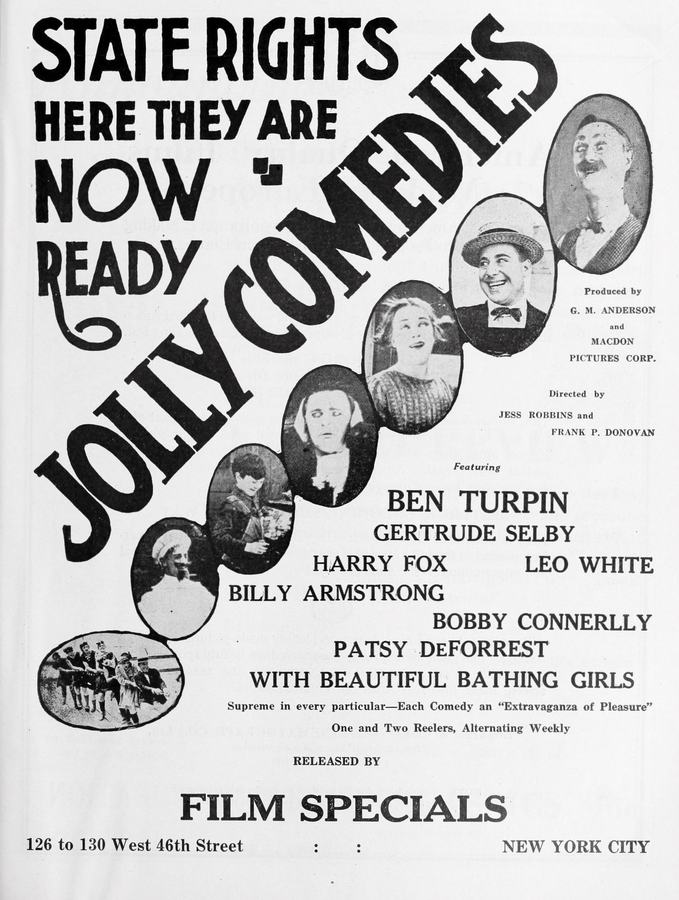
The year 1918 remains a pivotal nexus in the evolution of cinematic grammar, a period where the primitive aesthetics of the nickelodeon era began to coalesce into the sophisticated visual storytelling of the roaring twenties. In this landscape of rapid transformation, Hubby's Mistake emerges not merely as a relic of forgotten laughter, but as a fascinating case study in the mechanics of domestic farce. Directed by the prolific Frank P. Donovan, the film captures a specific American anxiety regarding the shifting dynamics of the household, a theme that resonates with the same intensity found in more dramatic contemporary works like The Wrong Door.
At the heart of this celluloid excursion is the concept of the 'mistake'—a narrative device that Donovan exploits with surgical precision. Unlike the grand, sweeping tragedies of The Gift Supreme, the stakes here are intimately scaled, focusing on the minute fissures that can shatter a marriage. Gertrude Selby, an actress whose expressive range often bypassed the need for intertitles, portrays the suspicious wife with a blend of histrionic flair and genuine pathos. Her performance is a masterclass in the 'slow burn,' a technique that would later be perfected in the golden age of Hollywood comedy but here finds its nascent, raw energy.
The husband, portrayed by Lou Marks, serves as the perfect foil. Marks embodies a specific archetype of the early 20th-century male: well-meaning but fundamentally oblivious to the social cues that govern his domestic sphere. His performance is less about the physical acrobatics seen in Pay Day and more about the psychological weight of a man caught in a web of his own unintentional weaving. The chemistry between Selby and Marks provides the film's foundational tension, turning a simple misunderstanding into a grand theatrical event within the four walls of their apartment.
Frank P. Donovan’s direction in Hubby's Mistake reveals a sophisticated understanding of the proscenium. While many directors of the era were still struggling to break free from the constraints of filmed stage plays, Donovan utilizes depth of field and character blocking to create a sense of dynamic movement. There is a rhythmic quality to the editing that mirrors the internal pulse of the characters' panic. While it may lack the haunting atmospheric depth of Whispers, it compensates with a relentless pacing that leaves the audience breathless.
The inclusion of Patsy De Forest and the child star Bobby Connelly adds layers of complexity to the narrative. De Forest brings a certain sophistication to her role, acting as a catalyst for the jealousy that fuels the plot. Connelly, even at a young age, displays a naturalism that was rare for the time, providing a grounded reality to the otherwise heightened situations. This ensemble approach allows the film to explore different facets of the 'mistake,' showing how a single error ripples through an entire social unit, a theme explored through a more criminal lens in In the Hands of the Law.
One cannot overlook the visual language employed by Donovan. The use of lighting, though primitive by modern standards, effectively differentiates between the safety of the home and the perceived dangers of the outside world. The shadows in the hallway, the way the light hits a discarded letter, the frantic opening and closing of doors—all these elements serve as metaphors for the characters' internal states. It is this attention to detail that elevates the film above the standard 'slapstick' fare of the period, such as Squabs and Squabbles.
The film also touches upon the socio-economic pressures of the time. The 'mistake' often involves a financial or social transgression, reflecting the anxieties of a middle class striving for respectability. In this sense, Hubby's Mistake shares a thematic DNA with The Money Corral, despite the vast difference in their settings. Both films interrogate the cost of maintaining appearances in a world that is constantly threatening to expose one's flaws. The domestic setting becomes a battlefield where reputations are won and lost over the most trivial of matters.
When placed alongside the works of European contemporaries, such as the hauntingly beautiful Sir Arne's Treasure or the evocative Colomba, Donovan’s work feels distinctly American in its energy and optimism. Even as the situation spirals out of control, there is an underlying sense that order will eventually be restored. This is in stark contrast to the existential dread found in The Death Dance, where the characters seem doomed by their own social roles. Hubby's Mistake is a celebration of resilience, however clumsy that resilience might appear.
The film’s influence can be traced through the lineage of the domestic sitcom. The tropes established here—the suspicious wife, the bumbling husband, the intervening neighbor—became the building blocks for decades of television and film. It is interesting to note how Donovan’s framing of these tropes differs from the more urban, gritty portrayals found in Branding Broadway. While the latter focuses on the external pressures of the city, Hubby's Mistake looks inward, finding the comedy and the tragedy within the mundane rituals of daily life.
Watching Hubby's Mistake today is a haunting experience. It is a window into a world that was both simpler and infinitely more complex. The absence of sound forces the viewer to engage with the image in a way that modern cinema rarely demands. We must read the subtext in a furrowed brow or a clenched fist. This heightened level of engagement is what makes silent films so enduring. They are not merely stories; they are experiences that require our active participation. In this regard, the film is as immersive as the grander narratives of The Tidal Wave or the mysterious What Happened at 22.
Ultimately, the 'mistake' in the title is not just the husband's, but perhaps our own—the mistake of overlooking these small, potent gems of early cinema. As we navigate the digital noise of the 21st century, there is something profoundly grounding about returning to the clear-eyed, albeit chaotic, world of 1918. Whether it is the innocent charm of Lille Teddy or the stoic duty of Carry On, these films remind us of the universality of the human experience. Hubby's Mistake stands as a testament to the enduring power of a well-told story, proving that even a hundred years later, the sight of a husband trying to explain himself to an unimpressed wife remains one of the most relatable images in all of art.
In the final analysis, Frank P. Donovan’s contribution to the comedy genre is significant. He understood that humor is derived from the collision of expectation and reality. By placing his characters in a situation where their dignity is constantly under threat, he creates a narrative that is both hilarious and deeply human. The performances of Selby, Marks, De Forest, and Connelly ensure that the film remains vibrant and alive, a flickering shadow of a bygone era that still has the power to make us smile, reflect, and perhaps, look a little more closely at our own domestic 'mistakes.'
IMDb —
1933
Community
Log in to comment.