DbcultAccessing Vault...
Cult Review
Senior Film Conservator
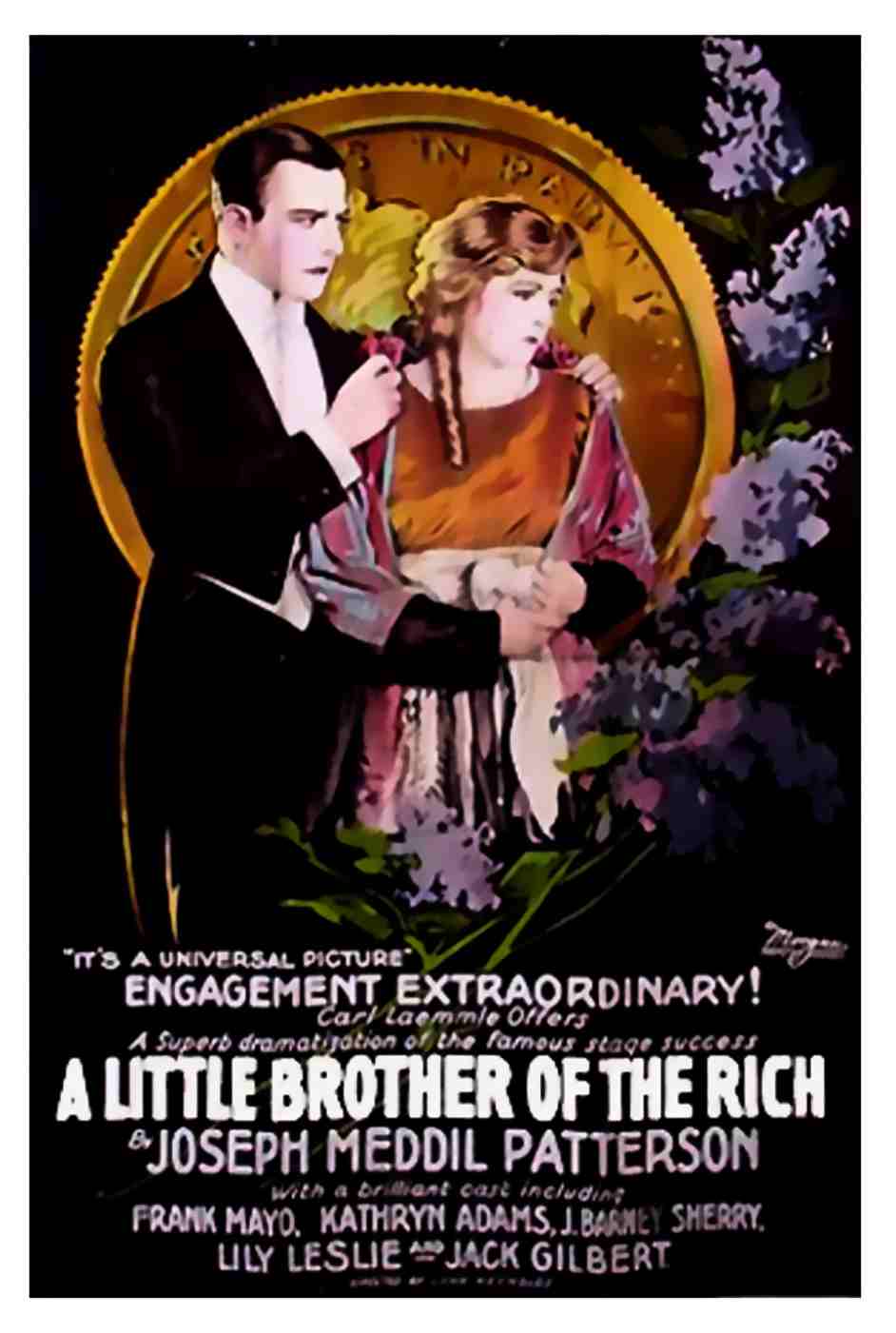
Stepping back into the cinematic landscape of 1919 is to witness a fascinating crucible of storytelling, where nascent film grammar wrestled with profound human dilemmas. Among the offerings of that year, Joseph Medill Patterson and Lynn Reynolds’s script for 'A Little Brother of the Rich' emerges not just as a period piece, but as a surprisingly incisive commentary on the corrosive nature of ambition and the enduring triumph of character over fleeting societal allure. It's a narrative that, despite its century-old vintage, still resonates with an unsettling familiarity, dissecting the perennial clash between authenticity and aspiration.
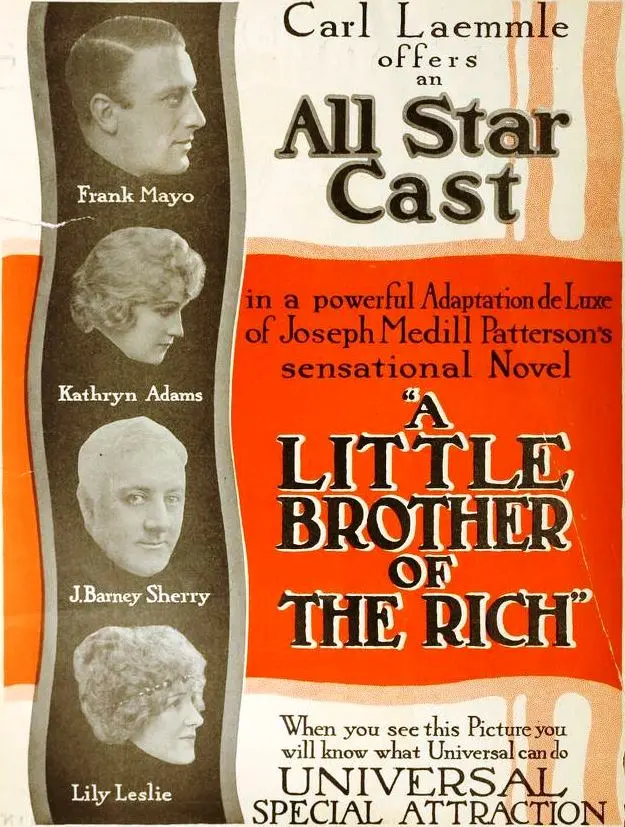
The film introduces us to Paul Potter, portrayed with a compelling blend of youthful vigor and nascent arrogance by Frank Mayo. Paul is the quintessential college hero, the captain of the Yale football team, a symbol of American masculinity and promise. His engagement to Sylvia Castle, played with nuanced grace by Kathryn Adams, seems idyllic, rooted in the simple, honest promise of a life in their quiet Indiana hometown. Sylvia, in her initial appearances, embodies an unadorned charm, a purity untouched by the machinations of high society. Their pact, sealed not just by affection but by a solemn pledge to Sylvia's father, establishes a moral compass for Paul that he will, with increasing desperation, attempt to recalibrate throughout the narrative.
The pivotal turning point arrives with Sylvia's visit to Yale for the senior prom. This is where the narrative truly begins its dissection of societal pressures. Paul, basking in the glow of his collegiate achievements, finds Sylvia’s small-town mannerisms and simple attire a source of acute embarrassment. It's a subtle but devastating betrayal, a crack in the foundation of their earnest affection. His gaze drifts, inevitably, to Muriel Evers, a married society woman embodied by Lila Leslie with an air of sophisticated aloofness. Muriel represents everything Sylvia is not: worldly, stylish, and connected. The silent glances, the unspoken judgments, and Paul’s palpable discomfort paint a vivid picture of a man succumbing to the superficial demands of his perceived station.
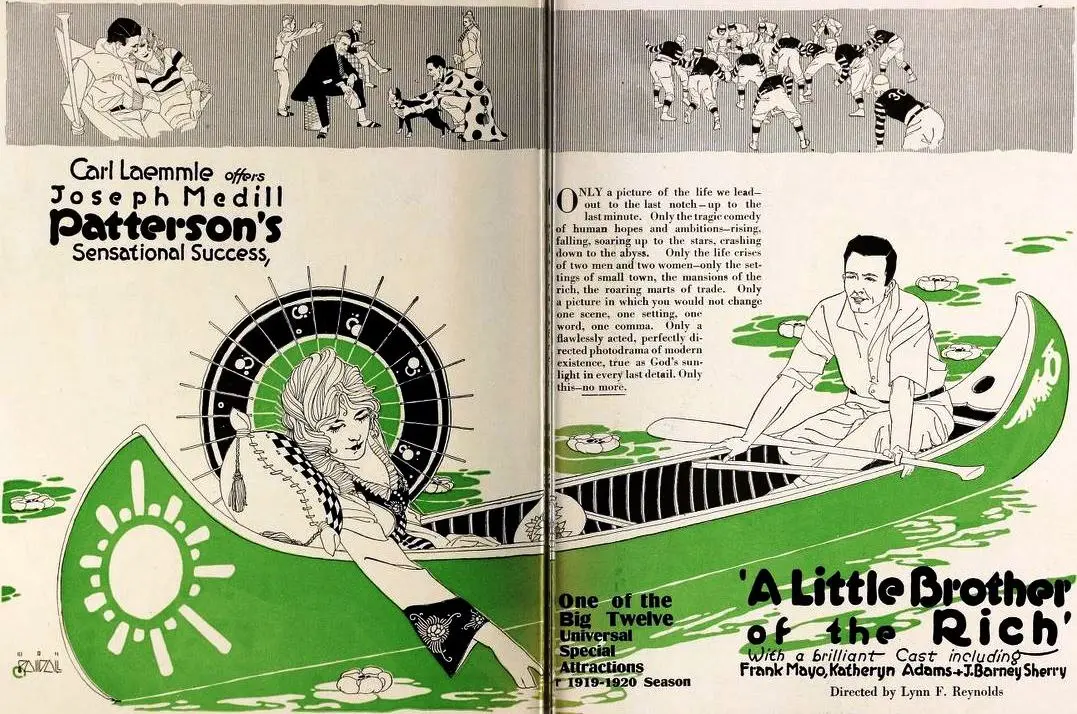
Sylvia, with a dignity that belies her youth, recognizes the shift. In a moment of profound self-sacrifice and clear-eyed understanding, she releases Paul from his promise. This act is not one of weakness, but of burgeoning strength, a recognition that a love built on embarrassment and social climbing is no love at all. Her retreat to Indiana marks the divergence of their paths, a geographical and moral chasm opening between them. Paul, unburdened by his Indiana vow, plunges headfirst into the maelstrom of Wall Street, a milieu perfectly suited to his burgeoning ambition and increasingly ruthless worldview. His trajectory mirrors the era’s burgeoning fascination with wealth and power, often at the expense of ethical considerations, a theme explored with stark clarity in films like The Toll of Mammon and Men, Women, and Money, which similarly scrutinize the corrupting influence of riches.
Meanwhile, Sylvia's journey is one of quiet, yet profound, transformation. The death of her father leaves her without anchor, forcing her into the harsh realities of self-sufficiency. It is in this crucible of necessity that she encounters Henry Leamington, an alcoholic actor portrayed with poignant vulnerability by J. Barney Sherry. Their relationship forms the emotional core of the film's second act, a beautiful study in mutual aid and redemption. Sylvia, rather than succumbing to despair, finds purpose in helping Henry conquer his affliction, offering him the steadfast support he desperately needs. In return, Henry, recognizing her innate talent and resilience, encourages her to pursue an acting career. This symbiotic relationship highlights a stark contrast to Paul's self-serving trajectory; here, connection is built on empathy and shared vulnerability, not on social climbing.
Sylvia's ascent in the theatrical world of New York is swift and well-earned, a testament to her latent talent and newfound confidence. She becomes a celebrated figure, a woman of substance and independent means, a far cry from the timid Indiana girl. Her journey, in many ways, is a more compelling narrative of progress than Paul's. While Paul gained wealth, Sylvia gained self-possession and purpose. Her story echoes the themes of moral fortitude and overcoming adversity found in films like The Voice of Conscience, where inner strength guides protagonists through trials. The depiction of Henry's struggle with alcoholism and Sylvia's role in his recovery also finds thematic resonance with films like Drankersken, which explore the human cost of addiction and the potential for rehabilitation through compassion.
The inevitable reunion of Paul and Sylvia in New York is charged with unspoken history. Paul, now unhappily married to Muriel, finds his opulent life devoid of true contentment. The glittering cage he built for himself has become a prison. The rekindled spark between him and Sylvia is undeniable, a ghost of their past affection. However, fate intervenes with a brutal twist: Muriel dies in an automobile accident, clearing the path for Paul and Sylvia to potentially resume their relationship. This moment serves as the ultimate test of Paul’s character, and tragically, he fails.
Paul, ever the pragmatist, the man whose values are dictated by the ticker tape, proposes that Sylvia become his mistress. His reasoning is chillingly calculated: an actress wife, however celebrated, would harm his carefully constructed business reputation on Wall Street. This proposition is the film’s most damning indictment of Paul, a revelation of his true, morally bankrupt core. It's a moment of profound clarity for Sylvia, who now sees Paul not as the boy she once loved, but as a man utterly consumed by superficiality and social standing. His offer is not one of love, but of convenience and control, a final, unequivocal demonstration of his shallow priorities. This stark moral contrast is where the film truly shines, presenting Paul's 'temptations' as a path to moral decay, much like the thematic explorations in The Temptations of Satan.
In a powerful act of self-possession, Sylvia rejects Paul’s demeaning offer. Her choice is not merely a refusal but a resounding affirmation of her own worth and the integrity she has cultivated. She marries Henry, the man who saw her potential, supported her growth, and shared a bond of genuine human connection. This ending is not merely a romantic resolution; it's a profound statement on the value of character over capital, of authentic partnership over societal validation. Sylvia’s journey is a narrative of self-rescue and empowerment, a theme that resonates with the spirit of films like The Rescue, where protagonists find strength in their moral convictions.
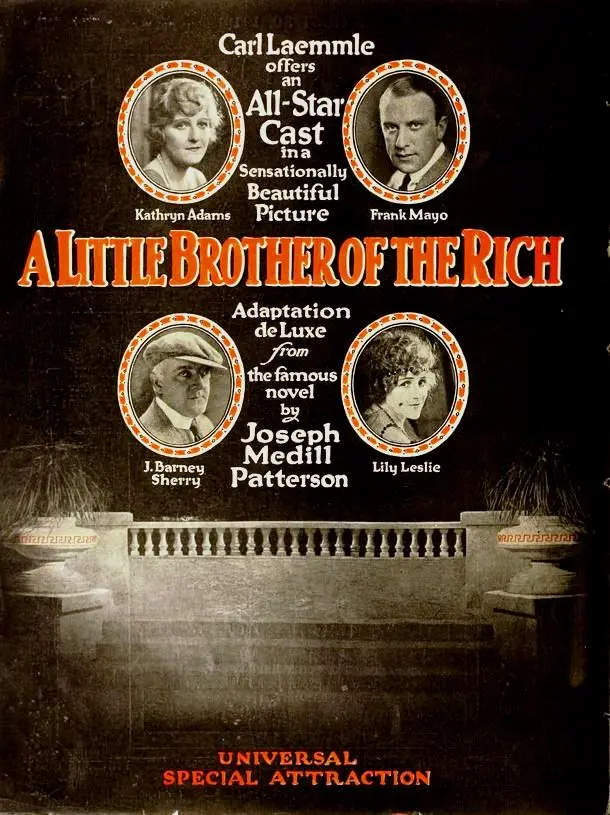
Frank Mayo's portrayal of Paul Potter is key to the film's impact. He successfully navigates the character's transition from a charming, if slightly conceited, college athlete to a cold, calculating financier. His expressions, though constrained by the silent film acting conventions of the era, convey Paul's internal conflicts and eventual moral decay with convincing force. Kathryn Adams, as Sylvia, delivers a performance of remarkable depth. Her initial innocence gives way to a hardened resolve and quiet strength, making her final rejection of Paul all the more powerful. J. Barney Sherry as Henry Leamington provides a sympathetic counterpoint to Paul's avarice, embodying the struggle and eventual triumph of artistic spirit over personal demons. Even in smaller roles, such as Lila Leslie's Muriel Evers, the actors manage to convey distinct personalities through gesture and gaze, crucial in an era without spoken dialogue.
The screenplay by Joseph Medill Patterson and Lynn Reynolds is remarkably sophisticated for its time, weaving complex character arcs and thematic explorations into a compelling narrative framework. The use of intertitles would have been crucial in conveying the nuances of dialogue and internal thought, guiding the audience through the moral quandaries presented. The direction, while adhering to the visual storytelling techniques prevalent in 1919, effectively uses framing and movement to emphasize emotional states and power dynamics. The film is a testament to the evocative power of early cinema, demonstrating how compelling narratives could be crafted without the benefit of sound, relying instead on strong performances, clear character motivations, and universal themes.
'A Little Brother of the Rich' is more than just a historical curiosity; it's a poignant social commentary that remains strikingly relevant. It critiques the American dream when it becomes solely predicated on material accumulation and social climbing, exposing the hollowness that can reside within gilded lives. It champions the individual who chooses integrity and genuine connection over the fleeting status offered by wealth and shallow ambition. The film argues that true richness lies not in one's Wall Street portfolio, but in the strength of one's character and the authenticity of one's relationships.
The journey of Sylvia Castle, from a naive Indiana girl to a self-assured New York actress, is a powerful early cinematic depiction of female empowerment, showcasing a woman who defines her own worth outside of male validation or societal expectations. Her ultimate choice to marry Henry, a man who values her for who she is and not what she represents, offers a refreshing counter-narrative to the transactional relationships often depicted in stories of social mobility. This film, though a product of its time, speaks to enduring truths about human nature, reminding us that the allure of the 'rich' can often obscure the true wealth of the human spirit. It's a reminder that sometimes, the greatest treasures are found not in the pursuit of more, but in the unwavering commitment to what is right and true, regardless of the cost to one's social standing.
In its quiet way, 'A Little Brother of the Rich' delivers a powerful message that resonates through the decades, a cinematic artifact that continues to prompt reflection on our own values and the choices we make in the pursuit of happiness and success. It stands as a testament to the enduring power of silent film to tell complex, emotionally resonant stories that transcend their historical context and speak directly to the human condition.

IMDb —
1924
Community
Log in to comment.