DbcultAccessing Vault...
Cult Review
Senior Film Conservator
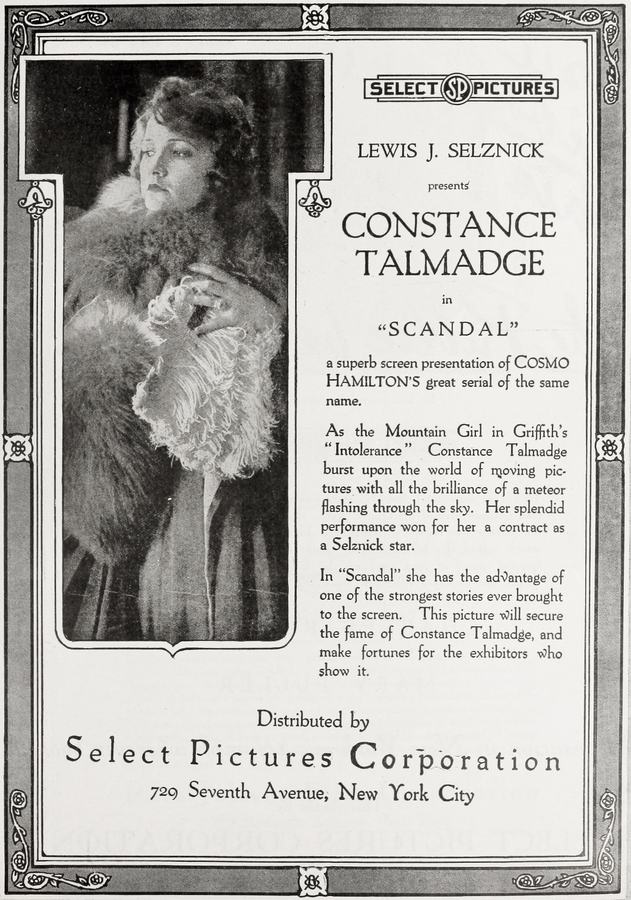
Imagine, for a moment, the year 1917 unfurling like a brittle ribbon of celluloid: Europe is a charnel house, America teeters on the war-cusp, yet the camera still craves champagne bubbles and silk trains that sweep across parquet floors. Scandal arrives as a sly hand grenade wrapped in chiffon, lobbed by director Charles Giblyn and scenarist Bess Meredyth—a picture that pretends to be another drawing-room frolic but secretes a razor inside its glove. Its very title is dare; its plot, a Möbius strip of moral bookkeeping.
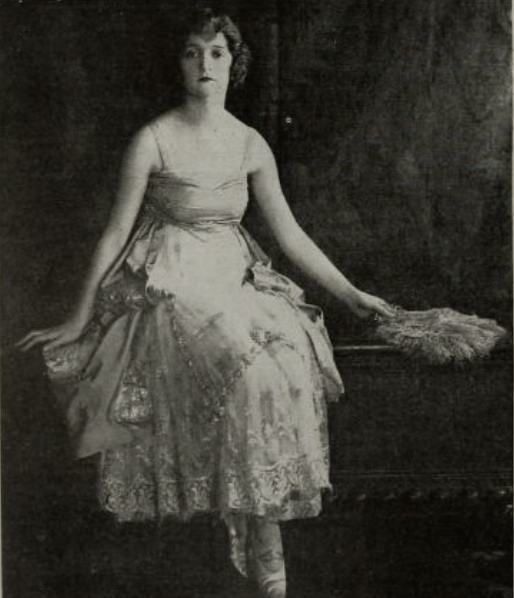
Beatrix Vanderdyke—played with firefly restlessness by Aimee Dalmores—is introduced in a flurry of hats, each wider than the last, as if millinery itself were a dare against gravity. She haunts the brush-scarred atelier of Sutherland Yorke (Harry C. Browne), a painter whose canvases drip with ochre and whose eyes promise the sort of ruin reserved for operas. Their dalliance is not carnal—this is 1917—but the camera lingers on a discarded chemise, a smear of scarlet pigment, the hush of breath on bare neck. One shutter-click from a street photographer and the scandal erupts like Vesuvius in the morning papers.
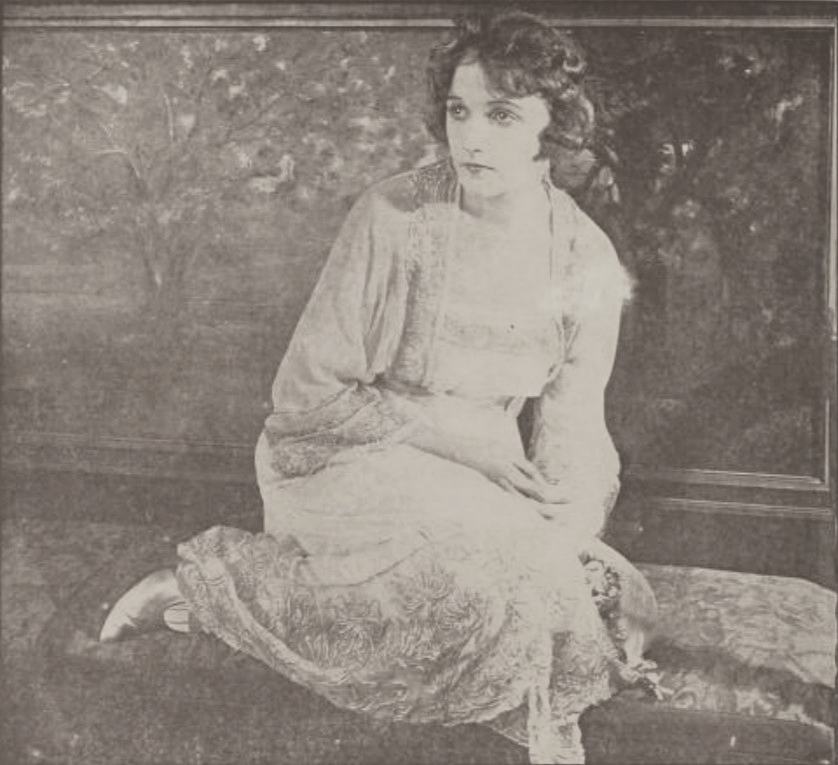
Salvation arrives in the form of Pelham Franklyn (Constance Talmadge in breeches and borrowed gravitas), whose apartment shares a wall with the artist’s loft. Beatrix’s improvised lie—that she is already Mrs. Franklyn—spins outward, gathering servants, lawyers, and a dyspeptic uncle (William T. Carleton) into its centrifuge. The sham marriage is announced; the city’s polite machinery ratifies the falsehood; and the couple embarks on a honeymoon cruise that feels less like escape and more like exile on a floating stage.
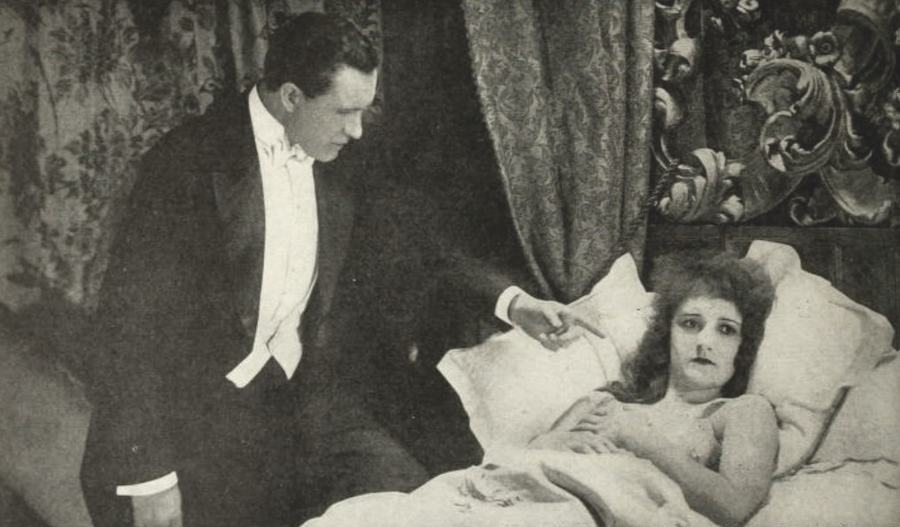
Meanwhile, Yorke—half-predator, half-puppet—posts anonymous letters that read like poisoned valentines. His handwriting is a spidery confession, each loop a noose. When a jealous husband’s bullet finds him, the deathbed scene is lit like a Rembrandt: umber shadows, a shaft of sea-blue moonlight (#0E7490) across his waxen cheek. In extremis he scribbles an apology to Beatrix, sealing the film’s central irony: the only truth he ever tells is signed in blood.
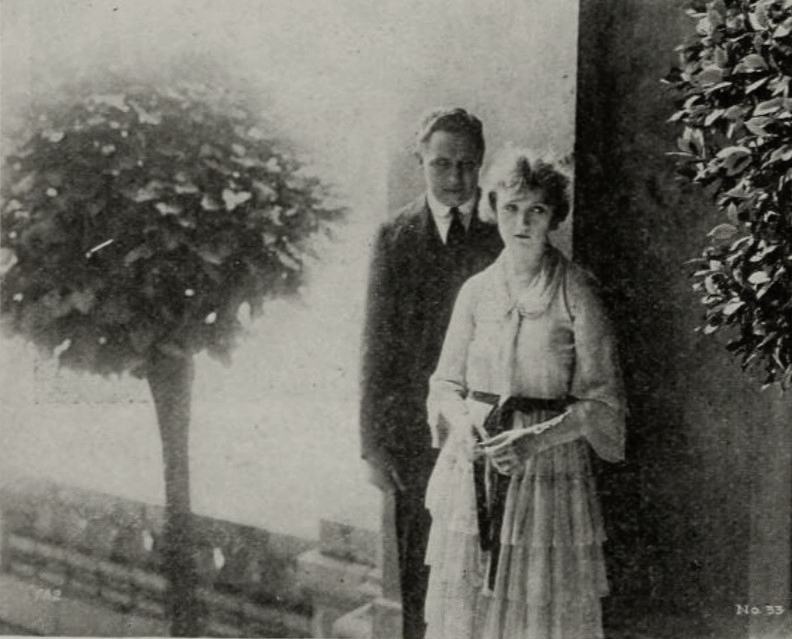
Dalmores has the tougher lift: she must convince us that a woman bred on gilt edges can still taste panic. Watch her pupils in the close-up as she reads Yorke’s final note—how the iris seems to dilate like ink dropped in water. Talmadge, known for lighter fare (Runaway Romany), here plays against type with a clipped baritone swagger; her Pelham grows from amiable accomplice into a man who would burn maps for love. The moment he kidnaps Beatrix—literally slinging her over his shoulder like a sack of contraband diamonds—the film tilts from comedy into something darker, almost The Lion’s Bride in reverse, the captive willing, the captor trembling.
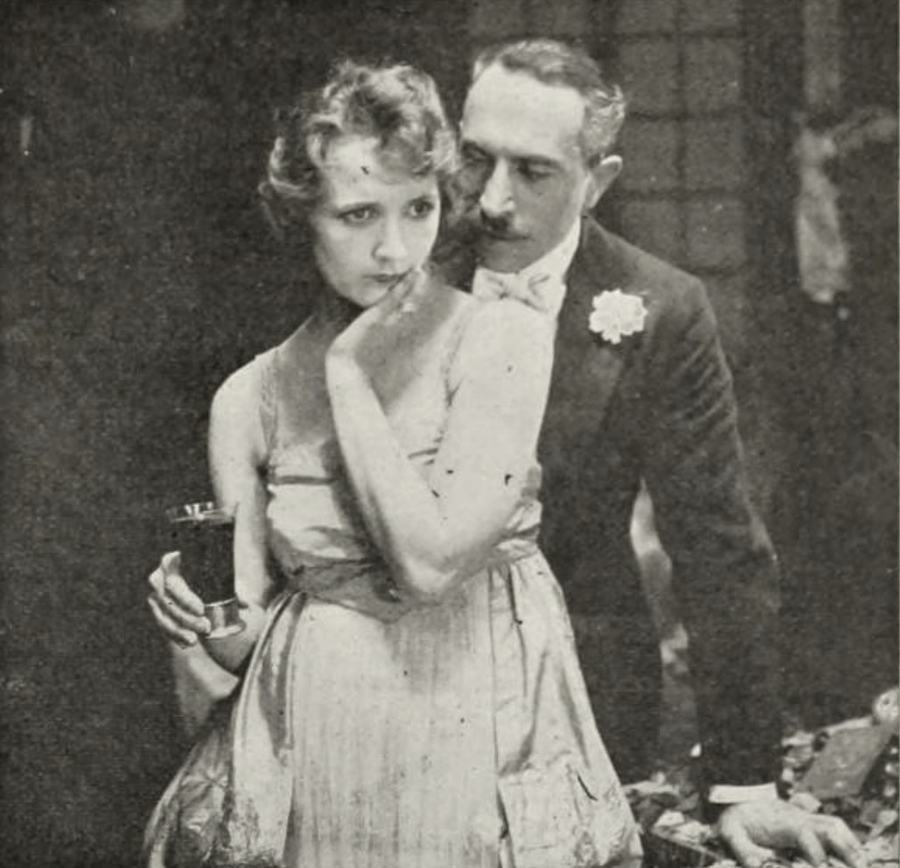
Cinematographer J. Roy Hunt shoots the yacht sequences with a handheld nervousness unusual for 1917; masts sway like metronomes, horizon lines cant diagonally, conveying the queasy impermanence of the couple’s lie. Interiors are all velvet chiaroscuro: Beatrix’s boudoir lit by a single gas jet that turns her hair into molten copper, while Pelham’s study is drowned in sea-blue cigarette haze. The palette is deliberately restricted—ochre, umber, and the occasional arterial red—so that when the final marriage document is signed against a sunrise of tangerine and saffron, the burst of color feels sacramental.
Cosmo Hamilton’s source novel was prized for its aphoristic sparkle; Meredyth’s adaptation retains shards of that wit. One card reads: "Reputation is a china cup; once cracked, the tea of innocence leaks in amber rivulets." Another, over a shot of yawning ocean: "Beyond the three-mile limit, God’s jurisdiction is debated and lovers make their own statutes." These are not mere exposition; they are incantations, suturing image to theme.
Where Shannon of the Sixth used military brass to test virtue, Scandal employs the press. Where Her Double Life weaponized mistaken identity for tragedy, here it is deployed for a brittle comedy that ages into romance. The film’s DNA shares a strand with Stage Struck: both feature women who script their own narratives, then discover the script is parchment in rain.
The last reel is ethically prickly: Pelham literally hauls Beatrix aboard his schooner under cover of darkness, the same vessel that once served as honeymoon decoy. Yet the film grants Beatrix the final close-up—her gloved fingers drumming the rail, a slow smile blooming as the schooner passes the horizon’s last pencil line. Is this Stockholm syndrome or the moment she seizes authorship of the abduction narrative? The ambiguity is deliberate, a dare lobbed at the audience like Yorke’s poison pen letters.
Modern festivals have paired the picture with a new score—piano, muted trumpet, and a glass harmonica whose tremolo mimics the yacht’s creak. The cue beneath the deathbed apology quotes Debussy’s "Syrinx", solitary flute against silence, a choice so anachronistic it weirdly fits, underscoring the film’s insistence that desire is timeless even when corseted by 1917 propriety.
Scandal is not merely a curio for silents completists; it is a scalpel dissecting the marrow of reputation, gender, and the stories we agree to pretend are true. At 67 minutes it is brisk, yet every frame vibrates with subtext. You will emerge blinking into daylight astonished that a film this frank was possible in the year of Birth of a Nation’s shadow. Seek it out, preferably on a rainy afternoon when your own life feels like a china cup. Handle with care—it still cuts.
IMDb —
1915
Community
Log in to comment.