DbcultAccessing Vault...
Cult Review
Senior Film Conservator
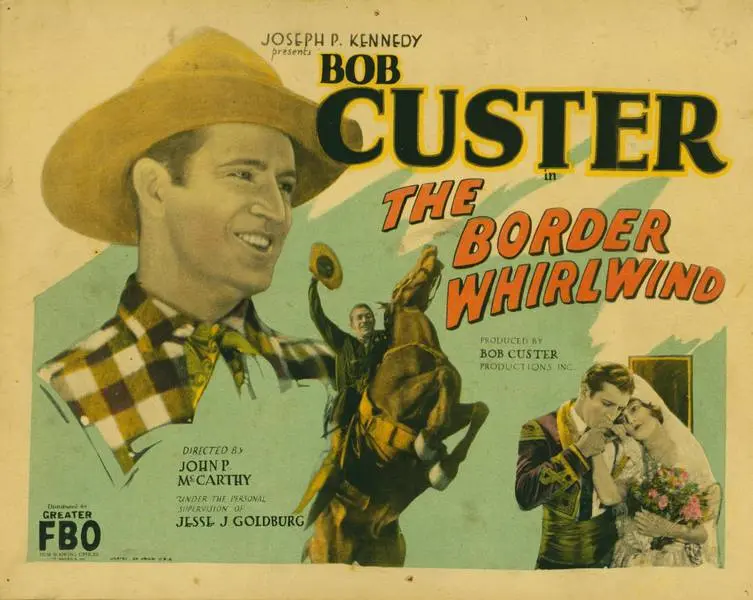
Is "The Border Whirlwind" worth watching today? Short answer: absolutely, but with caveats. This film is a compelling artifact for those who appreciate the foundational grit of early Western cinema and the dramatic tension inherent in tales of frontier justice, yet it might challenge viewers accustomed to modern narrative pacing.
It's a film tailor-made for cinephiles, historians of the Western genre, and anyone curious about the evolution of storytelling in the early 20th century. However, those seeking fast-paced action, complex character psychology by contemporary standards, or a completely unambiguous moral landscape might find its deliberate rhythm and archetypal characters less engaging.
"The Border Whirlwind" is a fascinating journey back to an era where the vast, untamed landscape was as much a character as the human figures who dared to carve out an existence within it. Directed with a clear vision, this film manages to capture a specific kind of raw, almost primal energy that defines the genre's earliest iterations. It’s a testament to the power of simple, yet profound, storytelling.
This film works because it distills the essence of the Western into its most potent elements: a fight for land, the struggle against overwhelming odds, and the emergence of unexpected heroes. The performances, particularly from Winifred Landis, anchor the emotional core, making the stakes feel genuinely high.
This film fails because its pacing, while deliberate and often effective for its time, can feel sluggish by today's standards. Some narrative conveniences, common in early cinema, might also strain modern credulity, particularly in the rapid resolution of complex conflicts.
You should watch it if you have an appreciation for historical cinema, enjoy classic Western tropes, and are willing to immerse yourself in a story that values character resolve over explosive action. It’s a masterclass in how much can be conveyed with limited dialogue and strong visual storytelling.
The ensemble cast of "The Border Whirlwind" delivers performances that are both era-appropriate and surprisingly resonant. Winifred Landis, as Elara Vance, is the undeniable heart of the film. She imbues Elara with a steely resolve that transcends the archetypal damsel in distress, crafting a character who is both vulnerable and fiercely independent. Her scenes facing down Thorne, such as the tense standoff in her father's study, are particularly effective, showing a depth of defiance that many leading ladies of the period struggled to convey.
Bobby Nelson's portrayal of "The Drifter" is a study in understated charisma. His character is a man of action rather than words, and Nelson uses his physical presence and piercing gaze to communicate layers of mystery and intent. One memorable moment sees him simply observing Thorne's men from a distance, a silent sentinel, which speaks volumes about his character's watchfulness and strategic mind. It’s a performance that reminds me of early Clint Eastwood, long before Eastwood himself became a Western icon.
Josef Swickard, as the villainous Silas Thorne, fully embraces the role of the ruthless antagonist. His sneering demeanor and calculating eyes make him a truly detestable figure, providing a clear and present danger that drives much of the plot. Swickard doesn't just play a bad guy; he embodies the encroaching, amoral force of unchecked greed, a common but always effective trope in these narratives. His performance, while perhaps melodramatic by modern standards, perfectly serves the film's dramatic needs.
The supporting cast, including Wilbur Higby as Elara's beleaguered father and the various ranch hands, provide solid background performances that ground the story in a sense of community and shared struggle. Their reactions to the escalating conflict lend authenticity to the dire circumstances, making the world feel lived-in and real. Sally Long and Evelyn Sherman, though in smaller roles, add texture to the social fabric of the border town, often serving as mirrors for the community's anxieties and hopes.
The direction in "The Border Whirlwind" is remarkably assured for its time, demonstrating a clear understanding of how to use the vast landscape to enhance the narrative. The director effectively uses wide shots to establish the isolation and grandeur of the border country, contrasting it with tighter, more intimate framing during confrontations. This visual language is crucial in a film that relies heavily on non-verbal communication to convey emotion and intent.
Cinematography plays a pivotal role, capturing the stark beauty and harsh realities of the frontier. The dusty plains, the rugged mountains, and the sun-baked ranches are not just backdrops; they are active participants in the story. There's a particular sequence involving a cattle drive through a parched canyon that is breathtaking in its scope and danger, showcasing both the skill of the camera operators and the practical effects of the era. This sequence alone elevates the film beyond a simple drama, giving it a visceral edge.
The use of natural light, a necessity in early cinema, is handled artfully, creating dramatic shadows and highlights that underscore the characters' struggles. The visual storytelling is often more potent than any dialogue, a hallmark of well-crafted silent and early sound films. For instance, the way a character's silhouette against a sunset can convey loneliness or determination is a subtle yet powerful technique employed throughout.
Comparing it to contemporaries, the visual ambition here feels more aligned with grander productions like The Ship of Doom than smaller, more contained dramas. The scale of the outdoor sequences is genuinely impressive and remains a highlight, proving that epic storytelling didn't require massive budgets in the way we understand them today.
The pacing of "The Border Whirlwind" is deliberate, a slow burn that gradually builds tension rather than relying on rapid-fire action. This methodical approach allows the audience to immerse themselves in the characters' predicament and the harsh realities of their environment. While some modern viewers might find it slow in its initial acts, the payoff in the climactic sequences feels earned, a testament to its careful construction.
The tone is consistently serious, tinged with a sense of impending dread and the raw struggle for survival. There are moments of quiet reflection, often conveyed through the stoic expressions of the characters, which balance the more dramatic confrontations. The film doesn't shy away from the brutal consequences of lawlessness, yet it always maintains a glimmer of hope, primarily through Elara's unwavering spirit and The Drifter's quiet heroism.
Thematic resonance is where "The Border Whirlwind" truly shines. It explores timeless concepts: the fight for justice against overwhelming power, the definition of home, and the complex morality of a frontier where conventional law often breaks down. The border itself serves as a powerful metaphor for division, danger, and the blurred lines between right and wrong. The film powerfully suggests that true strength comes not from brute force, but from resilience and community.
One particularly striking theme is the role of women in a male-dominated world. Elara Vance is not merely a passive figure; she actively drives much of the narrative, making decisions, taking risks, and standing her ground. This portrayal of female agency, while not entirely revolutionary for its time, certainly feels progressive and adds a layer of depth that many contemporary films often overlooked. It’s a surprising observation, given the often-formulaic nature of Westerns from this period.
Yes, "The Border Whirlwind" absolutely holds value for contemporary audiences, particularly those with an interest in cinematic history and the Western genre. It's not a film that will appeal to everyone, especially those looking for a fast-paced, effects-driven spectacle.
However, for those willing to engage with its historical context and appreciate its narrative craftsmanship, it offers a rich and rewarding experience. The film's portrayal of resilience, its strong characterizations, and its ambitious use of landscape make it a compelling watch.
It works. But it’s flawed. Its deliberate pacing, while a strength for some, will be a barrier for others. Yet, its core message and the solid performances ensure its relevance as a touchstone of early Western filmmaking. It provides a unique window into the anxieties and aspirations of an era grappling with its own identity, reflected in the harsh realities of its borderlands.
"The Border Whirlwind" is a robust and historically significant Western that, despite its age and some pacing issues, offers a compelling look at frontier life and the enduring fight for justice. Winifred Landis delivers a standout performance, anchoring a narrative that is both grand in scope and intimate in its portrayal of human perseverance. It’s a film that demands a certain level of patience and appreciation for its era, but rewards it with genuine dramatic weight and a powerful visual aesthetic. While not without its flaws, its strengths far outweigh them, making it a film that I can confidently recommend to those who cherish the roots of American cinema. It’s a foundational piece, a testament to the power of a well-told story against an epic backdrop.
IMDb 6
1936
Community
Log in to comment.