DbcultAccessing Vault...
6/10
Senior Film Conservator
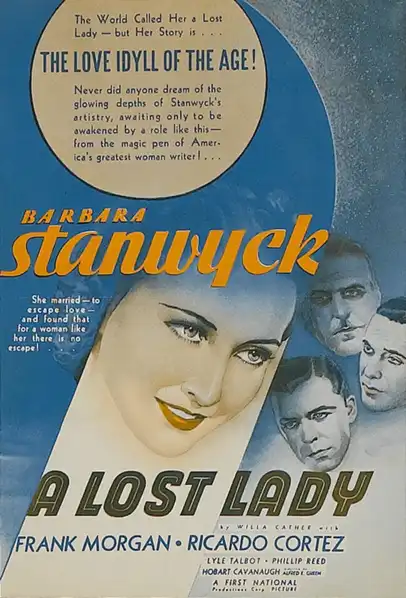
A definitive 6/10 rating for a film that redefined the boundaries of cult cinema. A Lost Lady remains a cornerstone of transgressive art.
If you're a die-hard Barbara Stanwyck fan, you’re going to watch it anyway, and you’ll find plenty to chew on. If you’re looking for a tight, punchy drama from the mid-thirties, though, you might find yourself checking your watch by the second act.
It’s for the people who like watching characters slowly unravel in well-decorated living rooms. If you hate slow-burn domestic stuff, or if you need a hero you can actually root for, you will probably hate this.
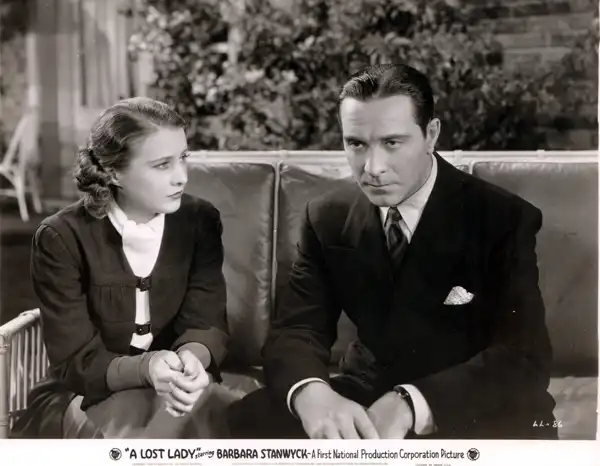
The whole thing kicks off with a death that feels almost too convenient to clear the stage for the rest of the movie. Marian is miserable, and she wears that misery like a fancy coat.
Then she falls off a ledge in the Rockies. It’s a weirdly clumsy moment that feels like the movie is just rushing to get her into the arms of Dan Forrester.
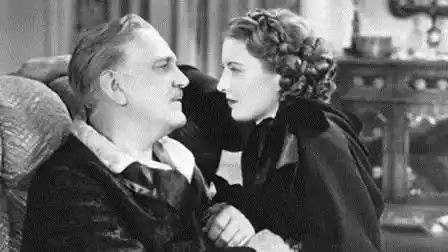
Dan is… nice. Almost too nice. He’s the kind of guy who builds you a country house just because he thinks you might like the view. It’s sweet, but there’s something suffocating about it, isn’t there?
Stanwyck is the only reason this works at all. She plays Marian with this brittle, glass-like quality. You feel like she’s about to shatter every time she has to sit through a dinner with him.
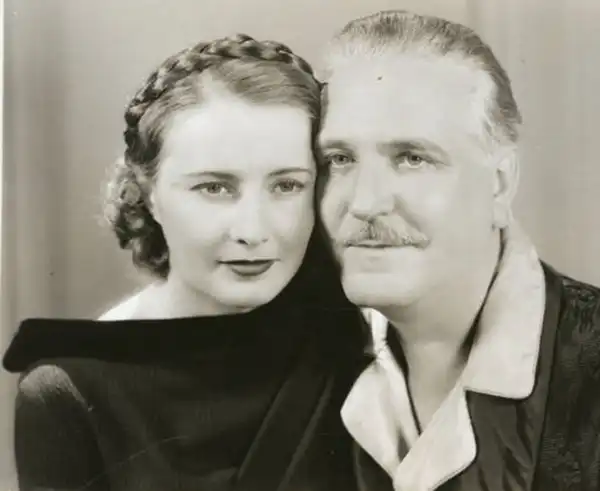
Then Frank shows up. He’s brash, he’s loud, and he’s clearly bad news. The movie spends so much time on him just hanging around that you start to wonder if he’s ever going to actually leave the house.
There’s a scene where they’re just talking, and the camera lingers on her face for way too long. You can see her brain working—she’s bored, she’s lonely, and she’s looking for a way out of that perfect house.
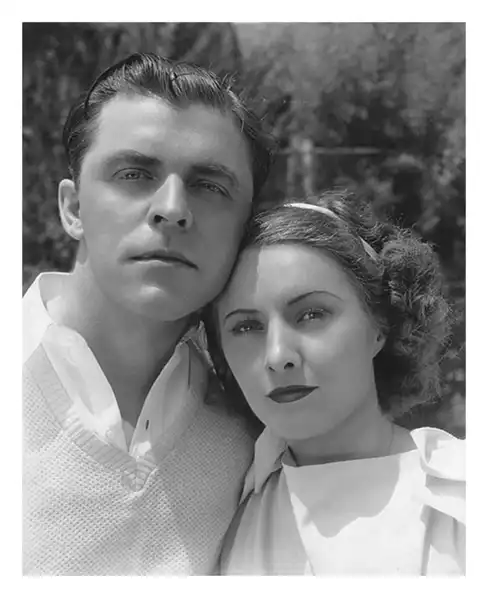
It lacks the sharp, biting energy of some other films from that era, like The Way of a Girl. It feels a bit trapped by its own politeness.
The pacing is a real mess in the middle. The movie stops moving entirely so we can watch them have polite, awkward conversations while sipping tea. It’s not exactly thrilling, but it feels weirdly honest about how stagnant a marriage can get.
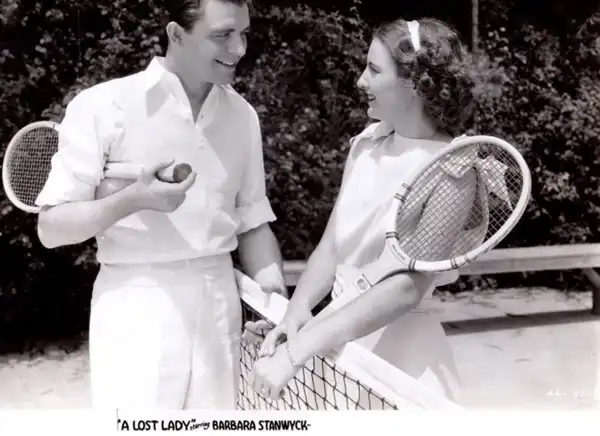
It’s not a masterpiece. It’s not even a great movie, really. But there’s a flicker of something real in the way Marian looks at the door every time Frank knocks.
Maybe it’s just a mood piece. A quiet, slightly depressing look at a woman who realized too late that she didn't actually want the white picket fence after all. 🏚️
IMDb —
1925
Community
Log in to comment.