DbcultAccessing Vault...
Cult Review
Senior Film Conservator
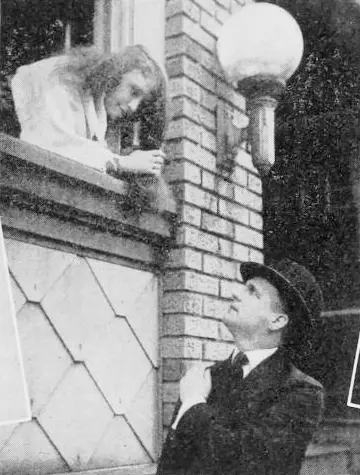
Is 'A Lucky Dog' worth your time in the modern era? Short answer: Yes, but strictly as a museum piece rather than a laugh-out-loud comedy. This film is for the dedicated film historian and the Laurel and Hardy completionist; it is decidedly not for the casual viewer seeking the polished, rhythmic timing the duo perfected in the 1930s.
This film works because it captures a primitive, unrefined energy that is often lost in later, more calculated studio productions. This film fails because its pacing is frantic to a fault, often sacrificing character logic for the sake of a quick physical gag. You should watch it if you want to see the exact moment the most famous comedy duo in history first shared a frame, even if they didn't know it yet.
If you are looking for a cinematic experience that holds up to contemporary standards of narrative depth, you will be disappointed. However, if you view 'A Lucky Dog' as a historical document, it becomes fascinating. It is a window into a world where the rules of screen comedy were still being written by people like Tom Bret and Jimmy Callahan. It is raw, it is occasionally cruel, and it is entirely unique in its lack of polish.
The film lacks the warmth that later defined the duo. Here, Stan is a bit more cynical, and Ollie is a standard-issue villain. Yet, the spark is there. When they interact during the robbery scene, there is a natural push-and-pull that feels more advanced than the surrounding material. It’s a curiosity that demands at least one viewing for anyone serious about the evolution of the medium.
The most striking thing about 'A Lucky Dog' is how unintentional its greatness is. At the time of filming, Stan Laurel was the star, and Oliver Hardy was merely a reliable 'heavy' hired for the day. There was no grand plan to create a comedy team. This lack of intention gives their scenes a bizarre, unfiltered quality. Unlike the more structured narratives found in The Avalanche, this short feels like a fever dream of vaudeville tropes.
The plot, such as it is, serves only to move Stan from one uncomfortable situation to the next. The inclusion of the dog is a classic silent era trope—using an animal to garner sympathy for a character who is otherwise a bit of a loser. We see similar animal-centric dynamics in films like Paws of the Bear, though here the dog is used strictly for physical comedy rather than dramatic tension.
Directorial credit for this era is often murky, but the hand of the producer and writer Tom Bret is visible in the film’s relentless speed. The cinematography is static, which was standard for 1921, but it forces the actors to work harder within the frame. There is a specific moment where Stan is being chased around a park bench that highlights the athletic requirements of silent comedy. It is exhausting just to watch.
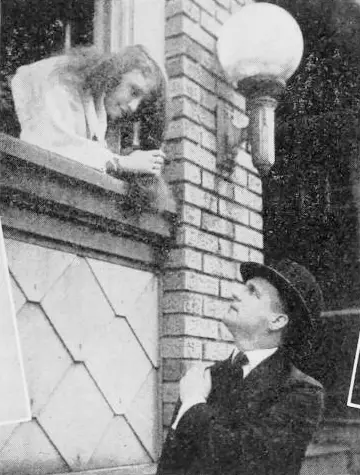
The lighting is flat, and the sets are clearly whatever was available on the lot that day. Compared to the more sophisticated visual storytelling in Kohlhiesel's Daughters, 'A Lucky Dog' feels almost amateurish. But that amateurism is part of its charm. It feels like a group of people making it up as they go along, which is exactly what was happening in the early days of the Sun-Lite Studios.
While history remembers the duo, we must mention Jimmy Callahan. His presence in the film provides a necessary foil to the slapstick madness. He represents the 'straight' world that Stan is constantly disrupting. In many ways, his performance is more grounded than what we see in The Canvas Kisser, providing a baseline of reality that makes the absurd gags land with more impact.
Callahan’s role is often overlooked, but without a solid supporting cast, the lead’s antics would have no context. He plays the frustrated observer with a level of restraint that was rare for the time. It is a subtle performance in a film that is anything but subtle. It reminds me of the character dynamics in Morals for Men, where the social environment is just as important as the individual actors.
One could argue that 'A Lucky Dog' is a biting critique of the class system. Stan’s character is evicted and becomes a vagabond, yet he finds himself at a high-society dog show. The juxtaposition of his poverty with the excess of the wealthy is a recurring theme in silent cinema, also seen in Birthright. When the dog show judges interact with Stan, the comedy comes from his refusal to acknowledge his lower status.
This subtext adds a layer of depth that might not have been consciously intended by Tom Bret, but it is present nonetheless. The robbery scene with Hardy is not just a gag; it is a desperate man being preyed upon by another desperate man. It’s a cynical view of the world, much darker than the whimsical tone of The Golf Bug. It works. But it’s flawed.
Pros:
1. Historical significance that cannot be overstated.
2. Stan Laurel's incredible physical agility is on full display.
3. A short runtime that doesn't overstay its welcome.
Cons:
1. Primitive production values even for 1921.
2. Some of the 'humor' involving animals feels dated and slightly mean-spirited.
3. Lack of the cohesive chemistry that the duo would later develop.
'A Lucky Dog' is a fascinating relic. It is not a 'good' movie by modern standards, nor is it even the best short of its era—films like Pardon Me or The Master Key offer more cohesive narratives. However, its value lies in its status as a 'Patient Zero' for film comedy. Watching Stan Laurel and Oliver Hardy together for the first time is like watching a rough sketch of a masterpiece. It’s messy, it’s loud, and it’s occasionally confusing, but it is undeniably important. Watch it once for the history, then go watch their later work to see how far they came.
IMDb —
1920
Community
Log in to comment.