DbcultAccessing Vault...
Cult Review
Senior Film Conservator
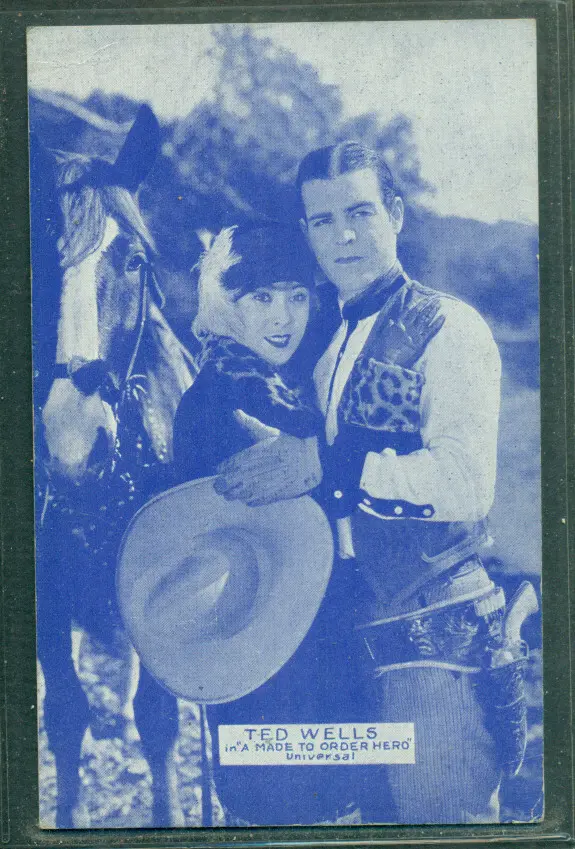
Is 'A Made-to-Order Hero' worth watching today? Short answer: yes, but with significant caveats that speak more to its historical value and thematic boldness than its entertainment factor for a modern, casual viewer. This film is an essential experience for cinephiles, historians, and those fascinated by the early narratives of cinema, offering a window into storytelling techniques that predate synchronized sound.
It is unequivocally for those who appreciate the artistry of silent film, its unique visual language, and the nuanced performances required to convey emotion without dialogue. However, it is decidedly NOT for viewers seeking fast-paced action, complex contemporary narratives, or high-fidelity visual and auditory experiences. If you're new to silent cinema, this might be a challenging entry point, but a rewarding one for the patient.
Early in its runtime, 'A Made-to-Order Hero' establishes a fascinating premise that, for its era, was remarkably prescient. It works because it bravely tackles themes of identity and perception, presenting a protagonist who is less a hero by innate courage and more a product of external design. This allows for a rich subtext on societal expectations and the performance of self.
However, this film fails because its pacing, typical of the period, can feel sluggish to modern audiences, and some narrative beats, while innovative for their time, now appear somewhat simplistic or melodramatic. The lack of detailed character development through dialogue means that much of the emotional heavy lifting relies solely on actor physicality and directorial cues, which at times, are not quite enough to bridge the gap.
You should watch it if you're prepared to engage with a piece of cinematic history, to appreciate the craft of silent storytelling, and to ponder the timeless questions it raises about authenticity and fabricated fame. It’s a reflective experience, not a passive one.
The core narrative of "A Made-to-Order Hero" is deceptively simple yet profoundly resonant. It posits a world, perhaps a small town or a bustling metropolis, where a void for a hero exists. Into this void steps our protagonist, a character not inherently heroic, but one who, through a series of circumstances, is thrust into the role of public idol. This isn't a hero born of spontaneous courage or grand destiny, but rather one meticulously constructed, perhaps by a well-meaning but misguided community, or a cynical manipulator.
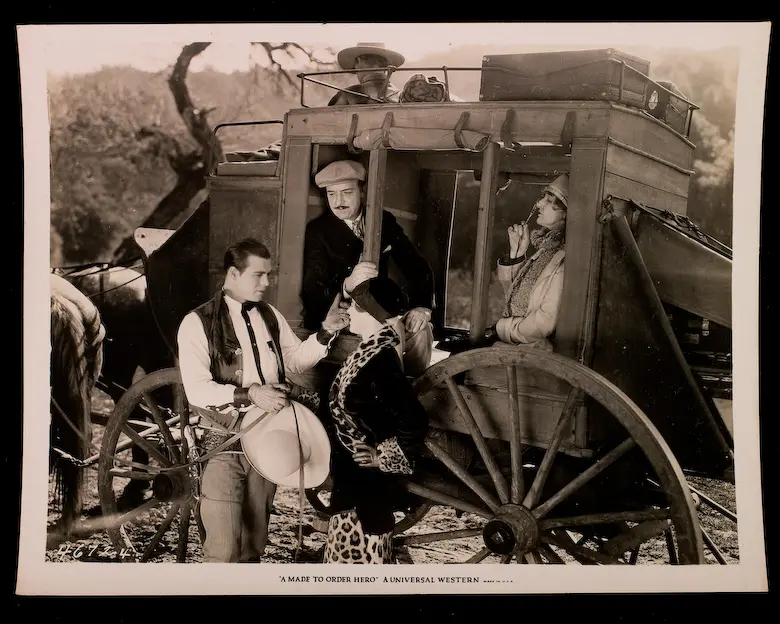
The film, as interpreted from its evocative title, explores the journey of this reluctant figure. Is he a shy clerk, like the one in The Society Bug, suddenly expected to perform feats of daring? Or a common laborer, elevated to a pedestal he never sought? The brilliance lies in the inherent tension between the man he truly is and the larger-than-life persona he is forced to embody. This creates a powerful internal conflict, a silent struggle that must be conveyed through subtle gestures and expressions.
Writers William Berke and Gardner Bradford, even without the benefit of dialogue, manage to craft a story that feels surprisingly contemporary. The idea of a 'made-to-order' hero speaks directly to our modern obsession with celebrity, curated images, and the public's insatiable hunger for larger-than-life figures. The plot, therefore, is less about external action and more about the psychological toll of performance, the pressure to maintain an illusion.
Consider a scene where our hero, Ben Corbett, perhaps in his most iconic role, is expected to resolve a crisis – a runaway carriage, a looming financial disaster, or a social scandal. He is not equipped with innate strength or cunning, but rather with the *expectation* that he will succeed. The tension builds not from the external threat, but from the internal struggle as he desperately tries to fulfill a role he was never meant to play. This is where the film’s silent power truly lies, in the unspoken dread and the forced smiles.
The plot, in its essence, becomes a critique of the very concept of heroism when it's not earned, but assigned. It's a bold stance for a film of its time, daring to question the very archetypes that often dominated early cinema. This reinterpretation of the classic hero journey is what elevates "A Made-to-Order Hero" beyond mere period curiosity.
In silent cinema, the burden of storytelling rests squarely on the shoulders of its actors. "A Made-to-Order Hero" is a testament to the skill of its ensemble, particularly Ben Corbett, who carries the weight of the titular role. Corbett, known for his physicality and expressive face, delivers a performance that oscillates between comedic bewilderment and poignant resignation.
His portrayal of a man thrust into an undeserved spotlight is nuanced, avoiding caricature. One can almost feel his internal struggle as he attempts to project confidence while his eyes betray a deep-seated anxiety. It’s a masterful display of silent acting, where a twitch of a brow or a hesitant gesture speaks volumes more than any intertitle could.
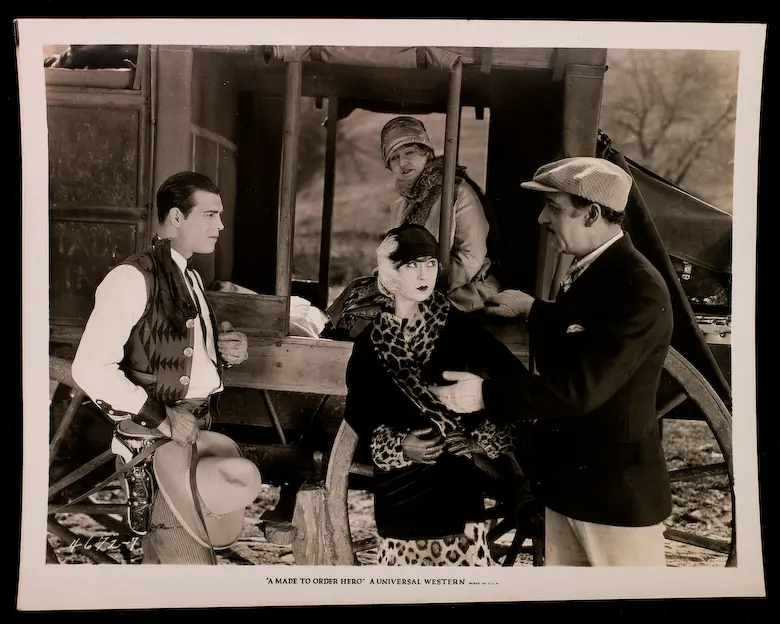
Pearl Sindelar, likely playing the romantic interest or a key supporting figure, provides a crucial counterpoint. Her character, whether she's a believer in the manufactured hero or the one who sees through the facade, adds emotional depth. Sindelar’s ability to convey admiration, suspicion, or eventual disillusionment through subtle shifts in posture and gaze is remarkable. Imagine a scene where her character gazes at Corbett, a flicker of doubt crossing her face as she observes his 'heroic' actions – a powerful moment achieved without a single spoken word.
Gilbert Holmes, Scotty Mattraw, and the rest of the supporting cast contribute to the film’s texture. Their reactions, whether in awe of the 'hero' or skeptical of his sudden rise, create the social fabric against which Corbett's performance unfolds. For instance, Mattraw, often a character actor, might embody the cynical neighbor or the overzealous admirer, each adding to the film's commentary on public perception.
The collective work of this cast ensures that even without sound, the emotional beats are clear. They don’t just act; they emote in grand, often theatrical, fashion, a necessary technique for the medium. This isn't hammy overacting; it's a precise, exaggerated form of communication that, when done well, is incredibly effective. It's a different kind of acting, one that modern audiences need to attune themselves to.
William Berke, at the helm of "A Made-to-Order Hero," demonstrates a commendable understanding of silent film aesthetics and narrative pacing. His direction, while perhaps not as groundbreaking as a Griffith or a Lang, is competent and serves the film's thematic ambitions well. Berke prioritizes clear visual storytelling, ensuring that the audience understands the emotional and plot developments through action and reaction.
Berke's use of camera angles is functional, often employing medium shots to capture the full expressive range of his actors, particularly Ben Corbett. There are moments where a tighter close-up on a character's face, perhaps Pearl Sindelar's, would have amplified an emotion, but the broader framing ensures clarity for the audience, a common practice of the era. He effectively uses parallel editing to build suspense, showcasing the hero's predicament alongside the public's growing expectation.
The pacing, a frequent point of contention for modern viewers of silent films, is deliberate. Berke allows scenes to breathe, giving the audience time to absorb the visual information and the actors' expressions. This isn't a flaw; it's a characteristic of the period. Compare it to the more frantic pacing of some early comedies like The Society Bug, and you see a director making intentional choices to suit his dramatic material.
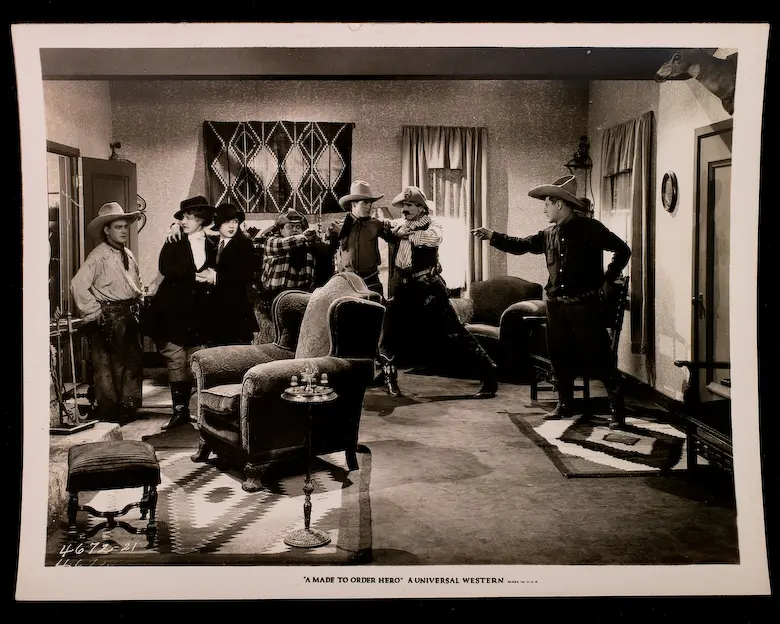
One particular directorial choice that stands out is Berke's reliance on visual metaphors. The hero's public appearances are often staged, almost theatrical, reflecting the 'made-to-order' aspect. He uses crowd shots to convey the mob mentality and individual reactions to highlight the diverse opinions regarding the hero's authenticity. This visual rhetoric is crucial for a film without spoken dialogue.
Berke’s direction successfully balances the comedic potential of a reluctant hero with the underlying drama of his predicament. It’s a delicate tightrope walk, and while the film occasionally leans too heavily on one side, it generally maintains a consistent tone, allowing the audience to empathize with the protagonist's silent struggle.
The visual language of "A Made-to-Order Hero" is crucial to its impact. The cinematography, while perhaps not revolutionary, is effective in establishing mood and enhancing the narrative. Lighting, in particular, plays a significant role, often creating stark contrasts to highlight moments of internal conflict or dramatic revelation. Shadows are used to suggest the hidden anxieties of the protagonist, while bright, almost artificial lighting illuminates his public persona, reinforcing the theme of a constructed image.
The art direction, too, contributes to this illusion. Sets are designed to serve the story, often appearing grander or more opulent for the public-facing aspects of the hero's life, contrasting sharply with the more humble or cluttered environments that might represent his true self. This visual dichotomy is a powerful tool in conveying the film's central message without words. Imagine the hero standing on a lavish stage, bathed in spotlights, while a quick cut reveals his cramped, ordinary dwelling – a potent visual metaphor.
Costume design also plays its part. The hero's 'uniform' or public attire is likely crisp, tailored, and perhaps even slightly exaggerated, signaling his status as a manufactured idol. This contrasts with his more comfortable, perhaps slightly worn, personal clothing. These visual cues are not merely decorative; they are integral to the storytelling, guiding the audience's understanding of the character's dual existence.
While the film doesn't boast the sweeping vistas or avant-garde techniques of some contemporary works like Le réveil, its visual choices are deliberate and purposeful. They create a believable world, even if that world is designed to expose a lie. The overall aesthetic supports the narrative's exploration of authenticity versus artifice, making the visual experience an active participant in the critique rather than a passive backdrop.
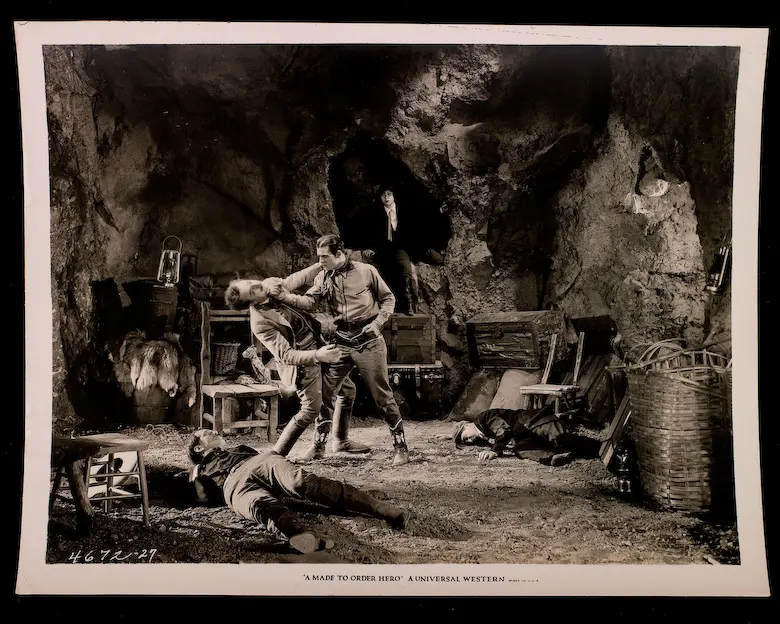
The film's visual style, therefore, is not merely functional but contributes significantly to its thematic depth. It's a testament to the fact that even in early cinema, thoughtful production design and cinematography could elevate a straightforward premise into a compelling commentary.
Yes, 'A Made-to-Order Hero' is absolutely worth watching today, especially for specific audiences. Its value lies in its historical significance and its surprisingly modern themes.
The film offers a unique perspective on early 20th-century storytelling. It showcases the expressive power of silent film acting. Moreover, its exploration of manufactured fame and public image remains incredibly relevant in our social media-driven world.
It's a challenging watch for some, requiring patience and an appreciation for a different cinematic language. But for those willing to engage, it provides a rich, thought-provoking experience. It's not just a relic; it's a conversation starter.
The pacing of "A Made-to-Order Hero" is characteristic of its era, often feeling deliberate and expansive compared to the rapid-fire editing of modern cinema. This is not a detriment but an inherent quality that demands a different viewing sensibility. Scenes are allowed to unfold, giving the audience ample time to observe the nuances of performance and the details of the set design.
This measured pace allows the underlying thematic weight to sink in. The protagonist's internal struggle, the slow build-up of public expectation, and the eventual unraveling of the illusion are all served by this unhurried rhythm. While some might find it slow, I argue it's essential for the film's contemplative nature. It forces engagement.
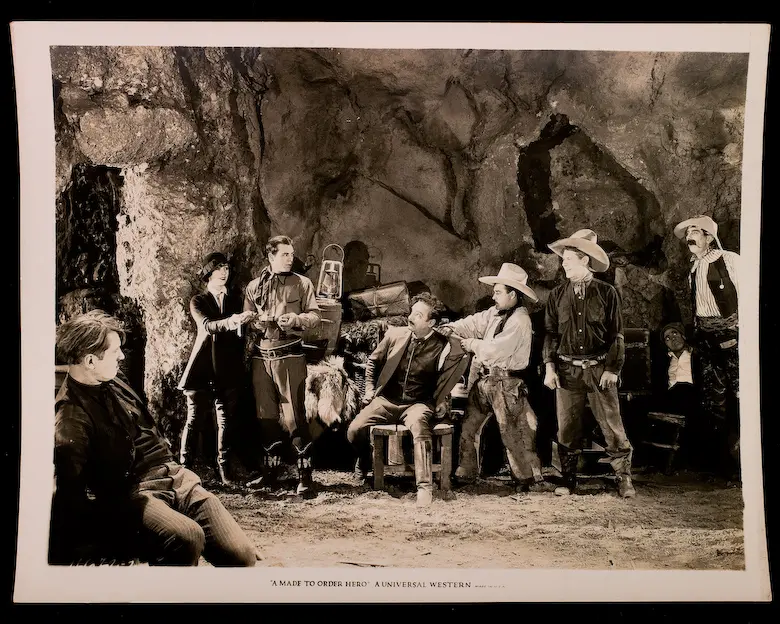
The tone of the film is a fascinating blend. It possesses elements of light comedy, particularly in the awkward situations the 'hero' finds himself in, but it’s underpinned by a pervasive sense of dramatic tension and social critique. This tonal ambiguity is one of its strengths. It prevents the film from becoming a simple farce or an overly heavy drama, instead occupying a nuanced middle ground.
There are moments of genuine pathos, particularly as Ben Corbett's character grapples with the burden of his manufactured identity. These emotional beats are carefully orchestrated, often following moments of comedic relief, creating a dynamic viewing experience. The film never fully commits to one genre, allowing its central theme to resonate across different emotional registers.
This delicate balance of pacing and tone is a testament to the filmmakers' understanding of their story. They knew that a subject as complex as manufactured heroism required a nuanced approach, one that didn't rush to judgment but allowed the audience to experience the protagonist's journey with all its inherent contradictions.
What truly elevates "A Made-to-Order Hero" beyond a mere historical curiosity is its startling, almost prophetic, relevance to contemporary society. In an age dominated by social media, curated personas, and instant celebrity, the film's central premise feels less like a period piece and more like a direct commentary on our current cultural landscape. We are constantly witnessing the creation of 'heroes' – influencers, viral sensations, political figures – whose public images are meticulously crafted, often bearing little resemblance to their authentic selves.
My unconventional observation is that this film, despite its silent-era origins, is arguably *more* relevant today than it was at its release. The film implicitly asks: how much of what we admire is genuine, and how much is a performance designed to meet our expectations? This question has only intensified in the digital age, where anyone can become a 'made-to-order' figure with the right filters and algorithms. It’s a brutal truth. The film foreshadowed our current reality.
The film takes a strong stance, suggesting that true heroism cannot be fabricated. While it might be possible to construct an image, the internal cost to the individual, and the eventual disillusionment of the public, are inevitable. This is a debatable opinion, as some might argue that the 'performance' of heroism can inspire, regardless of its origin. However, "A Made-to-Order Hero" leans heavily towards the idea that authenticity, however messy, is paramount.
The film's critique of societal gullibility and the media's role in creating and sustaining myths is also remarkably potent. It reminds us that the hunger for a savior can often blind us to the humanity, and indeed the ordinariness, of the person placed on the pedestal. This theme resonates strongly in an era of polarized public discourse and the constant search for figures to either idolize or demonize. It’s a mirror, reflecting our own desires and shortcomings.
"A Made-to-Order Hero" is more than just a historical artifact; it's a surprisingly sharp critique of societal expectations and the performance of identity. It works. But it’s flawed. While its silent-era sensibilities demand a certain level of patience, the film's enduring themes and committed performances make it a rewarding, thought-provoking watch for those willing to engage with its unique cinematic language. It's a film that asks us to look beyond the surface, a message that echoes even louder today.
IMDb 7.2
1930
Community
Log in to comment.