DbcultAccessing Vault...
Cult Review
Senior Film Conservator
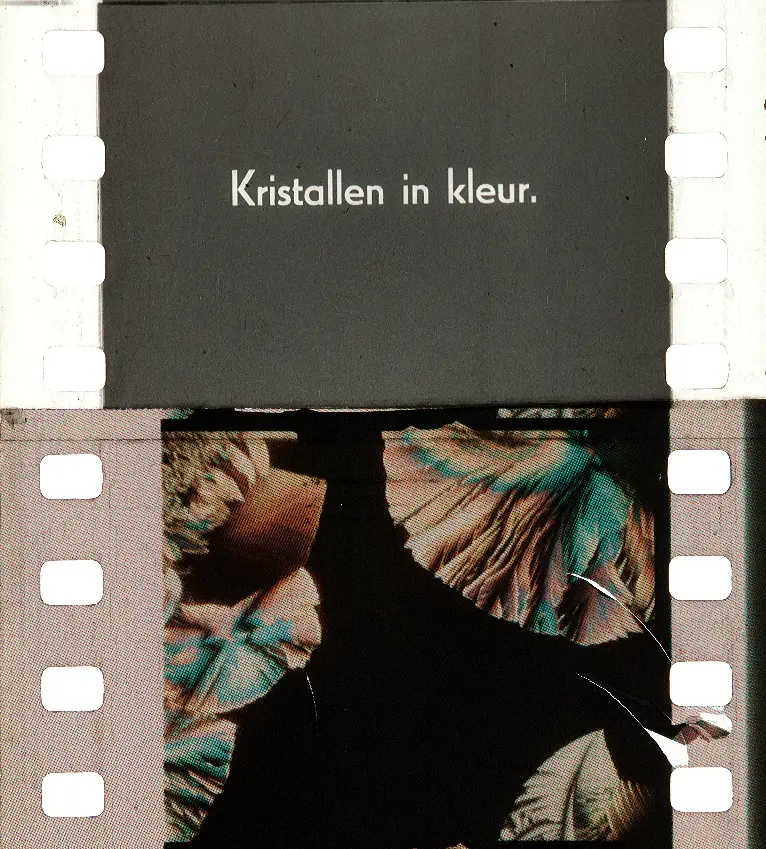
Is 'From the Realm of the Crystals' a cinematic ghost worth pursuing today? Short answer: yes, but only for a very specific kind of audience.
This is not a film for casual viewers seeking clear narratives or polished productions; it is, instead, a fascinating, if sometimes frustrating, archaeological dig for those obsessed with the fringes of early cinema, experimental artistry, and the profound mystery of lost works.
To review a film like “From the Realm of the Crystals” is to engage in an act of speculative archaeology. We are presented with a title, a single credited performer in J.C. Mol, and little else. No plot synopsis, no director, no writers beyond the void. This isn't just a challenge; it's an invitation to confront the very nature of film criticism itself when the object of critique is largely theoretical. What does one evaluate when the film, in its tangible form, is a whisper?
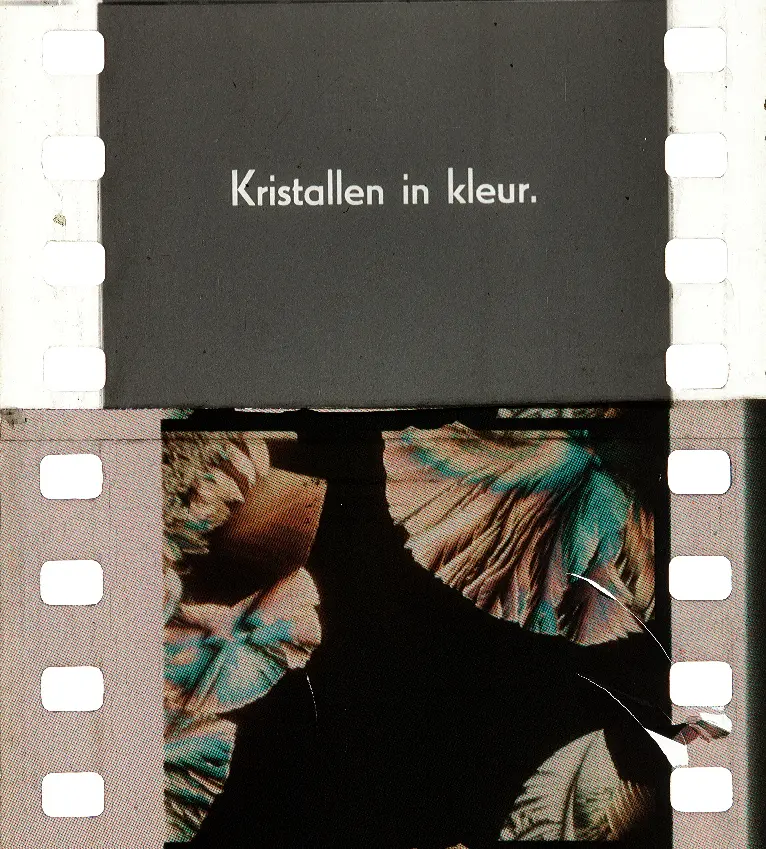
Yet, the title alone, “From the Realm of the Crystals,” is a potent narrative trigger. It conjures images of fantastical landscapes, scientific exploration, spiritual journeys, or perhaps even an abstract ballet of light and form. It speaks of an era when cinema was still finding its voice, often experimenting with visual spectacle and thematic ambiguity before the conventions of narrative storytelling became firmly entrenched. This film, or the idea of it, exists in that exciting, untamed frontier.
This film works because: It acts as a powerful thought experiment, a compelling void that forces us to confront the nature of cinematic preservation, the impact of a title, and the enduring allure of the unknown. Its very existence, however fragmented, sparks imagination and academic curiosity, making it a unique entry point into discussions about the history and potential of early experimental cinema.
This film fails because: As a conventional viewing experience, it inherently falls short due to the profound lack of accessible narrative, visual, or contextual information. It cannot deliver a traditional story, character development, or even a clear thematic statement, leaving most viewers without the fundamental elements typically expected from a film.
You should watch it if: You are a film historian, an archivist, a student of experimental art, or simply a cinephile who finds beauty and intrigue in the gaps and silences of cinema's past. It's an experience for those who appreciate the journey of discovery as much as, if not more than, the destination.
The critical challenge here is not to lament what we don't know, but to celebrate the potential of what might have been, and to analyze the impact of that potential. The title itself suggests a departure from the mundane, hinting at a world beyond our immediate grasp. It evokes the kind of ethereal, almost spiritual cinema that occasionally emerged in the early 20th century, seeking to capture the ineffable.
One can imagine a film influenced by the nascent spiritualism or scientific fascinations of its era, perhaps an exploration of geological formations imbued with mystical properties, or a journey into the microscopic world of crystal structures made grand and alien. The single name, J.C. Mol, listed in the cast, only deepens the mystery. Was Mol the sole performer, carrying the entire weight of this 'realm' on their shoulders? This would imply a highly stylized, possibly abstract, or even a performance art piece, much like certain avant-garde works that emerged decades later.
Consider the silent era's reliance on visual storytelling. Without dialogue, expression and movement became paramount. If J.C. Mol was the singular focus, their performance would need to be incredibly compelling, perhaps akin to the expressive dance of Asta Nielsen in Vampyrdanserinden, albeit in a vastly different thematic context. The very idea of a solo journey into a 'realm of crystals' demands a powerful, non-verbal presence capable of conveying wonder, fear, or profound understanding through gesture alone.
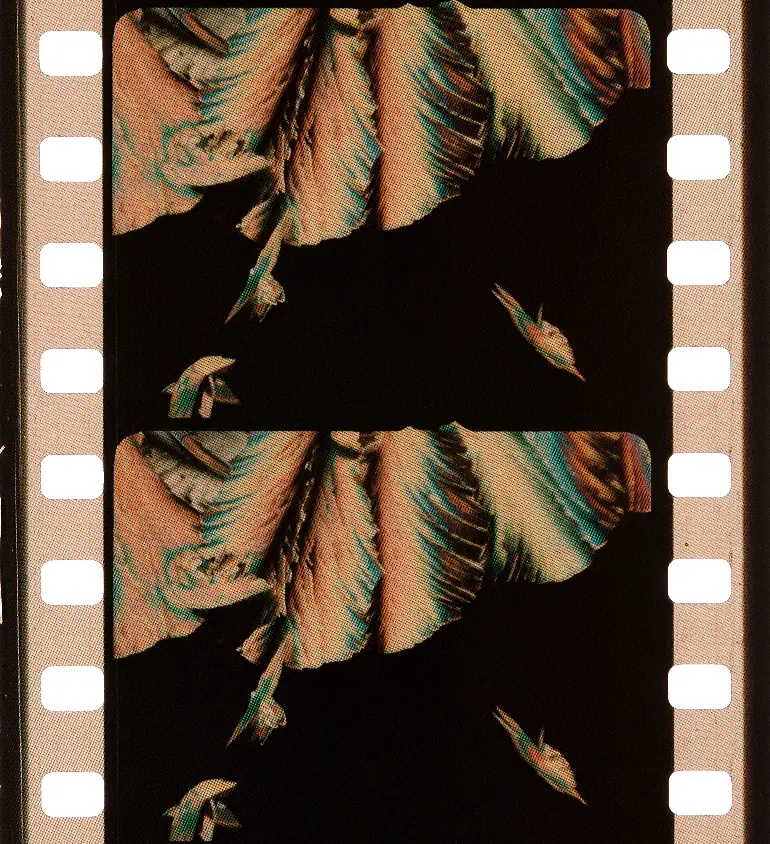
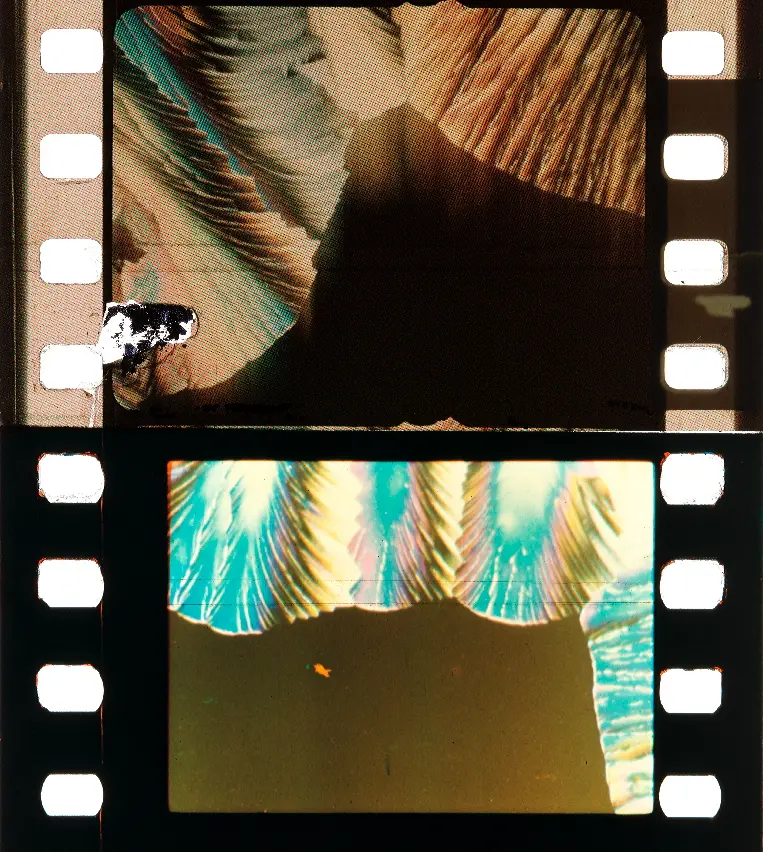
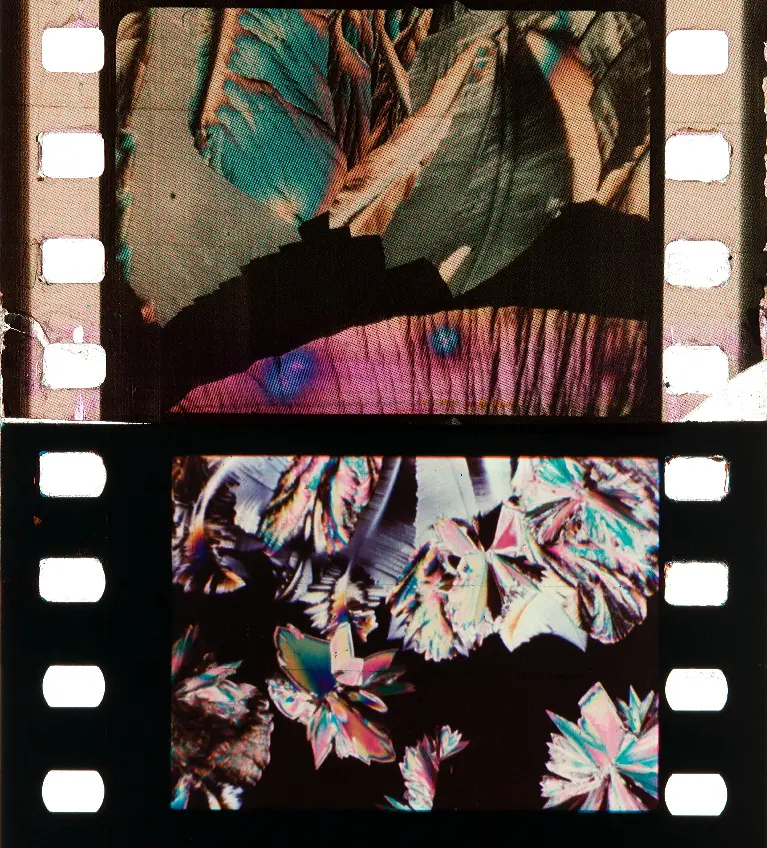
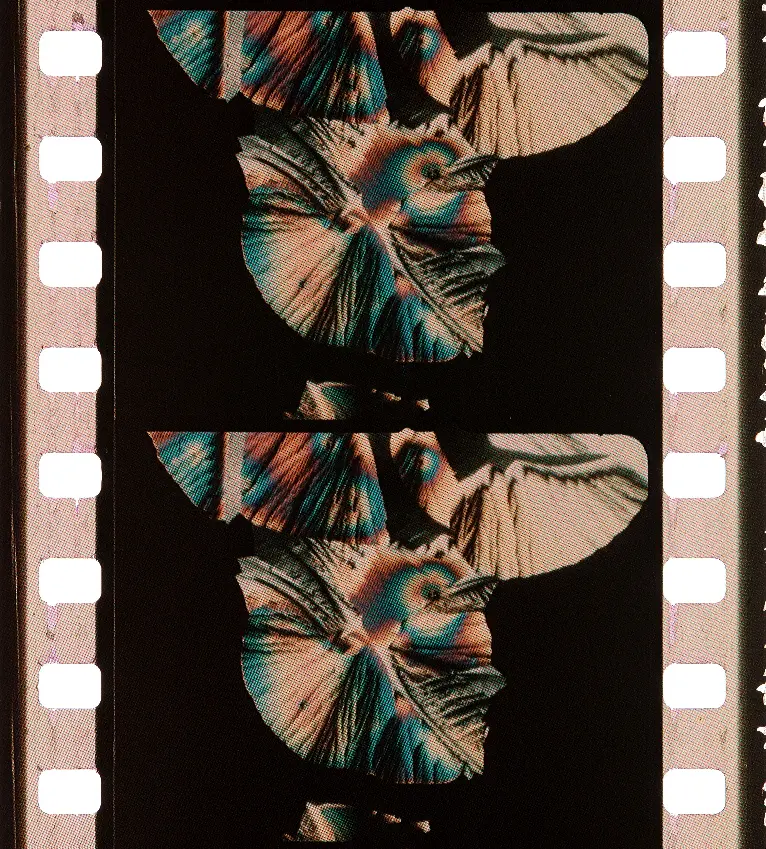
Without a director's name, we're left to infer the guiding hand behind such a project. The title suggests a visionary, someone willing to push the boundaries of what early cinema could depict. Imagine a director striving for groundbreaking special effects for the time. This could involve intricate set designs that mimicked crystalline structures, achieved with glass, mirrors, or even painted backdrops designed to refract light in dazzling ways. The use of early color tinting or hand-painting on individual frames could have been employed to amplify the otherworldly glow of these imagined crystals, creating a visual feast unheard of in its time.
Cinematography would likely have been the star. To bring a 'realm of crystals' to life, a cinematographer would need to be an innovator. Think of the experimental lighting techniques that could have been used to create shimmering, ethereal effects, or the use of multiple exposures to suggest depth and complexity within these imagined crystalline landscapes. The camera itself might have been used to create subjective experiences, moving through the 'realm' as if from the perspective of an explorer, much in the way early pioneers like Georges Méliès used the camera to transport audiences to fantastical worlds, albeit with more narrative grounding than this film seems to offer.
The sheer ambition implied by the title, even if only realized on a modest scale, speaks volumes about the creative spirit of early cinema. It was an era where the medium itself was a marvel, and filmmakers were still discovering its grammar and potential. It works. But it’s flawed. Flawed not by its execution, which we cannot judge, but by its very inaccessibility.
Given the abstract nature suggested by the title, one might speculate on a meditative, perhaps even dreamlike, pacing. A film exploring a 'realm' of crystals might eschew rapid-fire narrative beats for a slower, more immersive experience, allowing the audience to absorb the visual artistry and ponder the philosophical implications. This would align with certain early experimental films that prioritized atmosphere and visual poetry over strict plot progression.
The tone could range from awe-struck wonder to eerie mysticism, or even scientific curiosity. A 'realm' implies a distinct, perhaps self-contained, world. Is it benevolent or hostile? A place of enlightenment or entrapment? The single performer, J.C. Mol, would have been key in conveying this through their emotional journey, if a journey was indeed part of the film's structure. Without a narrative, Mol’s expressions and physical presence would have been the primary conduit for the film’s emotional resonance.
Thematic possibilities are abundant. Perhaps it was an allegory for the human soul's journey, an exploration of inner landscapes, or a commentary on the beauty and fragility of the natural world. In an era fascinated by the unseen forces of nature and the burgeoning fields of geology and physics, 'crystals' could represent both scientific marvel and spiritual purity. It’s an unconventional observation, but the film's greatest strength might actually be its non-existence in a traditional sense, forcing a more active, imaginative engagement from the viewer than many fully preserved, yet uninspired, films ever could.
For the vast majority of filmgoers seeking entertainment, plot, or character, the answer is a resounding no. This film, in its current state of near-total obscurity, cannot deliver on those expectations. It is a cinematic riddle without a clear solution, a ghost in the machine of history.
However, for the dedicated cinephile, the academic, or the artist fascinated by the medium's origins and its lost possibilities, it is absolutely worth 'watching' – or rather, worth contemplating and researching. The very act of attempting to piece together its potential existence is a profound cinematic experience in itself. It’s a journey into the limits of historical documentation and the boundless nature of artistic interpretation.
This film exists as a powerful reminder of the ephemeral nature of art and the crucial work of film preservation. It’s a piece that demands imagination, historical context, and a willingness to embrace the unknown. For those who enjoy such intellectual and historical pursuits, 'From the Realm of the Crystals' offers a unique, albeit abstract, reward. It’s a bold statement, but the very act of attempting to review "From the Realm of the Crystals" is a more profound cinematic experience than watching many well-documented, yet uninspired, films.
“From the Realm of the Crystals” is not a film you watch; it's a film you ponder. It's a testament to the enduring power of a title, a single name, and the vast, unrecorded history of cinema. While it fails spectacularly as a conventional piece of entertainment, its success lies in its existence as an intellectual provocation, a catalyst for historical reflection and imaginative exploration. It exists. Barely. And in that bare existence, it offers a unique, if challenging, gift to the most dedicated of cinephiles. Seek it out not for its story, but for the story it forces you to tell yourself, about cinema, about memory, and about the beautiful, crystalline fragments of art that time inevitably scatters.
IMDb —
1922
Community
Log in to comment.