DbcultAccessing Vault...
Cult Review
Senior Film Conservator
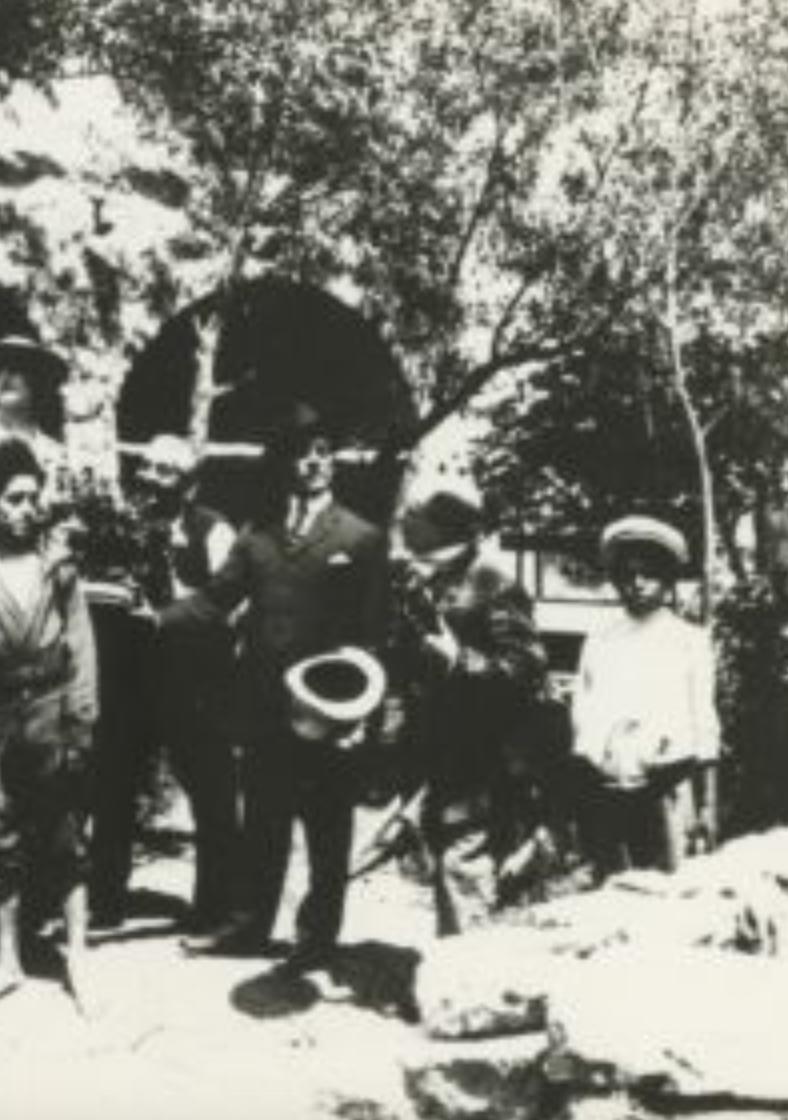
The first time I saw A mala nova I walked out convinced that Naples itself had been smuggled onto the celluloid—its humidity, its clamor, its sulfuric dusk—while the projector wasn’t looking. Elvira Notari, matriarch of Italian popular cinema, doesn’t merely film the city; she lets it seep, like over-steeped espresso, until every frame trembles with caffeine and vendetta.
Restored last year by Cineteca di Napoli from a nitrate negative discovered wedged behind a convent wall, the picture now tours arthouses in a 2K DCP that still smells faintly of saltwater and incense. Watching it again last night, I jotted notes on the back of a pizza receipt because the images arrived faster than my thumbs could type: a kid in a flat cap licking blood off a switchblade; Angione’s bobbed hair catching moonlight like obsidian silk; the suitcase—always the suitcase—thudding down stone steps like the heartbeat of something half-dead.
Unlike the expressionist labyrinths of Die Gespensteruhr or the orientalist fantasias of Die Königstochter von Travankore, Notari’s Naples is neither caricature nor postcard. It is a breathing organism whose pores ooze diesel and rosary wax. Cinematographer Oreste Tesorone (also playing the chief henchman with a scar shaped like Mount Vesuvius) shoots narrow alleys at Dutch angles so extreme the buildings seem to lean in, eavesdropping on their own decay.
Consider the sequence where Gennariello tails a cocaine courier through the mercato at dawn. Vendors gut sardines; a priest haggles for contraband chocolate; steam from a street cart fogs the lens until the Commissioner’s silhouette dissolves into the crowd, becoming both pursuer and pursued. The camera doesn’t cut—it breathes, inhaling smoke, exhaling panic. You taste the metallic sting of anchovy air, feel cobblestones through worn soles. This is noir before noir had a passport.
History books trumpet Notari as pioneer, but they forget to mention she was also star-maker. Rosè Angione, discovered while selling contraband cigarettes outside Teatro Bellini, has the feral grace of a woman who has already died once and came back with better lipstick. As Mariuccia, the smuggler’s widow who negotiates her survival one flirtation at a time, she toggles between girlish giggles and the thousand-yard stare of a war orphan.
In a bravura tavern scene she performs a tammurriata on a tabletop, castanets clacking like ricocheting bullets. Every male gaze swivels toward her, but watch her eyes—darting, calculating, already halfway out the door. It’s a metaphor for the film itself: sensuality weaponized into exit strategy. When she finally betrays Gennariello, she doesn’t apologize; she simply adjusts her beret, the feather slicing the air like a signature on a death warrant. Compare this to the marble-martyr heroines of Her Life for Liberty or the sacrificial mothers in Slave of Sin, and you realize how revolutionary Notari’s women are: they sin, they live, they sometimes even win.
Plot-wise the valise functions like the railway locker in Through the Wall—everybody wants it, nobody quite knows why. Inside it passes from forged documents to a single blue baby shoe soaked in blood, culminating in that cracked mirror I mentioned earlier. When Gennariello stares into it, his reflection fractures into three selves: the lawman, the complicit, the damned. In a medium close-up held for an eternity, Tesorone racks focus so that the mirror shard in the foreground and the Commissioner’s eyes align: a visual confession that justice and guilt are Siamese twins.
Sound-on-film was still two years away, yet Notari orchestrates a symphony of off-screen noises—ship horns, Vesuvius rumbling, the shrill of a tram bell—imagined so vividly you swear you hear them. Critics who reductively label the film “proto-noir” miss its modernist nerve: the story is told in negative space, in the things you almost hear.
Intertitles, usually the driest part of silent cinema, here drip with Neapolitan dialect and anarchic wit. When a gangster quips, “Heaven is closed for renovations—try hell, half-price before midnight,” the line went viral on Italian streets months before the film premiered. Bovio, a songwriter who moonlighted as screenwriter, understood that criminal argot is just love poetry with a knife taped to it. Each title card arrives in handwritten font resembling ransom notes, colored deep sea-blue (#0E7490) against tobacco-stained parchment. The effect is hallucinatory; you half expect the words to leap off screen and pick your pocket.
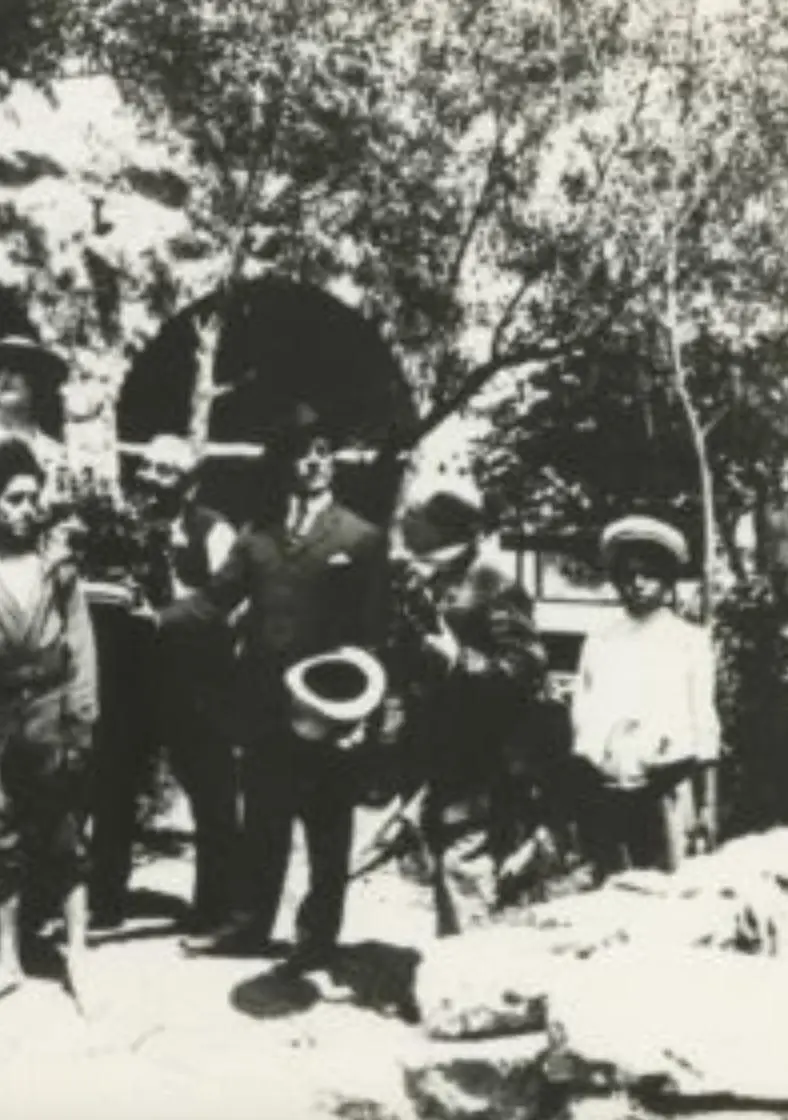
Where American noir of the forties punished sexually autonomous women, A mala nova lets them negotiate power and pay the fare when the bill arrives. Mid-film, Mariuccia seduces a port official (Eduardo Notari, the director’s husband, playing a corpulent satyr) inside a customs shed stacked with confiscated cathedral icons. As saints gilded in flaking gold leaf look on, she straddles him, whispering contraband routes between kisses. The scene is erotic yet transactional, a business meeting with lingerie. When she later sells him out to the cops, the movie refuses to moralize; betrayal is just another currency devalued by inflation.
This moral fluidity links the film to the continental fatalism of Chernaya lyubov and the karmic doom of Gengældelsens ret, yet Notari’s gaze is too mischievous for tragedy. Even at its bloodiest, the film winks at you through the gore.
The new restoration scrubs away decades of mildew but keeps the cigarette burns like beauty marks. Grain swarms candlelit faces until pores become topographies; you could navigate Naples by the geography of a cheekbone. The tinting follows a Neapolitan flag palette: sulfur-yellow for daytime hustle, cobalt for nights, lava-red for violence. During the climactic dock shootout, frames were hand-painted crimson one by one—21,600 of them—so blood seems to drip off the sprockets. The photochemical aroma that hits you when the projector lamp heats the polyester is, I swear, part diesel, part incense, part clandestine desire.
Fast-forward a century and you can spot Notari’s DNA in the frantic Steadicams of Gomorrah, in the matriarchal savagery of Lost Girls, even in the toxic glamour of Uncut Gems. Yet few descendants match her tonal tightrope: the way she balances farce and felony, opera and gutter.
Compare it to the manic slapstick of Like Wildfire or the orientalist swashbuckling of Sinbad, the Sailor, and you realize how ahead of her moment Notari was: she anticipated the Italian giallo, the French polar, the American noir, stitching their future DNA into a single kinetic fresco.
Even masterpieces limp. The subplot involving a British insurance adjuster (The Fatal Fortune alumni in cameo) feels shoehorned to secure foreign distribution, and the final moralistic intertitle about “the triumph of law” rings tinny after 80 minutes of gleeful lawlessness. But these are fleas on a leopard—annoying yet forgettable once the beast starts sprinting.
Because it rewrites the origin myth of crime cinema. Because it contains the first recorded dolly-in on a man’s realization that he is the villain of his own story. Because Rosè Angione’s wink at the camera is the proto-feminist missile early cinema deserved but rarely launched. Because that suitcase, once opened, will follow you home and rattle in your closet at 3 a.m., reminding you that every object carries the weight of who touched it, who bled on it, who loved it.
Seek the nearest retrospective, bribe the projectionist for the reel change times, bring friends who think they’ve seen everything. When the lights rise, Naples will stay with you—its sweat, its mandolins, its unpayable debts—folded neatly inside your own luggage, waiting for customs of the conscience.
Score: 9.5/10 – a molotov cocktail wrapped in moiré silk, still smoking a hundred years after the fuse was lit.
IMDb 4.9
1934
Community
Log in to comment.