A definitive 6.1/10 rating for a film that redefined the boundaries of cult cinema. Le p'tit Parigot remains a cornerstone of transgressive art.
Is Le p'tit Parigot worth watching today? Short answer: absolutely, if you appreciate the intricate melodrama of early French cinema, though it demands patience. This film is a must-see for silent film aficionados, historians of French culture, and those who enjoy a complex narrative driven by social conflict and personal betrayal. However, viewers accustomed to modern pacing or seeking light entertainment will likely find its deliberate tempo and theatrical conventions challenging.
Henri Decoin’s 1926 silent drama is more than just a historical curiosity; it’s a vibrant, if sometimes ponderous, exploration of class, honor, and forbidden love that still holds a mirror to human nature. It works. But it’s flawed. The film’s ambition is palpable, attempting to weave together a love triangle, a class struggle, and a thrilling sports narrative, all against the backdrop of a rapidly modernizing Paris.
This film works because of its intricate plot, strong character archetypes, and a fascinating window into 1920s French social mores.
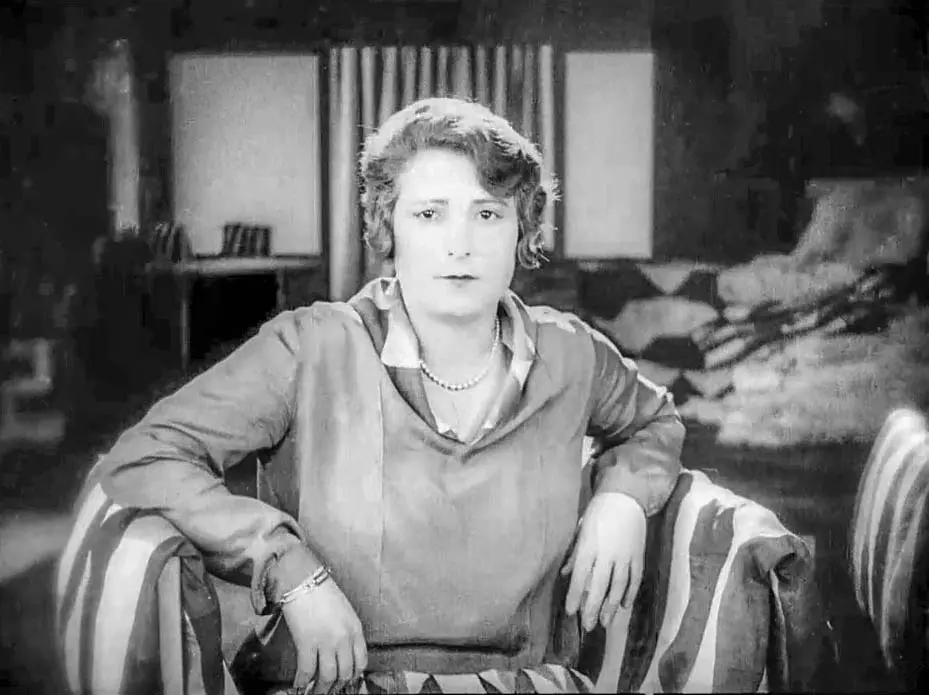
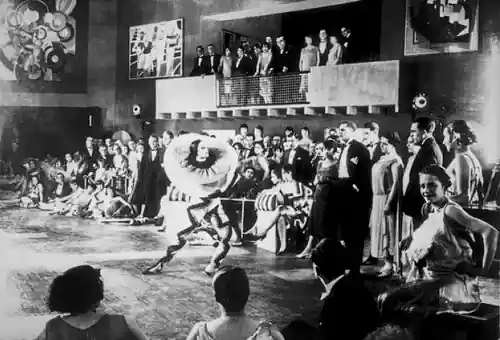
Scene from Le p'tit Parigot
Cinematic perspective: Exploring the visual vocabulary of Le p'tit Parigot (1926) through its definitive frames.
This film fails because its pacing can be glacial, some melodramatic elements feel dated, and the resolution, while dramatic, might strain modern credulity.
You should watch it if you're prepared for a deep dive into historical cinema and appreciate a story where personal drama intersects with societal pressures.
A Tale of Two Worlds: The Plot Unpacked
At its heart, Le p'tit Parigot is a story of rebellion and consequence. Georges Grigny-Latour, played with a compelling blend of youthful defiance and inherent nobility by André Dubosc, is a man torn between two worlds. The son of an academician and a celebrated captain of the French football team, Georges deliberately rejects his family's aristocratic expectations, choosing instead the honest, if humble, life of a mechanic.
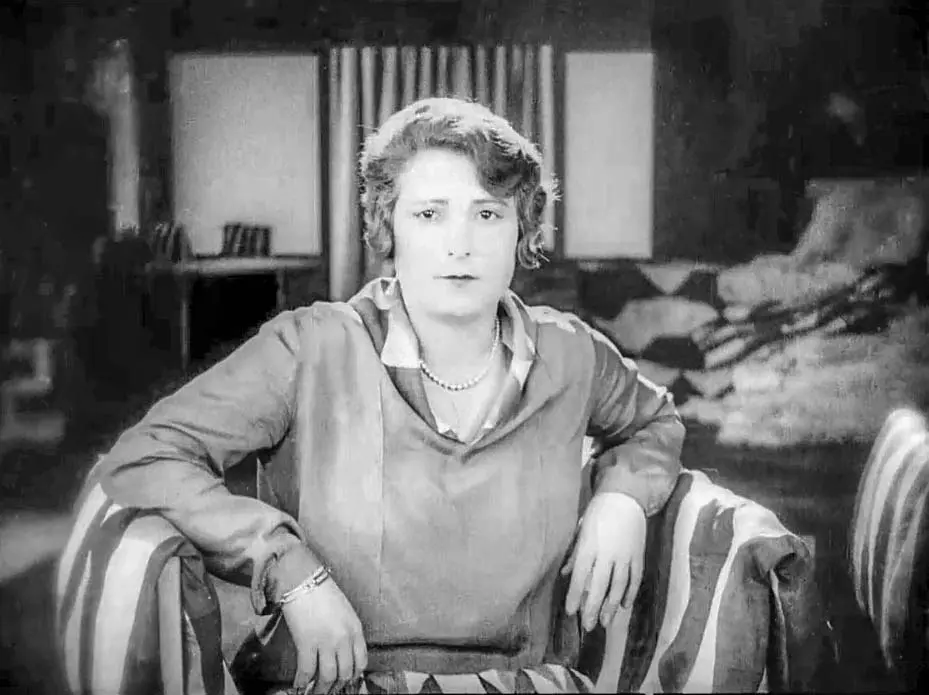
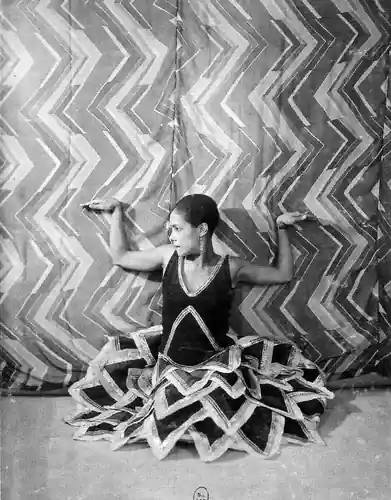
Scene from Le p'tit Parigot
Cinematic perspective: Exploring the visual vocabulary of Le p'tit Parigot (1926) through its definitive frames.
His new life under the tutelage of Paul Mesnil brings him closer to Lucie, Mesnil's daughter, creating a tender, blossoming romance. This idyllic, working-class existence is shattered by the machinations of Robert de Monterval, a man who embodies the corrupting influence of old money and power. Monterval, already betrothed to Georges's sister Suzanne, holds Mesnil's financial future in his grasp, using it as leverage to demand Lucie's submission.
The plot thickens with the introduction of Gilberte d'Aragon, Georges's jealous former mistress. Her presence adds a layer of unpredictable, passionate chaos, turning what could have been a straightforward tale of good versus evil into a tangled web of personal vendettas, social blackmail, and romantic misdirection. It's a testament to the script by Paul Cartoux and Henri Decoin that these disparate threads, though occasionally unwieldy, ultimately coalesce into a dense narrative tapestry.
Georges Grigny-Latour: A Hero for His Time
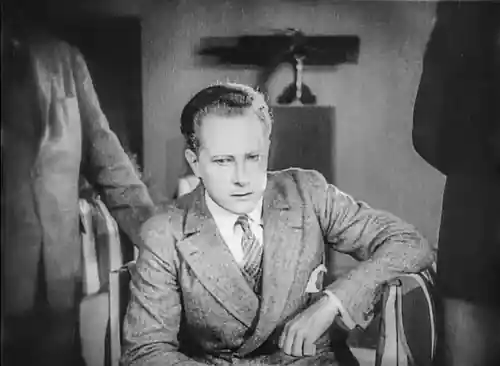
André Dubosc's portrayal of Georges Grigny-Latour is arguably the film's anchoring performance. He imbues Georges with a quiet strength and a palpable sense of moral rectitude. We see his internal struggle, not just through dramatic facial expressions typical of the silent era, but through his deliberate actions and the way he carries himself – a man out of step with his birthright, yet fiercely loyal to his chosen path.
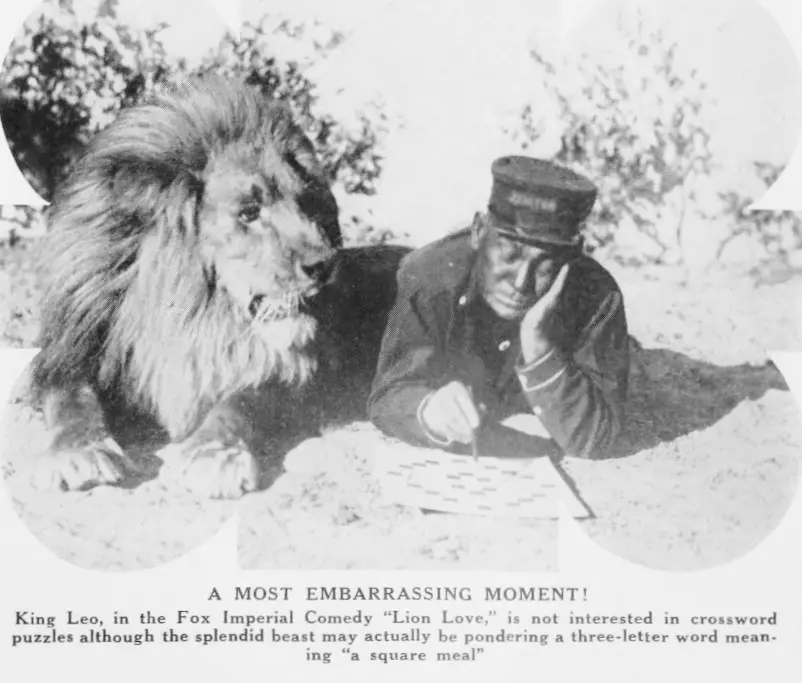
Scene from Le p'tit Parigot
Cinematic perspective: Exploring the visual vocabulary of Le p'tit Parigot (1926) through its definitive frames.
His defiance of his father is not merely youthful petulance; it's a principled stand against a system he perceives as hypocritical. This makes his character surprisingly modern, a precursor to many 'rebel without a cause' archetypes. The contrast between his privileged background and his blue-collar work is visually striking, subtly highlighting the class divisions that permeate the narrative.
While the supporting cast, including Suzanne Wurtz as the innocent Lucie and Suzanne Christy as the vengeful Gilberte, deliver performances aligned with the era's dramatic conventions, Dubosc stands out. He manages to convey a complex emotional landscape without uttering a single word, relying on posture, gesture, and the expressive power of his eyes. His athletic background, hinted at by his character's football prowess, adds a physical dynamism that is often missing from silent film protagonists.
Directing and Cinematography: A Glimpse into Early French Cinema
Henri Decoin, credited here as both writer and director, crafts a visually rich, if occasionally static, experience. The cinematography by Léonce-Henri Burel skillfully captures the dichotomy of Parisian life in the 1920s – from the opulent salons of the elite to the bustling, grimy workshops. There’s a particular attention to detail in the industrial settings, lending a sense of authenticity to Georges’s adopted world.
Scene from Le p'tit Parigot
Cinematic perspective: Exploring the visual vocabulary of Le p'tit Parigot (1926) through its definitive frames.
Decoin employs a relatively conventional directorial style for the period, relying on well-composed wide shots to establish scenes and close-ups to emphasize emotional beats. While it lacks the avant-garde experimentation seen in some contemporary European films like Der verlorene Schuh, its straightforward approach allows the intricate plot to unfold with clarity. One striking example is the way Decoin frames Monterval's threats, often using low angles or shadows to amplify his villainy, making him a truly menacing figure.
The film’s use of intertitles is effective, providing not just dialogue but also narrative exposition that helps guide the audience through the story's many twists. The visual storytelling, however, remains paramount, with Decoin often allowing the actors' expressions and body language to carry the emotional weight, a hallmark of powerful silent cinema. The football sequences, though brief, are surprisingly dynamic for the era, hinting at Decoin's ability to inject energy into the narrative.
Pacing and Tone: A Slow Burn of Betrayal
I'd argue the film's greatest strength is also its most significant hurdle for contemporary audiences: its unhurried, almost languid pace. Le p'tit Parigot takes its time to establish characters, build relationships, and allow the complex web of intrigue to slowly tighten. This deliberate rhythm can feel like a test of patience for viewers accustomed to the rapid-fire editing of modern cinema.
Scene from Le p'tit Parigot
Cinematic perspective: Exploring the visual vocabulary of Le p'tit Parigot (1926) through its definitive frames.
However, this slow burn allows for a deeper immersion into the characters' emotional states and the social milieu of the time. The tone is decidedly melodramatic, a common trait of silent films, but it's executed with a sincerity that largely prevents it from veering into parody. Moments of high drama, such as Gilberte's vengeful outbursts or Monterval's chilling ultimatums, are given ample room to breathe, maximizing their impact.
There's a palpable sense of impending doom that permeates much of the narrative, punctuated by brief moments of tenderness between Georges and Lucie. This tonal balance, though occasionally uneven, keeps the audience invested in the ultimate fate of its protagonists. The film's commitment to its dramatic stakes, despite its length, is commendable, a genuine effort to evoke strong emotional responses without the aid of spoken dialogue.
Is This Film Worth Watching?
Yes, Le p'tit Parigot is absolutely worth watching, particularly for those interested in the evolution of French cinema and silent film as an art form. It offers a rich narrative and a compelling lead performance. The film's detailed depiction of 1920s Parisian society is a valuable historical document. Its slow pace might challenge some viewers. But its emotional depth and intricate plot reward patience. It’s a significant piece of cinematic history.
Key Takeaways
Best for: Silent film enthusiasts, cultural historians, and fans of intricate, character-driven melodrama.
Not for: Viewers seeking fast-paced action, light entertainment, or those unfamiliar with silent film conventions.
Standout element: André Dubosc's nuanced and physically expressive performance as Georges Grigny-Latour.
Biggest flaw: Its sometimes glacial pacing and reliance on melodramatic tropes that can feel dated to modern eyes.
Pros and Cons
Pros:
Engaging and complex plot with multiple layers of intrigue.
Strong, empathetic lead performance from André Dubosc.
Fascinating glimpse into 1920s French society and class dynamics.
Effective use of visual storytelling and intertitles.
Thematically rich, exploring honor, rebellion, and social justice.
Cons:
Pacing can be very slow, demanding significant patience.
Some melodramatic elements feel exaggerated by today's standards.
Supporting characters, while functional, lack the depth of the protagonist.
The resolution, while dramatic, stretches credulity in certain aspects.
Limited accessibility for audiences unfamiliar with silent film conventions.
The Echoes of a Bygone Era
Le p'tit Parigot is more than just a period piece; it's a commentary on enduring human struggles. The class conflict at its core, where the industrious working man is exploited by the powerful elite, resonates even today. Georges's rejection of his father's world, symbolized by his choice of profession, speaks to a universal desire for authenticity over inherited status. This theme of social mobility and the challenges it presents is a recurrent motif in cinema, seen in films like The Slacker, albeit with a different focus on ambition and societal norms.
The film also touches upon the precarious position of women in a patriarchal society. Lucie's vulnerability to Monterval's threats, and Gilberte's desperate, destructive jealousy, are stark reminders of the limited agency women often possessed. While many critics might dismiss Gilberte d'Aragon as a mere jealous trope, I find her portrayal surprisingly nuanced, almost a tragic figure in her own right, caught in a cycle of unrequited passion and societal judgment. Her actions, though harmful, stem from a deep emotional wound, making her a more complex villain than she initially appears.
The integration of football, a relatively new popular sport at the time, also provides an interesting, almost anachronistic, layer to the narrative. It grounds Georges in a modern, accessible heroism, contrasting sharply with the archaic honor codes of the aristocratic world. This blend of traditional melodrama with burgeoning modern elements makes Le p'tit Parigot a unique artifact of its time, capturing a society in flux, much like the themes explored in Politics, though the latter leans into satire.
Its depiction of Parisian life, particularly the stark contrast between the city's opulent and industrial faces, is a powerful character in itself. The film serves as a valuable document of a bygone era, allowing us to witness the social anxieties and moral quandaries that defined the 1920s. It’s a film that demands engagement, not just passive viewing, inviting us to reflect on the timeless nature of its themes.
Verdict
Le p'tit Parigot is a significant, if imperfect, piece of French silent cinema. Its intricate plot, compelling lead performance, and rich social commentary make it a rewarding experience for those willing to embrace its deliberate pace and period conventions. It offers a window into a specific cultural moment, exploring themes of class, love, and betrayal with earnest melodrama. While it may not captivate every modern viewer, its historical and artistic value is undeniable. For cinephiles and students of early film, it's an essential watch, a testament to the enduring power of silent storytelling. It's a film that earns its place in the annals of French cinema, despite its occasional narrative indulgences.