DbcultAccessing Vault...
Cult Review
Senior Film Conservator
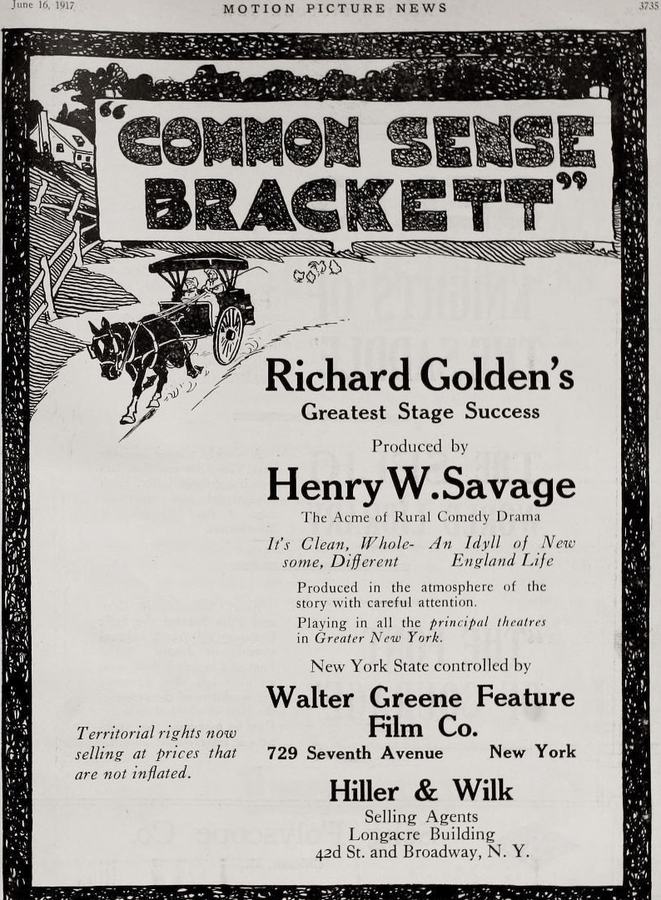
In the annals of classic cinema, where grand gestures often overshadow subtle human truths, a film like 'Common Sense Brackett' emerges as a quietly profound testament to the enduring complexities of the human heart. It's not a narrative that screams for attention with explosive action or labyrinthine conspiracies; rather, it invites contemplation through its deeply personal exploration of love, loss, and the circuitous paths to redemption. This is a story steeped in the kind of emotional realism that transcends its era, offering insights into the nature of family that feel as fresh and vital today as they must have upon its initial release. The title itself, 'Common Sense Brackett', hints at the sagacity gleaned from life's trials, a wisdom forged in the crucible of personal failure and subsequent growth, embodied by its central figure, Bruce Brackett, portrayed with understated gravitas by John Mackin.
The film commences by painting a picture of domestic bliss, albeit one built on precarious foundations. Bruce, a proprietor of a modest small-town hotel, finds himself captivated by the effervescent charm of a touring theatrical star, ultimately marrying her. It’s a classic romantic trope, the grounded individual swept away by the glamorous outsider, but 'Common Sense Brackett' quickly delves into the less romantic aftermath. The initial allure inevitably gives way to the stark realities of everyday life. The theatrical star, accustomed to the footlights and applause, soon finds the "drudgery" of married life in a small town stifling, a sentiment perhaps not unfamiliar to the social commentaries found in films like The Second Mrs. Tanqueray, which often explored the disillusionment of women trapped by societal expectations or their own romanticized ideals. This discontent culminates in a heartbreaking departure, as she leaves Bruce, taking their young daughter with her, leaving a gaping void in his life.
The ensuing years for Bruce are marked by a quiet fortitude and a profound yearning for paternal connection. In a deeply moving turn, he chooses to adopt an orphan girl, embracing a new chapter of fatherhood. This act is not merely a replacement for what he lost but a testament to his innate capacity for love and nurturing. It highlights a central thematic thread of the film: the idea that family is not solely defined by blood, but by bond, by choice, and by the shared journey of life. This echoes the spirit of narratives like Dick Whittington and his Cat, where an orphaned protagonist finds his way and builds a new life, albeit in a very different context. Bruce's dedication to his adopted daughter, portrayed with disarming innocence by Baby Joan and later with earnest sincerity by Barbara Gilroy, forms the emotional bedrock of his existence, a quiet sanctuary against the lingering pain of his past.
Sixteen years later, the narrative introduces a remarkable twist of fate, a stroke of dramatic irony that elevates the film beyond simple melodrama. Bruce's biological daughter, now a grown woman, motherless, and utterly unaware of her father's whereabouts, arrives in his very town as a schoolteacher. This plot device, while potentially stretching credulity, serves as a powerful engine for emotional tension and thematic exploration. The audience is privy to the truth, observing the proximity of father and daughter, while the characters themselves remain in blissful, or painful, ignorance. It’s a clever manipulation of perspective that builds a palpable sense of anticipation and dread, reminiscent of the slow-burn revelations in mystery dramas, though here the mystery is purely emotional, not criminal, unlike something found in The Mystery of the Yellow Room.
The adopted daughter becomes the unsuspecting fulcrum of this emotional drama. She discovers the true identity of the new teacher, a revelation that plunges her into a profound internal conflict. On one hand, there's the instinctive desire to unite father and daughter; on the other, a primal, understandable fear of losing her cherished place in Bruce's heart. Her struggle is perhaps the most poignant and relatable aspect of the film, embodying the universal anxieties of love and belonging. This internal battle, the weighing of self-interest against a greater good, shares a spiritual kinship with the moral dilemmas faced by characters in films like The Struggle, where personal integrity is tested under immense pressure, or even the grander ethical questions posed in Civilization, albeit on a far more intimate scale. Her silence, born of fear, is not malicious but deeply human, a testament to the film's nuanced characterizations.
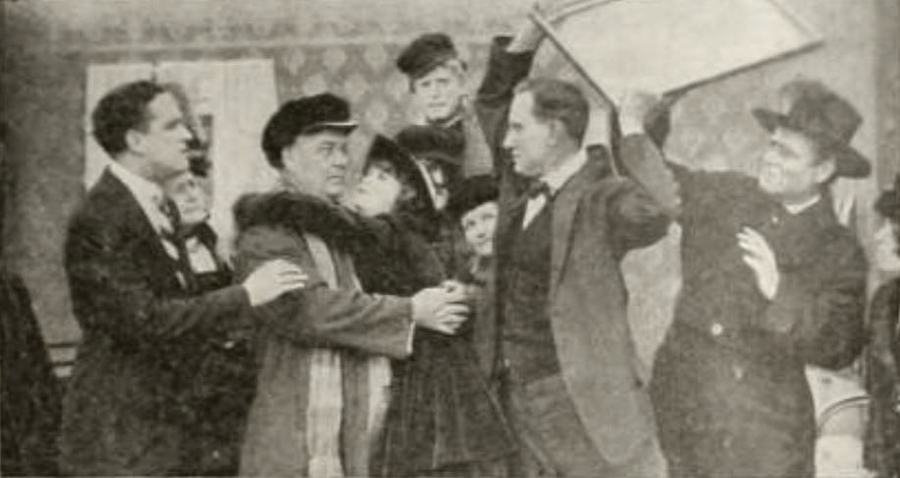
Meanwhile, Bruce Brackett himself is depicted as a man who has learned from his past. His early mistake – perhaps not fully appreciating the complexities of his first wife's desires or failing to bridge the chasm between their worlds – has transformed him into a fount of quiet wisdom. This is powerfully illustrated when he counsels a local husband who is unwittingly repeating Bruce's own error, inadvertently making a "drudge" of his wife. This parallel narrative serves as a brilliant device, allowing Bruce to articulate the lessons he has learned, not through direct confession of his past, but through empathetic guidance. His advice, rooted in experience and genuine concern, successfully salvages the troubled marriage, underscoring his growth and the film's central theme of common sense applied to the most intimate of human relationships. John Mackin imbues Bruce with an understated dignity here, a man who has clearly suffered but emerged with greater understanding, a quiet sage in his own small dominion.
The performances across the board, even from the supporting cast, contribute to the film's sincere emotional fabric. While specific details of each actor's portrayal might be lost to time, the collective impact, particularly of John Mackin as the steadfast Bruce, and the actresses embodying his two daughters, must have been compelling. The adopted daughter's journey, from her initial fear to her eventual courageous act, is the emotional linchpin. Her internal struggle is the most dynamic arc, as she grapples with the potential seismic shift in her family dynamic. The film avoids easy answers, allowing her fear to feel authentic before she ultimately chooses selflessness, a choice that resonates deeply with the themes of sacrifice and love that define the narrative.
The script by Charles W. Doty is a masterclass in building emotional tension through character and circumstance rather than overt plot mechanics. The pacing allows for the quiet moments to breathe, for the unspoken emotions to register. The dramatic irony of the situation – the audience knowing more than the characters – is expertly wielded, creating a palpable sense of anticipation for the inevitable revelation. Doty's writing eschews the bombastic, favoring instead a grounded, humanistic approach that allows the audience to invest deeply in the characters' fates. The dialogue, though likely reflecting the sensibilities of its era, serves to advance the emotional truth of the story, particularly in Bruce's thoughtful counsel to the struggling husband.
The culmination of these interwoven narratives arrives with a touching grace. As a reward for her father's profound kindness and wisdom in guiding the troubled couple, the adopted daughter, having witnessed the purity of Bruce's character, finally finds the courage to reveal the truth. This act of selflessness, overcoming her deeply ingrained fear, is the true emotional climax of the film. It's a moment of profound reconciliation, not just between Bruce and his biological daughter, but within the adopted daughter herself, as she solidifies her own place in a family that has expanded to embrace all its members. The reunion, when it finally occurs, is not a sudden burst of melodrama but a tender, earned moment, affirming the enduring power of love and forgiveness to mend even the deepest fissures. It speaks to a form of quiet heroism, a triumph of the spirit, which, while not a grand adventure like Don Quixote, is nonetheless a significant journey of the soul.
'Common Sense Brackett' stands as a testament to the timeless appeal of stories centered on human connection and resilience. It's a film that reminds us that mistakes can be overcome, that love can find new avenues, and that the definition of family is expansive and fluid. The film, through its unassuming narrative and earnest performances, crafts a deeply affecting portrait of a man's journey from heartbreak to wisdom, and the complex, beautiful tapestry of relationships that define a life. It's a compelling exploration of how individual choices ripple through generations, and how, with a little 'common sense' and a lot of heart, even the most fractured bonds can be lovingly repaired. The film, while perhaps not as widely known as some of its contemporaries, certainly leaves a lasting impression through its earnestness and emotional depth, offering a valuable insight into the human condition that remains relevant for any viewer seeking a narrative rich in heart and quiet contemplation. It's a cinematic gem that deserves to be rediscovered for its enduring message about the profound strength found in forgiveness and the unwavering spirit of familial love.

IMDb 7
1934
Community
Log in to comment.