DbcultAccessing Vault...
6/10
Senior Film Conservator

A definitive 6/10 rating for a film that redefined the boundaries of cult cinema. A Man Must Live remains a cornerstone of transgressive art.
Short answer: Yes if you're willing to sit with uncomfortable truths. Is a 1930s pre-code drama about a man's moral decay worth your time in 2024? Maybe not if you crave cinematic flair, but absolutely if you want to witness a raw dissection of journalistic ethics and human fragility.
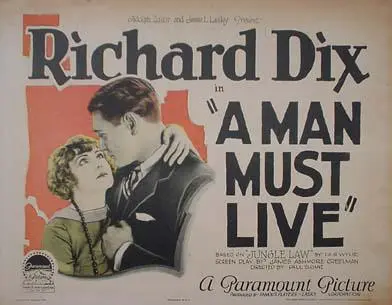
Director Mervyn LeRoy crafts a claustrophobic atmosphere using New York's urban landscape as both backdrop and character. The film's most arresting sequence places Richard Dix's Jeff Farnell in a dimly lit apartment, where the flickering gaslight casts shadows across his conflicted face as he debates whether to publish Mops Collins' story. This scene isn't just dialogue - it's a masterclass in visual storytelling where every creak of the floorboard amplifies his internal turmoil.

Edna Murphy's performance as Eleanor Ross-Fayne avoids the pitfalls of melodrama. Her quiet strength contrasts with the histrionic performances common in 1930s cinema. When she confronts Jeff about Clive's criminal ties, her restrained delivery - a single tear rolling down her cheek as she utters "You knew him better than I ever did" - carries more emotional weight than a full-blown breakdown ever could.
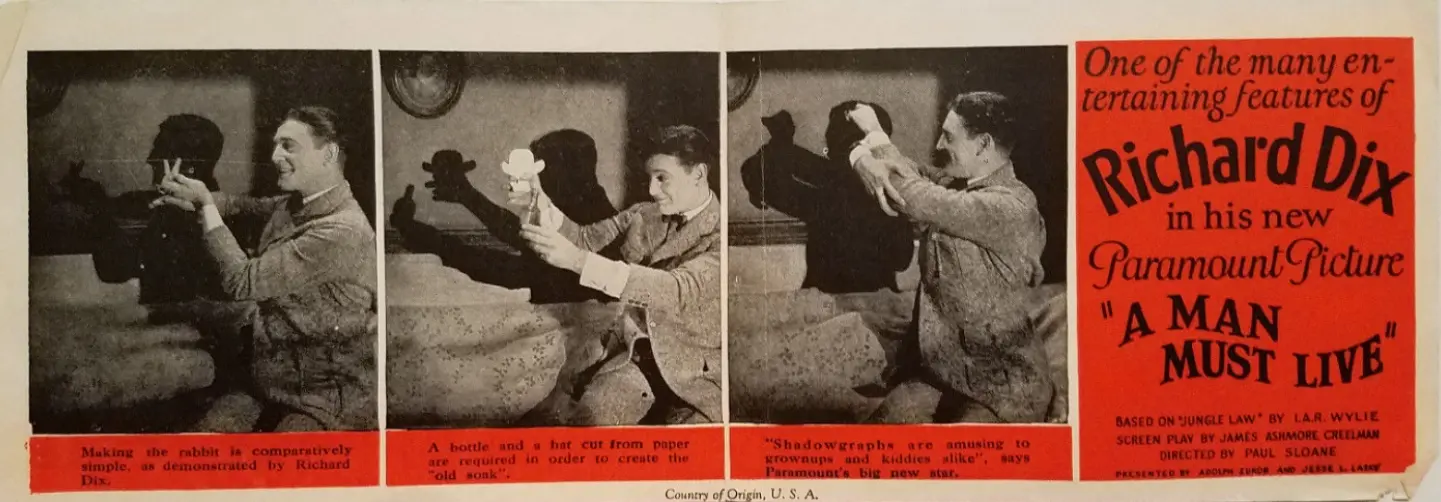
The pacing falters in the second act as Jeff's journalistic pursuit of Clive Ross-Fayne turns into a series of bureaucratic obstacles. A 12-minute sequence showing Jeff navigating the legal system could have been trimmed to maintain narrative momentum. Unlike the taut structure of The Soul of Kura San, this film sometimes loses focus in its commitment to naturalism.
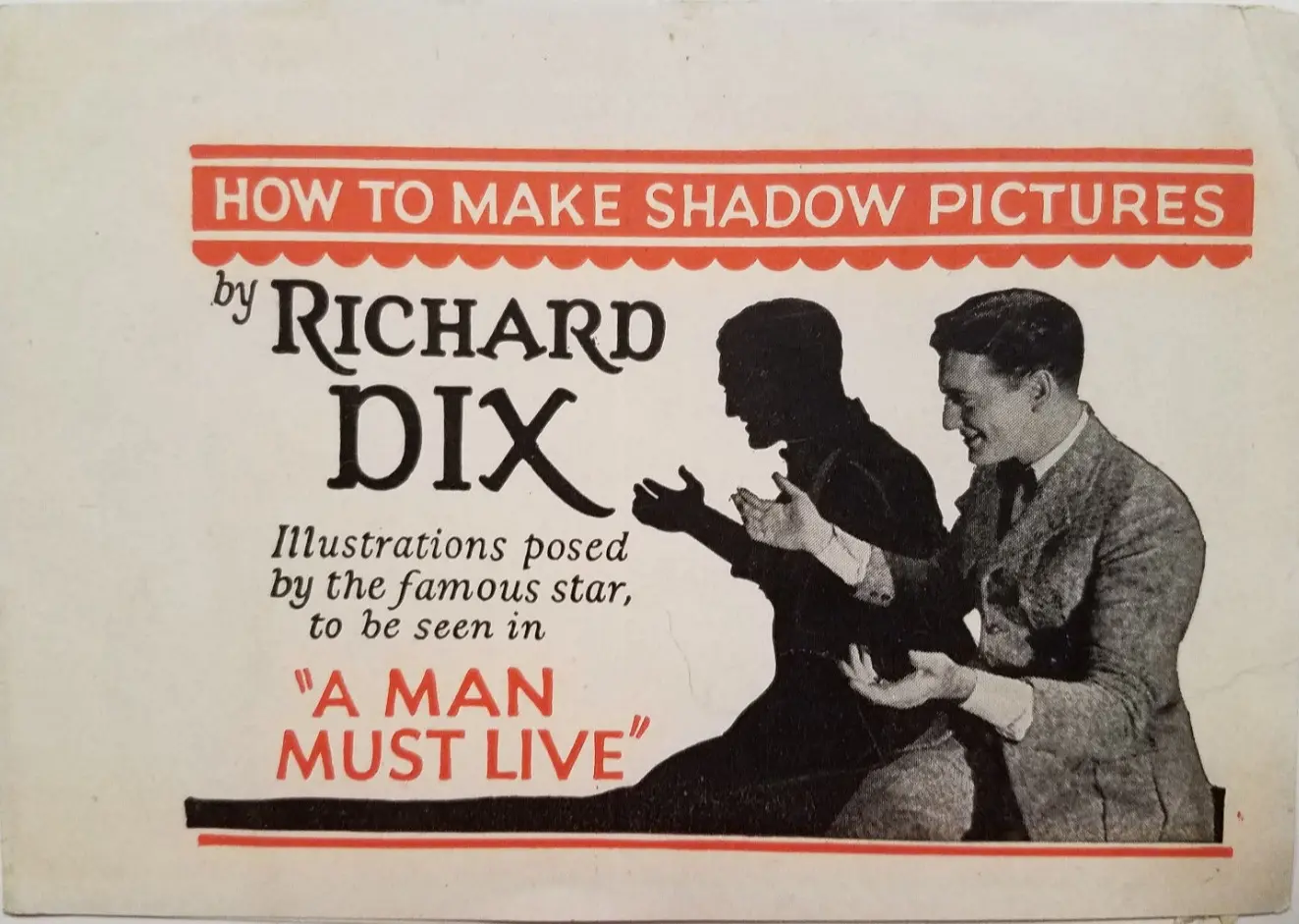
The film's moralizing feels dated in the final act. When Jeff assaults his editor, the scene plays less as a cathartic release and more like a heavy-handed statement about journalistic integrity. It lacks the nuanced ambiguity that defines more modern takes on media ethics.
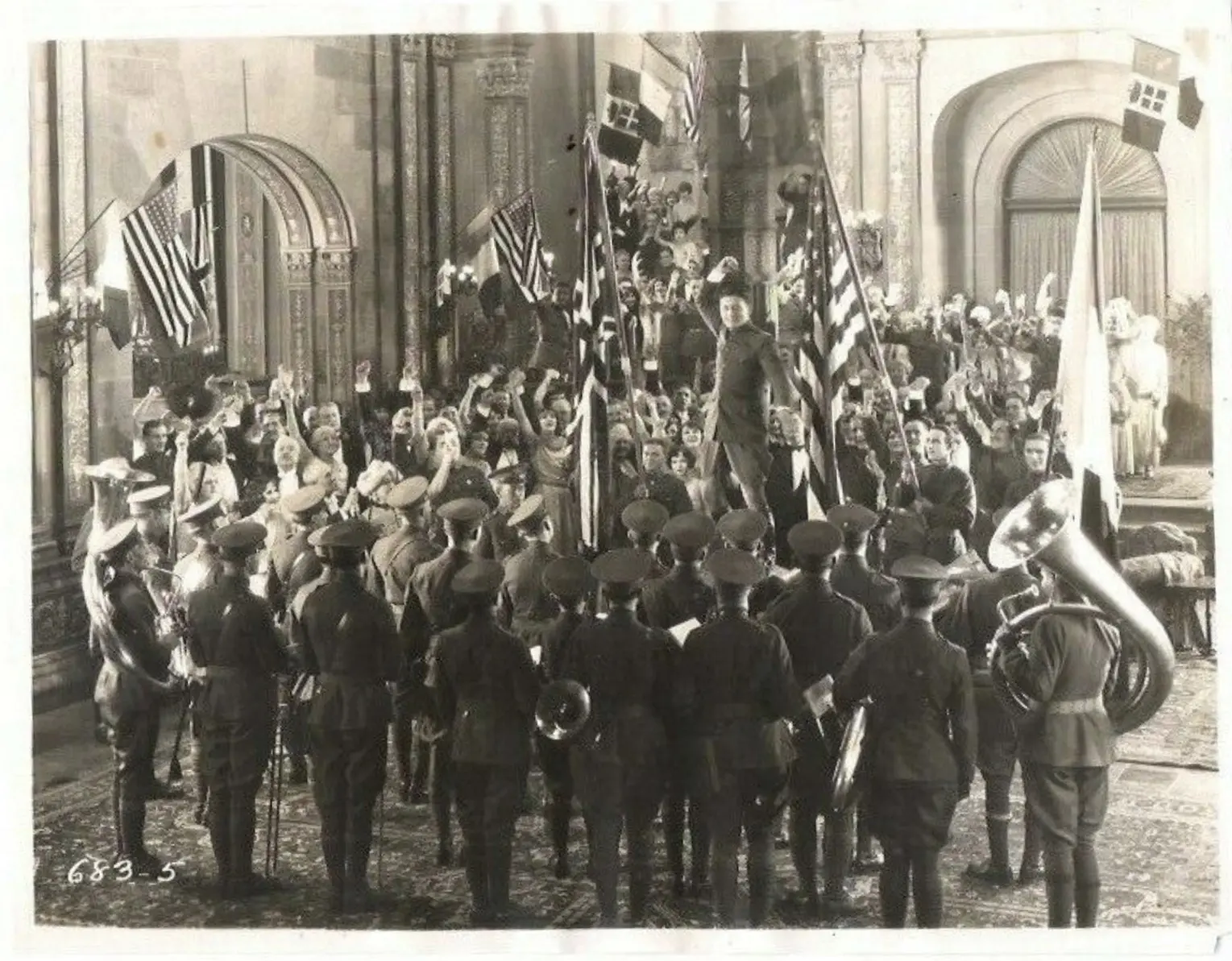
For cinephiles studying the evolution of American cinema, A Man Must Live is essential viewing. The film's greatest strength lies in its unvarnished portrayal of human vulnerability - a quality that transcends its era. The scene where Jeff cradles the dying Mops (Jacqueline Logan) is brutal in its authenticity; the camera lingers on her labored breathing for 45 uncut seconds, a choice that feels radical even by today's standards.
What makes A Man Must Live surprisingly modern isn't its narrative structure, but its treatment of consumption. The film doesn't use the disease as a metaphor - it shows Mops coughing blood into a handkerchief with clinical precision. This isn't poetic realism; it's documentary-style storytelling that feels more at home in the works of Ken Loach than pre-code Hollywood.
The film's exploration of journalistic ethics echoes The Conspiracy in its examination of truth vs. expediency, but diverges by focusing on the individual rather than systemic corruption. Unlike The Red Ace's operatic melodrama, A Man Must Live keeps its emotional core grounded in everyday struggles.
This is not a film that will convert casual viewers. It demands patience with its deliberate pacing and rewards with moments of unsettling honesty. For those willing to engage with its moral questions, it offers a rare glimpse into the soul of 1930s New York journalism - warts and all.

IMDb —
1927
Community
Log in to comment.