DbcultAccessing Vault...
Cult Review
Senior Film Conservator
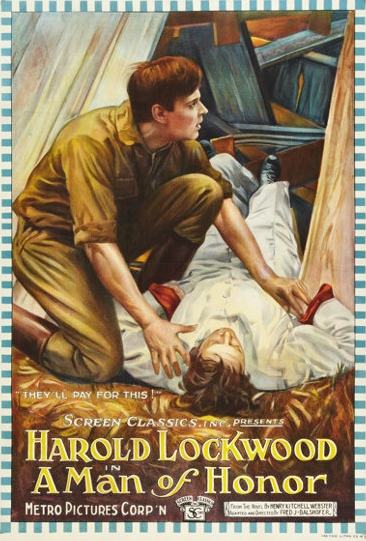
The cinematic tapestry of 'A Man of Honor' unfurls a compelling narrative, a vivid exploration of moral fortitude pitted against the corrosive forces of avarice, set against the breathtaking backdrop of an untouched tropical paradise. This film, a product of an era often characterized by its straightforward storytelling, nonetheless delves into complexities of human nature that resonate with surprising contemporary relevance. It’s a testament to the enduring power of classic cinema that a story seemingly simple on its surface can, upon closer inspection, reveal layers of social commentary and psychological depth. The premise, initially a straightforward adventure, swiftly morphs into a profound ethical dilemma, challenging its characters and, by extension, its audience, to confront the true cost of integrity.
At its core, the film presents Mortimer Gregg, an adventurer whose initial discovery of Horse Island is shrouded in the romanticism of exploration. Yet, this romanticism quickly dissipates upon his return to the urban jungle of New York. His partnership with Christopher Beaumont, ostensibly formed to cultivate the island’s resources, is revealed as a thinly veiled front for a grand swindle. This deceit, uncovered through Gregg’s deathbed confession, immediately establishes the moral battleground for the film. The transition from adventurous discovery to corporate malfeasance is stark, highlighting a pervasive cynicism about unchecked capitalism that was perhaps a nascent concern in the early 20th century. The narrative doesn't shy away from presenting the raw, unvarnished truth of exploitation, setting a serious tone despite the eventual romantic interludes.
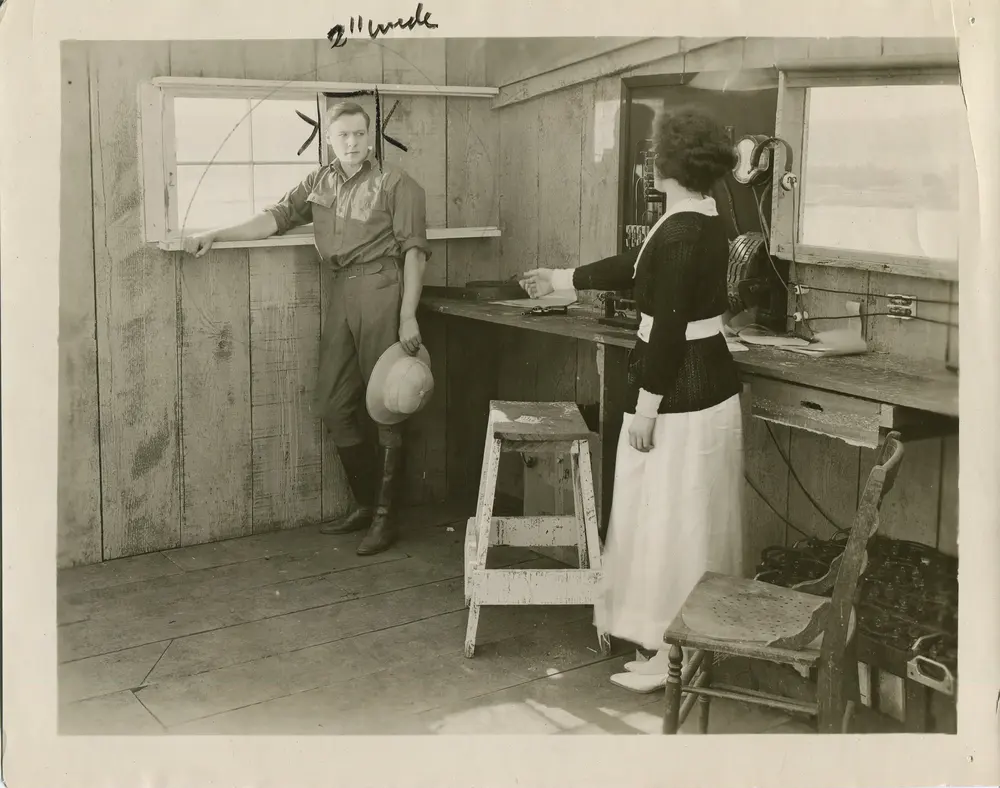
Enter David Smith, the assistant manager, a character whose unwavering moral compass becomes the narrative's unshakeable anchor. Unlike the morally pliable figures surrounding him, David embodies a principled stand, refusing to compromise his ethics for financial gain. His belief in Horse Island's genuine potential, contrasted with Beaumont's purely exploitative vision, sets up a classic conflict between idealism and pragmatism, or more accurately, between integrity and corruption. This steadfastness in the face of immense pressure is what elevates David beyond a mere protagonist; he becomes a symbol of resistance against systemic dishonesty. His refusal to tamper with the company's financial reports isn't just a plot point; it's a declaration of character, a refusal to participate in the moral decay that Beaumont represents. It's a striking portrayal of individual conscience, reminiscent of the singular defiance seen in films like His Enemy, the Law, where personal conviction often clashes with established, often corrupt, power structures.
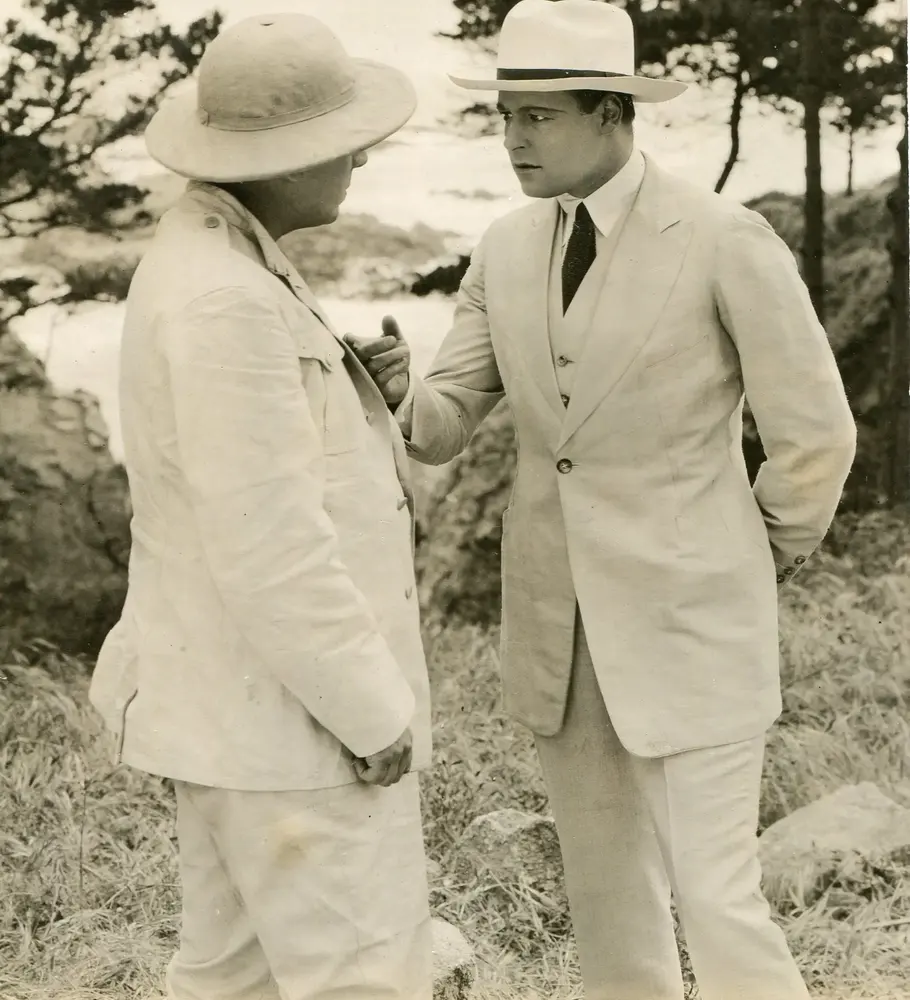
Christopher Beaumont, on the other hand, is cast as the quintessential antagonist, driven by an insatiable hunger for profit. His anger at David’s persistent honesty isn't just frustration; it's the rage of a man whose carefully constructed house of cards is threatened by a single, unyielding pillar of truth. His journey to Horse Island to deliver an ultimatum to David is a pivotal moment, escalating the conflict from a corporate boardroom battle to a direct, personal confrontation in an isolated, elemental setting. This shift in locale from the sterile offices of New York to the wild, untamed beauty of the tropics underscores the raw nature of their clash. It’s a deliberate choice that amplifies the stakes, stripping away the pretenses of civilization to reveal the primal struggle for control and moral authority. Beaumont’s character, while undeniably villainous, also serves as a critical mirror, reflecting the darker impulses that can corrupt even the most promising ventures.
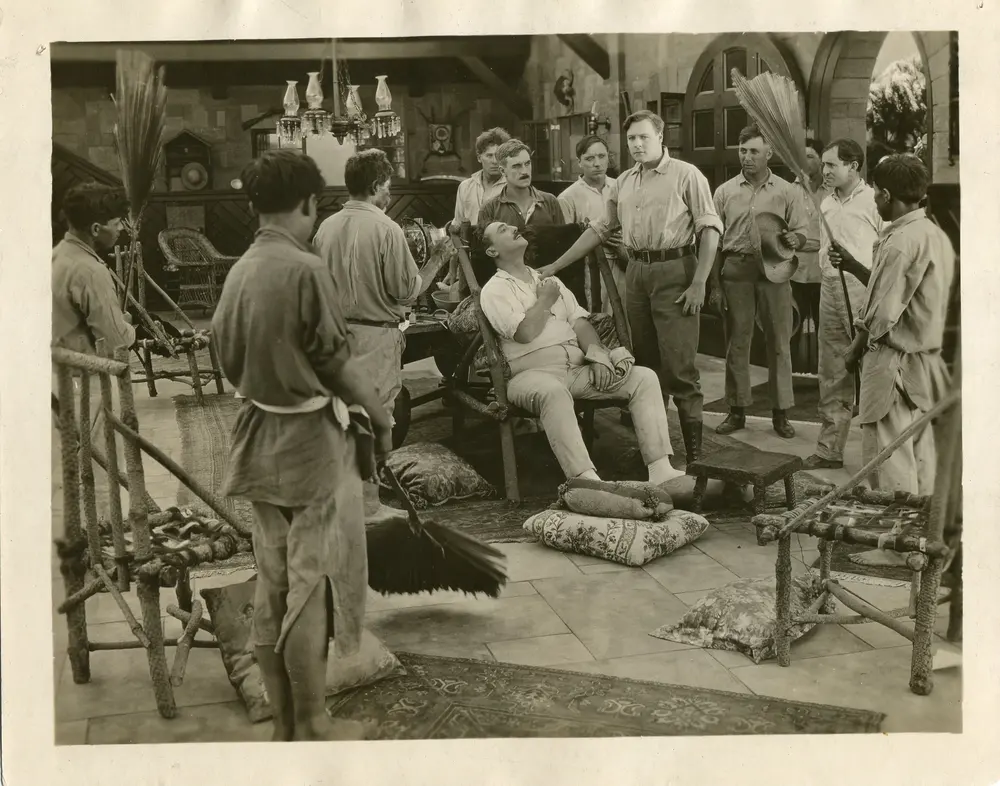
The narrative takes a dramatic turn when David, facing imminent dismissal for his integrity, makes the bold decision to prevent Beaumont and his daughter, Christabel, from leaving the island. This act, born of desperation and a deep-seated commitment to justice, transforms him from a passive resistor into an active agent of change. It’s a moment of calculated risk, pushing the boundaries of what is conventionally acceptable, but justified by the profound moral imperative driving him. The subsequent tropical storm, a classic cinematic device, serves not only as a dramatic backdrop but also as a catalyst for profound personal transformation. Trapped in a cave, David and Christabel are forced into an intimacy that transcends their initial adversarial relationship. The storm, much like the internal turmoil they both experience, rages outside, while inside, a fragile, unexpected connection begins to blossom. This shared ordeal, isolating them from the world and its moral ambiguities, creates a crucible for genuine emotion.
The evolution of the relationship between David and Christabel is handled with a delicate touch, considering the constraints of early filmmaking. Their falling in love amidst the storm and the discovery of the pirates’ gold in the cave is a brilliantly interwoven plot device. The gold isn't just a convenient deus ex machina; it's a tangible reward for their shared adversity and, symbolically, for David's unwavering honor. The discovery of treasure in a moment of romantic vulnerability links their personal destiny with the island's inherent value, contrasting sharply with Beaumont’s desire to exploit it. This romantic interlude, while perhaps seeming coincidental, serves a crucial narrative function, providing a counterpoint to the film's darker themes of greed and betrayal. It suggests that amidst the chaos and corruption, genuine connection and serendipitous fortune can emerge, particularly for those who remain true to themselves. The film, in this aspect, shares a certain romantic optimism with features like The Actress' Redemption, where love and circumstance intertwine to offer a path to salvation or betterment.
The casting, featuring actors like Stanton Heck, Bert Starkey, and Bessie Eyton, undoubtedly contributed to the film's resonance. While specific performance details are lost to time, one can infer the necessity of a strong, earnest portrayal for David Smith to truly embody his principled character. Bessie Eyton, as Christabel, would have been tasked with portraying a character initially caught between her father's machinations and her own burgeoning conscience, ultimately aligning with David's integrity. The dynamic between these performers would have been crucial in conveying the film's emotional arc, from initial animosity to eventual romantic partnership. The subtle shifts in expression, the unspoken tensions, and the eventual blossoming of affection would have been conveyed through the nuanced performances expected of silent film actors, relying heavily on physicality and expressive facial work to communicate complex emotions without dialogue.
Upon the Beaumonts' departure for New York, David's strategic brilliance comes to the fore. His decision to invest the pirate treasure into Tropical Products stock under Christabel's name is a masterful stroke, turning Beaumont’s own game against him. This act isn't just about financial leverage; it's a profound statement about ownership, integrity, and the ultimate triumph of ethical governance. By making Christabel a significant shareholder, David not only secures their future but also forces Beaumont to confront the consequences of his actions from within his own company. This financial maneuver, more than any verbal argument, finally compels the elder Beaumont to concede. It's a clever resolution that avoids simple retribution, instead opting for a pragmatic, yet morally satisfying, outcome. Beaumont, finally beaten by a combination of David's unwavering honesty, Christabel's loyalty, and the sheer weight of their unexpected fortune, agrees to run the company honestly. This transformation, while perhaps swift, signifies the overwhelming power of integrity when backed by both moral and material strength. It's a narrative turn that champions the idea that even the most entrenched corruption can be dismantled by determined, ethical action.
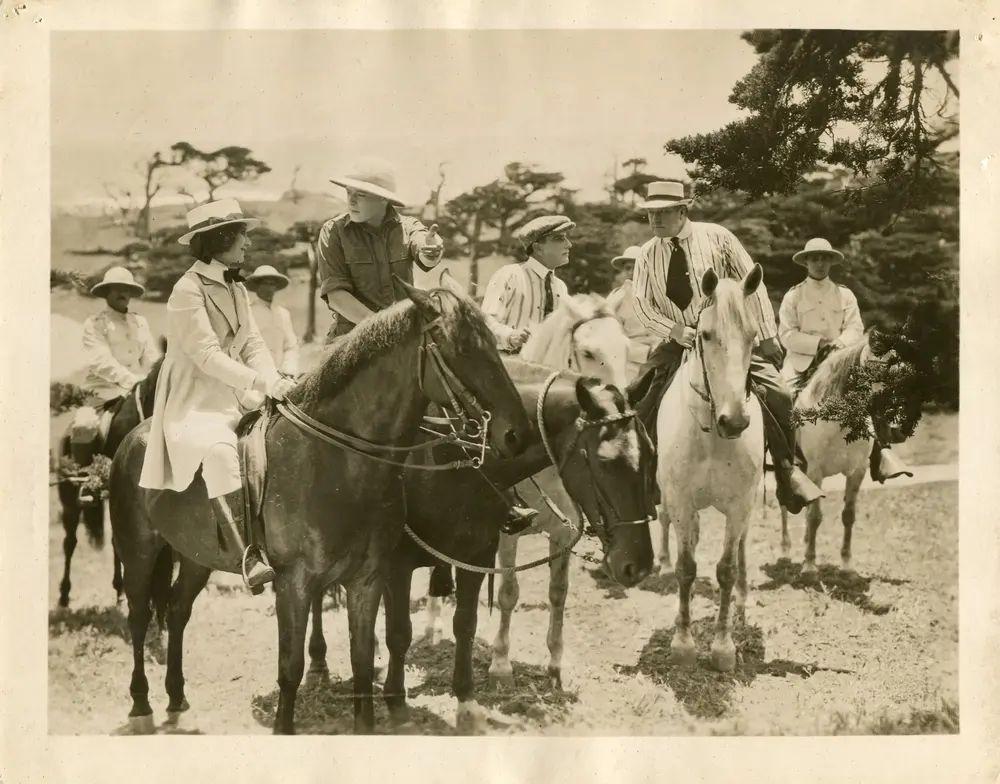
Thematically, 'A Man of Honor' explores several potent ideas. The most prominent is the perennial conflict between honor and avarice. David's journey is a powerful affirmation that true wealth lies not in ill-gotten gains but in an unblemished conscience. The film also touches upon the transformative power of nature, with Horse Island serving as more than just a setting; it's a character in itself. Its untouched beauty and hidden treasures mirror the inherent goodness that David seeks to protect, contrasting sharply with the destructive impulses of Beaumont. The island becomes a symbol of purity, a sanctuary where integrity is rewarded and love blossoms, far from the corrupting influence of urban capitalism. This symbolic use of setting is a technique often seen in films of this era, where landscapes frequently mirrored the internal states or moral dilemmas of the characters.
The narrative also subtly critiques the burgeoning corporate landscape of the era, where quick profits often trumped ethical considerations. The Tropical Products Company, initially a vehicle for deception, is ultimately redeemed through the actions of its most principled member. This offers a hopeful, albeit idealistic, vision of corporate responsibility, suggesting that even deeply flawed institutions can be reformed from within. The film's resolution, with Beaumont agreeing to run the company honestly as the partner of his future son-in-law, is a classic happy ending, but one earned through significant moral struggle. It's a testament to the belief that good can prevail, even against formidable odds, and that personal relationships can be the conduit for broader societal change. This sense of optimism, where virtue is ultimately rewarded, aligns with the more uplifting narratives prevalent in early cinema, much like the feel-good resolutions found in films such as The Lottery Man, where unexpected fortunes often lead to moral rectitude and happiness.
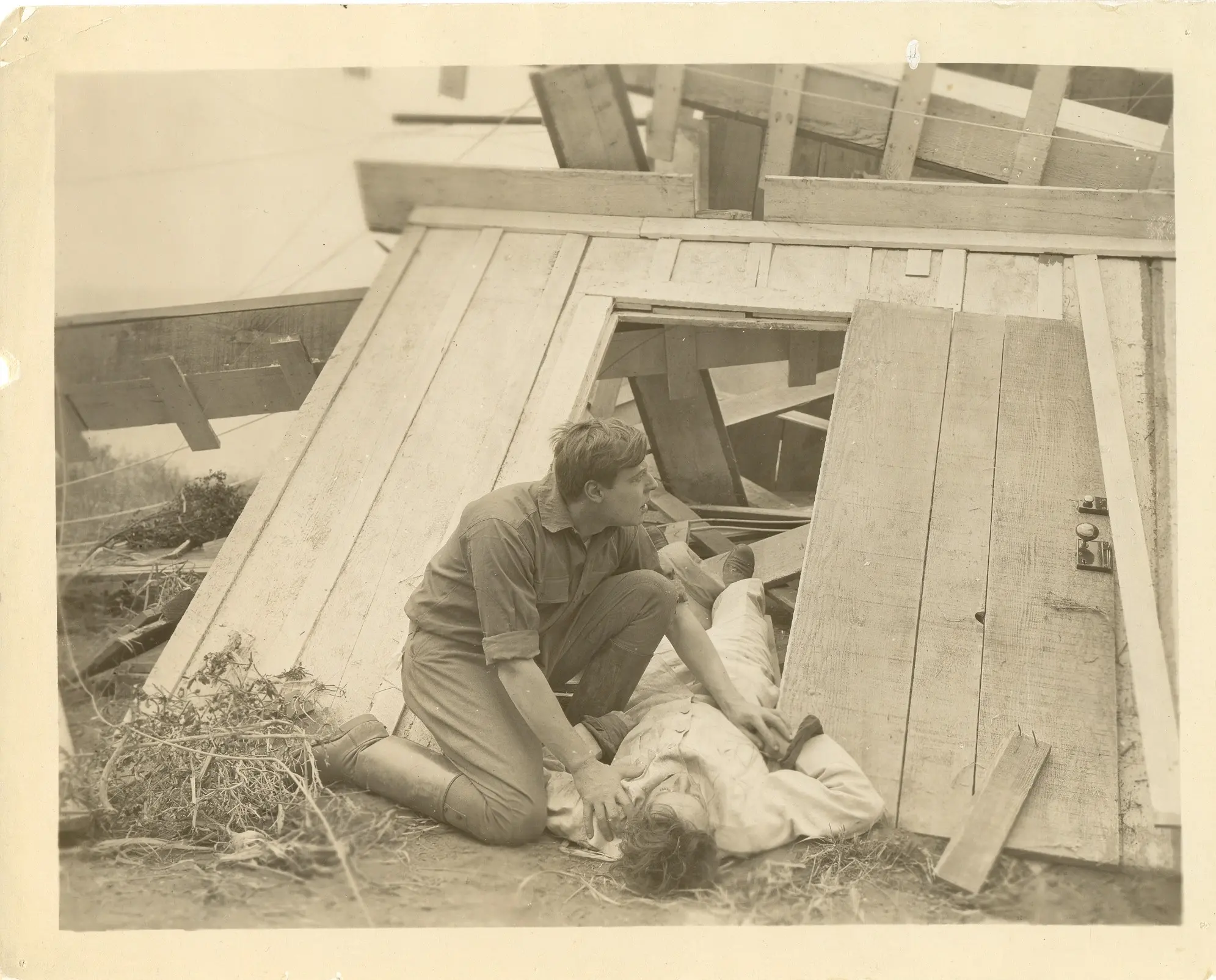
From a technical perspective, while specific directorial notes from Fred J. Balshofer are scarce, the plotting by him and Henry Kitchell Webster demonstrates a clear understanding of dramatic pacing and character development. The story moves efficiently from exposition to conflict, climax, and resolution, maintaining audience engagement through a series of escalating stakes. The use of the tropical storm as a pivotal moment, both for romance and discovery, is a clever way to condense multiple narrative threads into a single, high-impact event. The visual storytelling, even without the benefit of sound, would have relied heavily on intertitles, expressive acting, and evocative cinematography to convey the lushness of the island and the intensity of the human drama. One can imagine the striking contrasts between the dark, shadowy interiors of the cave and the vibrant, storm-lashed exteriors, all contributing to the film's immersive quality.
In conclusion, 'A Man of Honor' stands as a compelling example of early cinema's capacity for complex storytelling and moral exploration. It is more than just an adventure tale or a romance; it is a thoughtful examination of integrity in the face of greed, a celebration of the individual who dares to stand firm against corruption. The journey of David Smith, from an honest employee to a strategic player who ultimately transforms a fraudulent enterprise, is both inspiring and enduring. The film’s message, that honor is its own reward, often leading to unexpected blessings, remains as relevant today as it was over a century ago. It reminds us that true wealth is not merely monetary, but resides in the integrity of one's character and the courage to uphold one's convictions, a timeless lesson elegantly delivered through a captivating blend of tropical adventure and heartfelt romance. The film's enduring appeal lies in its ability to marry thrilling escapism with profound ethical considerations, creating a narrative that is both entertaining and deeply resonant, much like how The Man Who Could Not Lose presented a seemingly simple premise with underlying moral complexities and a rewarding conclusion.

IMDb 6.3
1937
Community
Log in to comment.