DbcultAccessing Vault...
Cult Review
Senior Film Conservator
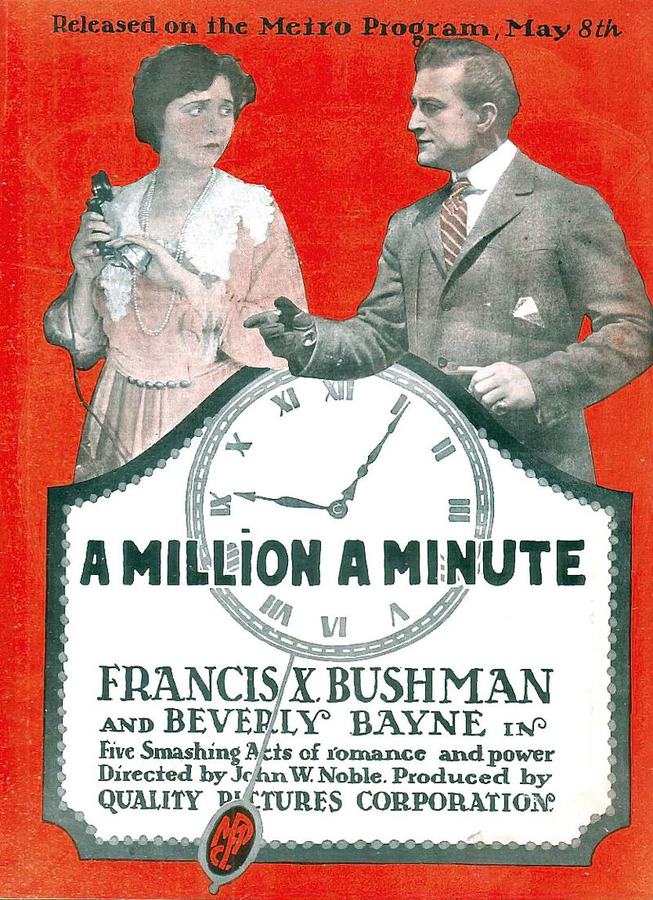
In the grand tapestry of early cinema, where narratives often stretched across continents and generations, few films capture the sheer, unadulterated melodrama and relentless pursuit of destiny quite like A Million a Minute. This isn't just a story; it's a sprawling epic, a whirlwind of love, betrayal, redemption, and a conditional inheritance that sets a dizzying pace for its protagonists. It's a testament to an era when cinematic storytelling reveled in intricate plots and heightened emotions, drawing viewers into a world where fate seemed to conspire at every turn.
At its heart, the film is a deeply personal saga, rooted in the bitter rivalry between two brothers, Philip and Miles Quaintance, over the affections of the radiant Ellen Sheridan. From these initial sparks of romantic contention, an entire lineage is irrevocably shaped. Philip’s victory, though short-lived due to his untimely death, leaves Ellen a widow, and cruelly, a target. Miles, rejected and consumed by a possessive, unrequited love, embarks on a campaign of psychological torment against Ellen, a villainy so potent it casts a long, malevolent shadow over the next generation. This isn't merely a character flaw; it's the foundational sin from which all subsequent drama springs, a fascinating study in how unchecked desire can metastasize into generational trauma.
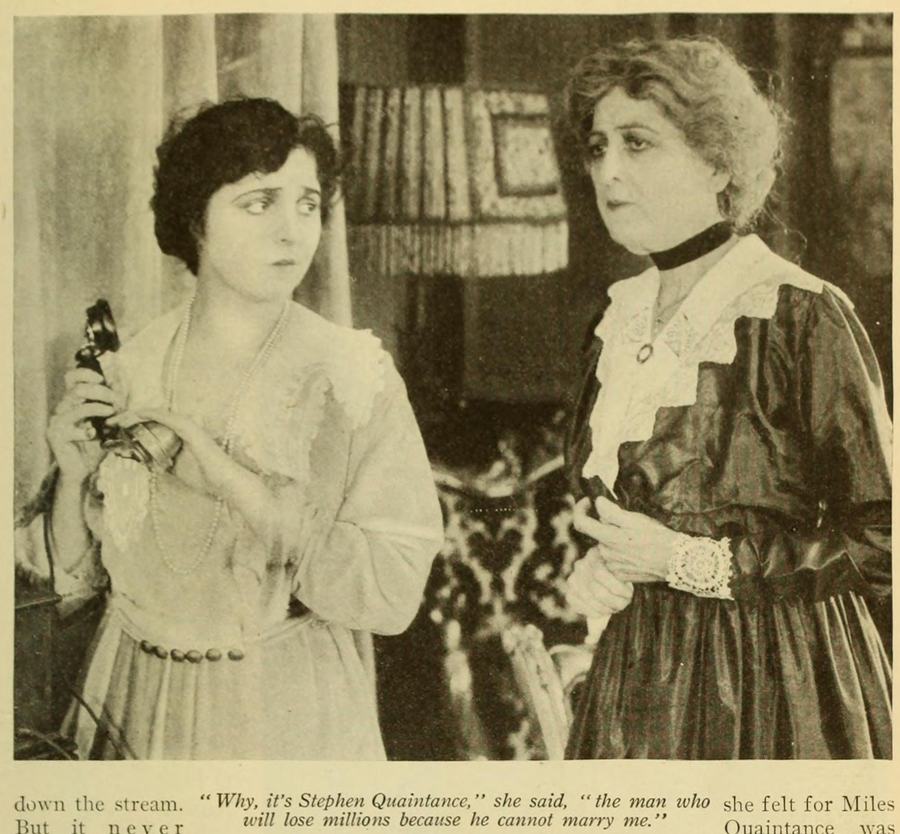
Ellen’s desperate flight south with her infant son, Stephen, is an act of survival, yet it paradoxically ensures the continuation of the feud. Stephen grows up steeped in the narrative of his mother’s suffering, his very identity forged in the crucible of his uncle Miles's persecution. This inherited bitterness is a powerful motivator, driving him to self-imposed exile in the wilds of South Africa, a symbolic escape from a past he cannot outrun. The film masterfully portrays how the sins of the father – or, in this case, the uncle – are visited upon the son, creating a protagonist whose journey is as much about confronting his lineage as it is about forging his own path.
Meanwhile, Miles Quaintance, having amassed a colossal fortune, undergoes a remarkable, if belated, transformation. In his declining years, a profound sense of guilt and a yearning for restitution begin to temper his earlier malevolence. His grand gesture – a will bequeathing his $10 million fortune to Stephen and his ward, Dagmar Lorraine, on the condition of their marriage by a specific midnight deadline – is the ultimate dramatic catalyst. It’s a whimsical, almost poetic attempt at atonement, yet one fraught with manipulation, demonstrating how even attempts at redemption can be entangled with control. This plot device, a conditional inheritance, is a classic trope, but A Million a Minute elevates it by layering it with deep-seated personal history and a ticking clock that ratchets up the tension exponentially.
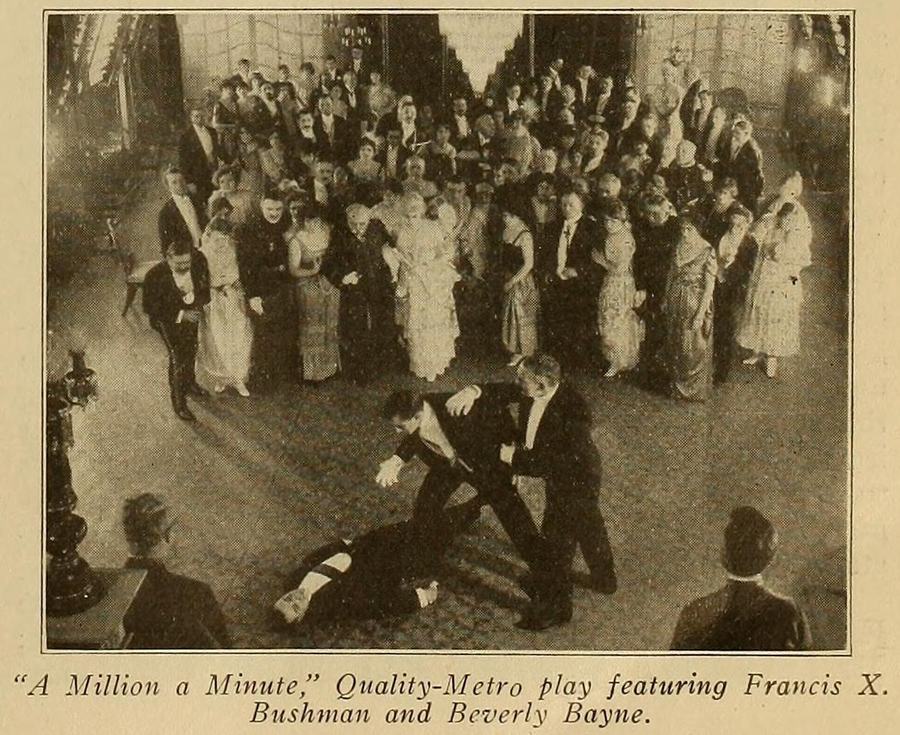
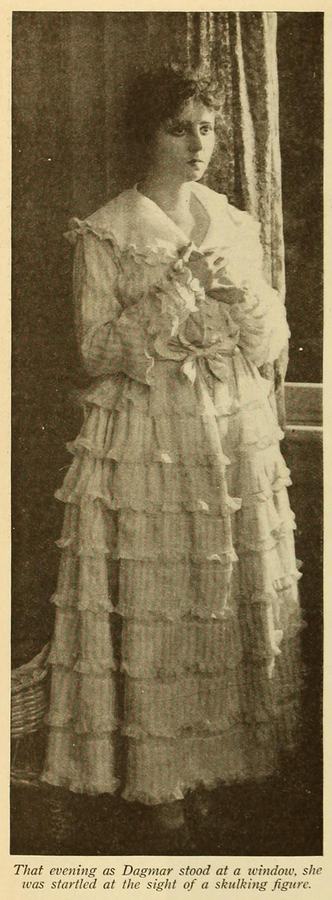
Dagmar Lorraine, the other half of this forced union, is a character of exquisite vulnerability and burgeoning strength. Her own romantic ordeal in Paris with the unsavory Duke de Reves – a cad of the highest order whose betrayal leaves her heartbroken and fleeing back to America – provides a parallel narrative of disillusionment. Her journey is one of healing and self-discovery, made all the more compelling by the fact that she is unwittingly thrust into Miles's elaborate scheme. Her initial encounters with Stephen, disguised and under an assumed name, are moments of pure cinematic serendipity, weaving their individual threads of destiny together with a deft hand. The film expertly uses these chance meetings to build a burgeoning connection between them, making their eventual, fated union feel less like a contractual obligation and more like an organic unfolding of affection.
The film's narrative engine truly ignites with the introduction of Mark Seager, a cynical gunrunner and opportunist who stumbles upon the body of a white man in Africa, cleverly staged by Stephen to fake his own death and escape his uncle's will. Seager’s audacious plan to impersonate Stephen and claim the inheritance adds a thrilling layer of mistaken identity and outright villainy. His journey to America, hot on the heels of the true Stephen and Dagmar, transforms the story into a breathless chase. This element of impersonation and the high stakes involved in claiming a fortune might remind viewers of the intricate plots found in films like Mr. Barnes of New York, where identity and deception are central to the unfolding drama, though A Million a Minute amplifies the personal cost.
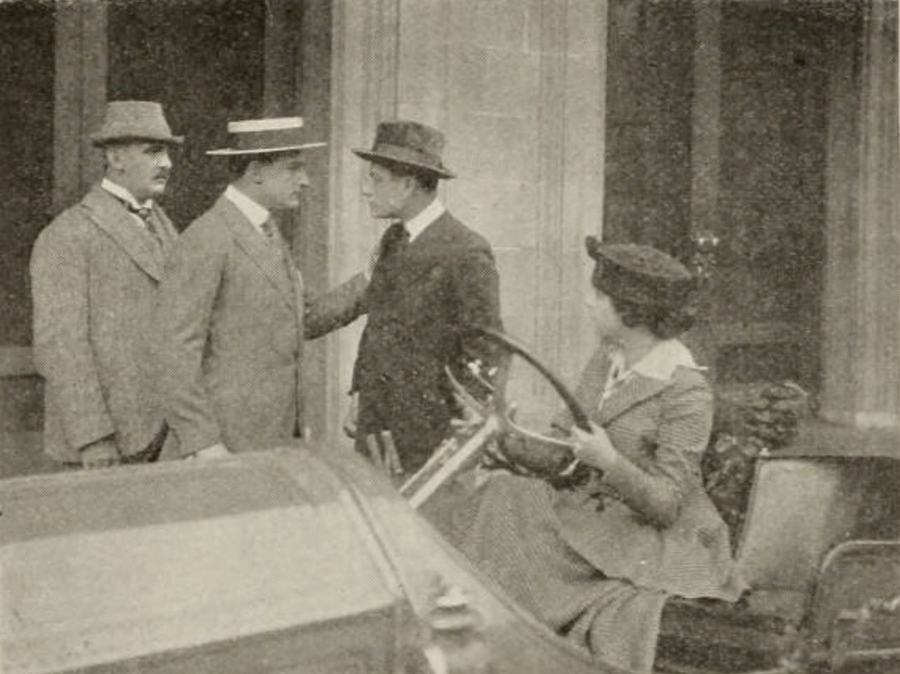
The global scope of the story is remarkable for its time. From the Southland of America to the desolate stretches of South Africa, and finally to the romantic yet treacherous streets of Paris, the film is a veritable travelogue of dramatic locales. The various characters – Stephen, O'Farrell (his loyal companion), Seager, the Duke, and Dagmar – crisscross continents, each propelled by their own motivations, creating a thrilling convergence of destinies. The scene where Stephen, still unaware of Dagmar's identity, heroically intervenes to save her from the Duke's blackmailing valet in a restaurant is a pivotal moment. It’s a classic meet-cute, imbued with immediate chemistry and a touch of danger, showcasing Stephen's innate chivalry and Dagmar's quiet resilience.
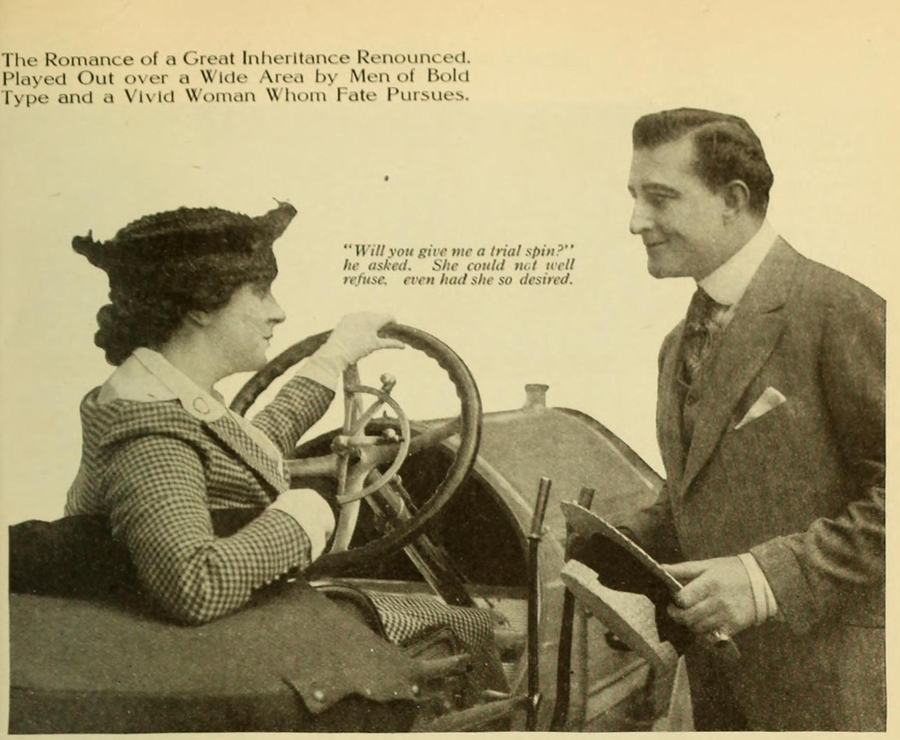
The intertwining of their paths continues with the sale of Dagmar's automobile to Stephen, a transaction born out of her dwindling funds and his recognition of the car from their previous encounter. These seemingly coincidental events are, in fact, the subtle workings of fate, drawing them inexorably closer even as external forces conspire to keep them apart. The relentless pursuit by the Duke and his valet, coupled with Seager's opportunistic machinations, ensures that Dagmar’s life remains in constant peril, forcing her to flee once more, this time to Paris where she has hidden funds. This constant movement and the escalating stakes are hallmarks of the film's thrilling pace.
The Parisian act of the film is a masterclass in escalating tension. Seager, the Duke, Stephen, and O'Farrell all converge in the City of Lights, each with their own designs on Dagmar. Seager's audacious attempt to force Dagmar into marriage, believing he is securing his fortune, highlights his ruthless ambition. The Duke, meanwhile, attempts a manipulative reconciliation, promising a changed life and societal acceptance, a desperate plea from a man whose reputation precedes him. Dagmar's struggles between these two nefarious figures are palpable, creating a sense of claustrophobia despite the grand setting. The film doesn't shy away from portraying the darker aspects of human nature, showing how greed and obsession can corrupt even the most romantic of backdrops.
The climax in the deserted Parisian house is nothing short of operatic. Seager’s desperate attempt to force Dagmar into a marriage, witnessed by a rascally advocate, is interrupted by the dramatic arrival of the Duke, leading to a violent confrontation that results in the Duke's death. Just as the clock ticks down to the fateful midnight hour, Stephen and O'Farrell, having tracked the Duke's valet, burst onto the scene. It’s a beautifully orchestrated sequence of rescues and revelations, with the fate of $10 million hanging in the balance, a mere ten minutes separating them from either immense wealth or utter destitution. The timing is exquisite, a cinematic dance with destiny.
In these frantic final moments, amidst the chaos and the revelation of their true identities, Stephen and Dagmar finally declare their profound love for one another. This isn't a love born of convenience or contractual obligation, but one forged through shared peril, mutual respect, and an undeniable attraction. Their decision to reject Miles's conditional fortune, to allow the clock to strike twelve without claiming a penny, is the film’s most powerful statement. It's a triumphant affirmation that genuine love transcends material wealth and manipulative legacies. They choose a future built on affection and integrity, rather than inherited gold, a powerful message that resonates even today. This rejection of wealth for love's sake is a recurring theme in many romantic dramas, but here it feels particularly earned, given the immense trials the characters have faced.
The performances in A Million a Minute, though from an earlier cinematic era, possess a captivating intensity. Francis X. Bushman, as Stephen, embodies the conflicted hero with a compelling blend of inherited angst and innate heroism. Beverly Bayne, as Dagmar, portrays a nuanced vulnerability that blossoms into quiet strength, making her character's journey deeply empathetic. The supporting cast, including Charles Prince as the initially malevolent Miles and John Davidson as the villainous Duke, deliver performances that firmly anchor the film’s melodramatic leanings, ensuring that each character’s motivation, however exaggerated, feels real within the context of the story. Their portrayals contribute significantly to the film’s ability to sustain its intricate plot and emotional weight.
Thematically, A Million a Minute is remarkably rich. It explores the enduring weight of the past, the possibility of redemption, and the eternal conflict between love and money. It's a profound meditation on how past actions ripple through generations, shaping destinies in unforeseen ways. The intricate web of coincidences and calculated manipulations ultimately serves to highlight the power of individual choice and the triumph of genuine human connection. The film suggests that while fate may set the stage, it is the characters' decisions, particularly their choice to prioritize love over a vast inheritance, that truly define their ultimate happiness. This thematic depth elevates it beyond a mere adventure story into something more resonant.
Comparing it to other films of its period, one might find thematic echoes in the complex family dynamics and secrets explored in films like Mixed Blood, where hidden histories and relationships drive much of the dramatic tension. Similarly, the societal pressures and romantic entanglements faced by Dagmar and Stephen, and the choice between love and societal expectation, could draw parallels with the intricate relationship narratives found in something like Do Men Love Women?, though A Million a Minute amplifies these themes with its grander scale and higher stakes. The sheer scope and relentless plotting ensure it stands out as a particularly ambitious undertaking.
Ultimately, A Million a Minute is a captivating relic, a cinematic journey that, despite its age, retains an undeniable charm and thrilling energy. It’s a testament to the power of storytelling, demonstrating how a compelling plot, well-drawn characters, and a relentless pace can create an unforgettable experience. It reminds us that some themes – love’s triumph, the burden of the past, and the pursuit of happiness – are truly timeless. For anyone seeking a deep dive into the rich narrative traditions of early cinema, or simply a grand adventure steeped in romance and intrigue, this film offers a generous bounty. It’s a vibrant, exhilarating ride that proves a million minutes, or even a single one, can hold an eternity of drama.

IMDb 3.5
1930
Community
Log in to comment.