DbcultAccessing Vault...
6.5/10
Senior Film Conservator
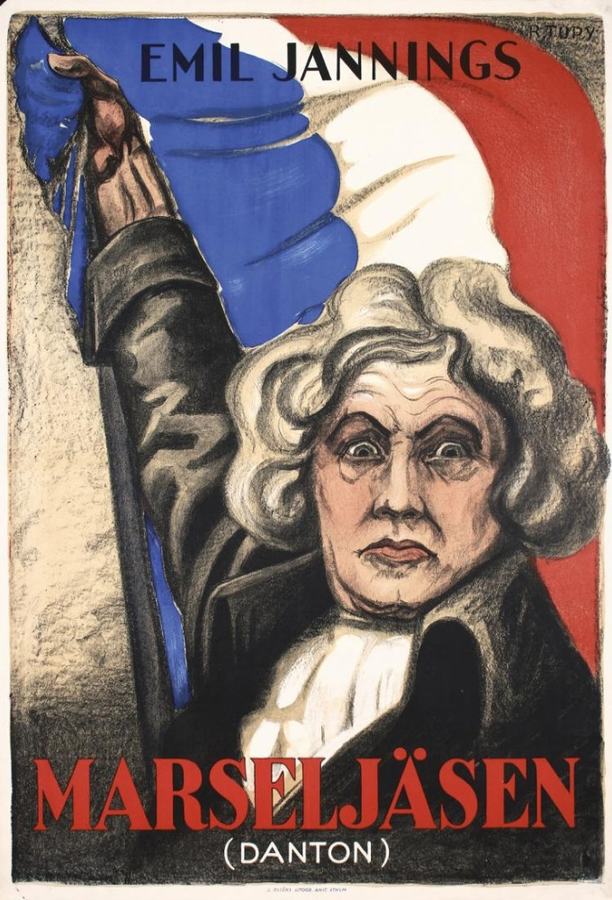
A definitive 6.5/10 rating for a film that redefined the boundaries of cult cinema. Danton remains a cornerstone of transgressive art.
The annals of cinematic history are replete with attempts to capture the seismic shifts of human endeavor, but few manage to encapsulate the raw, visceral energy and tragic irony of revolution quite like Dmitriy Bukhovetskiy’s 1921 masterpiece, Danton. This isn't merely a recounting of historical events; it's a penetrating psychological study, an operatic drama of clashing titans, and a stark reminder of how quickly noble ideals can curdle into tyrannical fervor. Based on Georg Büchner's seminal play, and brought to life by a team of visionary writers including Carl Mayer and Johnstone Craig, the film thrusts us into the very heart of the French Revolution's most perilous phase, where the line between liberator and oppressor blurs with terrifying speed.
At its core, Danton is a meticulously crafted exploration of the ideological schism that ultimately consumed the French Revolution from within. The narrative centers on the escalating, fatal rivalry between two of its most formidable, yet diametrically opposed, figures: Georges Danton and Maximilien Robespierre. This isn't a simplistic portrayal of good versus evil, but rather a nuanced examination of two men, both driven by an unshakeable belief in their vision for France, yet fundamentally divided on the means to achieve it. Danton, brought to life with an almost Shakespearean grandeur by the incomparable Emil Jannings, is depicted as a man of robust appetites, earthy charm, and a pragmatic, humanistic approach to governance. He is the voice of moderation, the advocate for an end to the bloodshed, and a figure who, having tasted power, now yearns for a return to normalcy and stability. His portrayal resonates with a profound sense of weary wisdom, a man burdened by the revolution's excesses but still possessing the courage to speak truth to power.
Conversely, Conrad Veidt, as Robespierre, delivers a performance of chilling austerity. His Robespierre is a gaunt, ascetic figure, a prophet of incorruptible virtue whose unwavering commitment to the revolutionary ideal transcends all human sentiment. He believes in the necessity of terror to purify the republic, to weed out all perceived enemies and traitors, and to forge a new society built on an abstract, unyielding morality. Veidt's portrayal is masterful in its subtlety; his eyes, often shadowed and intense, convey a fanaticism that is both terrifying and tragically compelling. The film doesn't vilify him outright but presents him as a man utterly consumed by his own logic, a terrifying embodiment of ideological purity divorced from compassion.
The dramatic tension of Danton stems from this fundamental opposition. Danton, having been instrumental in the early, more radical phases of the revolution, now seeks to apply the brakes. He sees the Committee of Public Safety's escalating arrests and executions not as necessary evils, but as a descent into madness, a self-cannibalizing frenzy that threatens to devour the very principles it claims to uphold. His speeches, though often boisterous and impassioned, are imbued with a desperate plea for humanity, for an end to the relentless cycle of suspicion and death. Jannings captures this internal conflict beautifully, portraying a man wrestling with the monstrous progeny of his own revolutionary zeal.
Robespierre, however, views Danton’s moderation as weakness, a betrayal of the revolution's sacred trust. For him, the revolution is an ongoing process of purification, and any deviation, any call for clemency, is tantamount to counter-revolution. The film expertly depicts the insidious nature of this logic, where dissent becomes treason, and mercy becomes a crime. The supporting cast, featuring talents like Werner Krauss and Fritz Kortner, further enriches this political tapestry, portraying various factions and individuals caught in the tightening grip of revolutionary paranoia. Their performances, even in smaller roles, contribute significantly to the film's immersive atmosphere of fear and suspicion. One might draw parallels to the political machinations and personal betrayals depicted in films like The Field of Honor, which also delves into the moral complexities of loyalty and ambition in a time of strife, though Danton elevates these themes to a grander, more tragic scale.
Bukhovetskiy’s direction, coupled with the meticulous art direction by Hans Dreier, creates a palpable sense of foreboding. The sets are grand yet claustrophobic, reflecting the oppressive atmosphere of revolutionary Paris. The use of shadows and stark contrasts, characteristic of German Expressionist cinema of the era, is particularly effective in conveying the moral darkness that descends upon the city. The looming guillotine, a constant, silent character in itself, serves as a stark visual metaphor for the revolution's self-destructive path. The film’s cinematography isn't just functional; it’s an active participant in telling the story, enhancing the emotional weight of each scene. The crowded assembly halls, the somber prison cells, and the frantic street scenes are all rendered with a dramatic flair that captures the chaos and fear of the period.
The narrative builds inexorably towards Danton's inevitable downfall. His attempts to rally support against Robespierre, his impassioned speeches before the National Convention, and his defiant stance during his trial are portrayed with a gripping intensity. The film does not shy away from the brutality of the era, depicting the arbitrary arrests, the summary trials, and the relentless march to the scaffold. Yet, amidst this horror, it highlights the resilience of the human spirit, particularly in Danton's final moments. The performances of the entire ensemble cast, including Maly Delschaft, Else Lorenz, and Hilde Woerner, bring a rich texture to the background, illustrating the human cost of political extremism. Even smaller roles, such as those played by Albert Florath or Friedrich Kühne, contribute to the tapestry of a society teetering on the brink.
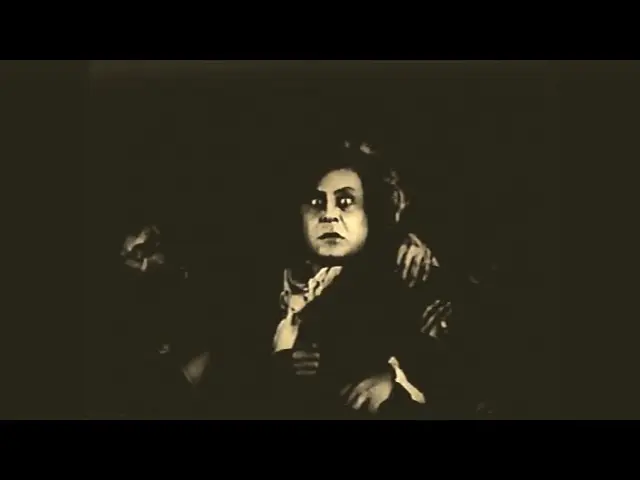
The film's enduring power lies significantly in the monumental performances of Jannings and Veidt. Emil Jannings, a titan of the silent screen, imbues Danton with a palpable sense of life, warmth, and tragic heroism. His Danton is flawed, perhaps prone to excess, but deeply human. When he argues for an end to the terror, his voice, though unheard in a silent film, is conveyed through his expressive face and powerful gestures, resonating with a universal plea for sanity. His journey from revolutionary firebrand to a voice of reason against the escalating terror is both heartbreaking and inspiring. This performance stands alongside his other great works, cementing his legacy as one of the most compelling actors of his generation.
Conrad Veidt, on the other hand, crafts a Robespierre who is a chilling embodiment of abstract ideology. His gaunt features, piercing gaze, and almost spectral presence make him a truly formidable antagonist. Veidt doesn't play Robespierre as a cartoon villain; instead, he portrays him as a man utterly convinced of his own righteousness, a terrifying purity that justifies any atrocity. His performance is a masterclass in controlled intensity, making Robespierre's descent into tyranny all the more disturbing because it stems from conviction, not malice. The dynamic between these two actors is the engine of the film, creating a dramatic friction that electrifies every scene they share.
The supporting cast also deserves commendation for their contributions to this historical epic. Actors like Bernd Aldor, Eduard von Winterstein, and Robert Scholz, though perhaps less central, add crucial layers to the political landscape, portraying the shifting loyalties and anxieties of the time. The sheer depth of talent gathered for this production is evident in every frame, from the grand pronouncements of the leaders to the fearful whispers of the common citizens. The film's ability to maintain a sense of gravitas and historical weight, even in its most dramatic moments, is a testament to the collective skill of its cast and crew.
Danton is more than just a historical drama; it's a timeless meditation on the corrupting nature of absolute power and the perilous tightrope walk between justice and tyranny. It asks profound questions about the limits of revolution, the sacrifices demanded in the name of an ideal, and the terrifying ease with which a populace, once liberated, can be brought under a new, even more ruthless form of oppression. The film's exploration of mob psychology, the manipulation of public opinion, and the chilling mechanisms of political purges remain disturbingly relevant, echoing through various historical periods and political movements long after the French Revolution.
The tragic irony of the revolution devouring its own children is never far from the surface. Danton, a hero of the early days, finds himself condemned by the very system he helped create. His final, defiant moments before the guillotine are not just a personal tragedy but a symbolic indictment of the revolution's failure to live up to its own ideals of liberty, equality, and fraternity. The film subtly critiques the abstract, dehumanizing logic that can take root when ideological purity becomes paramount, demonstrating how quickly a pursuit of a utopian vision can lead to a dystopian reality. This theme, of a movement turning on its founders, can be seen in other historical narratives, though perhaps none quite as starkly as in Danton.
The film's writers, from Büchner to Bukhovetskiy's team, understood that the true drama of the French Revolution lay not just in the battles and the grand pronouncements, but in the agonizing moral choices faced by its leaders. The screenplay masterfully distills these complexities, presenting a narrative that is both historically grounded and profoundly human. The pacing, though deliberate, never feels slow; instead, it builds a relentless momentum towards the inevitable climax, drawing the audience deeper into the moral labyrinth of the period. The film doesn't offer easy answers, but rather compels viewers to ponder the eternal questions of power, morality, and the human cost of political zealotry.
Even a century after its release, Danton retains its power to captivate and provoke. Its influence can be seen in subsequent historical dramas and character studies that delve into the lives of powerful, conflicted figures. It's a testament to the enduring appeal of profound storytelling and exceptional acting. For those interested in the French Revolution, or indeed, in the timeless dynamics of political power and human fallibility, this film is essential viewing. It’s a stark reminder that history is not just a series of dates and events, but a tapestry woven from human ambition, conviction, and often, profound tragedy.
The film's exploration of revolutionary fervor and its inherent dangers makes it a compelling companion piece to other historical epics, though few match its intensity and psychological depth. It stands as a significant achievement in silent cinema, showcasing the expressive potential of the medium through its powerful visuals and compelling performances. The meticulous attention to period detail, the grandeur of its sets, and the sheer dramatic force of its narrative combine to create an unforgettable cinematic experience. It's a film that doesn't just inform but deeply moves, leaving an indelible impression on its audience. The conflicts portrayed, the moral dilemmas, and the ultimate human cost resonate with an urgency that transcends its historical setting, making Danton a truly timeless work of art.
IMDb 4.4
1934
Community
Log in to comment.