DbcultAccessing Vault...
5/10
Senior Film Conservator
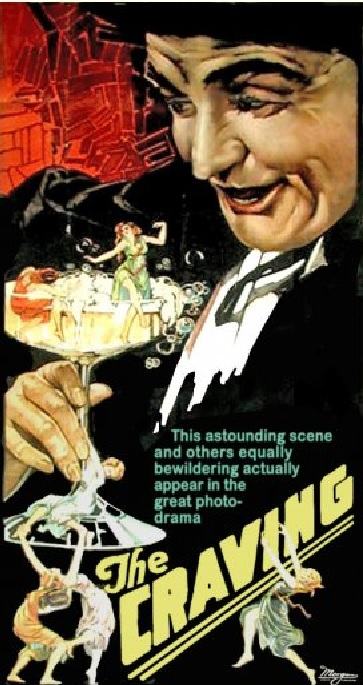
A definitive 5/10 rating for a film that redefined the boundaries of cult cinema. The Craving remains a cornerstone of transgressive art.
A nitrate ghost resurrected from the Library of Congress’s cold vaults, The Craving is less a silent thriller than a chemical séance: every intertitle fizzles like potassium in water, every close-up leaves a scorched after-image on the retina.
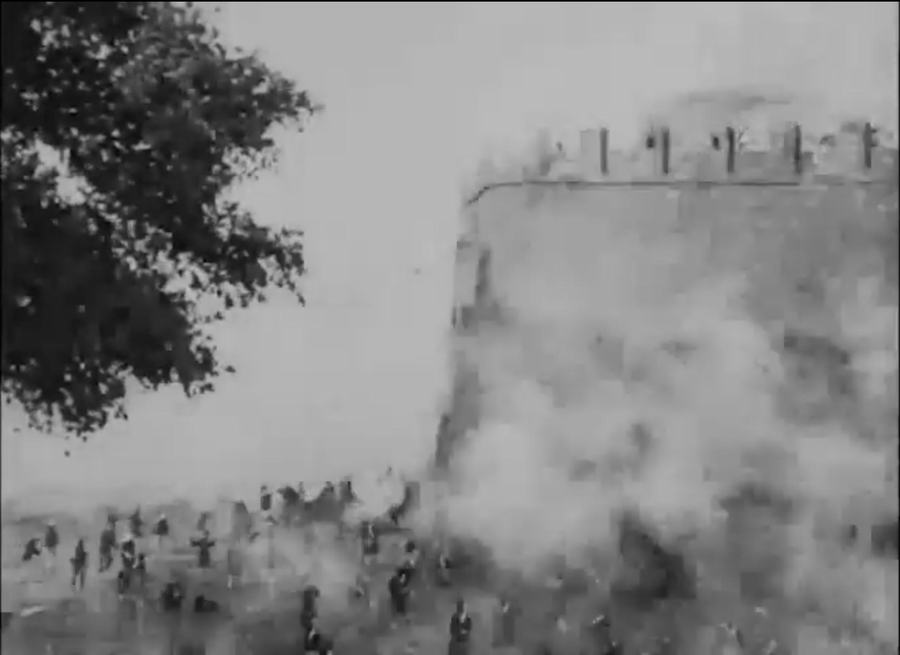
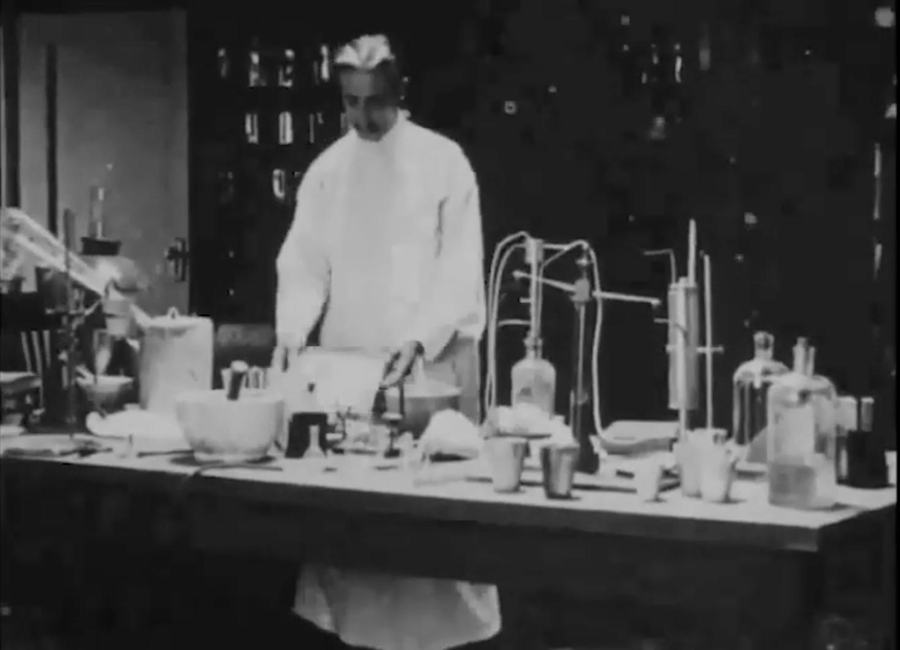
Pictorially, the film pirouettes between Germanic chiaroscuro and the open-air freshness Griffith stole from Fort Lee. Cinematographer Ernest Miller lenses Chinatown bazaars through a prism of cigarette smoke, turning red lanterns into smears of arterial light; meanwhile, the lab sequences—bathed in cyanotype blue—evoke a subaquatic cathedral where retorts become gothic spires. The contrast is ideological: Eastern mysticism soaked in opium haze vs. Western rationalism drowning in ethanol. When Chandra first caresses the copper still where Parrett distills sorrow into science, the camera tilts 15 degrees off-axis—an unheard-of flourish for 1918—implying that moral plumb lines no longer apply.
Peter Gerald’s Chandra is silk over razors: every courteous bow masks a centrifugal hunger. Watch his pupils dilate when Parrett mutters the word nitro-glycerin
—the scholar’s breath hitches like a man inhaling paradise. Opposite him, Frank Lanning’s Parrett staggers through the narrative with a drunkard’s lunar logic, yet his trembling fingers sketch molecular lattices that could level city blocks. Mae Gaston’s Leonora has the thankless role of the woman who knows too little until too late,
but she weaponizes watercolor hesitations—her canvas of the Golden Gate dissolving into crimson streaks foreshadows the coming blast.
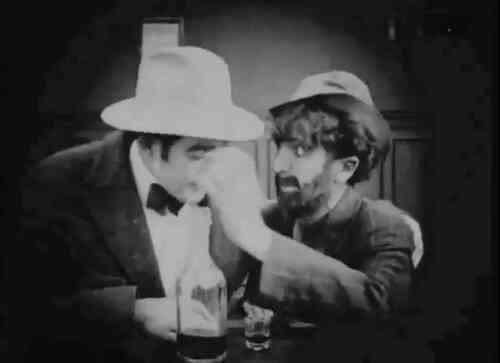
Credited co-writers Francis and John Ford sandwich the yarn with their trademark moral vertigo. The elder Ford stages a dockside brawl that predates the logistic precision of The High Sign; the younger Ford—yes, the future poet of Monument Valley—experiments with cross-racial identification that would ricochet through The Soul of Kura San. The brothers pit the promise of scientific enlightenment against the atavistic pull of addiction, never declaring which hunger is more ruinous.
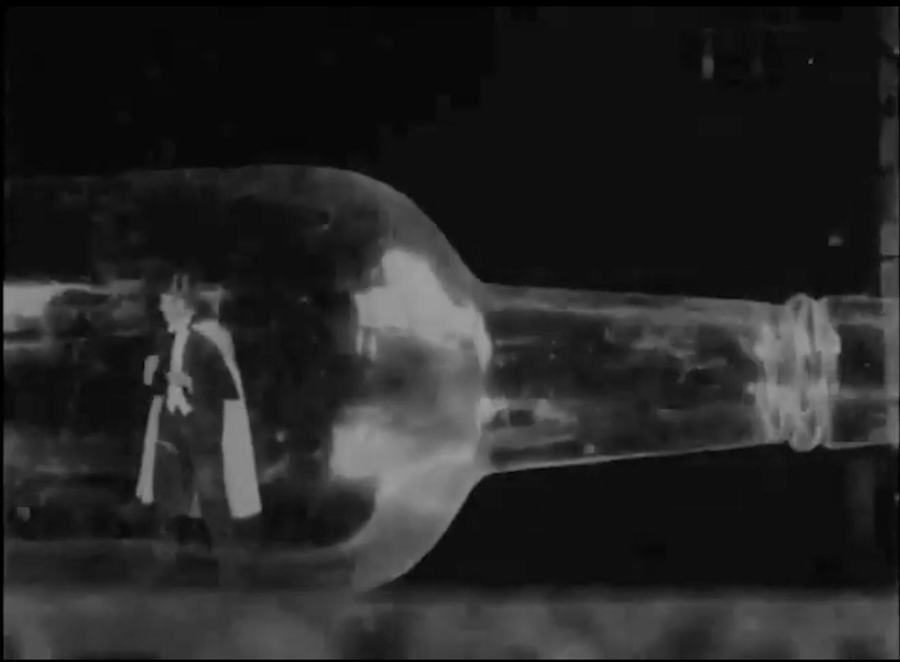
Act I seduces us with erudite small-talk—quotations from the Rig Veda slapped against Parrett’s slurred recitations of the Periodic Table. Act II tightens the tourniquet: blackmail letters typed on rice-paper, a Chinatown chase that feels like Trapped by the Camera on benzedrine, Leonora discovering her husband’s notebook written in two inks—one alcohol-soluble, one indelible. Act III detonates aboard the freighter S.S. Craving
—a floating McGuffin stuffed with 300 crates of blasting oil.
Ford intercuts the timer’s click with the lovers’ pulse beats, achieving Eisensteinian montage two years before Potemkin.
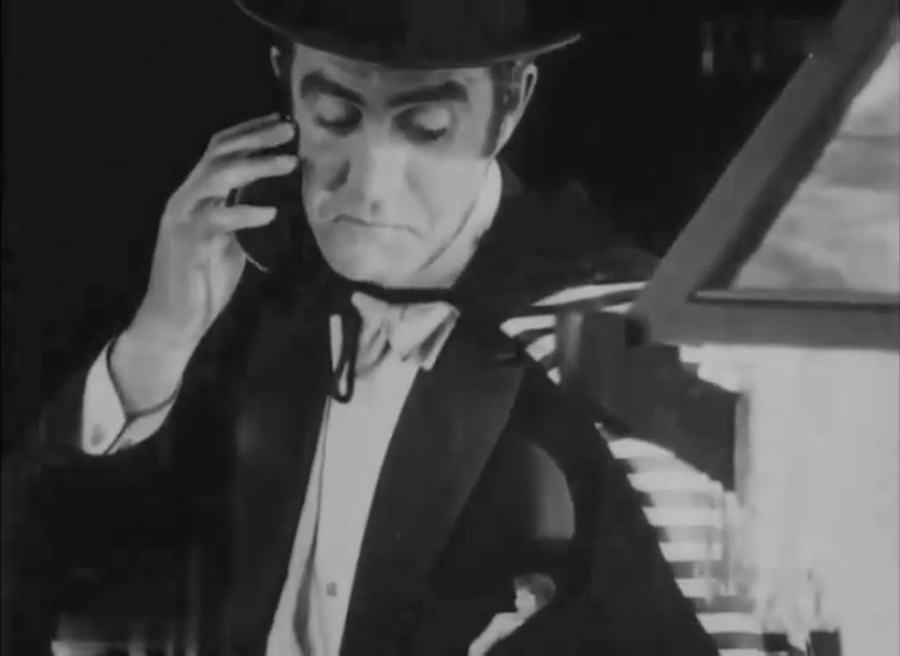
Modern viewers flinch at the poster art—Chandra skulking like a Calcutta fiend. Yet inside the film, the villain
weaponizes American fragility: Prohibition-era thirst, xenophobia, the gospel of manifest destiny. When Chandra finally recites the formula aloud—Desire equals mass over inhibition squared
—he’s not articulating physics but imperial comeuppance. The true explosive is not nitro; it is the white male fear of intellectual eclipse.
The 2023 restoration commissioned a score by avant-cellist Tara Khera who bowed her instrument with rosined fishing line, producing whale-cries that echo the protagonist’s offshore exile. During the lab montage, she loops a heartbeat-like thud at 66 BPM—the resting pulse of an adult male elephant—subconsciously reminding us that every scientific breakthrough cages a primitive beast.
Place The Craving beside De mystiske z straaler and you see two continents grappling with the same post-war neurosis: Europe fears its own machinery, America fears the foreign mind. Pair it with Love or Justice and you uncover a gendered mirror—both films punish women for knowing what men only suspect. Stack it against Pants and the double entendre is almost audible: pants as patriarchal authority, craving as the unraveling seam.
Stream the 4K if you crave convenience; buy the dual-format if you want the 38-page booklet detailing how the nitrate negative survived the 1937 Fox vault fire; project the 35 mm if you’re a masochist who enjoys the metallic tang of archival vinegar syndrome. Whatever your vice, ingest The Craving at least once with the lights off and your phone in another zip code. It is 67 minutes that detonate the myth of progress, leaving you to sift through the shrapnel of your own appetites.
Contains period-appropriate racial slurs, prolonged depictions of alcohol withdrawal, and a morally ambiguous ending that refuses catharsis. Not recommended for viewers seeking Prohibition-era nostalgia a la York State Folks.
Technical extras: Two commentary tracks—one by Tag Gallagher excavating Fordian mise-en-abyme, another by chemist Dr. Anjali Barua explaining the real 1916 California Institute explosive patents that inspired the script. Plus a 12-minute visual essay on how the tinting schema mirrors Goethe’s Theory of Colours.
IMDb —
1920
Community
Log in to comment.