DbcultAccessing Vault...
5.8/10
Senior Film Conservator
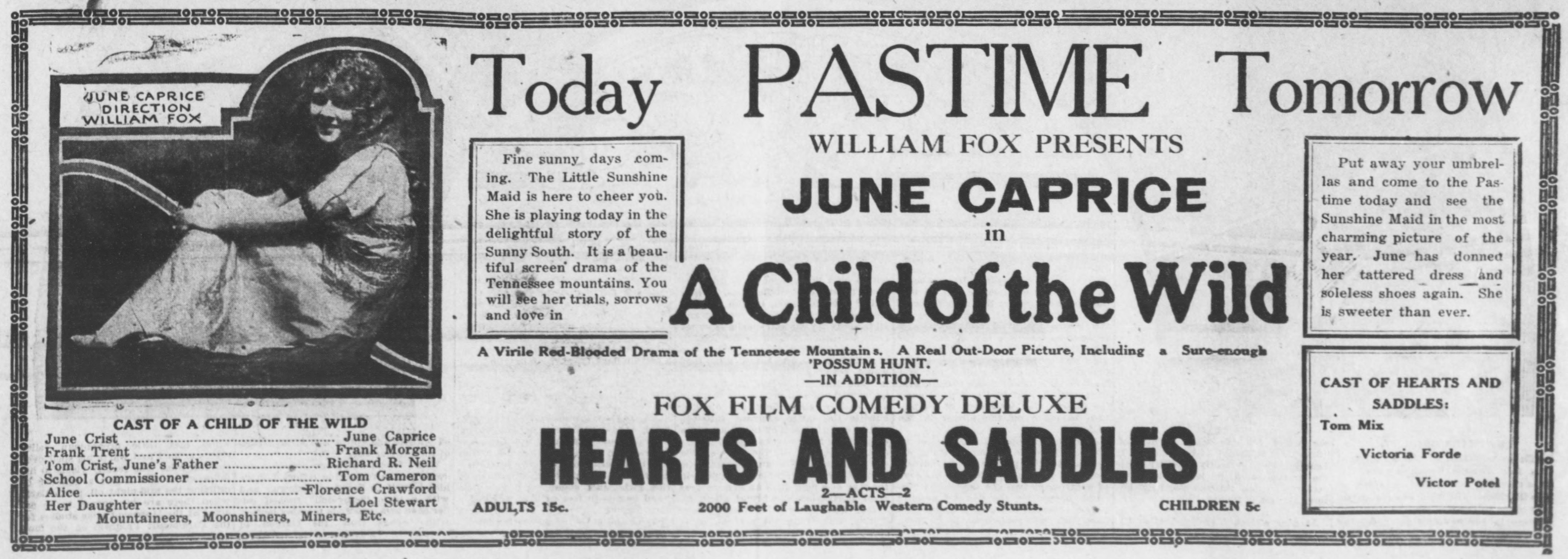
A definitive 5.8/10 rating for a film that redefined the boundaries of cult cinema. A Modern Cinderella remains a cornerstone of transgressive art.
To witness A Modern Cinderella is to step into a temporal capsule where the sensibilities of the Edwardian era collide with the burgeoning audacity of early American cinema. Directed during a period of profound transition for Fox Film Corporation, this work serves as a fascinating specimen of the 'Sunshine Maid' subgenre, predominantly characterized by the ethereal presence of June Caprice. Unlike the rugged landscapes found in Arizona, the stakes here are internal, domestic, and eventually, startlingly maritime. The film navigates the treacherous waters of familial jealousy and social posturing with a sincerity that modern audiences might find bewildering, yet it possesses an inherent structural integrity that demands respect.
The narrative engine is fueled by a classic fairy-tale inversion. While the title evokes Perrault, the execution feels closer to a proto-feminist reclamation of agency. Joyce, portrayed with a delicate yet resilient fervor by Caprice, is not merely waiting for a glass slipper; she is actively forging the mold. Her mother’s blatant favoritism toward Polly (Betty Prendergast) creates a pressure cooker of resentment that mirrors the social hierarchies explored in The Pretenders. The film excels in depicting the subtle cruelties of the parlor room, where a glance or a withheld invitation carries the weight of a death sentence. The cinematography, though restricted by the technology of its era, captures the stark contrast between Joyce’s relegated status and Polly’s orchestrated brilliance.
For many, the primary allure of this artifact is the presence of a young Frank Morgan. Decades before he would become the definitive Wizard of Oz, Morgan portrays Tom with a grounded sincerity that anchors the film’s more flighty impulses. His chemistry with Caprice is palpable, evolving from a shared conspiracy into a genuine bond. This trope of 'pretend love' becoming reality is a staple of the era, reminiscent of the comedic misunderstandings in Over Night, yet here it is treated with a gravity that borders on the operatic. Tom is not merely a prize to be won; he is a witness to Joyce’s unfolding self-actualization.
The script, penned by Florence Auer, displays a keen understanding of the gendered expectations of 1917. While the mother’s machinations are villainous, they are rooted in a desperate desire for security—a theme echoed in the more somber The Taint. Polly’s decision to flirt with Harry (Stanhope Wheatcroft) as a means to pique Tom’s interest is a classic gambit of the 'coquette' archetype, but in this cinematic universe, such games have visceral consequences. The film suggests that romantic artifice is a dangerous tool, one that can easily backfire when faced with the purity of Joyce’s quiet rebellion.
The third act of A Modern Cinderella features one of the most eccentric narrative pivots in silent cinema history. Joyce’s decision to plunge into shark-infested waters to prove her love is a moment of pure, unadulterated melodrama that defies logical scrutiny. It is a sequence that rivals the spectacular perils of Protea II for sheer audacity. Why must love be validated by the threat of predation? In the context of 1917, this represents the ultimate sacrifice—the physical manifestation of an emotional truth. The 'shark' serves as a primal force, a chaotic element introduced into the refined world of lawn parties and social calls.
The subsequent hospital sequence, where Tom must operate on Joyce, shifts the film into the realm of the medical procedural—a precursor to the myriad of doctor dramas that would eventually dominate the medium. This 'operation on the heart' is both literal and symbolic. It bridges the gap between the physical trauma of the sea and the emotional trauma of Joyce’s upbringing. The resolution is not merely a marriage proposal; it is a clinical and spiritual restoration. This blending of the domestic and the extreme is a hallmark of the period, much like the tonal shifts in Forbidden Fruit.
In evaluating the visual grammar of this film, one must acknowledge the influence of the Fox aesthetic—a certain sharpness in composition that sought to distinguish itself from the more stage-bound productions of the time. While it lacks the sprawling political ambition of Birth of Democracy, it possesses a focused intimacy that is arguably more effective. The costuming, particularly for the two sisters, serves as a visual shorthand for their diverging paths: Polly in the ornate, restrictive fashions of the social climber, and Joyce in the simpler, more kinetic attire of the modern woman, echoing the titular character in Peggy Leads the Way.
The film’s exploration of the 'underdog' sister is a recurring motif that resonates through works like The Stronger Love. However, the specific inclusion of the shark encounter elevates A Modern Cinderella into a unique category of silent film curiosity. It is a work that refuses to be contained by its own genre, veering from a comedy of manners into a survivalist thriller with dizzying speed. This unpredictability is what keeps the film relevant to modern scholars; it is a testament to an era of filmmaking where the rules were still being written, and no plot point was considered too outrageous if it served the emotional climax.
June Caprice’s performance remains a beacon of silent era charm. Her ability to convey vulnerability without descending into patheticism is a skill that many of her contemporaries lacked. She brings a 'modern' sensibility to the role that justifies the film’s title, suggesting a woman who is cognizant of the systems working against her and willing to engage in high-stakes gambling to overcome them. This is not the passive Cinderella of folklore; this is a woman who would rather face a predator of the deep than spend another day as a background player in her own life. Her portrayal is far more nuanced than the archetypes found in The Fox Woman.
Frank Morgan, even this early in his career, displays the charisma that would make him a mainstay of the studio system. His Tom is a man of science forced to confront the irrationality of love, a role he plays with a stoic warmth. The interaction between the two leads provides a prototype for the romantic leads of the 1920s, bridging the gap between the Victorian moralism of Mary Jane's Pa and the more liberated dynamics of the Jazz Age. The film stands as a crucial link in the evolution of the American romantic drama.
Ultimately, A Modern Cinderella is a triumph of thematic ambition over narrative restraint. It is a film that dares to ask if love can survive both social ostracization and physical annihilation. While it shares some DNA with the theatrical spectacles of The Black Crook, its heart is firmly rooted in the human experience. It reminds us that even within the rigid frameworks of early 20th-century society, there was room for the extraordinary, the bizarre, and the deeply moving. To watch it today is to appreciate the sheer imaginative willpower of the pioneers who dared to put a shark in a Cinderella story, forever altering the landscape of what a 'modern' fairy tale could be. It is a vital, if eccentric, piece of cinematic history that continues to shine with a peculiar, enduring light, much like the 'Sunshine Maid' herself.
Whether one views it as a cautionary tale about the dangers of sibling rivalry or a surrealist exploration of romantic devotion, the film leaves an indelible mark. It occupies a space similar to Hands Across the Sea in its attempt to bridge disparate worlds through the power of a single, decisive action. In the end, Joyce’s leap into the water is the leap we all take when we choose to love—a terrifying, irrational, and ultimately transformative plunge into the unknown.
IMDb —
1922
Community
Log in to comment.