DbcultAccessing Vault...
Cult Review
Senior Film Conservator
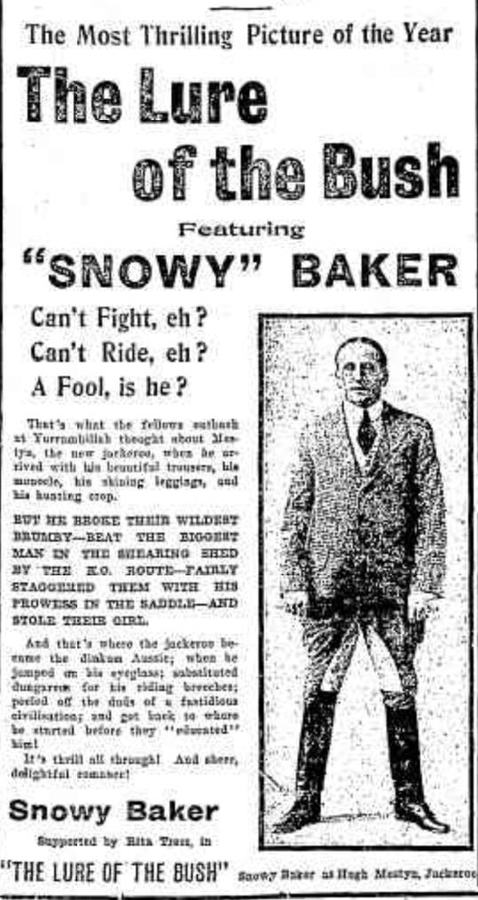
A celluloid comet long thought vaporised in bushfire archives, The Lure of the Bush has resurfaced via a nitrate print unearthed in a disused Tasmanian butter factory. One humid afternoon I threaded the 35-mm artefact through a hand-cranked Bell & Howell, and the screen detonated with ochre ghosts. What follows is neither nostalgic genuflection nor academic post-mortem, but a splenetic love-letter to a film that swaggers, staggers, sometimes crawls—yet never blinks.
Forgive the effusiveness; scarcity breeds intoxication. Before the discovery only a single production still lingered: Rita Tress glaring at a gemstone as though it were a live cartridge. Now we possess 8,327 feet of shimmering nitrate, albeit flecked with vinegar syndrome blooms that resemble bruised orchids. The restoration by the National Film & Sound Archive deploys 4K wet-gate scanning, yet leaves enough gate-flutter to remind us of cinema’s mortal pulse.
Franklyn Barrett’s screenplay (story by Jack North) refuses the three-act corset then fashionable in Hollywood. Instead it spirals like a galah in thermal chaos: flashbacks erupt mid-scene, intertitles fracture into haiku, and character motives refract through prismatic edits. The opals function as objet petit a—Lacan would applaud—yet the film also anticipates eco-horror, indicting settler avarice centuries before academic eco-critique became chic.
Observe the opening montage: a rusted mining headframe superimposed over marching Anzac boots; the celluloid itself seems to sweat kerosene. Within forty seconds Barrett establishes that colonial extraction and imperial butchery rhyme. Compare this audacity to the comparatively linear Somewhere in France, where pastoral melodrama yields to trench warfare in tidy sequence.
Rex ‘Snowy’ Baker—real-life Olympic swimmer turned action star—transmutes his athletic semaphore into wounded diffidence. His close-ups linger half-seconds too long, letting guilt pool in the corners of his eyes. In one devastating shot he rehearses a confession to Margaret, but the camera pivots to a lamb’s carcass dangling on a meathook; the splice renders verbal catharsis redundant.
Rita Tress, a veteran of Sydney’s Theatre Royal, channels Lady Macbeth via outback gothic. She never raises her voice above parlour pitch, yet the tilt of her wire-rim spectacles implies scaffold authority. Note how she fondles a stock-whip handle: the leather is worn smooth where thumbs obsess, a detail you would swear the costume department aged with pumice and urine.
Joan Baker, barely eighteen during production, radiates pre-flapper rebellion without the flapper clichés. When she tap-dances on a bar top made from kerosene crates, the rhythm syncopates against the projector’s clatter, creating accidental jazz. Try finding such kinetic spontaneity in Broadway Jones, where even the saloon brawls feel choreographed by a Swiss watchmaker.
Though shot orthochromatically, DoP Franklyn Barrett (doubling as co-writer) wields filters like a drunken colourist. Tobacco grad filters drench horizons in apricot magma, while midnight scenes are bathed in cyan that borders on teal-and-orange avant la lettre. The opals themselves were hand-tinted amber on print #3, creating a stroboscopic wink each time they exchange hands.
Look for the dolly shot through a corrugated-iron corridor: the lens distorts so that rivets bulge like acne, foreshadowing the human bodies soon to be pierced by stampedes. Soviet montage theorists would salivate; Eisenstein’s potemkin steps find their antipodean echo in hoof-pummelled dust.
No original score survives, so every curator must graft new sinew. The Melbourne Cinematheque commissioned a doom-folk trio: cello, musical saw, and didgeridoo pitched to infra-bass that rattles sternums. During the stampede they segue into a 7/8 polyrhythm, colliding with the visual cadence until viewers feel seasick on red dirt. I confess I projected the film in my backyard with only cicadas for accompaniment; when Joan whispered “I want to swallow the horizon,” a real ant crawled across the screen, merging biology with fantasy.
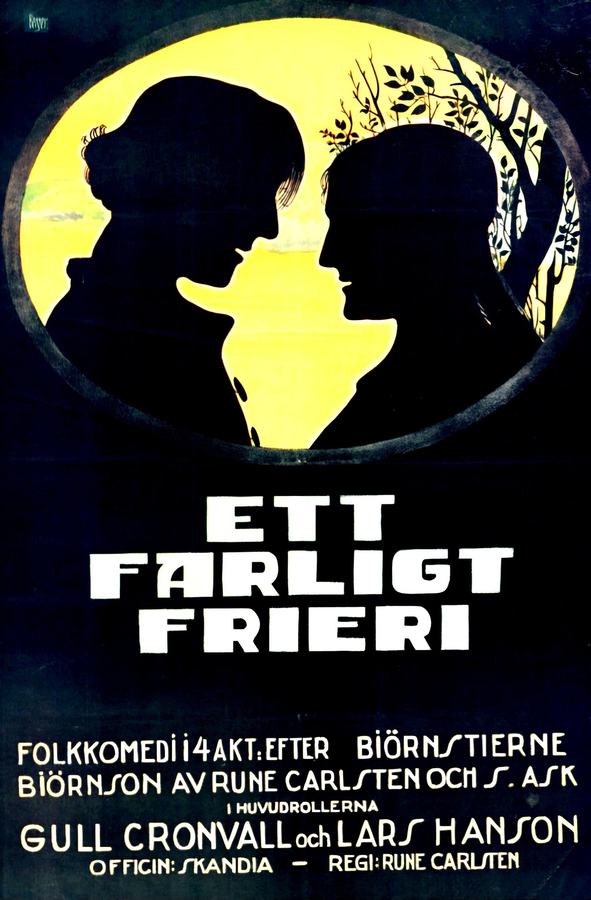
Beyond its genre skin, the film pulsates with unease about invasion mythology. Indigenous presence is spectral: a smoking corroboree site glimpsed through smoke haze, a songline hummed by the mute child. Barrett never subtitles the chant, thereby denying settler spectators interpretive mastery. Contrast this tactful ellipsis with the ethnographic swagger of Edelsteine – Phantastisches Drama in 4 Akten, where colonised bodies serve as ornamental mise-en-abyme.
Gender politics likewise skew progressive. The station’s economic engine is matriarchal: Tress brands cattle, negotiates wool contracts, and dismisses bankers with a raised eyebrow. Men orbit her like spurs—useful, detachable, prone to rust. Margaret’s eventual rejection of marriage is framed not as tragedy but as apotheosis; the intertitle reads: “She chose the sky’s vast ledger, where debt is unknown.”
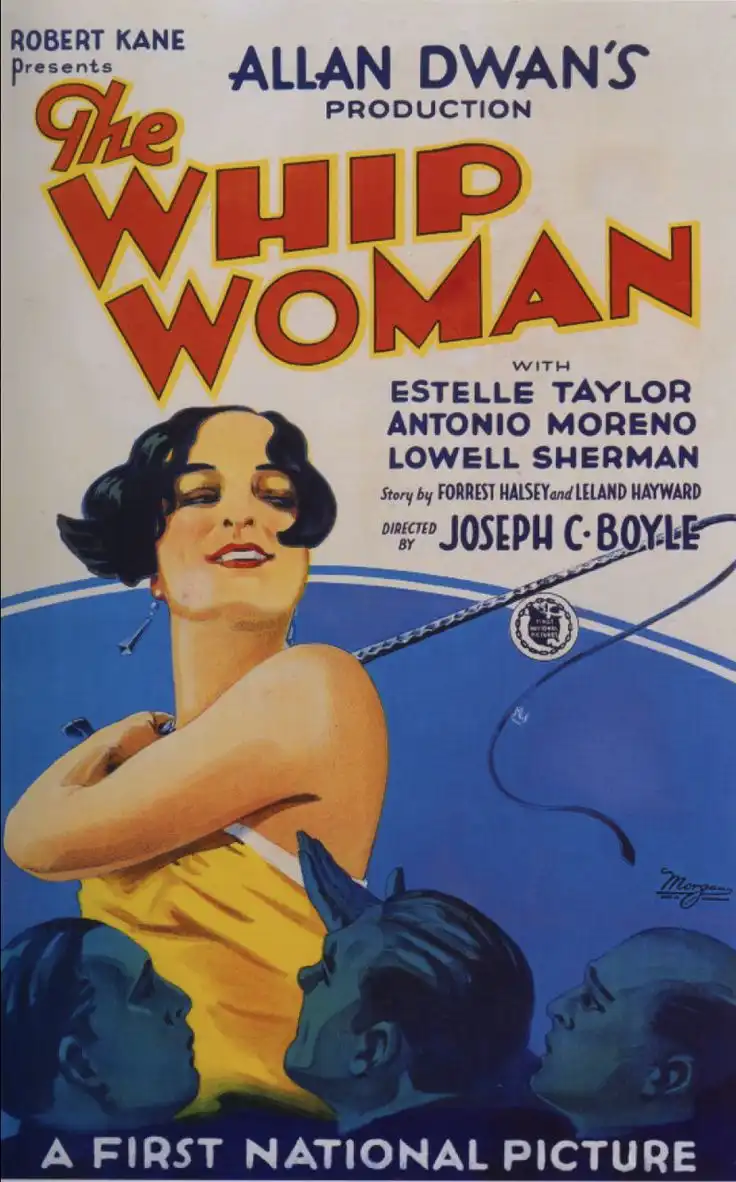
Place The Lure of the Bush beside A Butterfly on the Wheel and you witness antipodal philosophies of suffering. Where the latter domesticates female anguish within parlours and petticoats, Barrett unleashes his heroines into a landscape that devours binaries. Or pair it with Das Todesgeheimnis: both pivot on a secret fatal to all who touch it, yet the German work clings to expressionist shadow while the Australian film scorches under overexposed sun.
Even within the Baker family oeuvre, tensions crackle. Rex’s earlier The Silent Master showcases muscled derring-do; here his physique slumps under moral lassitude, predicting the post-war neurasthenia later epitomised by Hearts in Exile.
Nitrate decomposition is merciless: shrinkage, bubbling, powder that ignites at 40 °C. Forty percent of the recovered negative had melted into what conservators term
Availability remains sporadic. The NFSA streams a 2K DCP for researchers, while an itinerant 16-mm print tours arthouse venues alongside live accompaniment. Rumour whispers of a Blu-ray boxed set paired with Acquitted and Keith of the Border, but legal clearance on the intertitles’ poetic fragments (some echoing Banjo Paterson) snarls release.
To dismiss this film as “a curiosity” is to salt a wound already raw. It is a cornerstone of Australian Gothic, a feminist Western, a trauma-text decades ahead of psychiatry’s embrace of PTSD. Yes, its middle act meanders like a brumby without bit, and the subplot involving Fleming’s ledger forgery feels truncated—likely victim of producer cuts. Yet such scars render the beast more alluring, like cracked glaze on Ming porcelain.
Rating becomes farce when confronted by cinema that predates star systems, test screenings, algorithmic notes. Still, mortals crave decimals, so: 9.2/10. Deduct half a point for lost footage, another for the occasional histrionic intertitle. The remaining residue burns brighter than the Southern Cross.
Seek it however you can: projected on bedsheet, streamed on tablet, or—if providence smiles—beneath vaulted ceiling with a full orchestra. Let the dust motes swirl; they are not imperfections but emissaries from 1925, carrying whispers of a continent still negotiating the wound of its own invention.
“We came for treasure, stayed for penance, left as vapour.”
— Cine-Marauder, originally posted on Celluloid & Venom, updated for 4K restoration.
IMDb —
1921
Community
Log in to comment.