DbcultAccessing Vault...
7.5/10
Senior Film Conservator
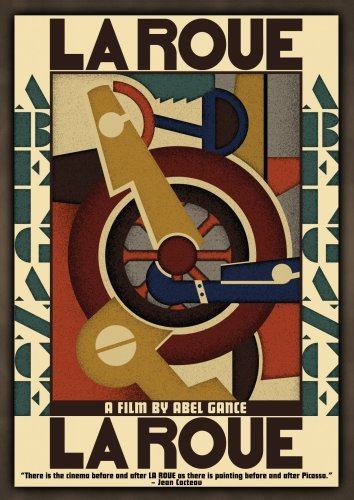
A definitive 7.5/10 rating for a film that redefined the boundaries of cult cinema. The Wheel remains a cornerstone of transgressive art.
The Wheel, a silent film written by Abel Gance, is a poignant and thought-provoking exploration of the human experience, delving into the complexities of love, loss, and identity. The film tells the story of a railway engineer, played by Gabriel de Gravone, who adopts a young girl after her parents are killed in a train crash. As the girl grows into a beautiful woman, the engineer is faced with the daunting task of deciding whether to reveal the truth about her parentage, a decision that will have far-reaching consequences for both of them.

The film's narrative is a masterclass in subtlety, with Gance using the medium of silent cinema to convey the depths of human emotion. The engineer's bond with the girl is deeply moving, and as she begins to attract suitors, he must grapple with his own feelings and the weight of his responsibility towards her. The film's use of symbolism, particularly the recurring image of the wheel, adds a layer of depth and complexity to the narrative, inviting the viewer to ponder the cyclical nature of life and the interconnectedness of human experience.

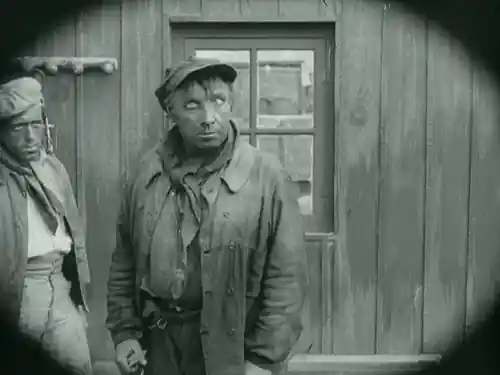
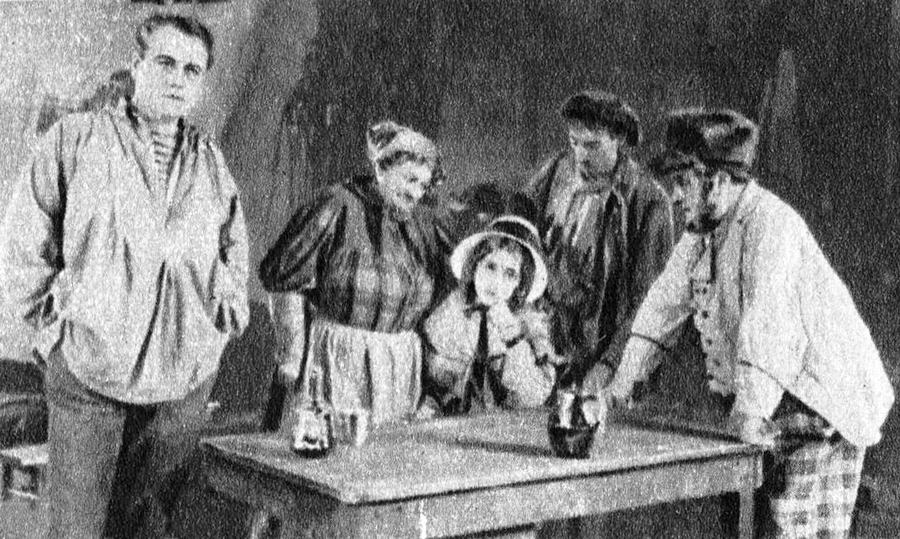
The performances in the film are outstanding, with Ivy Close delivering a nuanced and sensitive portrayal of the adopted daughter. Her character's journey from innocence to experience is deeply affecting, and her interactions with the engineer are fraught with emotional tension. The supporting cast, including Gil Clary and Georges Térof, add depth and complexity to the narrative, and the film's cinematography is stunning, with a muted color palette that adds to the overall sense of melancholy and introspection.

One of the most striking aspects of The Wheel is its use of themes and motifs. The film explores the idea of identity and how it is shaped by our experiences and relationships. The engineer's decision to adopt the girl is motivated by a desire to fill the void left by his own loss, and as she grows older, he must confront the reality of his own identity and the nature of their relationship. The film also touches on the theme of class and social status, with the engineer's position as a railway worker contrasting with the more affluent suitors who seek to win the girl's hand.

The film's narrative structure is also noteworthy, with Gance using a non-linear approach to tell the story. The film jumps back and forth in time, using title cards and visual motifs to convey the passage of time and the emotional states of the characters. This approach adds a layer of complexity to the narrative, and requires the viewer to piece together the fragments of the story in order to understand the full depths of the characters' emotions and motivations.
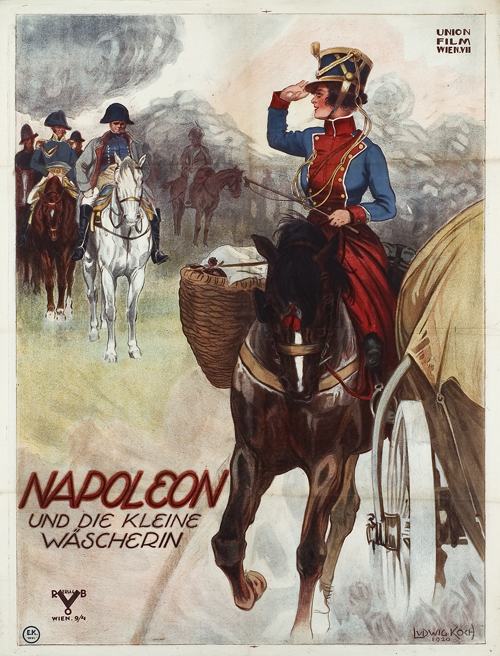
In comparison to other films of the era, Nimrod Ambrose and When the Cat's Away also explore themes of identity and relationships, although in distinctly different ways. Don't Shoot and The Car of Chance also deal with the consequences of secrets and lies, and the ways in which they can both unite and divide us. Great Expectations, with its themes of love, redemption, and the complexities of the human heart, is also a relevant comparison, as is Daughter of the Night, which explores the tensions between desire and responsibility.
The film's visual aesthetic is also noteworthy, with a muted color palette that adds to the overall sense of melancholy and introspection. The cinematography is stunning, with a range of techniques used to convey the emotional states of the characters and the passage of time. The use of lighting and shadow is particularly effective, with the engineer's face often shrouded in darkness as he grapples with the weight of his responsibilities.
In conclusion, The Wheel is a masterpiece of silent cinema, a poignant and thought-provoking exploration of the human experience. The film's use of themes and motifs, its narrative structure, and its visual aesthetic all combine to create a work of profound depth and complexity, one that invites the viewer to ponder the mysteries of the human heart and the interconnectedness of our experiences. As a work of art, it is a testament to the power of cinema to capture the essence of human emotion, and to convey the complexities and nuances of the human condition. Other films, such as A Sailor-Made Man, For Husbands Only, Via Wireless, Youth's Endearing Charm, Stranger Than Fiction, Felix Comes Back, A Dollar's Worth, Double Danger, and The Leap of Despair also explore the human condition, although in different ways, and are worth watching for their unique perspectives and insights.
IMDb —
1922
Community
Log in to comment.