DbcultAccessing Vault...
Cult Review
Senior Film Conservator
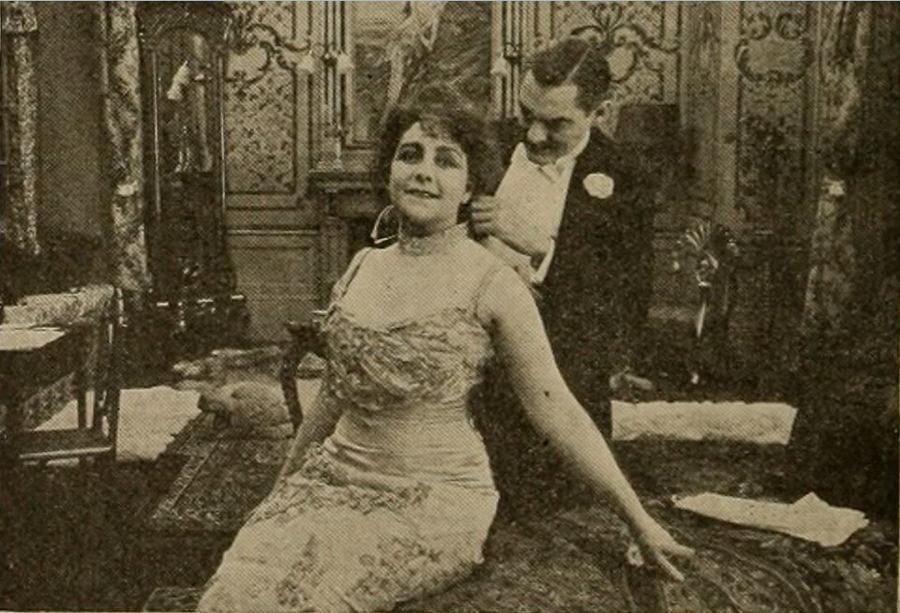
In the annals of early cinema, certain narratives resonate with an enduring power, transcending their immediate historical context to speak to universal human struggles. A Modern Magdalen, a dramatic offering from an era grappling with rapid social change, stands as a compelling testament to this phenomenon. It plunges viewers into a world where personal desires clash with societal expectations, where the allure of material comfort often masks moral decay, and where the path to redemption is paved with arduous self-discovery. This film, with its intricate web of characters and their interconnected fates, invites a deep introspection into the choices we make and the indelible marks they leave.
At its core, the story revolves around Katinka Jenkins, portrayed with nuanced vulnerability by Marjorie Nelson. Her existence is initially painted in shades of grey, a life constricted by impoverished surroundings and the unyielding harshness of her parents. This isn't merely a backdrop; it's the crucible in which her desperate yearning for something more, something better, is forged. The mill, a symbol of both industry and oppression, becomes the stage for her first significant trials. The foreman's lecherous advances are met with her fierce, innate dignity, yet they underscore her precarious position. In stark contrast stands Joe Mercer, a worker whose genuine affection for Katinka is palpable, a beacon of honest love amidst the encroaching shadows. However, the siren song of prosperity proves too strong for a girl on the precipice of despair. Katinka's fateful decision to align herself with Lindsay, the wealthy mill owner, is not born of malice but of a profound, almost primal, instinct for survival and betterment. She is, at this juncture, a product of her environment, making choices that, while seemingly pragmatic, set her on a collision course with destiny.
Further complicating Katinka's already fraught circumstances is the insidious intervention of Joel Brinker, a moneylender whose avarice knows no bounds. Her father, in a moment of desperate weakness, barters his daughter's future for a paltry loan, effectively condemning Katinka to Brinker's unwanted attentions. This act of familial betrayal serves as a potent catalyst, severing her last ties to a home that offers only misery. Her subsequent flight, propelled by a desperate hope, leads her directly into Lindsay's orbit. Ignorant of his marital status – a crucial detail that will later unravel much – Katinka embraces a life of reckless abandon, becoming the celebrated 'Madcap' dancer. This transformation, orchestrated largely through Lindsay's influence, is a fascinating study in superficiality. She embodies the glittering facade of early 20th-century indulgence, a stark contrast to her humble origins. Yet, even amidst the lavish parties and extravagant performances, a thread of filial loyalty remains; she consistently sends money home, a poignant reminder of the burdens she carries, even as she attempts to shed her past.
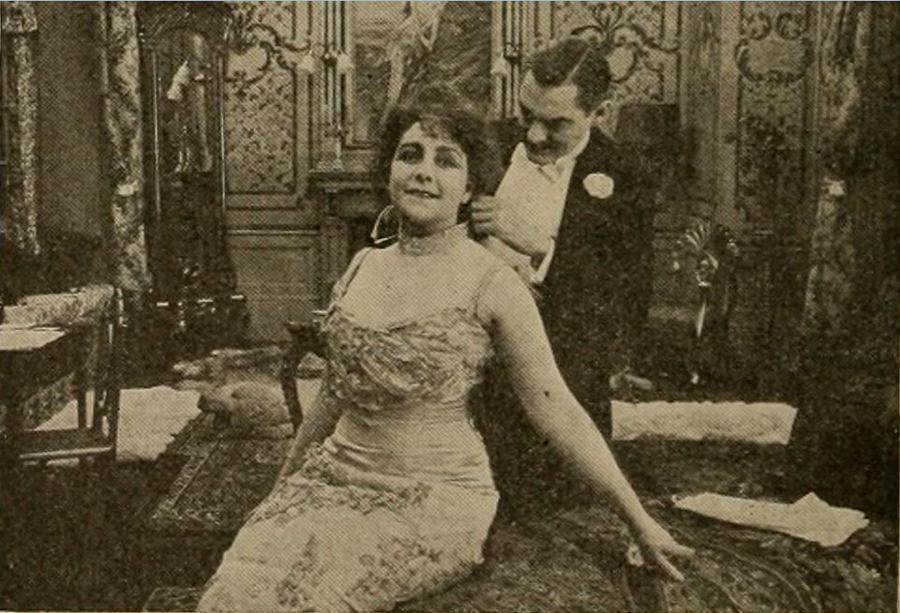
The burgeoning reform movement, spearheaded by John Strong, adds another layer of societal critique to the narrative. Strong, ostensibly a champion of moral rectitude, targets Katinka's 'disgraceful performances,' embodying the era's often hypocritical condemnation of female independence and sensuality. This moral posturing, however, is undercut by his own clandestine affair with Katinka's sister, Olivia – a delicious irony that the film expertly exploits. As Katinka's extravagance continues unabated, Lindsay's financial empire begins to crumble. Forced to borrow heavily to meet his mill hands' wages, he finds himself teetering on the brink of ruin. The specter of a strike looms large, a powerful symbol of the industrial unrest that defined the period, barely averted by Joe Mercer's unexpected influence among the workers. This convergence of personal drama and socio-economic tension is where A Modern Magdalen truly shines, mirroring the anxieties of its time.
The fateful party, thrown by Lindsay in Katinka's honor, serves as a dramatic crucible. Katinka, shrewdly suspecting Strong's true colors, invites him, ostensibly to join the revelry. Strong, initially shocked by the opulent debauchery, soon succumbs to the intoxicating atmosphere and Katinka's disarming hospitality. His moral compass, already askew, spins wildly out of control. The sudden departure of Lindsay, called away by the imminent riot at his mill, leaves Strong free to make desperate advances towards Katinka. The dramatic climax of this scene – the sudden entrance of Olivia and her father – brutally exposes Strong's hypocrisy, shattering his carefully constructed facade of virtue. This moment, a powerful indictment of societal double standards, is a narrative masterstroke, laying bare the moral rot beneath the surface of respectability.
As the party disperses and the various players retreat, Brinker, ever the opportunist, remains. He delivers the crushing news of Lindsay's complete financial collapse, simultaneously confessing his 'great love' for Katinka – a declaration steeped in possessiveness rather than genuine affection. This revelation, coupled with the immediate aftermath of Strong's exposure, acts as a profound awakening for Katinka. The glittering veneer of her 'reckless life' shatters, revealing the true cost of her choices. Remorse, a powerful and unfamiliar emotion, washes over her, prompting her to dismiss Brinker with a newfound resolve. It is a pivotal turning point, marking the beginning of her journey towards self-awareness and accountability.
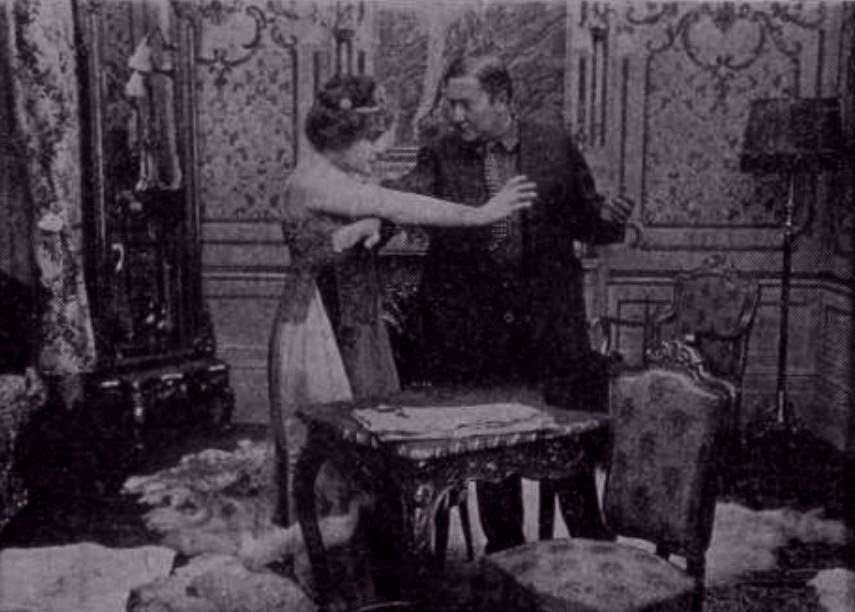
The repercussions of Katinka's affair with Lindsay soon reach Joe Mercer, whose unwavering love for her transforms into a furious, uncontrollable rage upon learning of her betrayal. Losing control, he incites the mill workers to riot, a visceral outpouring of class resentment and personal anguish. Lindsay, leaving his now-ruined mill, becomes the target of their collective fury. The subsequent events unfold with a tragic inevitability: Lindsay's wife abandons him, and his mills, already crippled, are ultimately consumed by fire, completing his utter ruin. Katinka, confronted with the full extent of the devastation wrought by her choices, is plunged into a profound despair. The weight of lives wrecked, fortunes lost, and trust betrayed becomes unbearable. In a moment of utter desolation, she contemplates suicide, seeking an escape from the unbearable burden of her 'misspent life.' This dramatic nadir underscores the film's commitment to exploring the darkest corners of human experience, even as it sets the stage for a hard-won redemption.
It is Joe Mercer, the steadfast and true, who intervenes, preventing Katinka from succumbing to her despair. His unwavering belief in her capacity for change, coupled with his persistent persuasion, plants the seeds of a new beginning. Katinka, chastened and transformed, promises to reform, choosing a path of selfless service as a nurse in the United States Army. This decision is not merely a plot device; it signifies a profound shift in her values, a rejection of the superficial for the meaningful. Joe, ever loyal, enlists alongside her, their paths once again intertwined, but this time on a foundation of mutual respect and shared purpose. Her reformation is not an instantaneous miracle but a gradual, arduous process, culminating in the harrowing conditions of a yellow fever camp. Here, amidst suffering and death, Katinka's true mettle is tested. Her immense bravery, her tireless dedication, and her compassionate care for the stricken, especially for Joe, who falls victim to the disease, solidify her transformation. In nursing him back to health, she experiences a profound epiphany: the genuine, selfless love of the poor, forged in adversity, is infinitely more valuable and enduring than the fleeting luxuries and hollow promises of the rich. It is a powerful message, resonating with a timeless truth about human connection and the true measure of wealth.
The performances in A Modern Magdalen, particularly from Marjorie Nelson as Katinka, are crucial to its impact. Nelson navigates Katinka's complex arc from a desperate, naive girl to a reckless socialite, and finally to a selfless, reformed woman, with a commendable range. Lionel Barrymore, though not explicitly detailed in the plot synopsis as a central figure, would undoubtedly bring his characteristic intensity to any role, lending gravitas to the ensemble. William H. Tooker and Cathrine Countiss, along with Charles E. Graham, fill out a cast that collectively brings C. Haddon Chambers' intricate narrative to life. Chambers' writing, even in its early cinematic form, demonstrates a keen understanding of moral dilemmas and societal hypocrisy, crafting a story that is both melodramatic and deeply resonant.
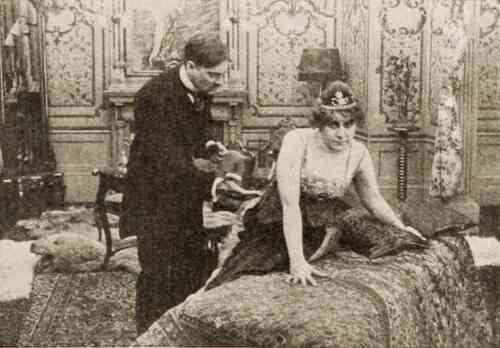
The film's thematic depth is one of its strongest assets. It explores the corrosive effects of poverty, the deceptive allure of wealth, and the inherent hypocrisy often found in self-proclaimed moral reformers. It’s a powerful critique of class divisions, illustrating how a woman's agency is often dictated by her economic circumstances and the predatory nature of those in power. The transformation of Katinka from a 'fallen woman' into a figure of heroic compassion is a classic 'magdalen' narrative, but one infused with a modern sensibility that emphasizes self-reliance and earned redemption. This journey echoes the moral awakening seen in films like The Prodigal Son, where a return to virtue is hard-won and deeply transformative.
Beyond the personal drama, A Modern Magdalen offers a fascinating glimpse into the social anxieties of its period. The backdrop of the mill, the threat of strikes, and the desperate financial maneuvers of Lindsay all speak to the tumultuous industrial landscape of the early 20th century. The film subtly critiques the vast disparities between the wealthy industrialists and the working class, a theme that finds parallels in other contemporary dramas like The Pit, which also explored the moral complexities within industrial settings. The portrayal of a woman like Katinka, navigating the treacherous waters of societal judgment and personal desire, also aligns with the broader discussions around female roles and independence seen in films such as Moths, which often examined the constraints placed upon women in society.
The contrast between Katinka's initial choices and her ultimate embrace of a life of service is particularly striking. Her journey from a life of ostentatious luxury to the grim realities of a yellow fever camp is a powerful narrative device, emphasizing the fleeting nature of material wealth against the enduring value of human compassion and self-sacrifice. It’s a classic morality play, yet one that manages to avoid simplistic black-and-white portrayals, instead delving into the grey areas of human motivation and consequence. The influence of Joe Mercer, a character who embodies unwavering loyalty and genuine love, serves as a moral anchor throughout Katinka's turbulent journey, providing the steady hand that guides her towards a more authentic existence. His persistent faith in her, even when she is at her lowest, is a testament to the power of unconditional love, standing in stark contrast to the transactional affections offered by Lindsay and Brinker.
While rooted in the conventions of its time, A Modern Magdalen offers insights that remain pertinent today. The film’s exploration of economic desperation driving moral compromise, the ease with which individuals succumb to superficiality, and the often-hypocritical nature of public morality are themes that continue to echo in contemporary society. Its narrative of a woman's struggle for dignity and self-determination against a backdrop of societal judgment and patriarchal control is a timeless one. The film, in its dramatic sweep and moral complexity, stands as a valuable artifact of early cinema, illustrating how stories of personal transformation, love, and redemption have always captivated audiences. Its ability to weave together individual plight with broader societal commentary makes it a compelling watch, even for modern viewers accustomed to different cinematic languages. Much like other dramatic narratives of social pressures and individual choices, such as Arrah-Na-Pogue, this film remains a powerful reminder of the human capacity for both error and profound growth. It encourages reflection on what truly constitutes a 'good' life and the enduring power of empathy and selfless love in navigating the complexities of existence.
IMDb —
1920
Community
Log in to comment.