DbcultAccessing Vault...
5.8/10
Senior Film Conservator
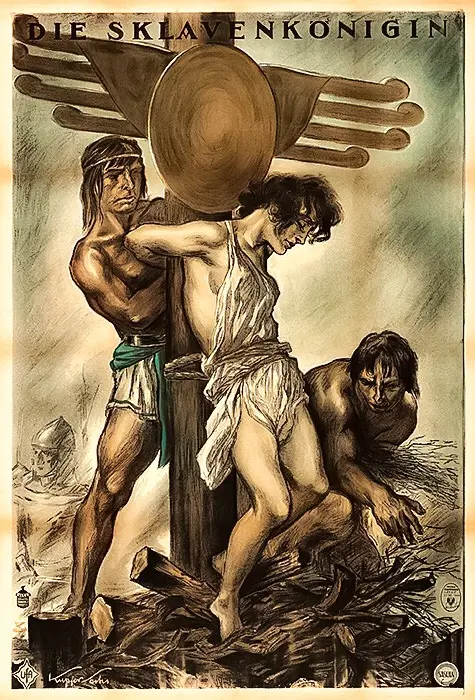
A definitive 5.8/10 rating for a film that redefined the boundaries of cult cinema. The Moon of Israel remains a cornerstone of transgressive art.
The Moon of Israel, a film of sweeping grandeur and intimate passion, transports viewers to the majestic landscapes and opulent courts of ancient Egypt, circa 1230 BC. Here, in a world of stark contrasts, where the mighty pyramids pierce the sky and the Israelites toil in the dust, a tale of love, faith, and the unquenchable thirst for freedom unfolds. At the heart of this narrative is Merapi, a young Jewish girl whose life is forever changed when she falls deeply in love with Seti, the son of Pharaoh Merneptah. This forbidden love, blossoming in the shadows of a society rigidly divided by class and creed, becomes the catalyst for a series of events that will challenge the very foundations of Egyptian society and the resolve of the Israelites.

Against the backdrop of this tumultuous love affair, the figure of Moses emerges, a man of unwavering conviction and unshakeable faith. His is a story not just of leadership, but of the profound human quest for freedom and dignity. As Moses prepares to lead his people out of the bondage of Egypt, the film reaches its crescendo, a moment of cinematic splendor that encapsulates the essence of the human spirit: its capacity for hope, its will to persevere, and its inherent desire for liberty.
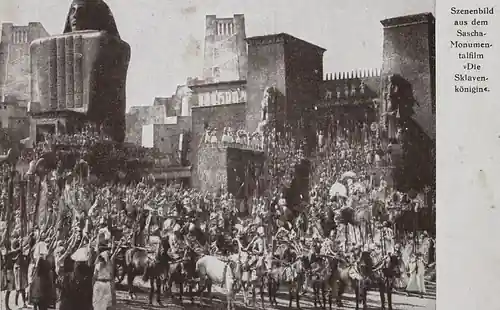
The cinematic portrayal of ancient Egypt in The Moon of Israel is nothing short of breathtaking. The filmmakers' attention to detail, from the opulent interiors of the pharaoh's palace to the arduous labor of the Israelites in the scorching desert, is a testament to the meticulous craftsmanship that went into the making of this film. Each frame is a masterpiece, painted with the vibrant colors of yellow sunsets, the sea blue hues of the Nile, and the dark orange tones of the desert sands, all set against the stark white of the Egyptian architecture and the black of the night sky.

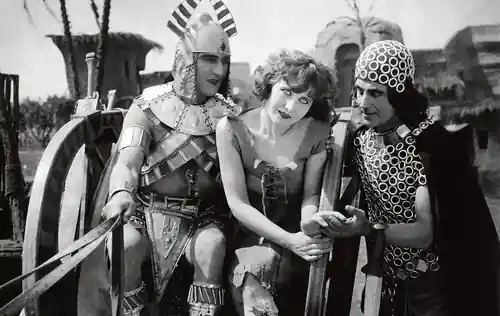
The performances in The Moon of Israel are equally impressive, with Reinhold Häussermann bringing a depth and nuance to the character of Seti that is both captivating and heart-wrenching. The chemistry between Seti and Merapi, played by María Corda, is palpable, making their love story all the more poignant and believable. Meanwhile, the portrayal of Moses, though less central to the early parts of the film, serves as a powerful reminder of the historical and biblical context in which these events unfold, his character embodying the hope and resilience of his people.
In comparison to other films of its era, such as The Boomerang and Dabbling in Art, The Moon of Israel stands out for its epic scope and the universality of its themes. While The Divorce Trap and The Light of Western Stars may delve into the intricacies of human relationships and the challenges of the frontier, respectively, The Moon of Israel transcends these boundaries, speaking to fundamental aspects of the human experience that remain as relevant today as they were in ancient times.
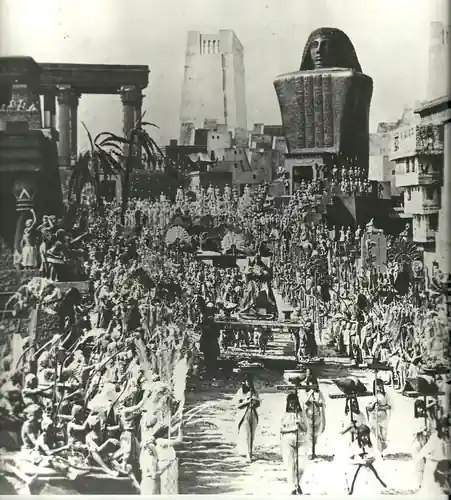
The Moon of Israel is not just a film; it is an experience. It is a journey through time, to an era of grandeur and hardship, of love and loss, of faith and freedom. As the curtains draw to a close on this cinematic odyssey, viewers are left with a profound sense of awe and a deeper understanding of the complexities and beauties of the human condition. Whether you are a film aficionado, a history buff, or simply someone who appreciates the power of storytelling, The Moon of Israel is a must-see, a testament to the enduring magic of cinema to transport, to inspire, and to transform us.

IMDb 7.6
1931
Community
Log in to comment.