DbcultAccessing Vault...
7.3/10
Senior Film Conservator

A definitive 7.3/10 rating for a film that redefined the boundaries of cult cinema. A Page of Madness remains a cornerstone of transgressive art.
Short answer: yes, but it’s a challenging watch that rewards patient viewers with a haunting journey through madness and reality. If you’re a fan of early cinema, psychological thrillers, or expressionist films, this may be your cup of tea. However, if you’re seeking a straightforward narrative or prefer more conventional storytelling, you might find this film perplexing.
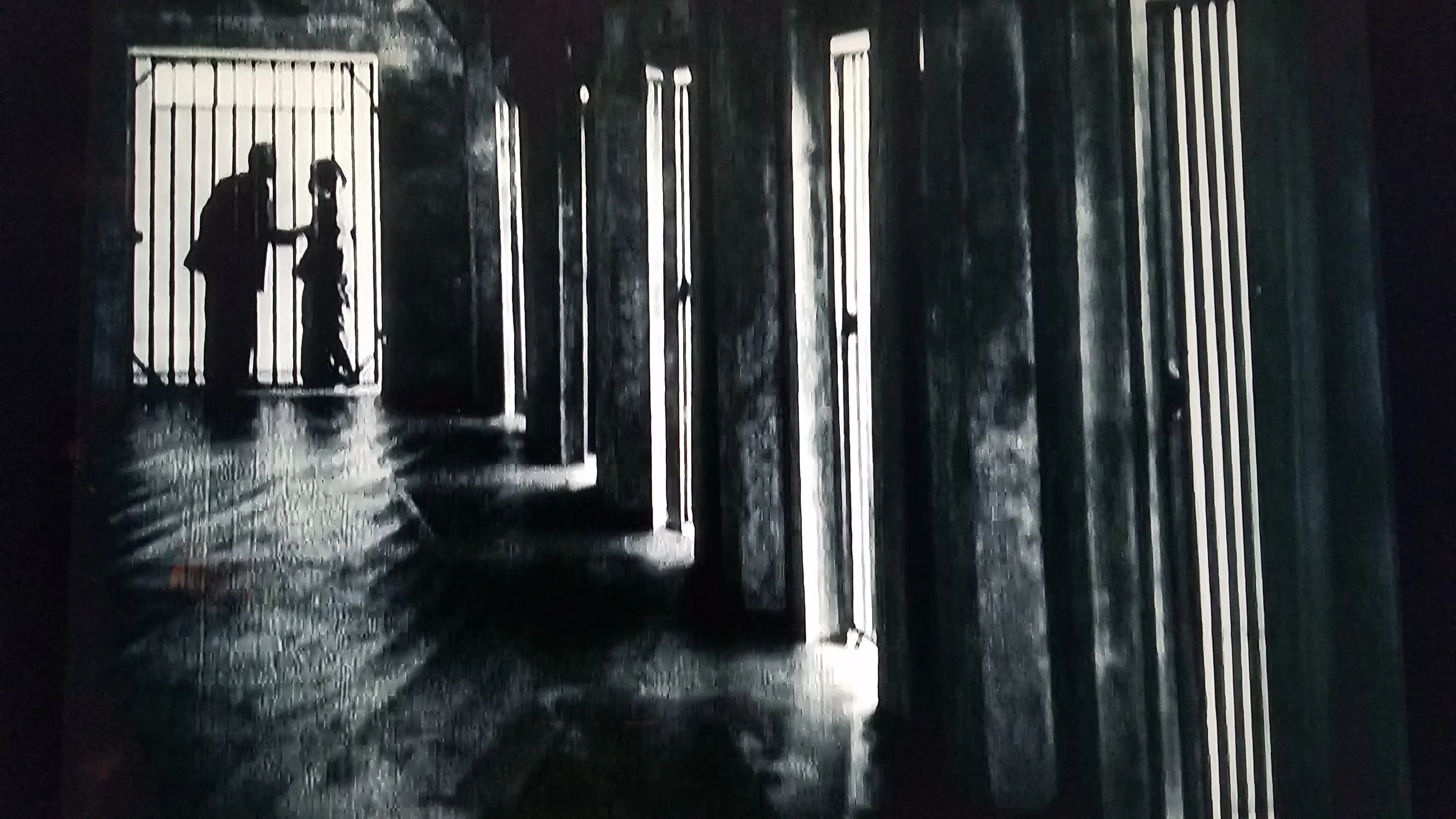
This film works because... Its fragmented narrative and expressionist style create a surreal and unsettling atmosphere that is both haunting and mesmerizing. The performances, especially Misao Seki’s portrayal of the increasingly unhinged orderly, are nuanced and deeply affecting. The film’s exploration of the blurred lines between sanity and madness is both thought-provoking and disturbing.

This film fails because... The film’s structure and pacing can be challenging for modern audiences. The non-linear narrative and rapid shifts in perspective may leave viewers feeling disoriented or confused. Additionally, the film’s silent nature and lack of explanatory dialogue can make it difficult to fully grasp the plot and character motivations.

You should watch it if... You are interested in early Japanese cinema, experimental storytelling, or psychological thrillers. This film is a fascinating glimpse into the early days of cinema and the art of film-making. It's a challenging but rewarding watch for those willing to immerse themselves in its surreal and haunting world.
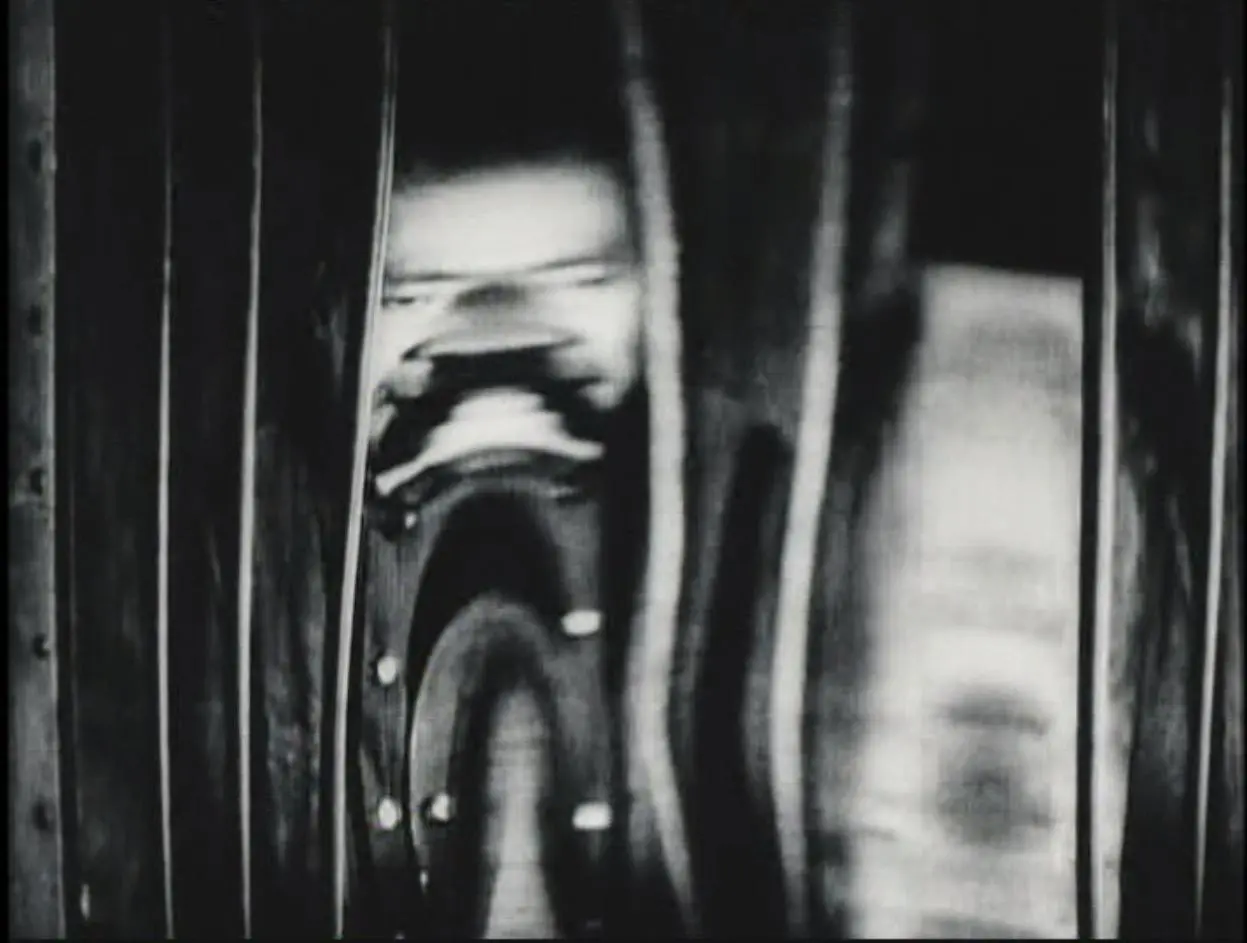
The performances in A Page of Madness are nuanced and deeply affecting. Misao Seki’s portrayal of the orderly is particularly compelling. His performance captures the character’s descent into madness with a combination of subtle and exaggerated expressions. The supporting cast, including Minoru Takase and Eiko Minami, also deliver strong performances that enhance the film’s surreal and unsettling atmosphere.
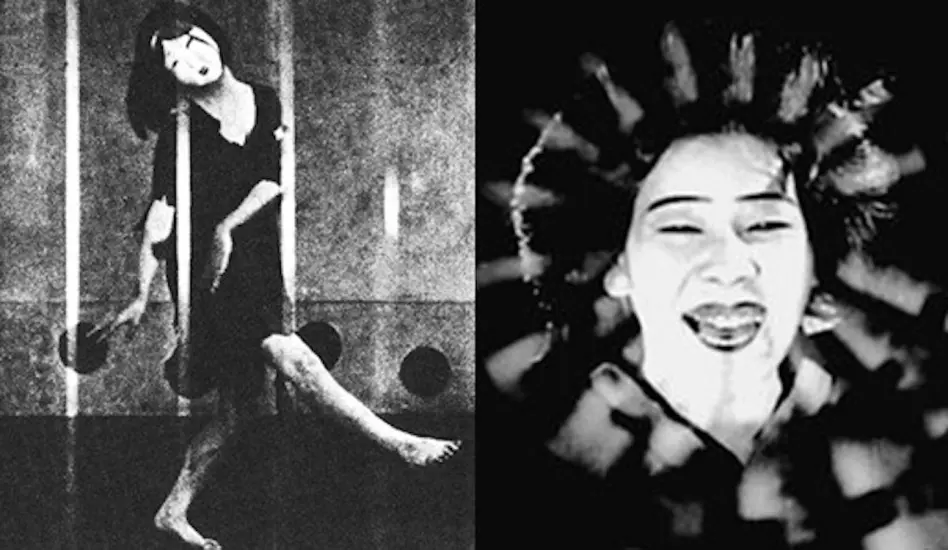
Teinosuke Kinugasa’s direction is both innovative and technically proficient. The use of multiple camera angles and rapid cuts creates a sense of disorientation and instability that mirrors the protagonist’s mental state. The film’s fragmented narrative and expressionist style are effective in conveying the protagonist’s struggle to differentiate between reality and delusion. However, the frequent use of jump cuts and rapid shifts in perspective can be jarring and disorienting for modern viewers.
The cinematography in A Page of Madness is striking, with a focus on capturing the asylum’s gloomy and oppressive atmosphere. The use of shadows, low light, and close-ups adds to the film’s surreal and haunting quality. However, the frequent use of jump cuts and rapid shifts in perspective can make the film difficult to follow, especially for modern viewers accustomed to a more linear narrative structure.
The pacing of A Page of Madness is deliberate and methodical, with a focus on building tension and creating a sense of unease. The film’s non-linear narrative and fragmented structure can be challenging for modern audiences, as it requires viewers to piece together the plot and character motivations. However, this structure also adds to the film’s sense of disorientation and instability, which is central to its exploration of the blurred lines between sanity and madness.
The tone of A Page of Madness is melancholic and unsettling, with a focus on creating a sense of unease and instability. The film’s expressionist style and fragmented narrative contribute to this tone, creating a haunting and surreal atmosphere that is both fascinating and disturbing. The film’s exploration of the protagonist’s descent into madness is both thought-provoking and disturbing, with a focus on the blurred lines between reality and delusion.
A Page of Madness is a fascinating and haunting film that is both challenging and rewarding. Its expressionist style, fragmented narrative, and nuanced performances make it a must-see for fans of early cinema and experimental storytelling. However, the film’s structure and pacing may be challenging for modern audiences, and the lack of explanatory dialogue can make it difficult to fully grasp the plot and character motivations. If you are willing to immerse yourself in its surreal and haunting world, this film is definitely worth watching. However, if you are seeking a straightforward narrative or prefer more conventional storytelling, you may find this film perplexing.
A Page of Madness is a fascinating and haunting film that is both challenging and rewarding. Its expressionist style, fragmented narrative, and nuanced performances make it a must-see for fans of early cinema and experimental storytelling. However, the film’s structure and pacing may be challenging for modern audiences, and the lack of explanatory dialogue can make it difficult to fully grasp the plot and character motivations. If you are willing to immerse yourself in its surreal and haunting world, this film is definitely worth watching. However, if you are seeking a straightforward narrative or prefer more conventional storytelling, you may find this film perplexing.

IMDb 5.5
1922
Community
Log in to comment.