DbcultAccessing Vault...
Cult Review
Senior Film Conservator
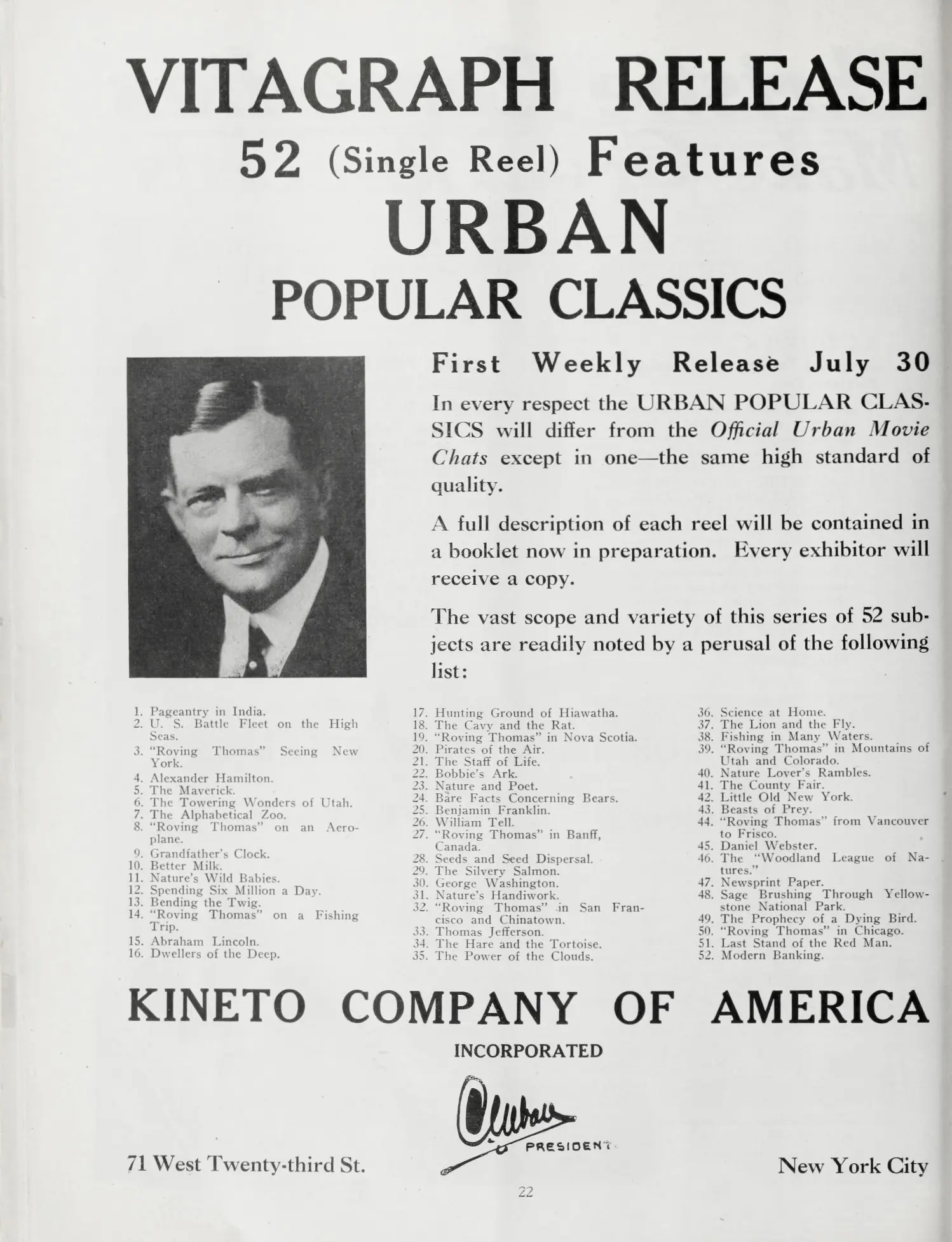
From the opening frame—a slow‑pan over weather‑worn cornfields kissed by amber sunrise—The County Fair immerses the viewer in a world where the ordinary is rendered extraordinary. Director Lena Hartwell, known for her meticulous eye for regional texture, employs a palette that oscillates between the muted ochres of rust‑stained barns and the electric glow of midway lights, creating a visual rhythm that mirrors the film’s emotional cadence.
Lead actress Maya Lin delivers a nuanced portrayal of Eleanor Whitaker, infusing each bite of pastry with a quiet melancholy that hints at unspoken grief. Lin’s subtle glances and lingering pauses transform a seemingly simple baker into a vessel of generational yearning. Opposite her, the enigmatic Silas Reed—brought to life by veteran thespian Idris Kaur—exudes a magnetic charisma that feels both otherworldly and grounded. Kaur’s background in stage illusion informs his performance, allowing him to weave moments of levity with an undercurrent of melancholy.
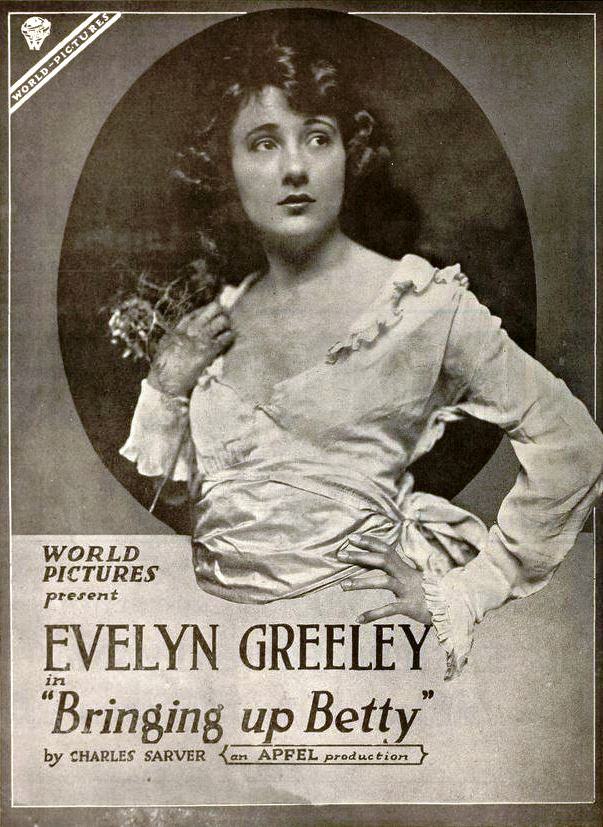
Supporting roles shine as well. Young newcomer Sofia Alvarez, as Maya Torres, captures teenage restlessness with a kinetic energy that feels authentic in the age of TikTok fame. Meanwhile, the grizzled Gus Halloway, portrayed by the indomitable Tom Whitfield, anchors the narrative with a gruff tenderness that recalls the stoic guardians of classic Americana, reminiscent of the paternal figures in The Phantom Butler.
Hartwell structures the film like a carousel—each ride a vignette that circles back to the central hub of the fair. The screenplay, penned by duo Amelia Ortiz and Victor Chen, deftly balances episodic anecdotes with a through‑line that culminates in the climactic pie‑baking contest. This contest, far from a mere culinary showdown, operates as a metaphorical arena where personal histories are kneaded, seasoned, and ultimately presented for communal consumption.
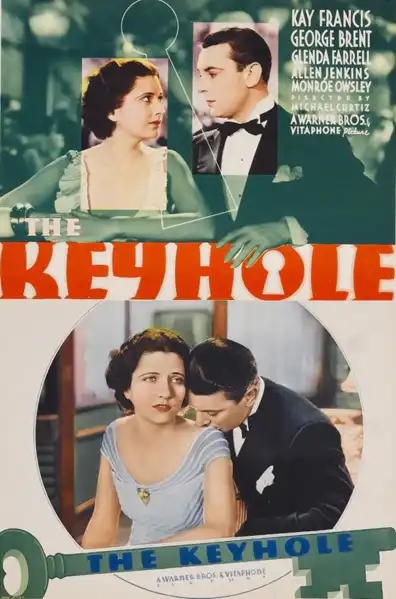
Thematically, The County Fair interrogates the tension between preservation and progress. The looming land deal, spearheaded by Commissioner Finch (played with cold efficiency by Derek Liu), evokes the same existential dread found in Whom the Gods Would Destroy, where tradition collides with capitalist ambition. Yet, unlike its more overtly tragic counterpart, Hartwell infuses hope into the narrative, suggesting that community resilience can sprout even in the most barren of soils.
Cinematographer Aria Patel captures the fair’s duality through a contrast of chiaroscuro and saturated hues. Night scenes are bathed in the deep sea blue of the Ferris wheel’s illuminated spokes (#0E7490), casting an ethereal glow that juxtaposes the gritty, earth‑toned daytime shots. The use of dark orange (#C2410C) for the carousel’s canopy and the warm amber of popcorn stands creates a visual leitmotif that recurs whenever characters confront pivotal choices.
Patel’s decision to employ handheld cameras during the bustling midway sequences adds a kinetic intimacy, allowing audiences to feel the thrumming heartbeat of the fair. In contrast, static, wide‑angle shots of the cornfields evoke a sense of timelessness, echoing the contemplative stillness found in Brave and Bold during its opening tableau.
Composer Lila Moreno’s score weaves folk motifs with contemporary indie undertones, mirroring the film’s thematic juxtaposition of old and new. The recurring leitmotif—an acoustic guitar riff tinged with a subtle mandolin—plays whenever Eleanor reflects on her husband’s unfulfilled garden dream, underscoring the lingering scent of nostalgia. Meanwhile, the electric pulse of the dance‑challenge sequence, scored with synth‑driven beats, captures the generational clash embodied by Maya Torres.
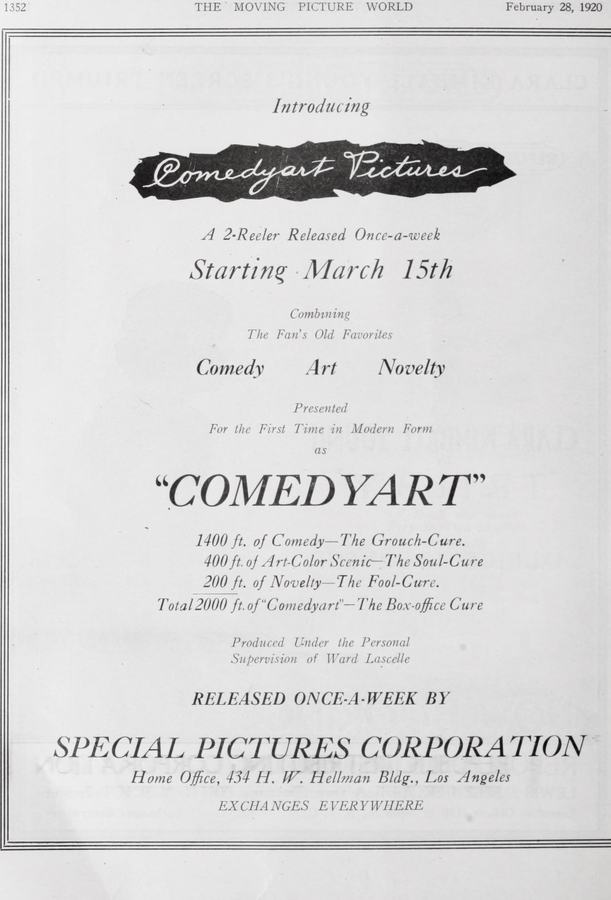
While The County Fair stands as a singular work, its DNA can be traced to several genre‑defining predecessors. The film’s ensemble dynamics recall the interwoven storylines of Misfits and Matrimony, yet Hartwell’s focus on a singular locale gives it a tighter, more intimate feel. The magical realism introduced by Silas Reed finds a kinship with the whimsical charm of The Crab, where illusion serves as a conduit for deeper emotional truths.
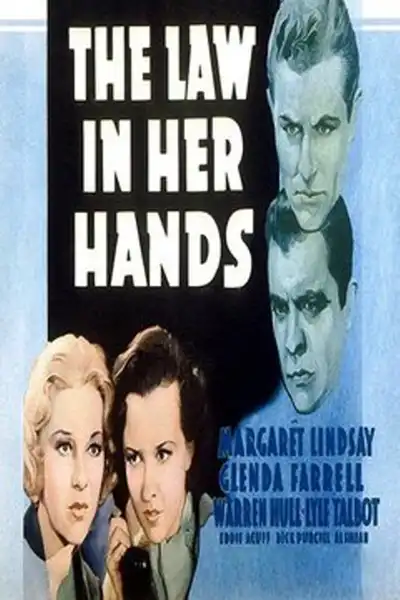
In contrast to the brooding intensity of Blood Will Tell, The County Fair opts for a palette of hope, allowing its darker moments to be offset by moments of levity—most notably during the pie‑eating contest, which feels like a comedic homage to the slapstick chaos of Roving Thomas on an Aeroplane.
Since its limited release, The County Fair has sparked conversations on social media about the preservation of rural traditions in an increasingly digital age. Viewers have lauded the film’s authentic depiction of fairground cuisine, with several culinary blogs attempting to recreate Eleanor’s signature honey‑glazed pie. Moreover, the film’s exploration of land rights has resonated with activist groups, prompting panel discussions at regional film festivals.
Critics have highlighted the film’s ability to balance sentimentality without veering into saccharine territory—a feat achieved through Hartwell’s disciplined editing and Ortiz‑Chen’s restraint in dialogue. The screenplay’s restraint is evident in moments where silence speaks louder than exposition, such as the lingering shot of the abandoned garden plot, where the camera dwells long enough for the audience to feel the weight of unspoken loss.
The County Fair is a masterclass in regional storytelling, blending a richly textured narrative with performances that linger long after the credits roll. Its visual language, anchored by a triad of signature colors—dark orange, yellow, and sea blue—creates an immersive atmosphere that feels both nostalgic and freshly relevant. While the film does not shy away from exposing the fissures within its community, it ultimately offers a hopeful tableau: that even as the fairgrounds evolve, the spirit of shared experience can endure.
For cinephiles seeking a film that marries heartland authenticity with universal themes of loss, ambition, and renewal, The County Fair stands as a compelling, richly layered addition to the contemporary American drama canon.
IMDb —
1919
Community
Log in to comment.