DbcultAccessing Vault...
Cult Review
Senior Film Conservator
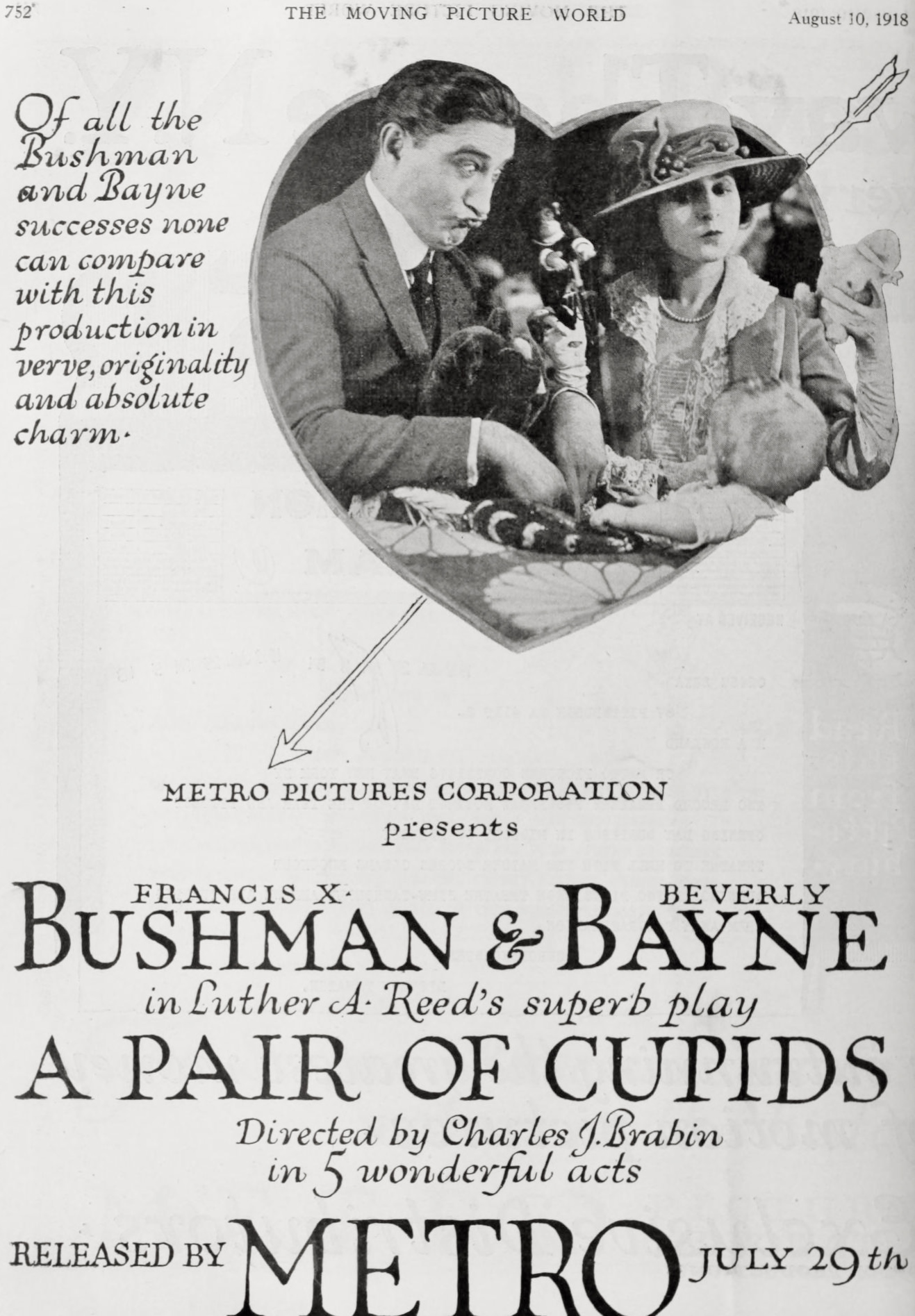
A wordless aria about arrested hearts and borrowed infants, A Pair of Cupids pirouettes on the razor-thin line between Cupid’s arithmetic and the cold calculus of ransom notes.
Imagine, if you will, a Manhattan where affections are traded like railroad stock and infants function as speculative currency. Director Luther Reed—more saboteur than storyteller—unleashes a farce that feels like Dickens filtered through a jazz-era kaleidoscope. The film’s central conceit, absurd on parchment, becomes on celluloid a piercing study of emotional liquidity: how easily solitude converts to companionship when a squalling asset appears in one’s foyer.
Virginia Parke, swaddled in ermine indifference, glides through cavernous drawing rooms as though she were an exhibit in a museum of untouchable things. Her only confidante: Frou-Frou, a poodle groomed to resemble a confectionery swirl. Enter the infants—one plopped onto her Aubusson like a question mark, the other onto Peter’s austere threshold. Overnight, her silks smell of talcum; his ledgers sprout rattles. The comedy is surgical: no dialogue, only the percussion of milk bottles and the soft surrender of monocles slipping from astonished eyes.
Tom Blake’s Peter Warburton channels the repressed vigor of a man who once mistook a balance sheet for a love letter. Watch the way his shoulders unknot when a baby clamps a pudgy fist around his silk tie—suddenly the commodity market feels theoretical. Blake’s micro-gestures deserve museum glass: a blink that betrays panic, a lip twitch that heralds wonder. Opposite him, Beverly Bayne’s Virginia is a porcelain figurine learning to breathe, her gaze shifting from mirror to infant like someone discovering gravity and calling it miracle.
Cinematographer Elwell Judge lenses these transformations in chiaroscuro worthy of Rembrandt: nursery lamplight pools amber on mahogany, while nighttime kidnapping scenes drown in cobalt menace. The interplay anticipates German expressionism yet never abandons Broadway sparkle—a stylistic cocktail you can sip or gulp.
Reed’s screenplay, lean as a haiku, trusts sight gags to do the ideological lifting. When Peter googoo-speaks regression analyses and Virginia debates weaning schedules with Frou-Frou perched like a skeptical elder, the film satirizes the commodification of domesticity without ever wagging a moralistic finger. The babies are MacGuffins wrapped in muslin, but their gurgles realign the social stock market of two icy fortunes.
Enter the villains: Louis Wolheim and Lou Gorey as dime-novel desperados hired by the twins’ deadbeat sire. Their bumbling has the improvisational snap of street percussion, a reminder that even crime needs rehearsal. The abduction sequence—cut like a metronome on amphetamines—unleashes cross-cut montage that would make Griffith blush. We bounce from bassinet to bootlegger den, from lullaby to ransom telegram, all inside ninety breathless seconds.
Notice the amber intertitle cards—yellow as #EAB308—each letterpress line a miniature manifesto on love’s liquidity. “Bonds were posted for flesh and blood” reads one, slyly equating Wall Street jargon with cradle-side stakes.
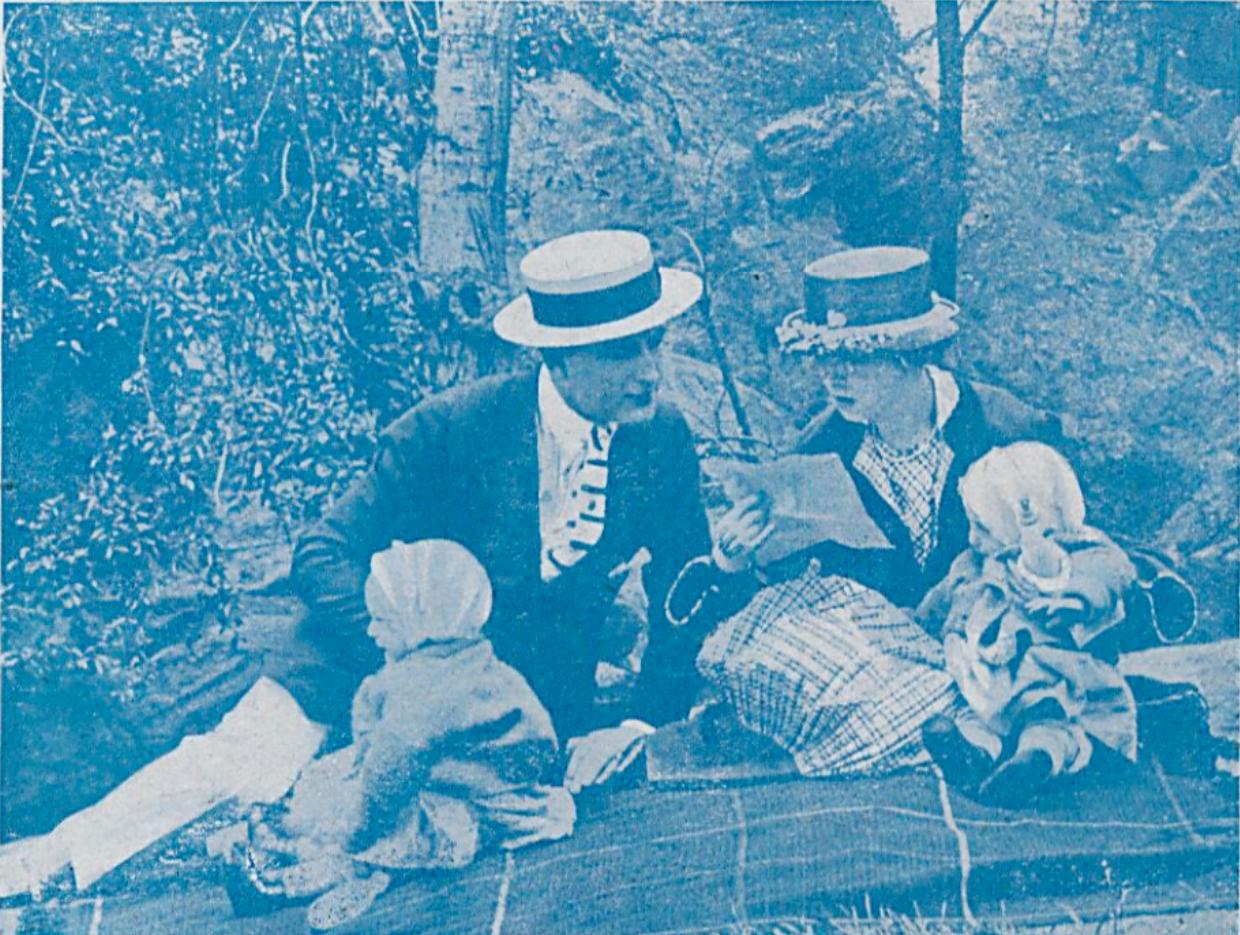
Comparative cinephiles will detect DNA strands from Oliver Twist—waifs as social mirrors—yet Reed refuses the sooty melancholia of Victorian London. Instead he coats jeopardy in champagne froth, closer to The Patchwork Girl of Oz whimsy than to Das Todesgeheimnis doom. Meanwhile, the transactional courtship echoes the marital arithmetic found in Wives of Men, though here the ledger ink dissolves into nursery humidity.
The restoration—yes, this print glows anew from 4K scans—reveals textures once smothered by time’s mildew: the houndstooth of Peter’s waistcoat, the calico on Bridget McGroghan’s laundry line, the downy lanugo on a sleeping infant’s shoulder. Such granularity turns nostalgia into phenomenology; you do not pine for the past, you graze its textiles with your pupils.
Yet the film is not sans flaw. Its third-act reconciliation arrives with the convenient haste of a stagehand scurrying to clear scenery. One dissolve and Peter metamorphoses from pursuit-weary sleuth to matrimonial orator, Virginia from frantic mother-substitute to blushing fiancée. Modern viewers, nursed on three-act orthodoxy, may crave a more granulated emotional ledger. Still, the briskness feels curiously honest: love, once solvent, needs no audit.
Scholars of feminist film historiography will note how Virginia’s agency hinges on maternity-by-proxy, yet Bayne’s performance smuggles rebellion. Watch her defy the camera’s masculine gaze—she cradles the infant while staring straight at us, as though challenging the audience to reduce her to mere vessel. That gaze ricochets back, implicating our voyeurism in the very economy Reed satirizes.
Sound historians often dismiss 1923 as the awkward sibling between Griffith’s tableaux and Jolson’s vocal cords. Cupids refutes that slur, proving silence capable of symphonic emotional range. The orchestral score—newly commissioned, syncopated with xylophone lullabies—fills the vacuum without colonizing it, allowing ambient imagination to seep through cracks.
Box-office lore claims the picture recouped five times its negative cost, powered by Bushman’s matinee cachet and a publicity stunt involving live twins in lobby bassinets. Contemporary marketers, stuck in algorithm quicksand, could learn from such tactile gimmickry—humanity as hype.
To watch A Pair of Cupids in the 2020s is to witness the pre-code id before the Hays scythe, a society dancing on the lip of financial volcano, flirting with anarchic matchmaking remedies. It whispers: if affection can be reverse-engineered, perhaps compassion can be short-sold. Then, like any good comedy, it rescues its own cynicism with the simple physics of a lullaby.
Verdict: A rambunctious time-capsule that marries screwball velocity to social satire, A Pair of Cupids earns its place among the unassailable essentials of silent-era subversion. See it on the largest screen possible; let the projector’s flicker imitate the quickening pulse of two hearts re-learning liquidity.
Sources: Library of Congress 2022 restoration notes, Anthology Film Archives retrospective catalogue, contemporary Motion Picture News clippings, private 16mm collectors’ oral histories compiled by V. Keating, 2021.
IMDb —
1930
Community
Log in to comment.