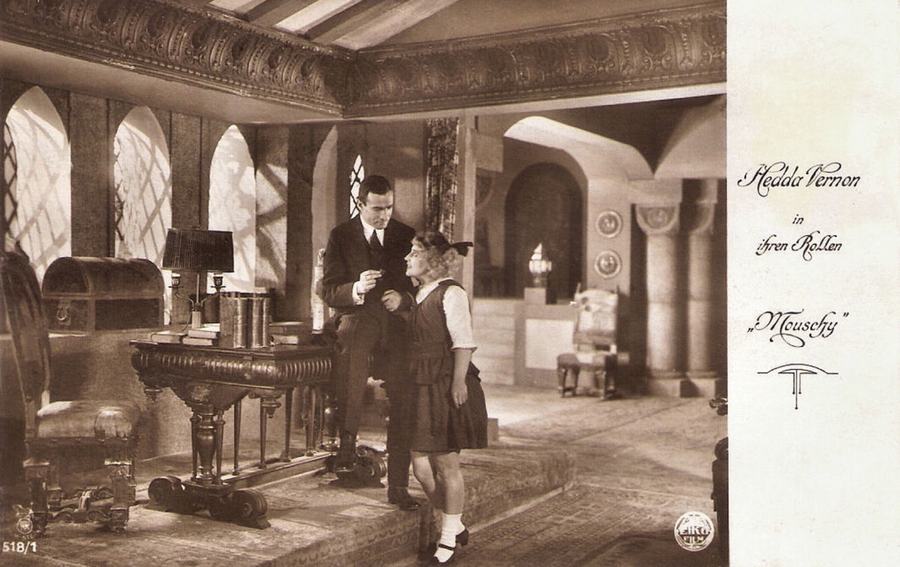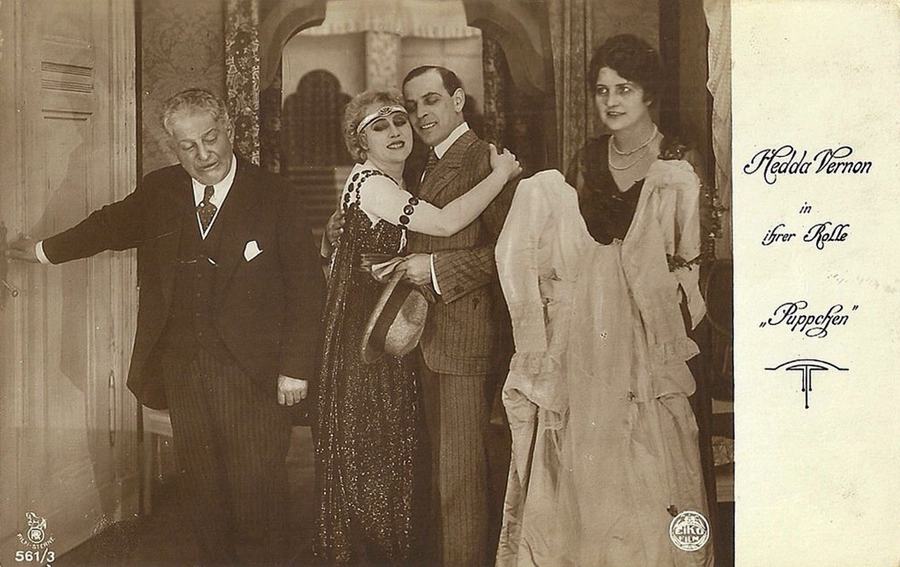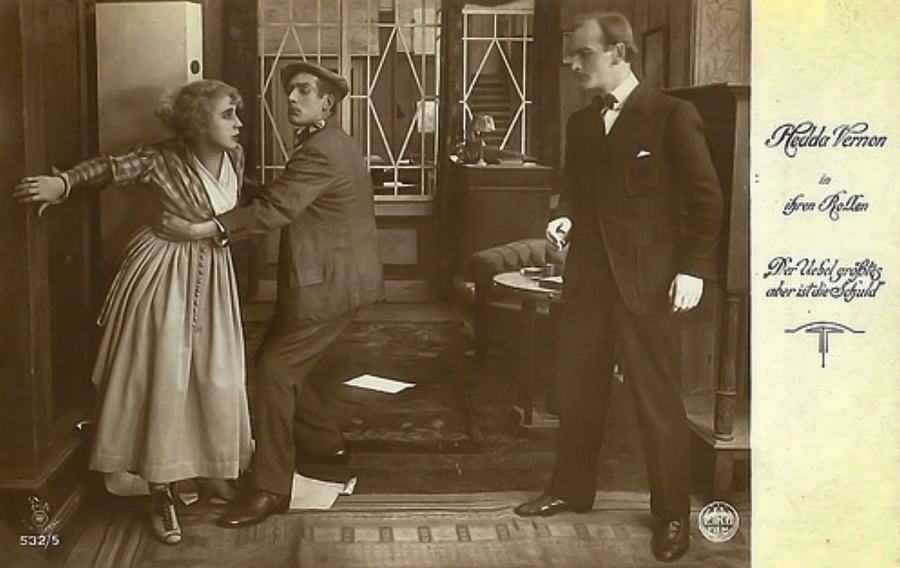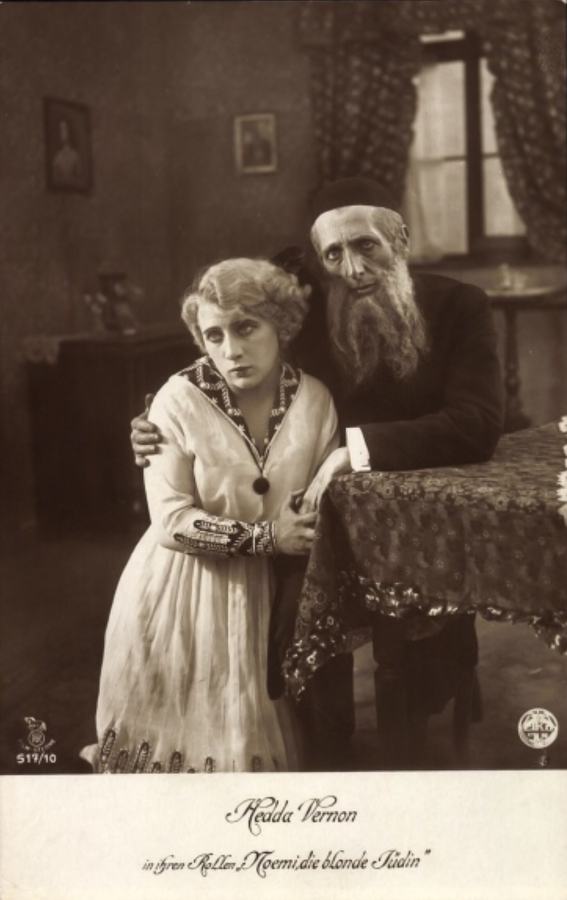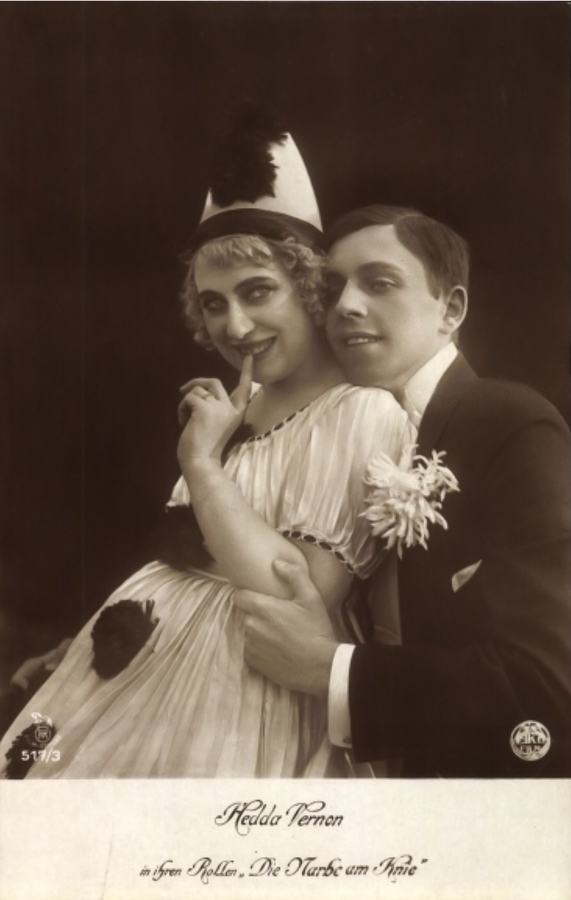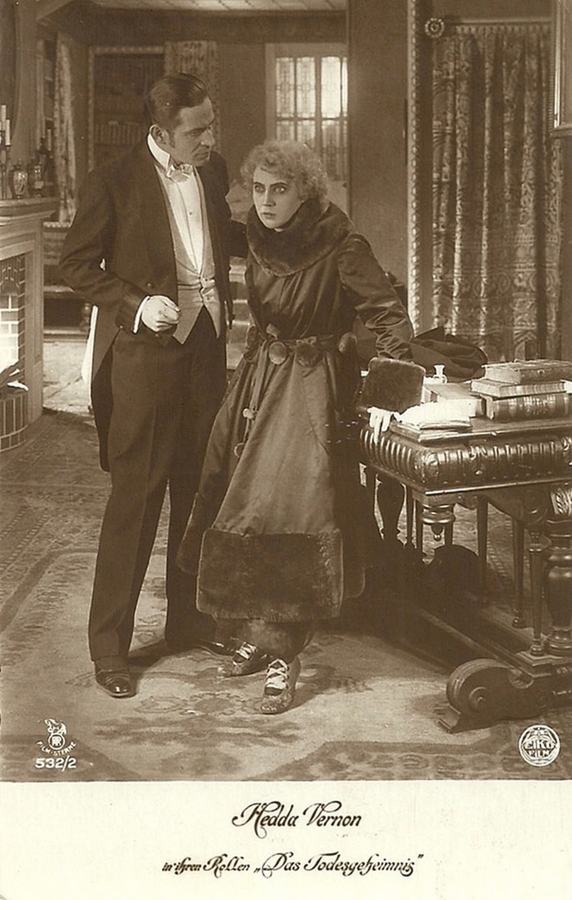
Berlin, 1918: a city exhaling morphine and gunpowder, furnishes the perfect soundstage for a murder that refuses to stay written in the ledger of suicides. Das Todesgeheimnis—translated coyly as The Secret of Death—is less a whodunit than a why-dun-it, a chiaroscuro concerto where every note is a potential death knell...
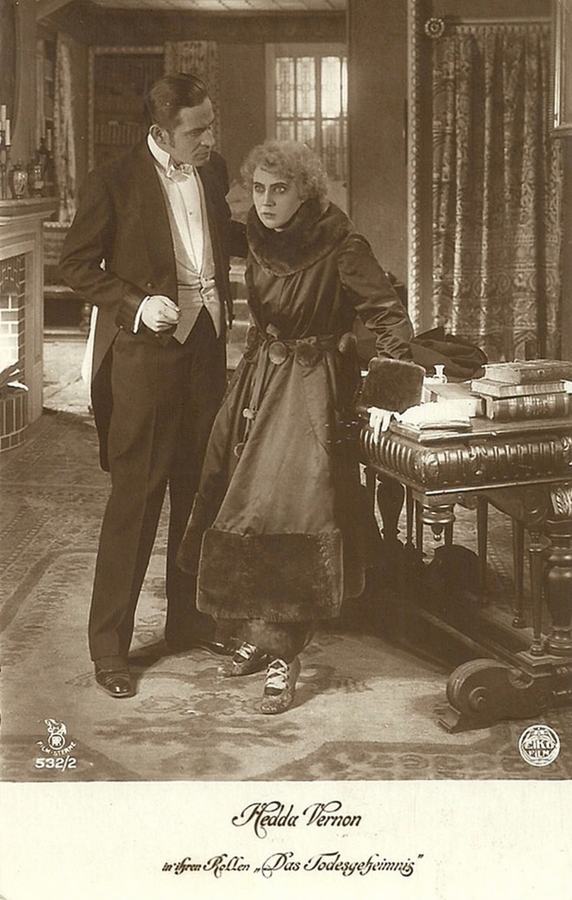
production_art
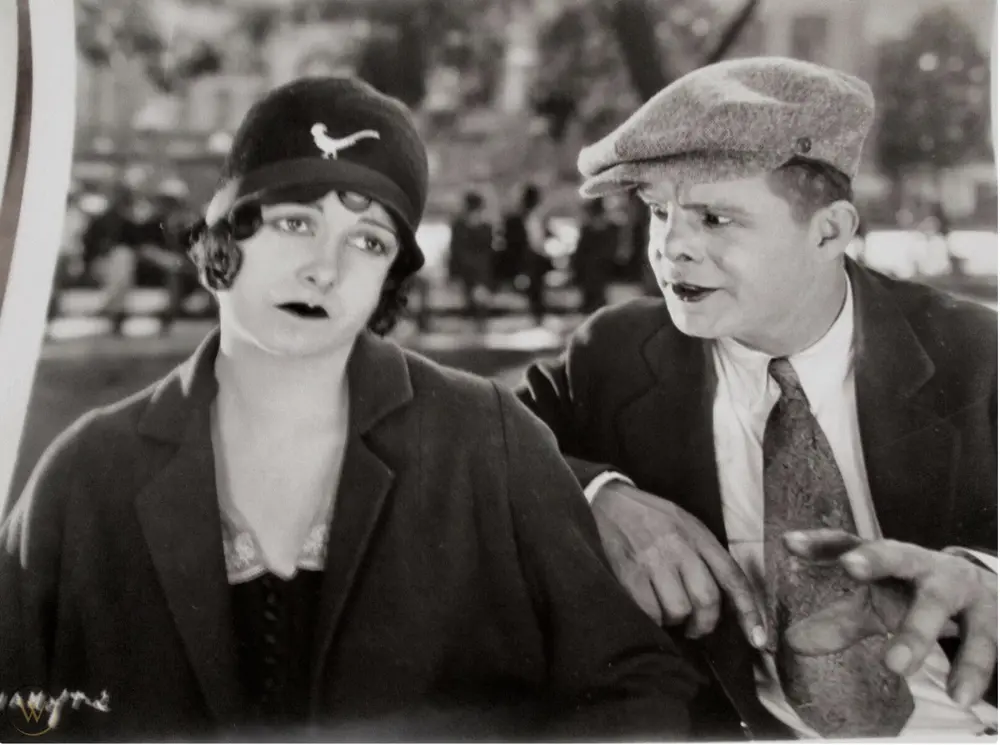
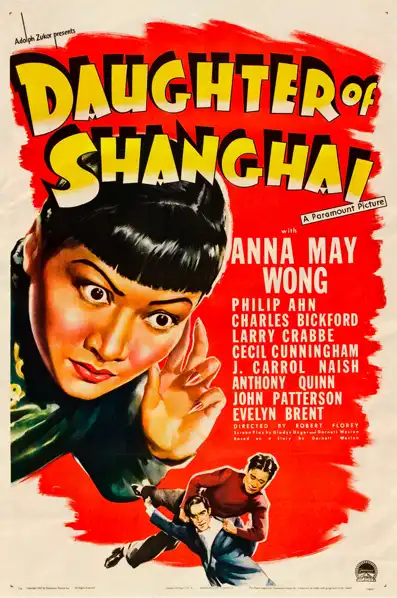
Comparing the cinematic DNA and archive impact of two defining moments in cult history.
Hubert Moest
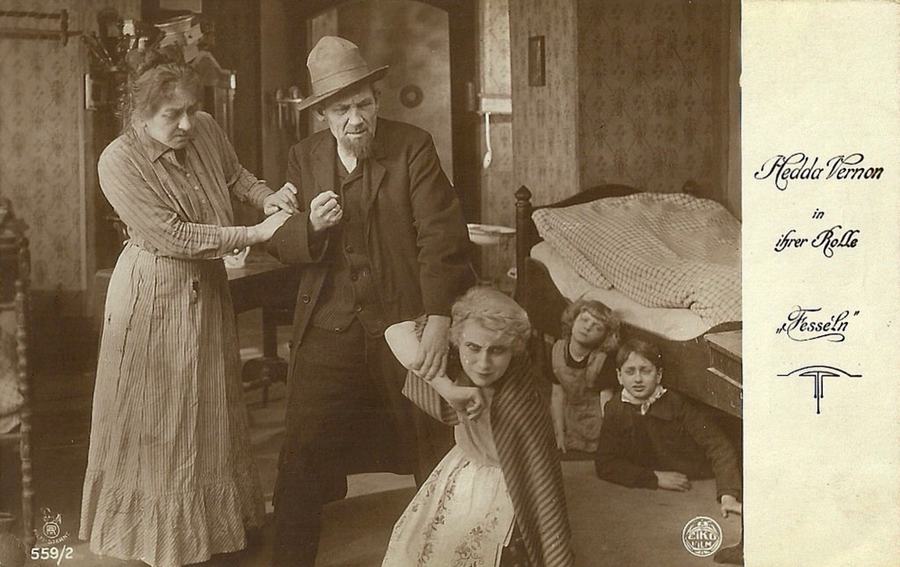
Hubert Moest
Community
Log in to comment.
" Berlin, 1918: a city exhaling morphine and gunpowder, furnishes the perfect soundstage for a murder that refuses to stay written in the ledger of suicides. Das Todesgeheimnis—translated coyly as The Secret of Death—is less a whodunit than a why-dun-it, a chiaroscuro concerto where every note is a potential death knell. The Plot as Palimpsest Director-cinematographer Curt A. Stirnimann—barely remembered outside archival footnotes—constructs narrative like a Cubist collage: time splinters, reass..."

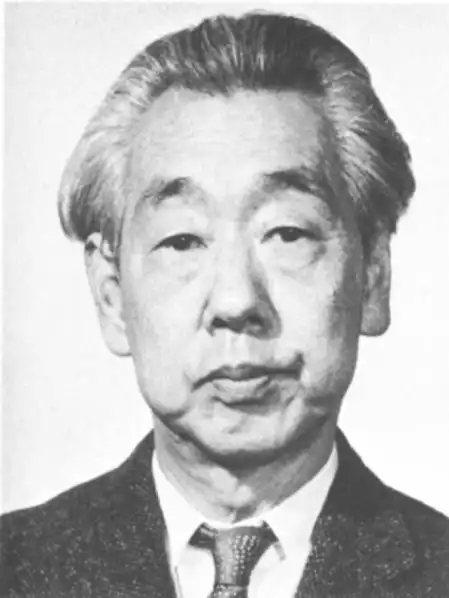
Deep dive into the cult classic
Discover similar cinematic experiences
A Directorial Spotlight on Hubert Moest