DbcultAccessing Vault...
Cult Review
Senior Film Conservator
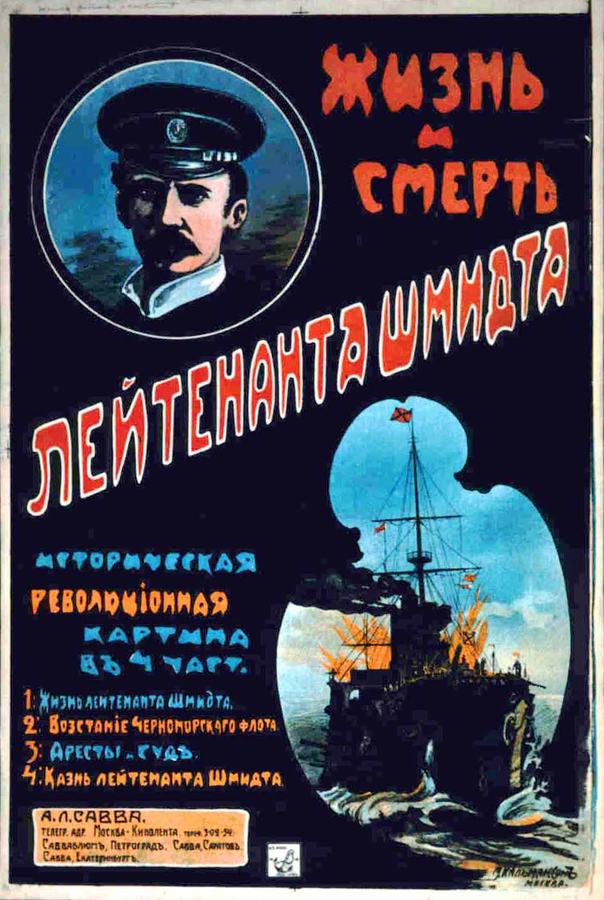
Stepping back into the annals of cinematic history, one encounters films that transcend mere entertainment, becoming vital documents of their era. "Zhizn i smert leytenanta Shmidta" (The Life and Death of Lieutenant Schmidt) is precisely such a creation, a silent epic from 1917 that doesn't just narrate history but embodies the revolutionary fervor it depicts. This isn't merely a historical drama; it's a pulsating, poignant testament to an individual's defiance against an entrenched, autocratic system, crafted with a raw urgency that still resonates over a century later. The film, emerging as the Russian Empire teetered on the brink, offered its audience a powerful, if perhaps idealized, portrayal of a pivotal figure in the 1905 Revolution, Lt. Pyotr Schmidt, whose name became synonymous with naval rebellion and ultimate sacrifice.
The very air surrounding its release must have crackled with anticipation, given the political climate. It's a work that simultaneously eulogizes a national hero and critiques the very structures that led to his tragic end. Director Aleksandr Razumnyj, who also contributed to the screenplay with Yakov Poselsky, navigates the complexities of this historical narrative with a surprisingly nuanced touch for the period. While clearly aligned with a sympathetic view of Schmidt, the film avoids simplistic propaganda, instead delving into the moral quandaries and personal sacrifices inherent in revolutionary action. It compels us to consider the profound weight of individual conscience against the monolithic might of the state, a theme as timeless as it is terrifying.
At its core, the film is a character study, and Yakov Poselsky's portrayal of Lieutenant Schmidt is nothing short of magnetic. Poselsky, who also co-wrote the script, imbues Schmidt with a compelling blend of idealism, weariness, and unshakeable resolve. His performance, reliant on the grand gestures and expressive physiognomy characteristic of silent cinema, conveys Schmidt's transformation from a dutiful, if disillusioned, officer to a passionate leader of men. We see the internal struggle etched across his face as he grapples with the injustices he witnesses, the growing chasm between his oath and his moral imperative. It's a performance that doesn't just show us a hero; it invites us to understand the arduous journey that forged him.
The narrative meticulously charts Schmidt's disillusionment, beginning with subtle hints of discontent among the naval ranks and culminating in the dramatic mutiny on the battleship "Potemkin" – though the film focuses more directly on the cruiser "Ochakov" mutiny which Schmidt led. This cinematic choice allows for a more intimate, concentrated focus on Schmidt's personal agency. The depiction of the sailors' grievances, while perhaps sanitized for a broader audience, still conveys the oppressive conditions that fomented rebellion. Razumnyj masterfully builds tension, allowing the audience to feel the slow burn of resentment before it explodes into open revolt. The visual language, typical of early Soviet cinema, is stark yet powerful, employing close-ups to emphasize emotional turmoil and wide shots to convey the scale of the uprising.
One cannot discuss this film without acknowledging its significant historical context. Released in the tumultuous year of 1917, it predates the October Revolution by several months, offering a fascinating glimpse into the pre-Bolshevik revolutionary narrative. It speaks to a moment when the idea of systemic change was already taking root, even before the full ideological framework of Bolshevism dominated the discourse. The film, therefore, serves as a cultural artifact, reflecting the aspirations and anxieties of a society on the cusp of radical transformation. It’s a testament to the power of cinema to shape public perception and galvanize sentiment, even in its nascent form.
The cinematography, while constrained by the technology of the era, is remarkably effective. Razumnyj and his crew utilize natural light where possible, creating a gritty realism that enhances the drama. The scenes of the mutiny itself are particularly compelling, brimming with a chaotic energy that draws the viewer into the heart of the conflict. One can almost feel the spray of the sea and hear the shouts of the defiant sailors. The editing, though perhaps slower by modern standards, allows moments to breathe, emphasizing the gravity of each decision and the tragic inevitability of Schmidt's fate. This deliberate pacing ensures that the emotional impact of Schmidt's journey is fully absorbed, rather than rushed over.
Comparing "Zhizn i smert leytenanta Shmidta" to other films of its time reveals its unique position. While films like The Moral Fabric might explore societal pressures, they rarely delve into such overt political rebellion. Similarly, a film like The Inner Struggle might touch upon personal crises, but Schmidt's internal conflict is inextricably linked to the fate of a nation. This film stands out for its bold engagement with recent, highly sensitive historical events, a daring venture for its time. It’s a powerful example of how early cinema could be harnessed not just for escapism, but for profound social commentary and historical remembrance.
The thematic exploration of sacrifice is perhaps the film's most enduring strength. Schmidt's decision to lead the mutiny, fully aware of the dire consequences, paints him as a Christ-like figure, a martyr for a cause greater than himself. His trial scenes are particularly poignant, a theatrical display of justice corrupted, where his defiant words ring hollow against the predetermined verdict. The stark imagery of his execution on Berezan Island, desolate and windswept, elevates his death from a mere historical event to a powerful symbol of revolutionary idealism crushed by autocratic might. It’s a moment designed to evoke both sorrow and inspiration, cementing Schmidt's legend as an unyielding champion of freedom.
Beyond its immediate historical context, the film also offers insights into the universal human yearning for justice and autonomy. Schmidt's struggle isn't just Russian; it’s emblematic of countless individuals throughout history who have dared to challenge oppression. This universality is what grants the film its lasting power, allowing it to transcend its specific time and place. It reminds us that the fight for dignity and freedom is an ongoing one, often demanding immense personal cost. The film's message, delivered through the powerful, silent gaze of its protagonist, resonates with an almost timeless urgency.
The influence of "Zhizn i smert leytenanta Shmidta" on subsequent Soviet cinema, particularly the epic historical dramas of the 1920s and beyond, is undeniable. One can draw a direct line from its dramatic scope and heroic portrayal of revolutionary figures to later masterpieces. It helped establish a visual and narrative language for depicting the struggles against Tsarist rule, a blueprint that would be refined and expanded upon by future generations of filmmakers. Its success undoubtedly paved the way for more ambitious projects that sought to immortalize the revolutionary spirit on screen.
While the film's artistic merit is considerable, it's also important to view it through the lens of its production era. The constraints of silent film technology meant that much of the storytelling relied on intertitles and exaggerated acting. Yet, it is precisely within these limitations that the film finds its unique charm and power. The reliance on visual storytelling and the expressive capabilities of its actors forces the audience to engage more deeply, to interpret nuances that might otherwise be explicitly stated. It’s an immersive experience that demands active participation from the viewer, a hallmark of great silent cinema.
To experience "Zhizn i smert leytenanta Shmidta" today is to undertake an archaeological dig into the foundations of an artistic and political movement. It is to witness the nascent power of cinema being harnessed to shape a national narrative, to immortalize a hero, and to articulate a burgeoning ideology. It's a film that speaks volumes without uttering a single word, its images and performances echoing the tumultuous cries for change that swept across Russia over a century ago. It reminds us that even in the darkest hours, the flame of defiance, once lit, can inspire generations.
The film’s historical accuracy, while generally sound in its broad strokes, naturally takes certain liberties for dramatic effect. This is common in historical dramas, particularly those with a clear political agenda. However, these artistic choices do not diminish its value as a powerful piece of storytelling. Rather, they highlight the filmmakers' intent: to craft a compelling narrative that would resonate deeply with a populace yearning for change. The emotional truth of Schmidt's story, as presented, outweighs any minor factual deviations, making it a compelling watch for anyone interested in the confluence of history and cinema.
Ultimately, "Zhizn i smert leytenanta Shmidta" is more than just a forgotten relic; it is a vital chapter in the story of world cinema and a potent reminder of the human cost of revolution. It’s a film that, despite its age and silent format, continues to articulate profound truths about courage, sacrifice, and the relentless pursuit of justice. Watching it is not merely observing history; it is feeling its pulse, its pain, and its enduring hope. A truly essential viewing for students of history, film, and the indomitable human spirit.
IMDb —
1916
Community
Log in to comment.