DbcultAccessing Vault...
Cult Review
Senior Film Conservator
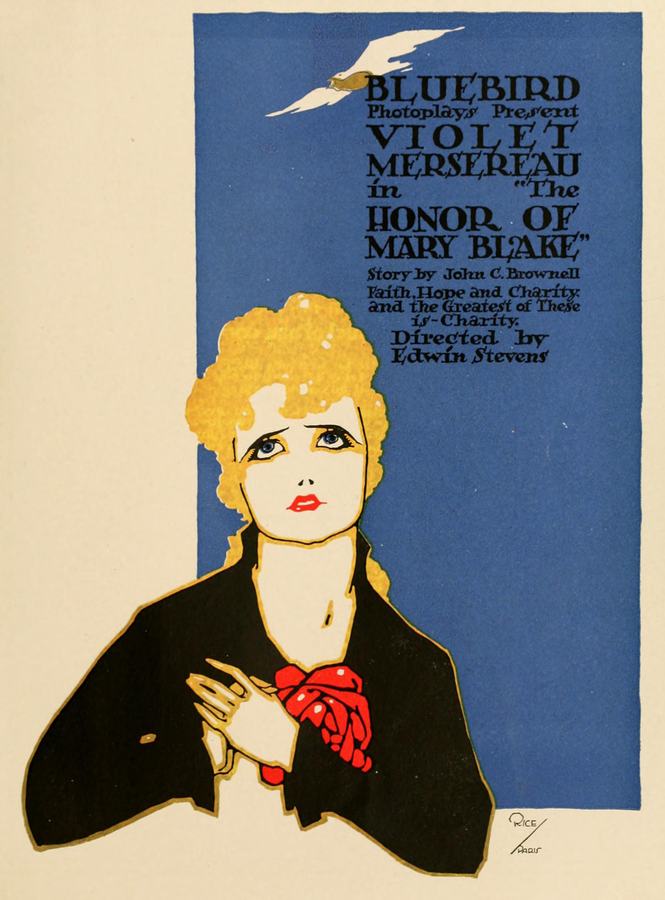
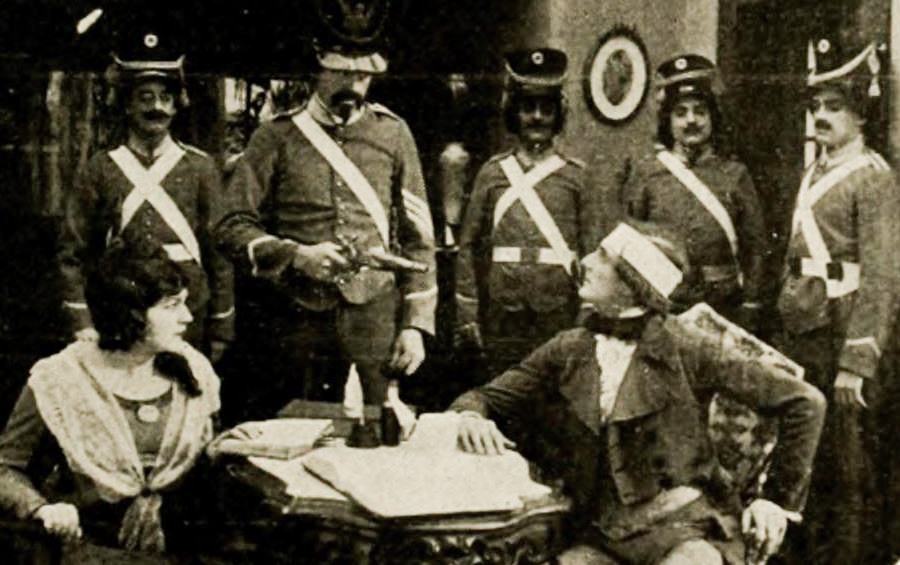
Step right up, ladies and gentlemen, and prepare to be transported back to an era when stories unfolded not through spoken dialogue, but through the eloquent dance of shadow and light, the subtle tremor of an actor's hand, and the powerful gaze of the human eye. Today, we're casting our critical lens upon a cinematic relic, a poignant melodrama from the annals of early film: The Honor of Mary Blake. This film, penned by the singular vision of John C. Brownell, whose narrative craftsmanship also graced the screen in other productions, presents a compelling tableau of love, betrayal, and the relentless pursuit of personal integrity in a society often quick to judge.
At its core, The Honor of Mary Blake is a deeply human story, a testament to the enduring power of narrative to capture the complexities of the heart. We meet Mary Blake, an itinerant performer, a woman whose life is a perpetual motion, traveling with a theatrical troupe from town to town. Her existence is one of transient connections, fleeting applause, and the constant reinvention that is the hallmark of the stage. Yet, beneath this veneer of theatricality, Mary yearns for something more profound, something stable, something real. This yearning finds its potential fulfillment in Kirk Hardy, a man whose steadfast nature and genuine affection offer a stark contrast to her nomadic life. Their connection is immediate, palpable, a silent promise of a different future.
But, as is often the case in compelling dramas, the past is a relentless specter. Mary carries a heavy burden, a secret that threatens to unravel any happiness she might build. She was, some time ago, cruelly tricked into a marriage, a union devoid of love or legitimate consent. This clandestine history, a scar on her soul, prevents her from fully embracing her future with Kirk. In a series of heart-wrenching moments, she attempts to confess, to unburden herself of this truth before their love solidifies into marriage. Yet, Kirk, perhaps blinded by his own idealized vision of her, or simply unwilling to confront the complexities of a past he cannot comprehend, refuses to listen. His dismissal, though perhaps born of a desire to protect their burgeoning romance, inadvertently seals Mary's fate, forcing her into a silence that will inevitably lead to future heartbreak.
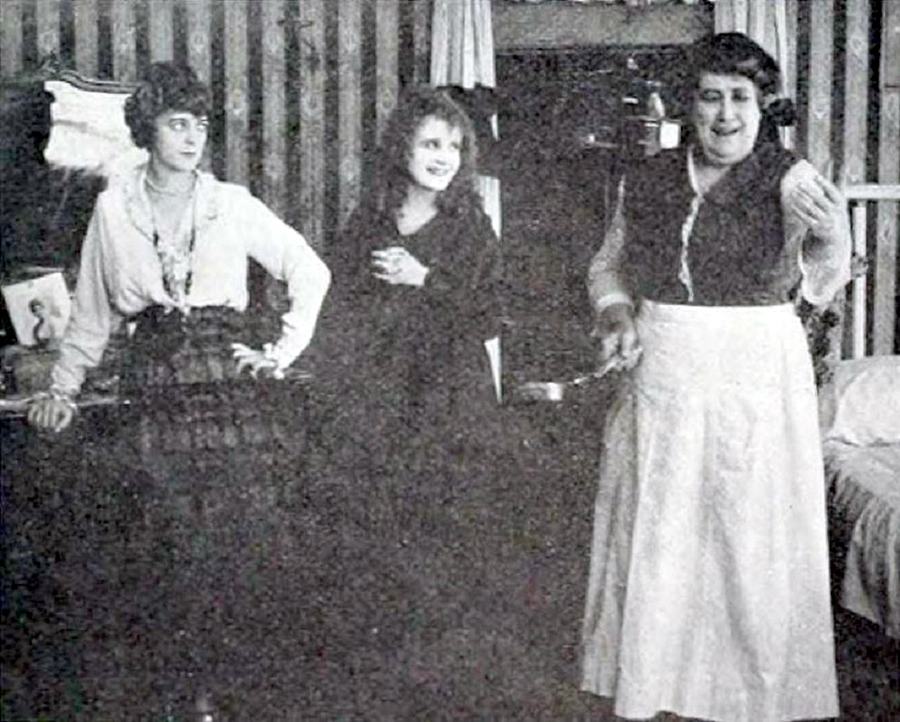
Their marriage, solemnized under the shadow of this unspoken truth, becomes a fragile edifice. And, as fate would have it, the malevolent architect of Mary's past reappears. This other man, the one who ensnared her in a fraudulent union, resurfaces with a cruel intent: to exploit their prior connection, to expose Mary’s secret, and to systematically dismantle her life with Kirk. The film then transforms into a tense cat-and-mouse game, a battle for reputation, for love, and for the very essence of Mary’s honor. Will truth prevail? Can love endure the corrosive power of deceit and societal judgment? These are the questions that propel the narrative forward, keeping audiences riveted to the flickering screen.
The performances in The Honor of Mary Blake are, as one might expect from the era, characterized by a certain theatricality, yet within that stylistic framework, the cast manages to convey a surprising depth of emotion. Violet Mersereau, likely in the titular role, would have been tasked with portraying Mary’s complex internal world – her hope, her fear, her desperate attempts at honesty, and her eventual resignation to a fate dictated by external forces. Her expressive eyes and gestures would have been crucial in communicating the nuances of a woman caught between her past and her yearning for a future. Supporting players like John C. Brownell, Sidney Mason, Caroline Harris, Yolande Duquette, James O'Neill, and Tina Marshall would have contributed to the film's dramatic texture, each bringing their own distinct presence to the ensemble. The efficacy of silent film acting often rested on the ability to project emotion across the fourth wall without spoken words, a skill that the performers of this era honed to a fine art. The subtlety, or lack thereof, in these performances often dictated the audience's emotional investment. One can imagine the palpable tension as Mary attempts to speak, only to be cut off, her silent agony etched on her face.
The thematic resonance of The Honor of Mary Blake extends far beyond its melodramatic plot points. It delves into the societal expectations placed upon women in the early 20th century, particularly regarding marriage, reputation, and the unforgiving nature of a perceived moral transgression. Mary's struggle to speak her truth, only to be silenced, highlights a broader issue of female agency and voice within a patriarchal framework. The film subtly critiques the superficiality of honor, suggesting that true honor lies not in an unblemished past, but in the integrity of one's present intentions and actions. This theme echoes through many films of the period, where women often found themselves navigating treacherous social waters, their reputations constantly at stake. Consider, for instance, the struggles of characters in films like The Impostor, where hidden identities and past lives invariably surface to create dramatic conflict, or even the challenges faced by women in theatrical settings, as explored in Children of the Stage; or, When Love Speaks, where the boundary between performance and reality often blurred, impacting personal lives.
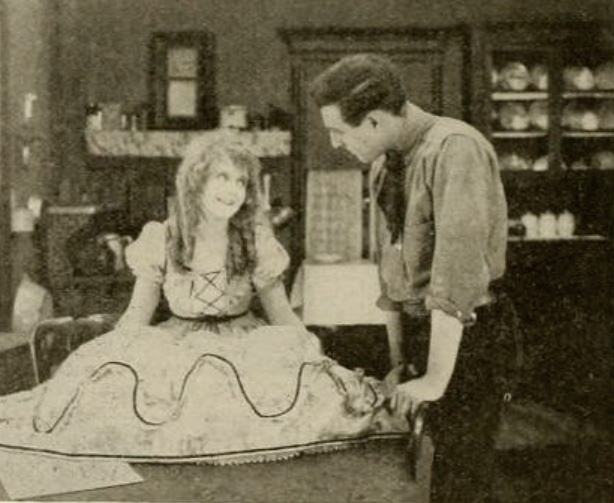
John C. Brownell's screenplay, while adhering to the dramatic conventions of the time, demonstrates a keen understanding of human psychology. The refusal of Kirk to listen to Mary’s confession, for example, is a crucial narrative device. It's not merely a plot contrivance but a commentary on the fragility of communication, the dangers of idealization, and the tragic consequences of willful ignorance. Had Kirk simply listened, had he allowed Mary to articulate her past, the entire trajectory of their lives might have been different. This particular plot point resonates with the timeless human experience of miscommunication and the painful chasm it can create between individuals. It reminds one of the often-unseen complications that can arise from simple misunderstandings, leading to grander, more tragic outcomes, much like the intricate relationship dynamics explored in The Builder of Bridges, where personal choices have far-reaching implications.
The visual storytelling of silent film is an art form unto itself. Without dialogue, filmmakers relied heavily on mise-en-scène, intertitles, and the evocative power of cinematography. One can imagine the dramatic close-ups on Mary’s face as she grapples with her secret, or the menacing presence of the 'other man' conveyed through stark lighting and imposing angles. The staging of the theatrical troupe's performances would have offered opportunities for visual spectacle, contrasting the glitter of the stage with the stark reality of Mary's personal life. This juxtaposition of illusion and reality is a recurring motif in stories about performers, a theme beautifully explored in other films of the era, such as When Broadway Was a Trail, which often depicted the harsh realities behind the glamorous facade.
The moral quandary at the heart of The Honor of Mary Blake is one that continues to provoke thought: can a past mistake, especially one committed under duress, truly invalidate a present, genuine love? The film, in its silent eloquence, forces the audience to confront this question, to empathize with Mary's impossible situation. Her 'honor' is not merely a legalistic construct but a deeply personal, internal struggle for validity and peace. The villain, in his relentless pursuit, represents the rigid, unforgiving hand of societal judgment, a force that often prioritizes appearances over truth, and law over compassion. This relentless external pressure on a protagonist is a classic dramatic device, seen in various forms across cinematic history, often creating a sense of impending doom that keeps audiences on the edge of their seats.
As a piece of early cinema, The Honor of Mary Blake offers a fascinating glimpse into the nascent stages of cinematic narrative. The techniques employed, while perhaps seeming rudimentary by today's standards, were revolutionary for their time. The ability to craft such a complex emotional journey without the aid of spoken words required immense skill from both the writer and the director. The pacing, the use of intertitles for exposition and dialogue, and the reliance on visual cues were all part of a developing cinematic language. Films of this period, like Martin Eden or His Picture in the Papers, were experimenting with how to best tell stories visually, pushing the boundaries of what the new medium could achieve. This film, like many others of its ilk, helped to lay the groundwork for the more sophisticated cinematic grammar we take for granted today.
The film's exploration of themes like mistaken identity, the weight of the past, and the resilience of the human spirit makes it a valuable artifact for film historians and enthusiasts alike. It speaks to universal truths about love, loss, and the eternal quest for happiness against overwhelming odds. The very title, The Honor of Mary Blake, suggests a central preoccupation with reputation and societal standing, which were paramount concerns for women in that era. The potential for scandal, for social ostracization, hung heavy over any deviation from prescribed norms. This pressure is what makes Mary's plight so compelling and her struggle so relatable, even a century later. It’s a timeless narrative, much like the enduring appeal of adventure and romance found in films such as The Carpet from Bagdad, though with a decidedly more internal, psychological focus.
Ultimately, The Honor of Mary Blake serves as a powerful reminder of the enduring power of silent cinema to captivate and move audiences. It’s a testament to the skill of its creators and performers that, even without the benefit of synchronized sound, the emotional beats of Mary’s story resonate so profoundly. The film’s dramatic tension, born from Mary’s desperate attempts to confess and Kirk’s stubborn refusal to hear, builds to an almost unbearable climax as her past finally catches up to her. This kind of slow-burn dramatic irony is a hallmark of effective storytelling, regardless of the medium. The stakes are clear, the characters' motivations, though sometimes misguided, are understandable, and the resolution, whatever it may be, feels earned. It's a journey through the human condition, painted with broad strokes of melodrama but grounded in genuine emotional conflict. The film stands as a valuable example of how early narratives tackled complex social issues and personal dilemmas, proving that the silent screen was anything but silent in its impact. The rich tapestry of human experience, woven with threads of hope and despair, finds a compelling expression here, inviting us to ponder the true meaning of honor and the sacrifices one makes for love. And as the final frames fade, one is left to reflect on the silent battles fought within, and the loud reverberations they leave in their wake.
IMDb —
1914
Community
Log in to comment.