DbcultAccessing Vault...
6.3/10
Senior Film Conservator
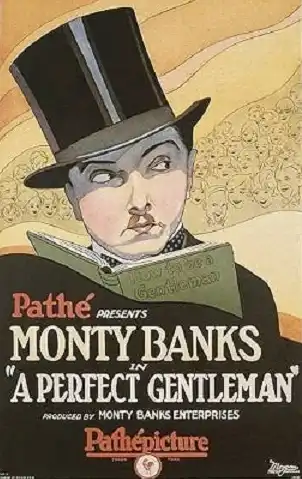
A definitive 6.3/10 rating for a film that redefined the boundaries of cult cinema. A Perfect Gentleman remains a cornerstone of transgressive art.
If you're scrolling for a quick, easy silent film from 1928, A Perfect Gentleman probably isn't your first stop. This one is really for the dedicated silent comedy fan, or maybe someone curious about Monty Banks, who's definitely trying his best here. If the idea of extended, slightly repetitive physical comedy with a plot that veers wildly sounds like a chore, you'll want to skip this one.
The film starts straightforward enough: Monty, a bank guy, is headed to his wedding. Classic setup. Then, a flat tire, a bump on the head, and his valet's truly terrible idea of a 'revival' – pouring liquor down his unconscious boss's throat. This whole sequence, the accidental drunkenness, feels like it takes an age to get going. The intertitles explain it, but the actual visual of Monty going from knocked out to completely plastered is a long, drawn-out affair. You can see Banks putting in the work, the flailing arms, the wide-eyed confusion, but it just keeps going.
His introduction to Helen's aunt while in this state is the first real conflict, and the aunt, well, she's the classic disapproving type. Her reactions are big, as they need to be in silent film, but she's not given much beyond that one note. It's a shame, because a more nuanced foil could have elevated those early, slower scenes.
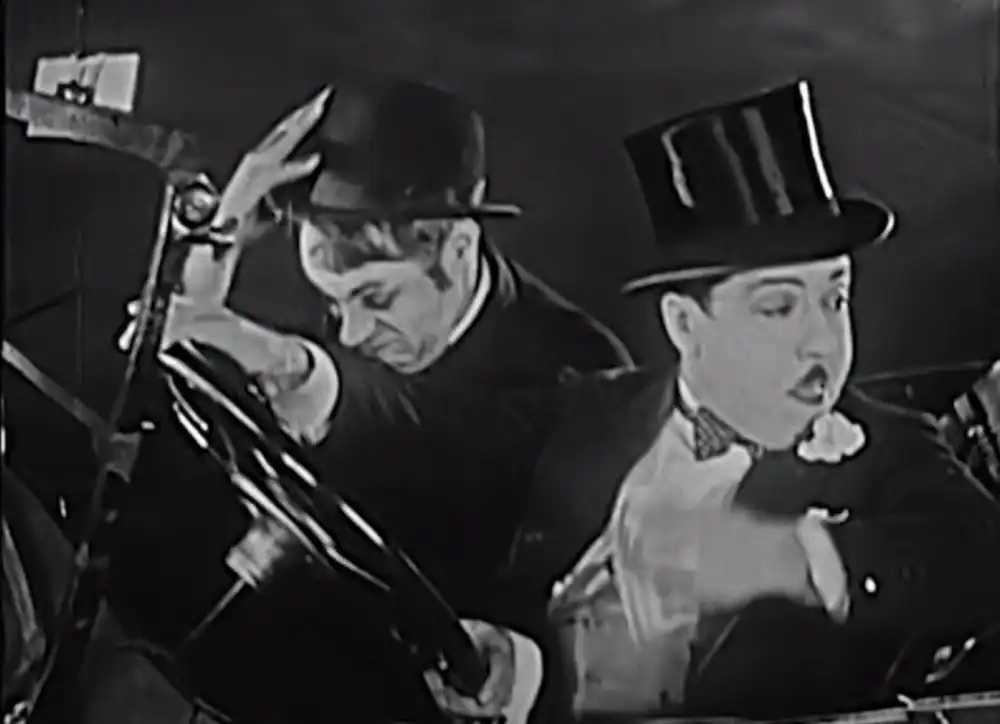
There are these moments, especially in the first act, where the film just feels… slow. A reaction shot of someone looking annoyed can hold for what feels like an eternity, almost daring you to laugh, or maybe just to check your watch. It’s hard to tell if it’s a deliberate comedic choice or just a pacing quirk of the era.
The rival, George Cooper, is a bit of a bland antagonist, mostly just smirking and making things worse for Monty. His sudden pivot to financing a South American revolution with stolen bank funds feels like it comes out of nowhere, a complete tonal shift that almost makes you wonder if you missed an entire reel. It’s a very abrupt way to inject some high-stakes drama, and it doesn't quite mesh with the earlier, more domestic slapstick.
But then, the ship sequence. This is where A Perfect Gentleman finally finds a gear, even if it's a frantic, slightly unpolished one. All the characters end up on the same boat, naturally, and it descends into pure, unadulterated chaos. There’s a lot of running around, people getting hit over the head with various objects – mostly fish, at one point, which is a nice touch – and money bags changing hands in a blur. It's the kind of slapstick melee that either works for you or it doesn't. For me, some of it felt genuinely inventive. A bit with a rope swing and a series of accidental dives into the ocean stands out. Other parts just blurred into a general commotion, with a few too many identical-looking henchmen.
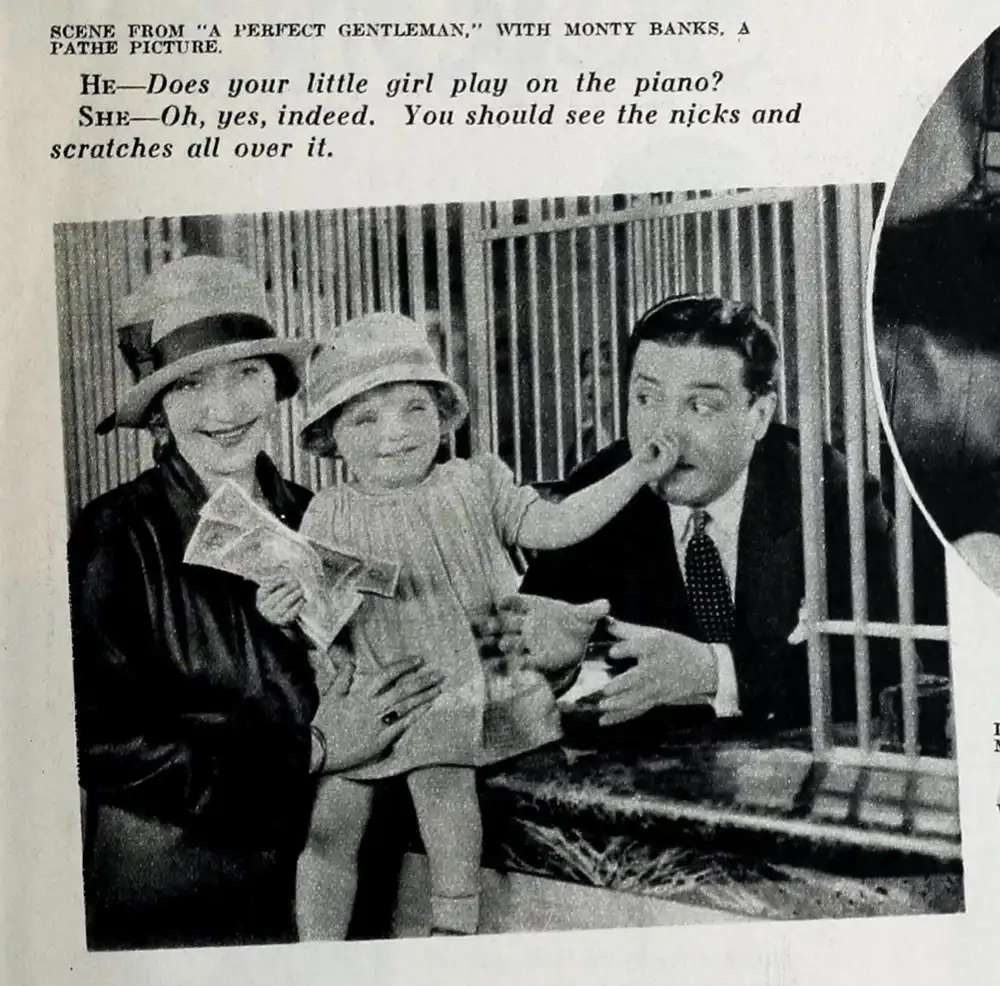
Monty Banks himself is a curious performer. He's not got the effortless grace of a Keaton, nor the deep pathos of a Chaplin. He's more… industrious. You can see the gears turning, the determination to deliver the gag, to make the physical comedy land. Sometimes it does, especially when he's reacting to the sheer absurdity around him. Other times, it feels a little forced, like he's trying to hit a mark he's not quite feeling. His facial expressions are often broad to the point of caricature, which is typical for the period, but occasionally it pushes past funny into a kind of strained effort.
The background details are minimal, as you'd expect from a film of this budget and era. Sets are functional, costumes are exactly what they need to be. There's no real sense of place beyond 'a bank,' 'a house,' and 'a boat.' This isn't a film trying to build a world, it's just trying to move Monty from one predicament to the next.
Ultimately, A Perfect Gentleman is a relic. It's a decent enough showcase for Monty Banks' particular brand of physical comedy, especially if you're already inclined towards silent-era slapstick. But it asks a good deal of patience from its audience, particularly in its uneven first half. The title is definitely ironic, given Monty's less-than-gentlemanly escapades. It's a film for the completists, the curious, and those who genuinely enjoy the quirks and sometimes clunky charm of early cinema. Everyone else might find it a bit of a slog.
IMDb 5.6
1933
Community
Log in to comment.