DbcultAccessing Vault...
Cult Review
Senior Film Conservator
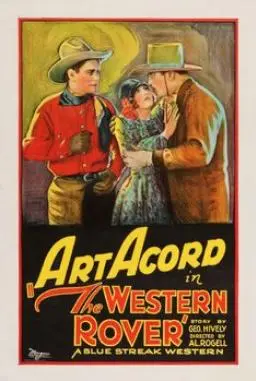
Is 'The Western Rover' a relic of a bygone era or a timeless piece of frontier cinema? Short answer: yes, it’s worth watching today, but with significant caveats that demand a particular kind of viewer. This film is an absolute must for aficionados of silent-era Westerns, historians of early cinema, and those who appreciate the foundational tropes that shaped a genre. However, for viewers accustomed to modern pacing, complex narratives, and advanced technical polish, 'The Western Rover' will likely feel slow, simplistic, and visually dated.
It's a foundational text, a blueprint for countless narratives to follow, yet it carries the distinct limitations of its time. To truly appreciate it, one must adjust their lens, looking beyond what’s absent and focusing on what it pioneered. It works. But it’s flawed.
George Hively's screenplay for 'The Western Rover' is, at its core, a distillation of the classic lone-hero-rides-into-town trope. William Welsh, as the titular Rover, embodies the archetype of the mysterious stranger, a man of few words and decisive actions. His arrival in a community beset by the nefarious machinations of a local land baron (Charles Avery, with an almost cartoonish villainy) sets the stage for a straightforward tale of good versus evil. Ena Gregory's character, a rancher’s daughter, serves as the emotional anchor, her struggles highlighting the stakes for the community.
The pacing, typical of its era, is deliberate. Scenes unfold with a measured rhythm, often relying on extended sequences of riding, chasing, and the dramatic impact of intertitles to convey plot points and character motivations. This can be a hurdle for contemporary audiences. There’s a noticeable absence of the rapid-fire editing we’ve become accustomed to, demanding patience and a willingness to immerse oneself in a different storytelling cadence. For instance, a simple journey across the plains isn’t just a transitional shot; it's a moment to appreciate the vastness of the setting and the Rover's solitary existence.
The tone is earnest, almost moralistic, celebrating justice and rugged individualism. There are moments of genuine tension, particularly in the climactic confrontations, but these are balanced by quieter scenes that emphasize the bond between the Rover and his animal companions, Rex the Dog and Raven the Horse. These animal actors, in fact, often steal scenes with their intelligence and loyalty, providing a surprising depth of emotional connection that some human performances struggle to match.
This film works because it establishes quintessential Western archetypes with compelling conviction. It fails because its narrative simplicity and reliance on stock characterizations can feel underdeveloped by contemporary standards. You should watch it if you're eager to witness the raw, unfiltered genesis of the American Western and appreciate the subtle power of early cinematic storytelling.
William Welsh's portrayal of The Western Rover is a masterclass in silent-era stoicism. He communicates volumes through subtle shifts in his gaze, the set of his jaw, and his posture. There’s an inherent nobility to his silence, making his eventual actions all the more impactful. He’s not a showman; he’s a force of nature, much like the landscape he traverses. His chemistry with Raven the Horse, in particular, feels authentic, a testament to the bond between man and beast on the frontier.
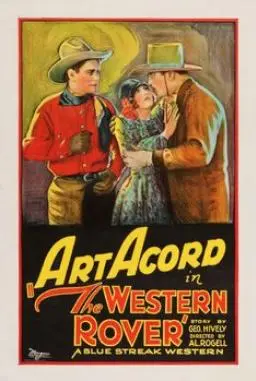
Charles Avery, on the other hand, leans into the theatricality common for villains of the period. His sneers, his menacing gestures, and his overall demeanor leave no doubt as to his character's nefarious intentions. While effective for the time, it can come across as somewhat one-dimensional to modern sensibilities. He represents a clear, unambiguous evil, which serves the film's straightforward narrative but offers little in the way of nuance.
Ena Gregory, as the beleaguered rancher, brings a necessary vulnerability and spirit to her role. She isn't merely a damsel in distress; there's a resilience in her eyes that suggests an inner strength, even when facing dire circumstances. Her performance anchors the human element of the conflict, providing a relatable stake for the audience. Art Acord and Albert J. Smith round out the cast, delivering solid, if less memorable, supporting turns that fulfill their archetypal roles within the Western framework.
However, the true standout performances, in an unconventional twist, often come from the non-human cast members. Rex the Dog, with his intelligent eyes and timely interventions, and Raven the Horse, with his majestic presence and unwavering loyalty, are not just props but integral characters. Their contributions are not merely functional; they add layers of warmth and heroism that are genuinely moving. It's a surprising observation, but their screen presence can often overshadow that of some human co-stars, proving that sometimes, a well-trained animal can convey more emotion than an overacting human.
The direction, while not groundbreaking by today's standards, is competent and effective for conveying the narrative. The film makes excellent use of the vast, untamed Western landscapes, which serve as more than just a backdrop; they are a character in themselves. The sheer scale of the outdoors is often captured through wide shots that emphasize the isolation and the rugged beauty of the frontier.
There's a raw authenticity to the cinematography that captures the dust, the sun, and the sheer physical effort of frontier life. While not as artistically ambitious as some of its contemporaries, say, the visual poetry found in certain European silent films like Jean Chouan, 'The Western Rover' prioritizes clarity and action. The camera work is largely functional, favoring clear sightlines for action sequences and establishing shots that ground the viewer in the environment.
One particular sequence, a chase across a rocky canyon, stands out. The camera, while static, captures the dynamic movement of the horses and riders with a sense of urgency. The natural light highlights the dust kicked up by the hooves, adding a visceral quality that transcends the limitations of silent film. It’s a moment that reminds you of the inherent thrill of early cinema, relying on pure visual storytelling rather than special effects or rapid cuts. This simple, direct approach to filming the action is arguably more effective than some of the overly stylized sequences seen in later, more self-conscious Westerns.
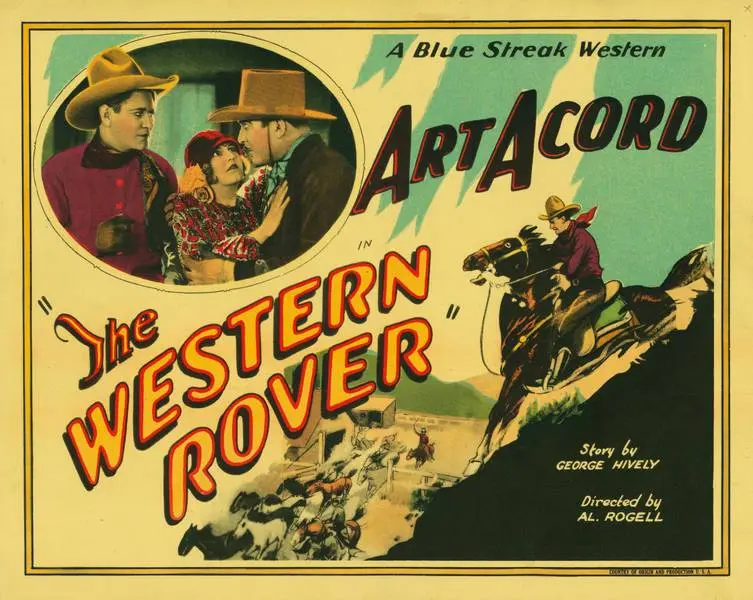
The film's visual language is direct. It tells you what you need to see, without lingering on extraneous details. This can be both a strength and a weakness. It keeps the story moving, but it sometimes sacrifices the opportunity for deeper atmospheric immersion or symbolic imagery that could elevate the film beyond a standard genre piece. While it won't be remembered for its artistic innovations in cinematography, it certainly delivers on the promise of showing the rugged beauty and dangers of the Old West.
Absolutely, but with a clear understanding of its historical context. 'The Western Rover' is a significant artifact of early American cinema. It showcases the foundational elements that would define the Western genre for decades.
It’s a chance to see tropes in their nascent form. The stoic hero, the dastardly villain, the threatened innocent, the loyal animal companions – they are all here. The film is a valuable lesson in cinematic history, demonstrating how stories were told before synchronized sound.
For those who appreciate the quiet power of visual storytelling, it offers a rewarding experience. It demands patience but rewards with a glimpse into a bygone era of filmmaking and a genre that continues to captivate. Don't expect a fast-paced, complex narrative; expect a straightforward, earnest adventure.
'The Western Rover' is more than just a dusty relic; it’s a living testament to the nascent power of cinematic storytelling. While it won't compete with the narrative complexity or technical prowess of a modern blockbuster, its value lies in its foundational authenticity. It's a film that demands a certain kind of engagement, a willingness to slow down and appreciate the roots of a genre that has shaped American mythology.
William Welsh's stoic presence and the undeniable charm of Rex and Raven elevate what could have been a pedestrian silent Western into something genuinely watchable. It’s a rough-hewn gem, a film that, despite its age, still possesses a quiet, compelling strength. It might not be for everyone, certainly not for those seeking the adrenaline rush of a contemporary action film like The Cyclist, but for those who understand its place in history, 'The Western Rover' offers a rewarding journey back to the very dawn of the cinematic West. It reminds us that sometimes, the simplest stories, told with earnest conviction, are the ones that truly endure, even if they require a little extra effort to unearth their timeless appeal. It is, unequivocally, a film worth seeing, if only to understand where so much of what we now take for granted truly began.
IMDb —
1917
Community
Log in to comment.