DbcultAccessing Vault...
6.7/10
Senior Film Conservator
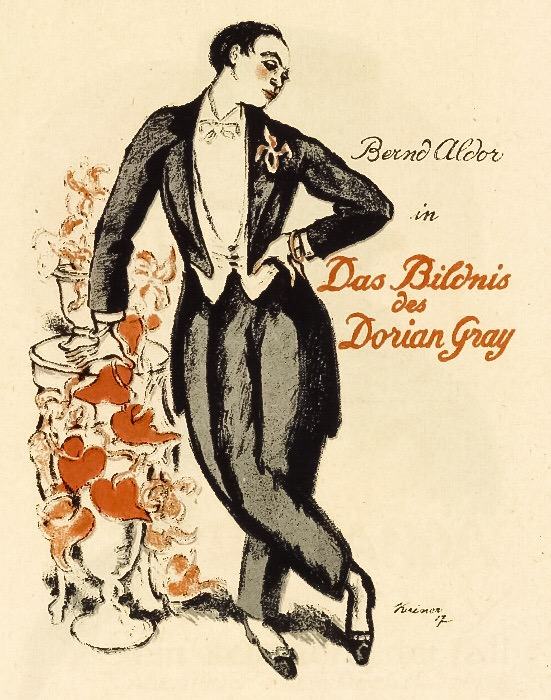
A definitive 6.7/10 rating for a film that redefined the boundaries of cult cinema. Das Bildnis des Dorian Gray remains a cornerstone of transgressive art.
Berlin, winter 1917. The city exhales coal soot and desperation. Into this soot Richard Oswald drops his nitrate grenade: a Wildean tale recalibrated for a nation busy cannibalizing its own future. The film’s intertitles—white on black like fresh stitches—warn us that beauty is currency, and currency devalues fastest in wartime.
What lingers is not narrative but texture: the tactile crunch of varnish cracking across the cursed canvas, the hush of kid gloves stroking a cheek already colder than marble. Oswald, ever the moral pornographer, understands that decadence is most obscene when it smells of lavender water rather than sulfur.
Oscar Wilde once quipped that one should either be a work of art or wear a work of art. Here the aphorism is surgically inverted: the painting wears Dorian, digesting him layer by epidermal layer. Cinematographer Max Fassbender bathes the studio in chiaroscuro so severe that every shadow resembles a noose. When Basil (Lupu Pick) unveils the finished portrait, the camera pirouettes in a 360-degree pan—an astonishing feat for 1917—until the frame itself seems to hyperventilate.
Compare this to the moral absolutism of The Christian (1915), where sin is punished by narrative decree. Oswald prefers market volatility: evil pays handsome dividends until the exchange itself combusts.
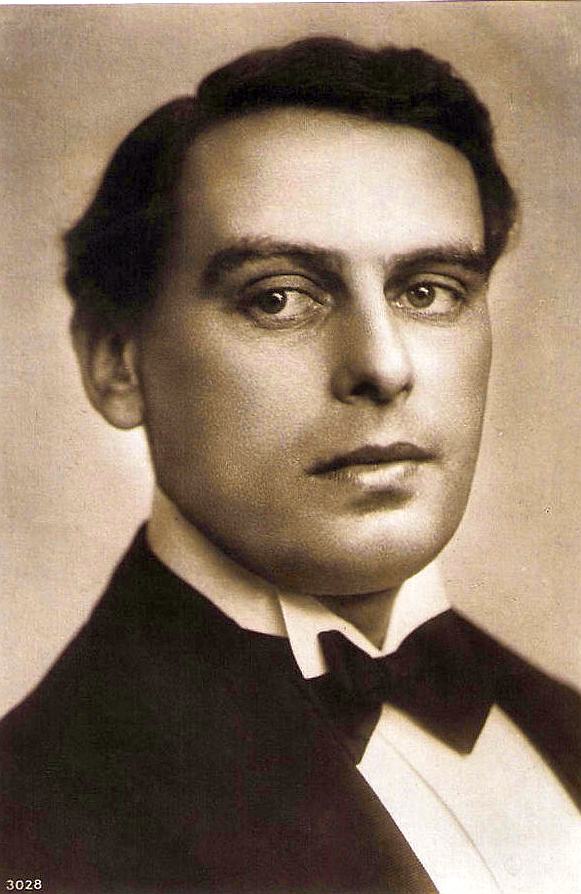
Ernst Pittschau’s Dorian is no fop but a predator with the face of a choirboy. His smile arrives a half-second late, like a telegram announcing your own funeral. Notice how he pockets a silk handkerchief after wiping blood from a busted lip—not his blood, never his. Meanwhile Sophie Pagay arches an eyebrow with the lethal precision of a guillotine, stealing every tableau she haunts.
There is tragicomedy in supporting turns: Arthur Wellin’s rakish Lord Henry, powdered to the point of albinism, dispenses epigrams as if coughing up petals laced with arsenic. Each bon mot lands like a stock tip in a rigged casino.
Oswald shot on location in the Tiergarten cabarets that would soon vanish under Allied bombs. Girls with kohl wings for eyebrows gyrate to a foxtrot played on a warped gramophone; the sound was lost, but you can almost hear the shellac crackle. In one feverish insert, a bureaucrat snorts cocaine off a Reichsmark note, the serial number legible: 666. Subtlety was rationed along with bread.
Contrast this opulence with the stark Protestant shame of Die ewige Nacht; Oswald’s hell is upholstered, perfumed, and comes with a complimentary cigar.
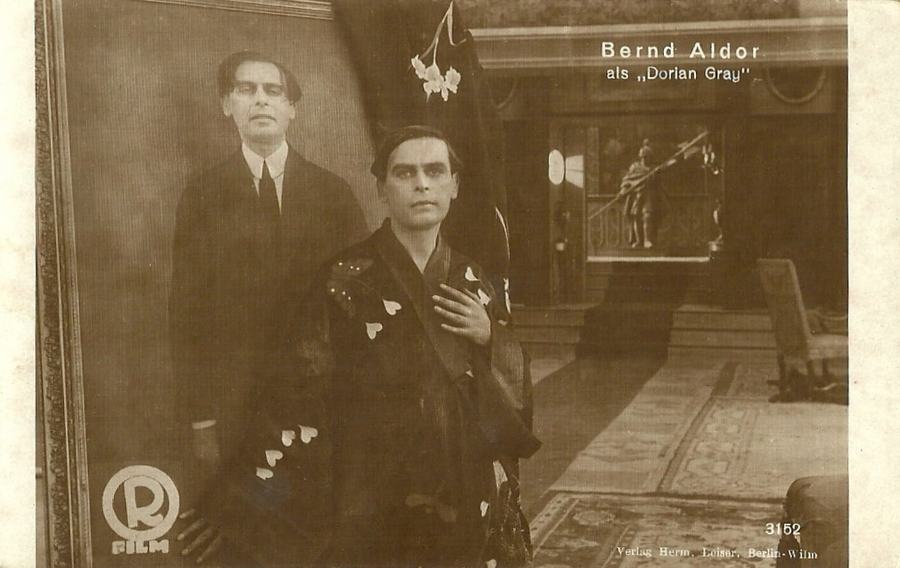
Restoration notes reveal that the original tinting alternated between arsenic green for interiors and iodine red for orgies. Modern digital scans flatten these hues into a umber bruise, yet the horror persists: we are watching a moral infection archived on celluloid that itself is decaying. The irony metastasizes—film stock and human virtue both curl at the edges when exposed to too much light.
Cinephiles who relish body-horror may queue it beside The Taint, yet Oswald’s violence is psychological acid poured into a cut-glass decanter.
Lea Lara’s Sibyl Vane is introduced in a cramped attic theatre where the ceiling drips like a consumptive lung. Her death scene—off-screen but evoked via a single blood-red iris shot—undercuts the Victorian angel/whore binary. She is neither; merely unemployed once Dorian’s desire expires. Meanwhile, cross-dressing extras mill through the background, their monocles catching the projector beam like winks from a future that hasn’t yet invented the word “queer.”
Oswald employs Eisensteinian montage years before Eisenstein: a champagne cork pop cuts to a firing-squad volley; a kiss dissolves into a syringe. The pace is cocaine-binge frantic, yet each splice lands with ethical bruises. By the time the portrait is finally revealed in its putrescent glory, the camera refuses close-up—instead it retreats, as if discretion itself were capable of nausea.
Modern screenings often accompany the film with a reconstructed score of atonal strings. I prefer the hollow clatter of the projector—its mechanical heartbeat reminds us that every frame is a death mask pressed against the lens. When the final intertitle reads “The picture is the man,” the absence of music feels like a diagnosis.
If Anton the Terrible externalizes guilt into snowy landscapes, Oswald internalizes it onto pigment and flesh. Where Hazel Kirke pleads for sentimental redemption, Das Bildnis offers none; the ledger must be paid in full, and the interest is compounded nightly.
Released months after the Zimmerman telegram, the film was clipped by military censors who feared its nihilism might demoralize the home front. Approximately seven minutes—allegedly depicting a hallucinatory opium orgy—vanished into bureaucratic furnaces. The gaps pulse like phantom limbs; continuity hiccups whenever Dorian’s waistcoat changes pattern mid-scene. These lacunae only heighten the nightmare logic.
Viewed today, the film foreshadows Weimar’s doomed bacchanalia: the same cafes would soon host Brecht’s cigar smoke; the same bourgeoisie would trade portraits for mortgage-backed paper. Oswald’s Dorian is a dress-rehearsal for a republic that believes lipstick can camouflage gangrene.
Curious viewers might juxtapose it with The Habit of Happiness, where optimism is also a consumptive currency.
Das Bildnis des Dorian Gray is not merely a silent relic; it is a mildewed love-letter addressed to anyone who has ever checked their reflection for cracks. It argues that art does not imitate life—it amortizes it. The film survives only in fragments, yet those fragments infect the eye long after the lights rise. Watch it, but remember: every spectator adds another brushstroke to the canvas.
IMDb —
1928
Community
Log in to comment.