DbcultAccessing Vault...
Cult Review
Senior Film Conservator
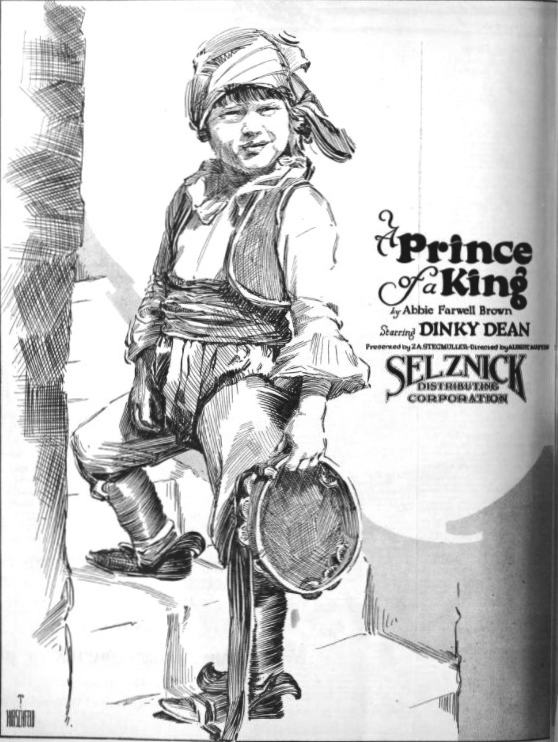
In the annals of cinematic storytelling, few narratives resonate with the primal force of a lost heir's journey quite like 'A Prince of a King'. This compelling drama, penned by the collaborative genius of Abbie Farwell Brown and Douglas Z. Doty, plunges us into a fifteenth-century kingdom where the machinations of power swiftly unravel the very fabric of royalty. It’s a tale steeped in betrayal, serendipity, and the inexorable pull of one's true lineage, painting a vivid tableau of a life uprooted and a destiny reclaimed against formidable odds. The film's enduring appeal lies not just in its dramatic sweep but in its nuanced exploration of identity, belonging, and the often-harsh realities faced by those on the fringes of society.
The opening scenes are a masterclass in establishing high stakes with chilling efficiency. We witness the insidious act of Duke Roberto, portrayed with menacing subtlety by Dean Riesner, as he orchestrates the demise of King Lorenzo. This act of regicide is not merely a political maneuver; it's a profound violation, a severing of the natural order. The subsequent abandonment of the infant Prince Gigi in the unforgiving wilderness is a visceral gut-punch, a stark illustration of Roberto's ruthless ambition. This foundational tragedy immediately imbues the narrative with a sense of urgent pathos, drawing the audience into the prince's precarious plight. It sets a tone reminiscent of classic European folk tales, where innocence is often cast into the maw of danger, only to be saved by an unexpected grace.
The narrative pivot, from royal cradle to nomadic camp, is executed with poignant grace. The discovery of the abandoned prince by a troupe of Romani acrobats, led by the venerable Andrea (Josef Swickard), introduces a vibrant, contrasting world. Swickard's portrayal of Andrea is particularly noteworthy; he embodies a paternal warmth tempered by the pragmatism required for their itinerant existence. This segment of Gigi's life is where the film truly breathes, showcasing the rich tapestry of Romani culture, their resilience, and their unique artistry. Gigi, brilliantly brought to life by Sam De Grasse, thrives in this environment, his innate agility and charisma finding a natural outlet in performance. De Grasse captures the youthful exuberance and burgeoning talent of Gigi with remarkable authenticity, making his transformation into the troupe's star performer utterly believable.
However, this idyllic, albeit challenging, existence is not without its shadows. The film doesn't shy away from depicting the harsher realities of the acrobats' lives, including moments of abuse that fuel Gigi's desire for escape. These moments are crucial, adding layers of complexity to his character and motivations. They illustrate that while the Romani provided sanctuary, their world was still fraught with its own set of trials, distinct from the courtly intrigues but no less demanding. It's a fascinating study in nature versus nurture, as the inherent nobility of Gigi's spirit struggles against the constraints of his adopted life, yet simultaneously benefits from the physical and mental fortitude it instills.
The fateful return to the kingdom, ostensibly for a performance, serves as the narrative's central turning point. Gigi's desperate attempt to flee the abusive aspects of his life with the troupe precipitates the dramatic recognition that drives the climax. It's here that the film expertly weaves together threads of coincidence and destiny. The keen eye of the court physician, a character often relegated to the background in lesser films, becomes the catalyst for Gigi's return. This moment is handled with a delicate touch, avoiding melodrama in favor of profound emotional resonance. The reunion with the queen mother, portrayed with heartbreaking vulnerability by Virginia Pearson, is a powerful scene. Pearson conveys years of grief and longing, making the sudden discovery of her lost son an almost spiritual experience for the audience. Her performance anchors the film's emotional core, reminding us of the profound personal cost of Roberto's ambition. One might draw parallels to the dramatic reveals in films like The Tower of Jewels, where hidden truths meticulously surface to reshape destinies.
The ensuing justice for Duke Roberto is swift and satisfying, a testament to the film's commitment to moral clarity. Riesner's Roberto, stripped of his power, is a stark contrast to his earlier imperious self, serving as a cautionary tale of unchecked ambition. However, the subsequent banishment of the Romani troupe from the court introduces a layer of bittersweet complexity. While they are instrumental in preserving Gigi's life, their unconventional lifestyle is ultimately deemed incompatible with the rigid decorum of royalty. This decision, though harsh, speaks volumes about the entrenched class distinctions of the era, a theme that echoes in the social commentaries found in films like Our Leading Citizen, which often explored the friction between different societal strata. It forces the audience to ponder the nature of gratitude and the limits of acceptance, even in the face of profound service.
The ensemble cast delivers performances that elevate the material beyond a simple adventure story. Sam De Grasse, as the titular prince, carries the film's emotional weight with impressive gravitas. His journey from innocent foundling to acrobatic prodigy, and finally to rightful heir, is depicted with a nuanced understanding of character development. He imbues Gigi with a natural nobility that transcends his circumstances, making his eventual ascent to the throne feel not just deserved but destined. His youthful energy is palpable, a vital spark that ignites the screen.
Josef Swickard's Andrea is the moral compass of the Romani troupe. His weathered face tells a story of hardship and wisdom, making his protective instincts towards Gigi entirely convincing. He is not merely a plot device but a fully realized character whose actions are driven by a deep sense of responsibility. His performance adds a layer of humanism to the often-stereotyped portrayal of Romani characters in early cinema, offering a glimpse into a community that, while marginalized, possessed its own codes of honor and loyalty. His internal conflict upon Gigi's recognition, knowing he must relinquish the boy he raised, is subtly devastating.
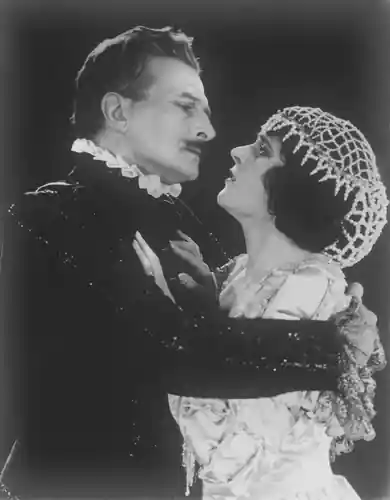
Virginia Pearson, as the Queen Mother, delivers a performance of quiet dignity and profound sorrow. Her portrayal avoids histrionics, instead conveying a deep, abiding grief that makes her eventual joy all the more potent. Her scenes are imbued with an emotional authenticity that resonates long after the credits roll. Dean Riesner's Duke Roberto is sufficiently villainous without resorting to caricature, his ambition cold and calculating, making him a formidable antagonist. The supporting cast, including Albert Austin, Eric Mayne, John St. Polis, and Mitchell Lewis, each contribute to the rich tapestry of the kingdom and the Romani world, adding depth and credibility to their respective roles. Their collective efforts ensure that the world of 'A Prince of a King' feels expansive and lived-in, a crucial element for historical dramas.
The screenplay by Abbie Farwell Brown and Douglas Z. Doty is a testament to classical storytelling. It is meticulously structured, with each plot point serving to propel the narrative forward while simultaneously deepening our understanding of the characters and their motivations. The dialogue, where present in intertitles, is concise and impactful, conveying emotion and information with elegant economy. They deftly balance the grand sweep of royal intrigue with the intimate human drama of Gigi's personal journey. This balance is often the hallmark of enduring tales, allowing for both epic scope and relatable emotional conflict. One can appreciate the meticulous narrative construction, a quality often praised in films like Ben Blair, which also navigated complex character arcs against a backdrop of significant societal change.
The direction, while perhaps less overtly stylized than some contemporary works, prioritizes clear storytelling and emotional clarity. The cinematography, even when viewed through the lens of time, effectively captures the contrasting worlds of the opulent court and the rugged wilderness, as well as the vibrant energy of the Romani camp. The visual language is direct and purposeful, ensuring that the audience is always engaged with the unfolding drama. There's a particular skill in how the film uses visual cues to hint at Gigi's true heritage, even when he is disguised by his circumstances, subtly reinforcing the theme of inherent destiny. The staging of the acrobatic performances, in particular, must have been quite a spectacle for contemporary audiences, blending genuine athleticism with narrative progression.
At its heart, 'A Prince of a King' is a profound meditation on identity. Gigi's journey is a search for self, a realization that who he is transcends where he was raised. It questions whether royalty is a birthright, a learned behavior, or an inherent quality of spirit. The film suggests a potent combination of all three. His time with the Romani, though harsh at times, undoubtedly forged a resilient, resourceful individual, perhaps even better equipped to rule than if he had spent his entire life cloistered in the court. This theme of a character's true nature emerging despite their upbringing finds echoes in countless tales, from classic literature to films like One of the Finest, where an individual's intrinsic moral compass guides them through adversity.
Justice is another paramount theme. Duke Roberto's punishment is not merely about retribution; it's about restoring balance to the kingdom. The film posits that true power derives from legitimacy and moral authority, not from deceit and violence. The contrast between Roberto's tyrannical rule and the implied just reign of the returning prince is a clear moral statement, one that would have resonated deeply with audiences grappling with questions of governance and social order. The film does not shy away from the consequences of wrongdoing, reinforcing a sense of cosmic justice that permeates the narrative. This clear delineation between good and evil, and the ultimate triumph of the former, is a storytelling tradition that continues to captivate audiences.
The decision to banish the Romani, while seemingly unjust from a modern perspective, highlights the complex interplay of social class and cultural acceptance in historical contexts. It's a bittersweet ending for them, underscoring that even acts of profound kindness may not bridge immutable societal divides. This nuanced conclusion prevents the film from becoming a simplistic fairy tale, injecting a dose of realism into its fantastical premise. It forces reflection on the boundaries of inclusion, and the persistent challenges faced by nomadic communities throughout history. The film, in its depiction of the Romani, avoids overt demonization, instead portraying them as a community with their own internal dynamics, strengths, and vulnerabilities.
'A Prince of a King' stands as a compelling example of early cinema's capacity for intricate storytelling and profound emotional depth. It's a film that, despite its age, continues to engage audiences with its timeless themes and compelling characters. The collaboration between writers Abbie Farwell Brown and Douglas Z. Doty crafted a narrative that is both epic in scope and intimately human, a difficult balance to strike. The film's ability to explore complex moral questions within an accessible adventure framework is a testament to its enduring power.
For enthusiasts of historical dramas and tales of royal intrigue, this film offers a rich and rewarding experience. It reminds us that while the trappings of power may change, the fundamental human struggles for justice, identity, and belonging remain eternally relevant. It's a poignant reminder that even in the darkest of times, the light of truth and destiny can pierce through, guiding the lost back to their rightful place. Much like the journeys of self-discovery depicted in films such as Hearts o' the Range, where characters must navigate harsh landscapes to find their way, Gigi's physical and emotional odyssey is central to his transformation.
In conclusion, 'A Prince of a King' is more than just a historical drama; it's a fable for the ages, exploring the resilience of the human spirit and the unyielding call of destiny. It's a film that deserves to be rediscovered and appreciated for its masterful storytelling, its memorable performances, and its resonant thematic explorations. It serves as a powerful testament to the enduring allure of stories where the downtrodden rise, and justice, however complex, eventually prevails. This cinematic gem, with its intricate plot and evocative characterizations, ensures its place in the pantheon of early film narratives that continue to speak to the human condition with remarkable clarity and emotional depth.
IMDb 6.8
1929
Community
Log in to comment.