DbcultAccessing Vault...
Cult Review
Senior Film Conservator
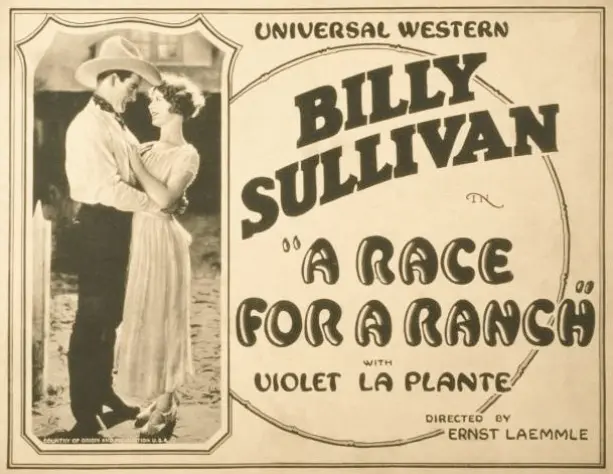
A Race for a Ranch is not just a film; it’s a story that dances on the delicate balance of human nature, morality, and the relentless pursuit of dreams. Directed with a keen eye for detail and intrigue, this narrative unfolds in the rugged landscape of the American West, where every twist and turn feels as authentic as the dusty trails and vast, open spaces.
The plot revolves around Dan Farrar, a man deeply in love with Eleanor, the daughter of his sweetheart’s father. The ranch they both cherish stands on the brink of foreclosure, a stark reality that hangs heavy over their lives. Desperate to save the land they hold dear, Dan discovers a pocketbook containing a telegram hinting that a railroad plans to purchase land adjacent to the ranch. A brilliant but morally questionable idea strikes Dan: why not alter the message to create an illusion of impending development?
With the telegram in hand, Dan crafts a new version, one that suggests the railroad is actively seeking to expand and purchase land, including his father-in-law’s ranch. This minor act of deception sets off a chain reaction that transforms the local real estate market. Land sharks, sensing a golden opportunity, rush to offer the old man vast sums in exchange for his property. The ranch, once a mere asset, becomes a coveted prize, and the small community is thrown into a frenzy of speculation and greed.
The old man, caught between the allure of quick wealth and the heartache of losing a beloved piece of land, is at the center of this moral dilemma. His decision to sell to the highest bidder becomes a pivotal moment, forcing Dan and Eleanor to navigate the consequences of their father’s actions. As the plot thickens, a new character emerges, a purchaser who, upon discovering the truth of the telegram, covets the lease and seeks to seize it. This introduces a layer of suspense and conflict, as Dan and Eleanor must rally to protect the ranch they love.
The performances in A Race for a Ranch are nothing short of exceptional. Violet La Plante brings a nuanced depth to Eleanor, a character whose love for Dan and her father’s ranch is both powerful and complex. Billy Sullivan, as Dan, delivers a nuanced performance that captures the range of emotions from hope to despair. Their chemistry on screen is palpable, making the emotional beats of the story resonate deeply.
One cannot help but draw comparisons to other films that tackle similar themes of land preservation and the impact of development. The Crow's Nest, for instance, explores the tension between the allure of progress and the preservation of heritage. In both films, the landscape serves as a character in itself, reflecting the hopes, fears, and dreams of those who inhabit it. Similarly, Luffar-Petter delves into the complexities of land ownership and the often harsh realities faced by those who work the land. However, A Race for a Ranch stands out with its more intricate plot and the moral ambiguity that permeates its narrative.
Underlying the surface-level plot are deeper themes of love, sacrifice, and the often difficult choices individuals must make. The film does not shy away from the moral quandaries that arise from Dan’s actions, presenting a nuanced exploration of human nature. It raises questions about the true value of land and the sacrifices one is willing to make to preserve it. The resolution, though satisfying, is bittersweet, leaving viewers with much to ponder.
The cinematography of A Race for a Ranch is a visual feast, capturing the vast and varied landscapes of the American West. The director’s attention to detail in recreating the era and the settings is evident in every frame. From the dusty, sun-baked plains to the cozy, rustic interiors of the ranch house, the visual storytelling complements the narrative, enhancing the overall experience.
The score adds another layer of depth to the film, with a mix of orchestral and folk elements that evoke the spirit of the American frontier. The music is both evocative and memorable, seamlessly blending with the narrative to create a rich, immersive experience.
In conclusion, A Race for a Ranch is a film that stays with you long after the credits roll. It’s a masterclass in storytelling, where every character, every twist, and every turn feels meticulously crafted. Whether you’re a fan of classic Westerns, social dramas, or simply a lover of well-crafted narratives, this film offers a compelling and emotionally resonant journey. It’s a testament to the enduring power of cinema to explore the complexities of the human condition, all set against the backdrop of a rugged and beautiful landscape.
IMDb 3.1
1918
Community
Log in to comment.