DbcultAccessing Vault...
Cult Review
Senior Film Conservator
I. Salt in the Wound, Light on the Water
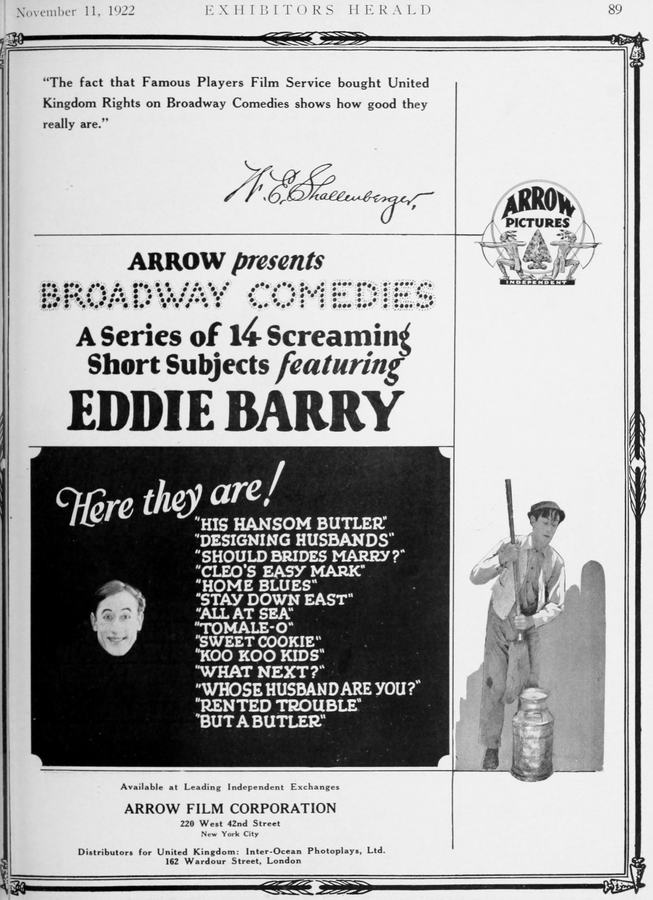
There are films you watch and films that watch you; Stay Down East belongs to the latter cabal. Director-writer team Vera Reynolds and Eddie Barry have minted a monochrome tone-poem where every frame feels pickled in brine and regret. From the first fog-shrouded crane shot—an echo of Fool Days’ famous boardwalk sequence but drained of carnival neon—the movie announces its allergy to comfort. Dialogue arrives in sparse, brittle flakes; silences balloon until you hear your own pulse syncing with the lighthouse gears.
Reynolds, doubling as cinematographer, shoots the hamlet like a crime scene that refuses to declare itself. Rusted crab pots become chiaroscuro sculptures; a torn fishing net flutters like a failed parachute. She favors a 1.66 aspect ratio, boxing bodies inside their own horizons so tightly that when Lila opens her sax case the gleaming brass feels obscene, almost pornographic. The palette is predominantly charcoal, yet bursts of dark orange erupt—an oil drum fire, a neon bar sign flickering its last gasp—each flare a wound cauterized in real time.
II. Acoustic Exile and the Myth of Return
Barry’s script treats memory as a contagious disease. Stay’s wartime sins are never exposited; instead we glean them from the way villagers flinch when his shadow lengthens, or how he counts bullets the way monks count beads. The film’s central conceit—that a place can reject you even before you reject yourself—rhymes with the Balkan melancholia of Dvije sirotice, yet swaps orphanage corridors for Atlantic squalls. Sound design deserves equal billing: gulls scream in reversed reverb, waves crash in 5/4 time, and Lila’s off-key sax note (the final sonic artifact) reverberates across the end credits like a question mark that refuses to straighten.
III. Performances Scraped to the Marrow
Reynolds’ Lila is a marvel of anti-glamour. She enters in a fraying feather boa, mascara smudged like trench warfare camouflage, yet commands the screen with feral dignity. Watch her pupils dilate when she first hears Stay’s raspy whisper—an aural orgasm that eclipses any physical tryst. Barry, as the taciturn drifter, channels a post-traumatic Buster Keaton: every blink feels rationed, every flinch costs interest. Their chemistry is less erotic than osmotic; you sense ions swapping across cell membranes.
Supporting cast orbit like damaged satellites. The butcher-syndicate frontman (credited only as Preacher) quotes scripture with the oily relish of Le coupable’s magistrate, yet the performance skews closer to A He-Male Vamp’s gender-bending menace. A thirteen-year-old deckhand, who sells smuggled cigarettes inside hollowed-out fish, delivers a monologue about merfolk taxation that would feel at home in the absurdist tax-code satire By Power of Attorney. Each actor appears to have swallowed the village weather; their skin looks brined, their hair stiff with salt crystals.
IV. Structure as Tidal Erosion
Rejecting three-act orthodoxy, the film ebbs and floods like lunar clockwork. Midpoint arrives disguised as a communal bonfire where drunks recite ghost stories; the camera lingers on embers that outlive the speakers, foreshadowing the final conflagration. Flashbacks intrude as single-frame subliminals—Stay’s rifle scope superimposed over Lila’s saxophone bell—creating a temporal undertow that drags the present into the past. Editors slice scenes on action rather than dialogue, so conversations feel like driftwood smashing against rocks: you grasp shards, never the whole plank.
V. Political Undertow without Soapbox
Beneath its salt-stiff veneer, Stay Down East mutters about gentrification, veteran neglect, and the capitalization of memory. The syndicate’s plan to convert the lighthouse into a themed cocktail lounge named Beacon Bleu is both hilarious and nauseating—imagine Cowboy Jazz’s honky-tonk absurdity drowned in craft-beer foam. Yet the film refuses manifesto. When villagers torch their own homes to spite developers, the camera watches from a distance, impartial as astronomy. You sense Reynolds whispering: destruction can be preservation in disguise.
VI. The Lighthouse as Confessional
Production designer Mara Voss retrofits the lighthouse interior into a rust-cathedral: pews fashioned from shipwreck planks, altar a brass compass cracked by frost. Here Stay commits his only soliloquy, muttering body counts to the revolving lens as if baptizing each digit in light. The scene runs three uninterrupted minutes, scored solely by wind howling through stairwells—an anti-therapy that cures nothing yet illuminates everything. Compare this asceticism to the baroque exuberance of A Romance of the Air; Reynolds opts for penance where others would parade spectacle.
VII. Sonic Palimpsest
Composer Julio Kadar restricts his score to three elements: bowed fishing wire, heartbeat-like kick drum, and Lila’s saxophone breaths. Tracks bleed into diegesis until you cannot discern score from environment. During the climactic storm, orchestral strings surge only when the lighthouse beam sweeps the sea—music literally powered by light. It’s the antithesis of Mikor a szölö érik’s accordion-lush romanticism; here affection is expressed through absence, through notes that choose not to be played.
VIII. Coda that Refuses Closure
The final image—Lila ankle-deep in surf—lasts forty-seven seconds without cut or camera movement. Over time the tide rises to her shins, then knees; screen fades to black while the sax note continues for another half-beat. It’s a rebuke to It’s a Great Life – If’s cheery determinism, a declaration that survival is not synonymous with arriving. You exit the theatre tasting salt on your lips, unsure whether it’s tears or stray popcorn seasoning.
Verdict
Stay Down East is a bruise that blossoms into a constellation. It marries the skeletal fatalism of Lahoma with the sonic experimentation of Zhuangzi shi qi, yet emerges wholly singular. Minor flaws—an overextended dockside brawl, a subplot about smuggled morphine that vanishes like morning fog—get absolved by cumulative atmosphere. This is cinema as weather system: you don’t consume it; you evacuate before it engulfs you.
Seek it on the largest screen with the rustiest sound system available. Let the brine seep into your shoes. Let the lighthouse beam burn your retinas. Let Lila’s off-key note haunt your next high-tide commute. 9.3/10
IMDb 6.3
1934
Community
Log in to comment.