DbcultAccessing Vault...
Cult Review
Senior Film Conservator
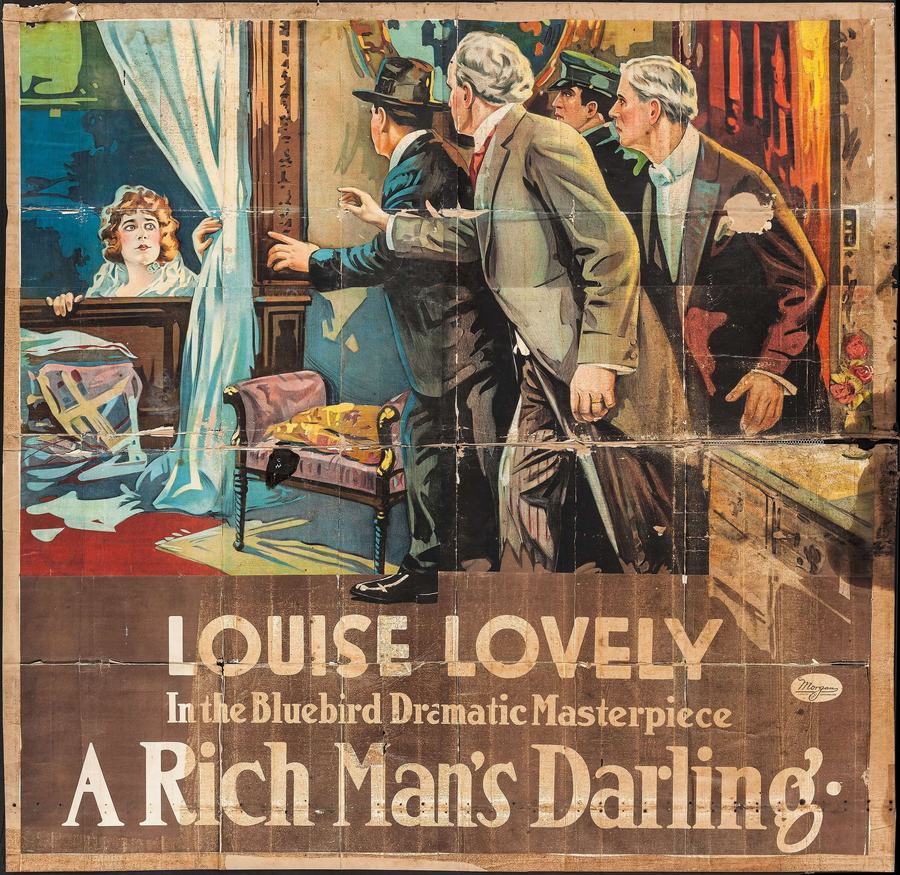
Stepping into the flickering glow of the silent era, A Rich Man's Darling (1918) unfurls a tapestry woven with aspiration, misdirection, and the intoxicating allure of wealth. This cinematic gem, a product of a nascent Hollywood, epitomizes the charming complexities and dramatic flourishes characteristic of its time. It’s a narrative that, while seemingly straightforward in its romantic pursuit, quickly spirals into an intricate dance of mistaken identities, class distinctions, and the timeless comedic potential of human folly. The film, penned by Eugene B. Lewis and Harvey Gates, demonstrates a keen understanding of audience desires during an era hungry for escapist narratives and grand romantic gestures.
At its heart lies Julie Le Fabrier, brought to life with an undeniable vivacity by Louise Lovely. Julie isn't merely a working-class model in Madame Swan's dress shop; she's a dreamer, a romantic whose imagination is ignited by the glossy image of millionaire Lee Brooks in a newspaper. This initial spark sets the stage for a classic rags-to-riches fantasy, yet the path she takes is anything but conventional. Her journey is less about calculated ambition and more about impulsive happenstance, making her a relatable figure despite the extraordinary circumstances she soon finds herself entangled in. Her initial infatuation with a photograph speaks volumes about the power of media and aspirational imagery, even in the early 20th century.
The narrative truly ignites when Julie is dispatched to the opulent Grand Tides Hotel. Her mission: to deliver a gown to Madame Ricardo, a woman whose luxurious lifestyle is bankrolled by the smitten Mason Brooks, portrayed with a certain endearing gullibility by Philo McCullough. Madame Ricardo, an attractive but morally ambiguous figure briefly embodied by Edna Maison, serves as the initial catalyst for the ensuing pandemonium. Her abrupt departure, triggered by the unexpected appearance of her estranged husband, creates the vacuum into which Julie, with a mix of audacity and opportunity, steps. Donning Madame Ricardo's abandoned dress, Julie essentially assumes a new persona, a masquerade that is both daring and fraught with comedic peril. This act of spontaneous transformation, a common trope in silent comedies and melodramas, allows the film to explore themes of identity and social mobility through a lens of delightful deception.
This pivotal moment, where Julie embraces the identity of a woman she barely knows, is a testament to the script's ingenuity. It’s a narrative device that allows for maximal dramatic irony and comedic potential, as the audience is privy to the truth while the characters on screen remain blissfully, or infuriatingly, unaware. The film plays on the audience's delight in watching characters navigate increasingly complex situations of their own making, a style of storytelling that remains perennially popular. The choice to have Julie, a relatively innocent figure, impersonate a woman of potentially dubious reputation adds a layer of moral ambiguity and charming mischief to her character, making her all the more engaging.
Enter Lee Brooks, played by Harry Holden, the very millionaire's son whose photograph had captivated Julie. Unaware of the intricate charade unfolding, Lee's motivations are initially driven by a filial duty, albeit one tinged with a dash of youthful arrogance. He aims to liberate his father, Mason, from what he perceives as an expensive and ill-advised entanglement with Madame Ricardo. His ardent courtship of the supposed "Madame Ricardo" – who is, of course, Julie – becomes a mission. The irony is rich: in attempting to save his father, he inadvertently falls head over heels for the woman he believes to be his father's mistress, leading to a whirlwind romance and a hasty marriage. This rapid escalation of events, characteristic of silent film pacing, keeps the audience on the edge of their seats, eagerly anticipating the inevitable unraveling of the truth.
Mason Brooks' reaction to this development is precisely what one would expect from a man whose "preserves" have been poached. His fury, a comedic cornerstone of the plot, underscores the generational conflict and the possessive nature of human relationships, even when those relationships are founded on deceit. The dynamic between father and son, both inadvertently vying for the same woman (or rather, the same perceived woman), provides much of the film's comedic thrust. It's a clever inversion of typical romantic rivalries, adding a layer of farcical complexity that elevates the narrative beyond a simple love story. This kind of intergenerational romantic conflict can also be seen, albeit with different nuances, in films like The Dawn of Understanding, where familial bonds are tested by external romantic interests, or even the more dramatic The Judgment House which delves into complex relationships and their societal implications.
The dramatic tension reaches its zenith when Lee discovers that Madame Ricardo already has a husband. This revelation, while accurate in its factual content regarding the real Madame Ricardo, leads him to mistakenly believe his new bride is a married woman. His subsequent abandonment of Julie, whom he still believes to be the duplicitous Madame Ricardo, is a moment of both heartbreak and comedic absurdity. The audience, armed with the full knowledge of Julie's true identity and innocent intentions, feels the pang of her undeserved rejection, while simultaneously appreciating the intricate tangle of misunderstandings. This dramatic irony is a powerful tool, drawing the viewer deeper into the emotional rollercoaster of the plot.
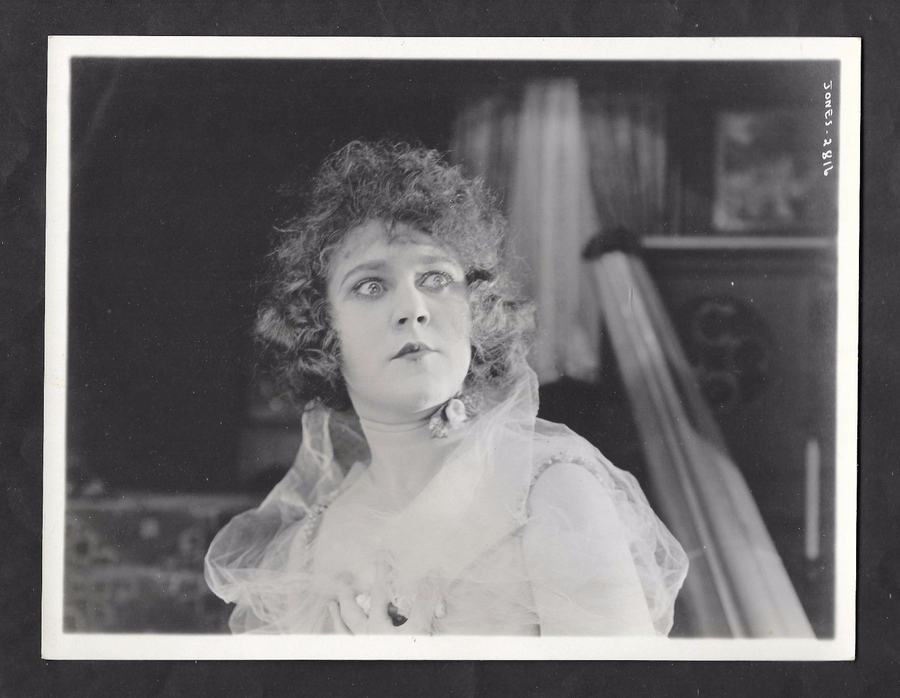
The resolution, as is often the case in such intricate farces, relies on the timely and complete explanation of all mistaken identities. The denouement sees Mason freeing himself from the manipulative wiles of the genuine Madame Ricardo, a satisfying conclusion for the elder Brooks. Meanwhile, Julie's true identity is revealed, exonerating her and allowing Lee to understand the full scope of the misunderstanding. The film culminates in Julie finding herself the happy wife of a rich man's son, a poetic fulfillment of her initial romantic fantasy. This kind of resolution, where truth prevails and deserving individuals find happiness, was a staple of early cinema, offering audiences a comforting sense of order restored. The journey from a model's humble beginnings to a millionaire's wife is a classic Cinderella story, albeit one dramatically complicated by a series of delightful deceptions. This trajectory of a protagonist navigating societal hurdles and romantic pitfalls, ultimately finding happiness, echoes the spirit of films like Betsy's Burglar or Betty of Greystone, which often showcased heroines overcoming adversity through charm and circumstance.
A Rich Man's Darling transcends mere entertainment, offering a fascinating glimpse into the social dynamics and cultural aspirations of its period. The film cleverly explores themes of class mobility, the allure of wealth, and the often-fragile nature of identity. Julie's masquerade isn't just a plot device; it's a commentary on how easily appearances can be manipulated and how swiftly one can be judged or elevated based on perceived social standing. The contrast between Julie's genuine, if naive, romanticism and Madame Ricardo's more calculated opportunism highlights different facets of human desire. The screenplay by Eugene B. Lewis and Harvey Gates is remarkably intricate, weaving together multiple threads of deception and misunderstanding without losing its comedic momentum or emotional core. The pacing, characteristic of silent films, would have relied heavily on visual storytelling, expressive acting, and well-placed intertitles to convey the rapid shifts in plot and character emotion.
The performances, particularly that of Louise Lovely as Julie, would have been crucial in selling the film's premise. Silent film acting, often characterized by exaggerated gestures and facial expressions, was a unique art form. Lovely would have needed to convey Julie's initial starry-eyed innocence, her impulsive bravery in adopting the disguise, and her subsequent confusion and heartbreak, all without uttering a single word. Harry Holden's portrayal of Lee Brooks would have balanced youthful impetuousness with genuine affection, while Philo McCullough would have brought a sympathetic charm to Mason Brooks, making his predicament both humorous and pitiable. The ensemble cast, including Harry Mann and Edna Maison, contributed to the rich tapestry of characters that populated this vibrant narrative.
What makes A Rich Man's Darling resonate even a century later is its timeless exploration of universal human experiences: the desire for love, the pursuit of happiness, and the often-comical misunderstandings that arise in the labyrinth of human relationships. While the specific social conventions and technologies of 1918 are long past, the core emotional beats remain relevant. The film stands as a testament to the power of narrative to transport, to delight, and to reflect our deepest hopes and fears, even through the silent medium. It's a reminder that even in an era without synchronized sound, filmmakers were adept at crafting compelling stories that captivated mass audiences.
Comparing it to other films of its time, one can see how it fits into a broader cinematic landscape. The intricate plot of mistaken identity and romantic maneuvering shares DNA with contemporary productions like Under Cover, which also used disguise and deception for dramatic effect, or even the more melodramatic The Return of Mary, where identity plays a crucial role in the narrative's unfolding. The film's lighthearted approach to serious social implications, such as marital infidelity and social climbing, positions it firmly within the realm of romantic comedy, a genre that has continuously evolved but always retained its fundamental elements of wit, charm, and eventual happy endings. The underlying commentary on societal aspirations, where a 'rich man's darling' signifies not just romantic success but also financial security and elevated status, is a theme that recurs throughout cinematic history.
The genius of films like A Rich Man's Darling lies in their ability to orchestrate chaos with precision, leading audiences through a maze of misunderstandings only to deliver a satisfying and often morally affirming conclusion. Eugene B. Lewis and Harvey Gates, as writers, masterfully constructed a plot that leveraged every possible comedic and dramatic opportunity presented by the central conceit. Their work is a prime example of the narrative craftsmanship that defined early Hollywood, where intricate plotting and character-driven conflict were paramount. The film's legacy, though perhaps not as widely known as some of its contemporaries, lies in its representation of a particular type of storytelling that was both popular and sophisticated for its era, a testament to the enduring appeal of a well-told romantic farce.
Ultimately, A Rich Man's Darling is more than just a historical curiosity; it’s a vibrant, engaging piece of cinema that offers a delightful escape into a world of glamour, deception, and heartfelt romance. It reminds us of the foundations upon which modern storytelling was built, showcasing the timeless power of love, laughter, and the occasional, well-intentioned lie to bring people together, even if through the most circuitous of routes. Its charm is undeniable, and its narrative ingenuity remains impressive, proving that a good story, regardless of its technological trappings, will always find its way to captivate an audience.
IMDb 7
1937
Community
Log in to comment.