DbcultAccessing Vault...
6.2/10
Senior Film Conservator
A definitive 6.2/10 rating for a film that redefined the boundaries of cult cinema. Solskinsdalen remains a cornerstone of transgressive art.
Is this film worth watching today? Short answer: no, unless you are a dedicated scholar of silent-era Nordic drama or a fan of early location-based cinematography. This film is for the patient historian who appreciates the roots of Scandinavian realism, but it is certainly not for the modern viewer seeking a tight narrative or high-stakes tension.
This film works because it captures the raw, unadorned beauty of the Norwegian wilderness at a time when most cinema was still confined to the stuffy artifice of painted studio backdrops.
This film fails because its second act relies on a series of forced coincidences and melodrama that feel disconnected from the quiet, contemplative nature of its opening scenes.

You should watch it if you want to see a young Alice O'Fredericks before she became one of the most influential directors in Danish history, or if you have an academic interest in how silent films portrayed the 'city vs. nature' conflict.
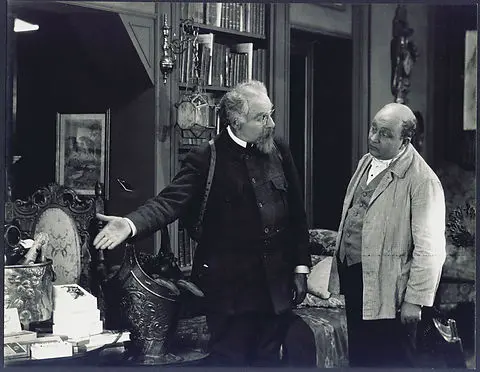
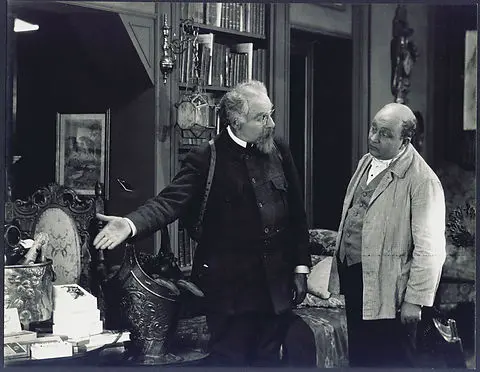
Solskinsdalen begins with Professor Karker, played with a heavy-set weariness by the cast. It is a trope we have seen before: the aging intellectual who has traded his soul for books. When he arrives in the Norwegian valley, the film shifts from a static character study into a travelogue. The mountain trips aren't just plot points; they are the film's primary aesthetic strength. Unlike the more surrealist approach found in The Light Within, Solskinsdalen leans into a grounded, almost documentary-style observation of the terrain.
The encounter with Aase is where the film finds its pulse. Karen Winther brings a naturalism to the role that contrasts sharply with the theatrical, often over-the-top gestures of her male counterparts. There is a specific scene where Karker watches Aase move through the valley; the camera lingers on the light hitting the rocks. It is a moment of pure visual storytelling. It works. But it is flawed by the technical limitations of the era's film stock, which often loses the nuance of the shadows.
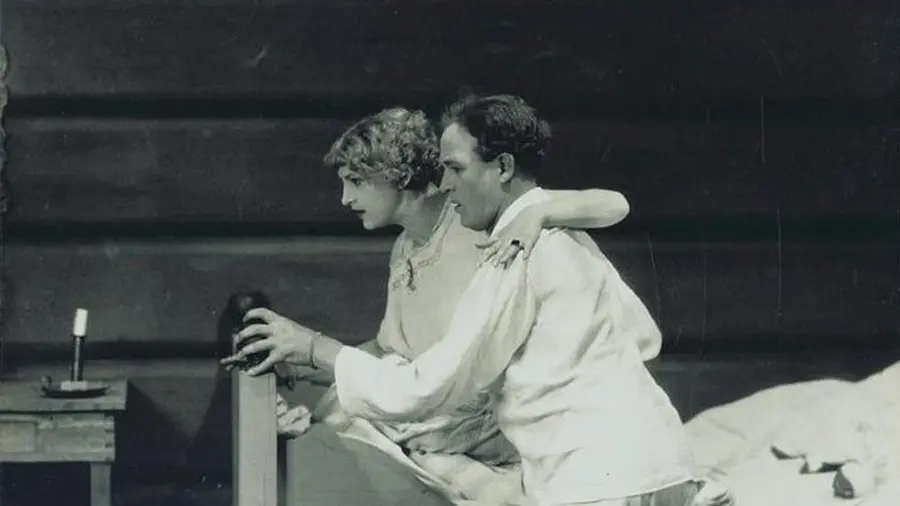
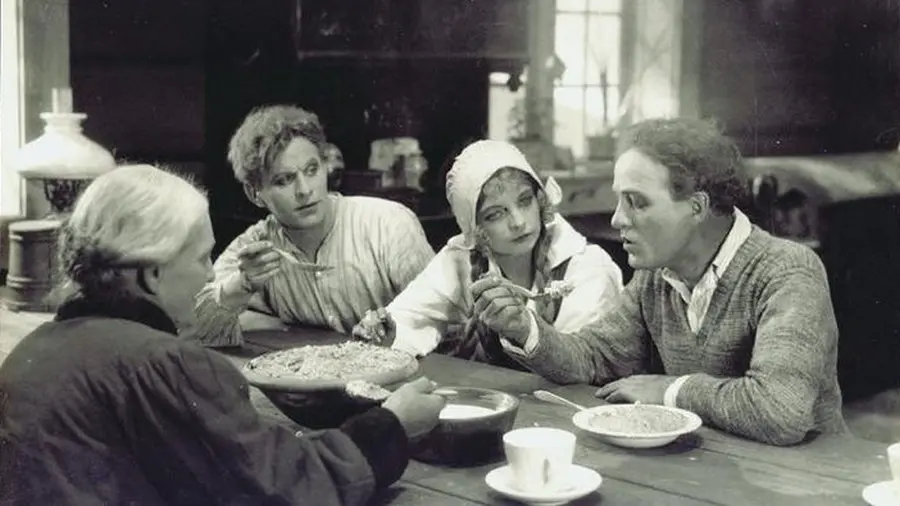
The film takes a sharp turn when Karker returns home and decides to send a group of young people to the valley. This is where Emanuel Gregers’ direction begins to stumble. The transition from a quiet pastoral to a social drama feels jarring. The youth bring with them the very city-born anxieties the Professor was trying to escape. While films like Northern Lights managed to balance landscape with internal conflict, Solskinsdalen feels like two different movies stitched together with coarse thread.
The 'drama' that happens is, by modern standards, quite thin. It involves misunderstandings and romantic jealousies that feel more at home in a stage play than on a mountain peak. The acting becomes more frantic here. You see the actors reaching for emotions that the script hasn't quite earned. It is a common pitfall of the period, also seen in Her Good Name, where the plot dictates the character's feelings rather than the other way around.
One of the most compelling reasons to revisit Solskinsdalen is the presence of Alice O'Fredericks. Long before she was a powerhouse behind the camera, she was a presence in front of it. Even in this early role, she possesses a screen magnetism that many of her co-stars lack. Her performance here is more restrained than her work in Alice Is Stage Struck, showing a range that many critics of the time overlooked. She understands the camera. She knows that a small tilt of the head conveys more than a flailing arm.
For a film from the mid-1920s, the location shooting is ambitious. Gregers clearly wanted to capture the 'sublime'—that mixture of awe and terror that the mountains inspire. The pacing, however, is the film's Achilles' heel. The middle section drags as the characters engage in repetitive social rituals. It lacks the thematic bite of Forbidden Fruit, which used its setting to explore much darker moral quandaries.
The cinematography by the uncredited cameramen (likely under Gregers' strict supervision) favors wide shots. This is a double-edged sword. While it showcases the Norwegian 'Sunshine Valley,' it creates a distance between the audience and the characters' emotional lives. We are observers of a postcard rather than participants in a tragedy. The editing is functional but lacks the rhythmic innovation seen in contemporary Soviet or German cinema.
If you are looking for a casual Friday night movie, the answer is a resounding no. The narrative is too sparse and the pacing too glacial for a modern palate. However, if you are interested in the evolution of Danish and Norwegian co-productions, it is a fascinating artifact. It represents a bridge between the Victorian theatricality of the early 1910s and the burgeoning naturalism of the 1930s. It is a film of moments rather than a cohesive whole. The mountains are the stars. The humans are merely tourists.
Pros:
The film offers a rare look at 1920s Norway. The performance by Karen Winther is genuinely touching. It avoids the heavy-handed religious moralizing common in other films of the era like The Light Within.
Cons:
The Professor’s motivations for sending the youth to the valley are never fully explored. The 'drama' that occurs feels like a series of tropes rather than a lived experience. The print quality of surviving versions is often poor, obscuring the very landscapes the film tries to celebrate.
Solskinsdalen is a beautiful but empty vessel. It succeeds as a visual record of a time and place, but it fails as a compelling human drama. Emanuel Gregers proves he has an eye for beauty, but his hand on the narrative pulse is weak. It is a film that exists in the shadow of greater works from the same period. Watch it for the history, but don't expect to be moved. It is a relic that has lost its luster, even if the valley it depicts remains eternal.
The valley is the only thing that doesn't age here. The rest of the film feels every bit of its century.
IMDb 5.7
1934
Community
Log in to comment.