DbcultAccessing Vault...
5.8/10
Senior Film Conservator
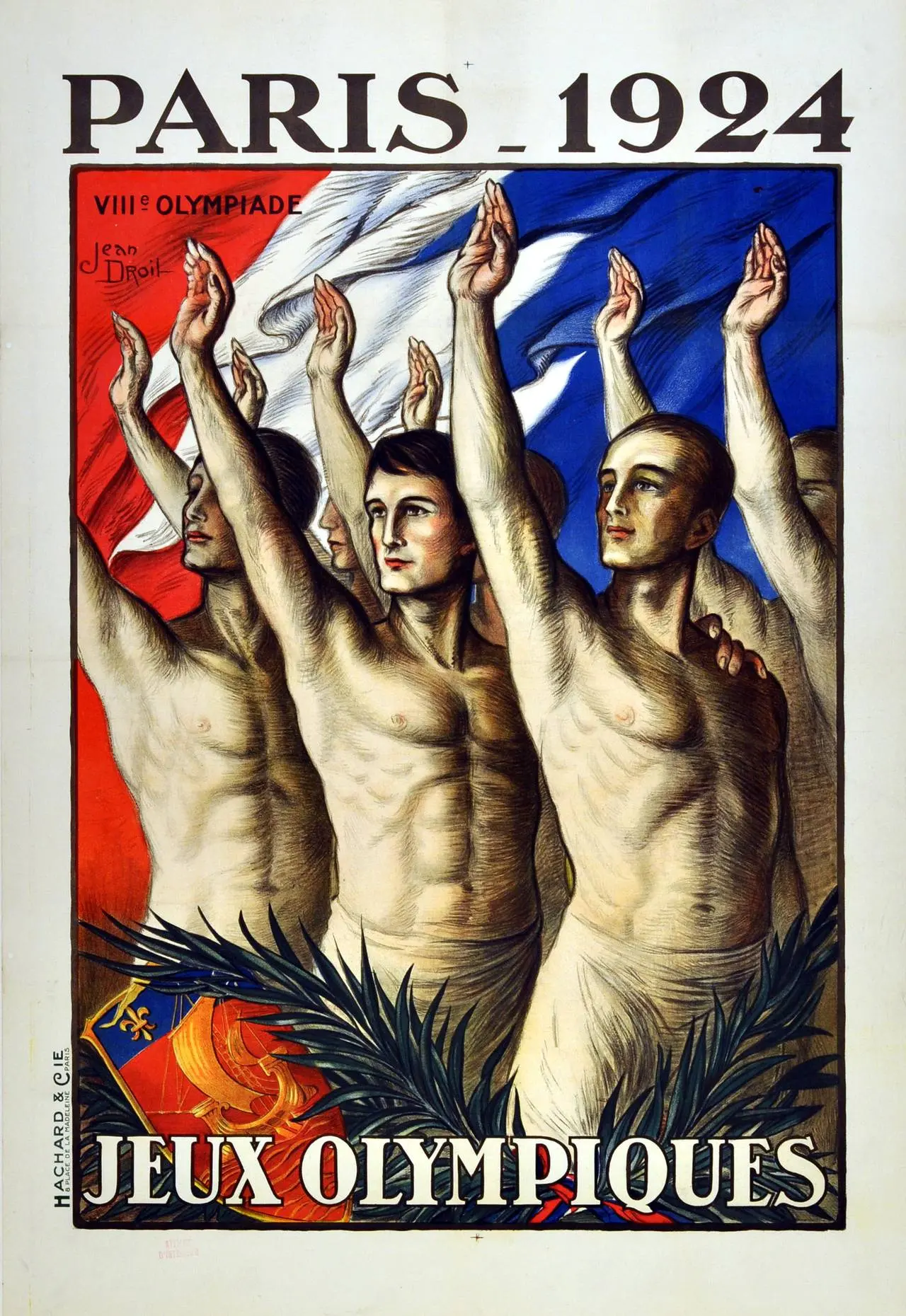
A definitive 5.8/10 rating for a film that redefined the boundaries of cult cinema. The Olympic Games as They Were Practiced in Ancient Greece remains a cornerstone of transgressive art.
To encounter The Olympic Games as They Were Practiced in Ancient Greece is to embark on a singular journey, a cinematic pilgrimage not merely to the past but to the very genesis of an enduring human endeavor. This isn't just a historical document; it's a profound act of archaeological imagination, captured with an earnestness and ambition that truly defines the early decades of the 20th century's cinematic output. Unveiled during the effervescent backdrop of the 1924 Paris Olympic Games, this film performs a fascinating dual function: it acts as both a meticulously crafted historical reconstruction and a deeply resonant commentary on the cyclical nature of human aspiration and competition. It stands as a testament to the nascent power of cinema to not only record the present but also to resurrect, interpret, and give new life to the distant past.
In an era when film technology was still nascent, and the very concept of documentary filmmaking was evolving from mere actualités into sophisticated narrative structures, the undertaking to recreate the ancient Olympic Games was nothing short of monumental. Imagine the logistical hurdles: sourcing historically accurate costumes (or approximations thereof), choreographing large-scale athletic events without the benefit of modern CGI, and imbuing these recreations with a sense of genuine gravitas and historical accuracy. Jean de Rovera, the visionary behind this project, eschews the sensationalism often associated with contemporary historical epics, opting instead for a didactic yet deeply immersive approach. The film doesn't simply present facts; it endeavors to transport, to make the viewer a silent spectator at the original Panhellenic festival, offering a profound sense of temporal displacement.
This commitment to authenticity, even through the lens of early 20th-century interpretation, is palpable in every frame. We witness the preparation rituals, the anointing of athletes with oil, the solemn oaths sworn before altars to Zeus, and the dramatic unfolding of contests like discus throwing, javelin, and the brutal, all-encompassing combat of pankration. Each scene is framed with a reverence that speaks volumes about the filmmakers' respect for their subject matter and their desire to educate as much as to entertain. It’s a stark contrast to the more theatrical, often melodramatic, historical narratives prevalent in silent cinema, such as the grand romantic sweep of A Lady of Quality, or the more intimate character studies like The Picture of Dorian Gray, which, while powerful in their own right, operate on an entirely different plane of cinematic ambition. Here, the drama arises not from fabricated plotlines, but from the historical weight and the raw, unadorned physicality of the meticulously recreated events.
The cinematography, while constrained by the technology of 1924, is remarkably effective in conveying a sense of scale and movement. Long shots establish the grandeur of the imagined stadia and sacred groves, while closer frames attempt to capture the intensity in the athletes' faces, their strained muscles, and the raw effort expended in each discipline. The deliberate use of natural light, the measured pacing, and the absence of a spoken narrative (relying instead on evocative intertitles) lend the film an almost dreamlike quality, further enhancing its appeal as a portal to a bygone era. One must, of course, acknowledge the inherent limitations and occasional anachronisms. The "ancient Greeks" portrayed are inevitably filtered through a 1920s European sensibility, their bodies perhaps more sculpted by modern gymnastics than by genuine Hellenic training regimens, their expressions occasionally betraying a theatricality more akin to early dramatic performances than authentic ancient stoicism. Yet, these minor imperfections do not detract from the film's overall power; rather, they serve as fascinating footnotes, reminding us of the interpretative nature of history itself and the challenges inherent in cinematic reconstruction.
This interpretative layer is precisely what makes the film so compelling for contemporary viewers. It's not just about what they recreated, but how they chose to recreate it, and why this particular vision resonated so strongly in the post-WWI era. The revival of the modern Olympics, initiated in 1896, was itself a conscious effort to reconnect with these ancient ideals – ideals of peace, international cooperation, and the pursuit of physical and moral excellence. The Olympic Games as They Were Practiced in Ancient Greece acts as a cinematic bridge, reinforcing the legitimacy and historical depth of the modern movement, presenting a visual lineage that solidified its cultural importance.
The film’s creation amidst the actual 1924 Paris Games is a pivotal contextual detail, establishing a powerful, unspoken dialogue between past and present. While the modern athletes competed in their streamlined uniforms and state-of-the-art facilities, this film was simultaneously constructing a visual narrative of their ancient predecessors, clad in loincloths or competing entirely nude, on dusty tracks under the Mediterranean sun. This juxtaposition elevates the film beyond a simple historical recreation; it becomes a meditation on continuity and change, on the enduring human spirit that drives individuals to push the boundaries of their physical and mental capabilities, regardless of the epoch. It was a conscious effort to ground the burgeoning global spectacle in its profound historical and philosophical roots.
It’s a powerful reflection on the why behind the games. The intertitles, though sparse, likely emphasize the spiritual and civic dimensions of the ancient Olympics – not just a competition of strength, but a celebration of culture, a truce from warfare, and an offering to the gods. This spiritual underpinning often gets lost in the modern, commercialized spectacle, making the film's emphasis on these foundational elements particularly poignant. It reminds us that the pursuit of excellence, at its core, is a deeply human and often sacred endeavor, a quest for a fleeting moment of perfection that resonates through time. The film, in this sense, is not merely a depiction but a philosophical statement about the timelessness of human aspiration.
As a cultural artifact, The Olympic Games as They Were Practiced in Ancient Greece offers invaluable insight into early 20th-century scholarship and popular understanding of antiquity. The film reflects a particular academic interpretation of ancient Greece, one that often idealized its democratic and athletic virtues while perhaps glossing over its complexities and contradictions. Yet, this very idealization formed a cornerstone of Western identity at the time, and the film serves as a magnificent visual encapsulation of this prevailing sentiment. Its existence speaks to a widespread fascination with classical civilization, a fascination that permeated art, literature, and even political discourse in the aftermath of a devastating global conflict, as nations sought to redefine themselves and their shared heritage.
The film’s approach is notably different from the more straightforward narrative storytelling found in many of its contemporary silent features. While films like Cameo Kirby offered audiences thrilling adventure, and The Lotus Eater delved into exotic romance, this documentary chose a different path: that of historical
Community
Log in to comment.