DbcultAccessing Vault...
Cult Review
Senior Film Conservator
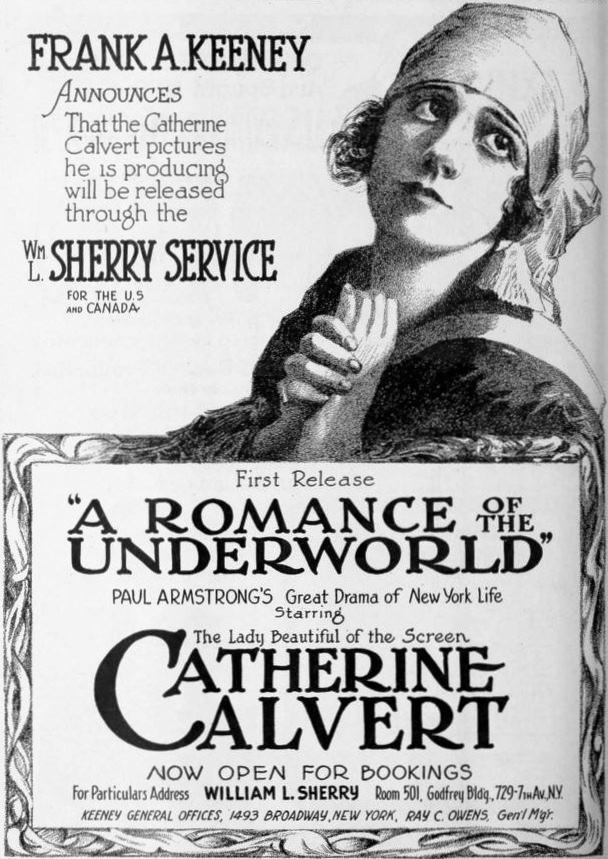
A Romance of the Underworld (1926) is a cinematic artifact that pulses with the dissonant rhythms of a city on the brink. Directed with a chiaroscuro sensibility that prefigures the golden age of film noir, this pre-Code drama weaves a tapestry of moral ambiguity and psychological complexity. The film’s enduring power lies in its ability to juxtapose the ethereal naivety of Doris Elliott (Catherine Calvert) against the unrelenting brutality of Michael O'Leary’s (Eugene O'Brien) criminal empire. In an era when Hollywood censors still permitted such narratives, the film dared to confront themes of sexual violence, urban decay, and the fragility of innocence without the sanitized veneer of later decades.
Catherine Calvert’s performance as Doris is a masterclass in restrained vulnerability. Her wide-eyed demeanor, reminiscent of a fragile Madonna in a world of sinners, contrasts starkly with the grime-slicked streets of the Lower East Side. When she first steps into her brother Richard’s (Harry Lee) squalid tenement, the camera lingers on her trembling hands clutching a lace handkerchief—a visual metaphor for her precarious hold on purity. The production design, with its labyrinthine alleyways and flickering gas lamps, evokes a Gotham-like atmosphere that amplifies the sense of entrapment. Yet it is the film’s narrative audacity that truly sets it apart: the rape accusation leveled at O'ley by Mamie Bronson (Marcia Harris) is not only a narrative linchpin but a shocking indictment of patriarchal power structures in early cinema.
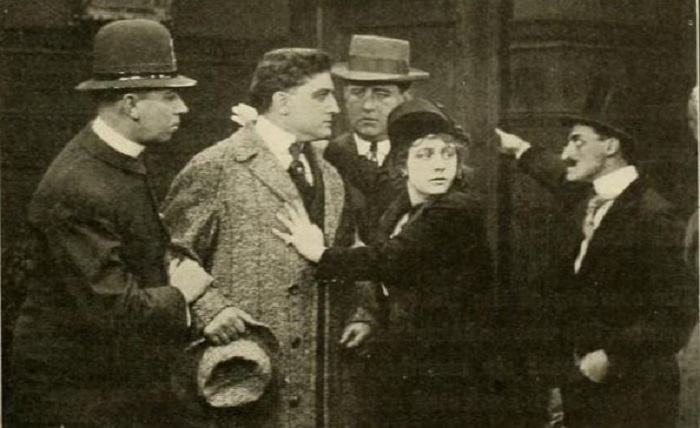
The film’s most striking sequence is the attempted assault scene, staged with a visceral intensity that still unsettles nearly a century later. O'Leary’s predatory movements and Doris’s paralyzing fear are rendered in stark, almost expressionistic contrasts. The moment Richard bursts in, gun in hand, is a masterstroke of choreography—his intervening shot not only saves Doris but also seals O'Leary’s fate. This act of violence, framed through the lens of familial loyalty, becomes the catalyst for Doris’s descent into legal and moral chaos. The courtroom drama that follows, with defense lawyer Thomas McDonald (Edwin Forsberg) battling against a system complicit in O'Leary’s crimes, is a taut exploration of justice as both a legal process and a personal crusade.
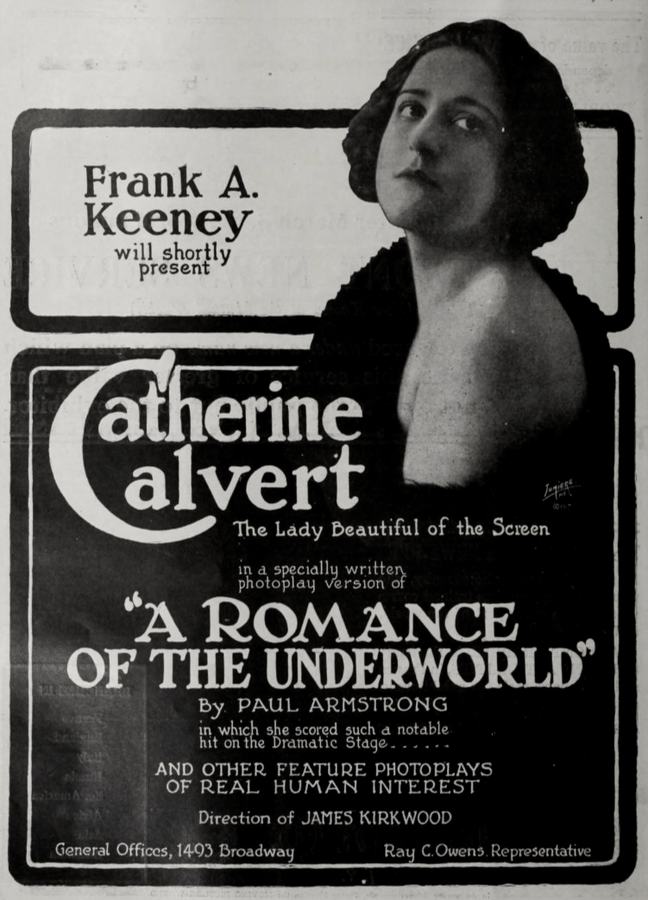
What elevates A Romance of the Underworld beyond its pulpy premise is its nuanced characterizations. Dopey Benny (Kid Broad), though a peripheral figure, embodies the collateral damage of O'Leary’s tyranny. His drug addiction and vengeful testimony are not mere plot devices but tragic reflections of a society that exploits the vulnerable. Similarly, Richard’s complicity in the drug trade is portrayed with moral complexity—he is neither a hero nor a villain but a man trapped in a system that corrupts all it touches. This ambiguity is further underscored by Doris’s marriage to McDonald, an ending that feels less like a romantic resolution and more like a pragmatic alliance between victims of the same toxic ecosystem.
The film’s visual language is equally compelling. Cinematographer Joseph H. August (uncredited) employs deep focus and shadow play to create an atmosphere of claustrophobic tension. A recurring motif is the use of mirrors—Doris often caught in reflections that distort her image, symbolizing her fractured identity. The final scenes, set against the stark whiteness of a courtroom, contrast sharply with the murky tones of the underworld, yet the victory of her acquittal feels hollow. The camera lingers on her face as she walks away from the trial, her expression a mixture of relief and existential fatigue—a woman who has traded one prison for another.
When placed in conversation with other films of the era, such as Therese (1955) or Hedda Gabler (1944), A Romance of the Underworld reveals its thematic lineage. Like Therese, it explores the destructive power of repressed desires, though with a far more overt social critique. Compared to Hedda Gabler, its characters are less psychologically operatic but no less tragic. The film also shares DNA with Her Strange Wedding (1934), particularly in its treatment of marriage as a transactional contract rather than an act of love.
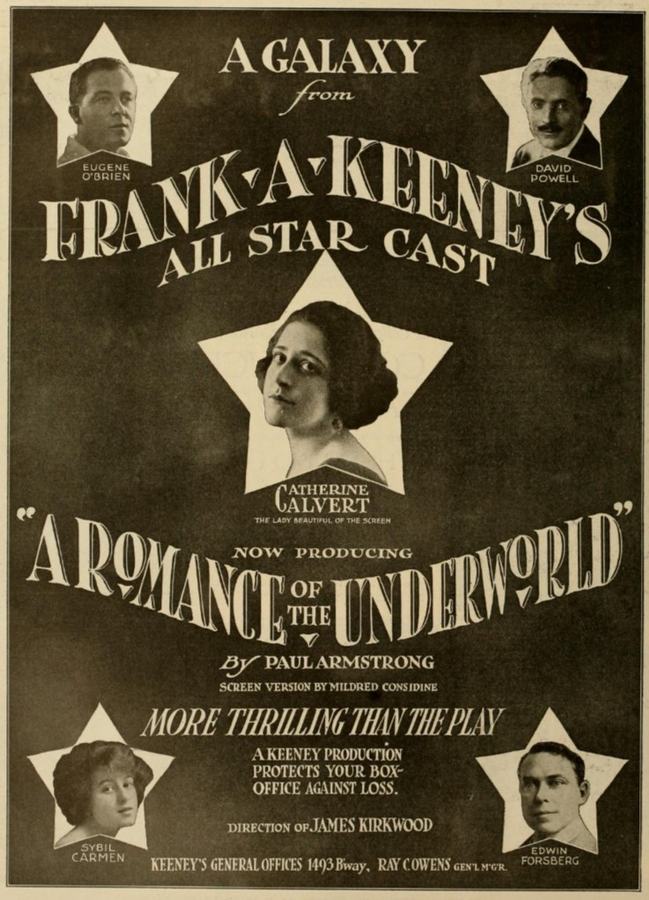
What makes this film particularly fascinating is its pre-Code freedom to depict explicit content. The rape scene, though handled with the decorum of the time, is unflinching in its portrayal of female victimhood. This rawness is a stark contrast to the sanitized narratives of post-Code Hollywood, where such subject matter was either euphemized or erased. The film’s boldness, however, is not without its limitations. The resolution—Doris marrying her lawyer—is a narrative shortcut that undermines the film’s earlier subversion of traditional gender roles. One cannot help but wonder if a modern adaptation would grant Doris a more agency in her own redemption arc.
The supporting cast, particularly Marcia Harris as Mamie Bronson, delivers performances that linger in the memory. Her confession scene is a tour de force of silent acting—eyes glistening, hands clenched into trembling fists, a woman who has lost not just her brother but her faith in the world. Even minor characters, like the henchmen in O'Leary’s gang, are rendered with a sense of lived-in authenticity that elevates the film above mere melodrama.
Technically, the film is a marvel of early cinema. The use of sound, though limited to dialogue and a sparse score, is strategically deployed to amplify tension. A particularly effective moment occurs during the trial, where the judge’s gavel strikes are emphasized to punctuate the courtroom’s moral weight. The editing, while occasionally jarring by modern standards, contributes to the film’s urgent pacing. These stylistic choices, far from being flaws, are testament to the era’s experimental spirit.
In conclusion, A Romance of the Underworld is a film that resists easy categorization. It is a crime drama with literary depth, a social commentary cloaked in melodrama, and a character study of a woman navigating a world that seeks to devour her. Its legacy lies in its willingness to confront uncomfortable truths about power, gender, and justice. For modern audiences, it is both a historical document and a cinematic experience that transcends its time—a testament to the enduring power of stories that dare to look into the abyss and ask what lies beyond.
IMDb —
1923
Community
Log in to comment.