DbcultAccessing Vault...
Cult Review
Senior Film Conservator
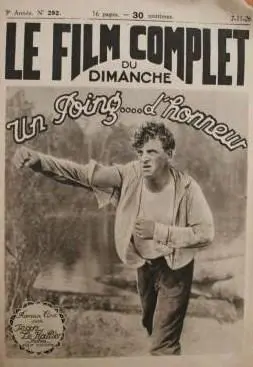
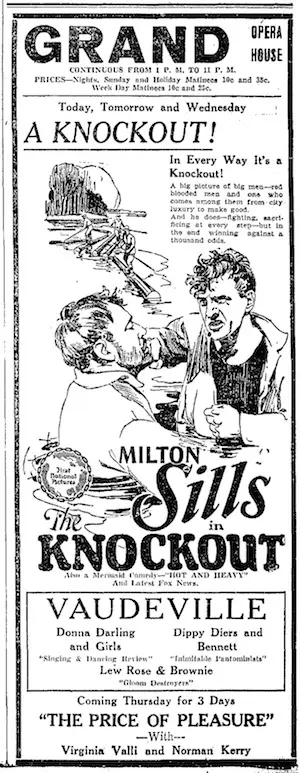
The Knockout (1925) is a silent film that captures the essence of a boxer's journey from recuperation to confrontation, blending elements of romance, crime, and a physical challenge that unfolds in a stunning natural setting.
Sills, a prize fighter, has been through his share of battles in the ring. Now, seeking peace and recovery, he ventures into the tranquil but rugged logging camps of the north woods. This journey, however, is far from serene as he encounters not only the beauty of nature but also a web of criminal activity orchestrated by a ruthless lumber gang.
The film begins with a sense of tranquility and escape, as Sills finds himself in a more isolated and peaceful environment. The cinematography captures the vast, untamed wilderness, emphasizing the stark contrast with the societal chaos he left behind. His peaceful state is short-lived, however, as he stumbles upon the machinations of the criminal gang. This discovery sets the stage for a complex narrative of moral and physical battles.
One of the victims' daughters, a character who adds depth and emotional stakes to the plot, plays a pivotal role in enlightening Sills about the true nature of his predicament. Her intervention serves as a turning point, stirring within Sills a sense of duty and justice. This character's presence is crucial in shaping Sills' decision to confront the gang and the criminal elements that have infiltrated his temporary sanctuary.
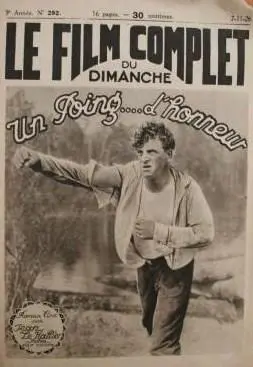
The narrative takes a dramatic turn when Sills is forced to use his pugilistic skills in a manner he never imagined. The film's climax is a gripping sequence set in a turbulent river, where Sills faces off against John Kolb, a towering opponent. This sequence, filmed in a river, underscores the film's ability to blend action with a natural setting, creating a visually captivating and emotionally charged moment.
The casting in 'The Knockout' is notable for its inclusion of actors who bring a mix of athleticism and emotional depth to their roles. Jed Prouty, in the title role of Sills, adeptly balances the physical and emotional demands of the character. His performance is complemented by the supporting cast, including Edward Lawrence and other actors who bring a sense of authenticity and strength to their respective roles.
While 'The Knockout' is considered a silent film, it successfully conveys a wealth of emotions and narrative through visual storytelling and the expressive performances of the cast. The film's pacing is carefully managed, allowing for moments of tension, romance, and action without overwhelming the viewer. This balance creates a narrative that is both engaging and thought-provoking.
Comparatively, 'The Knockout' shares similarities with films of its era, such as 'Le marchand de plaisirs' (1925) and 'Lady Godiva' (1925), both of which explore themes of moral and social conflict. However, 'The Knockout' stands out for its unique blend of natural setting and action, offering a fresh perspective on the silent film genre.
From a technical standpoint, 'The Knockout' benefits from a commendable score that adds to the film's atmosphere, enhancing the emotional and dramatic moments. The use of natural scenery and the river setting as a backdrop for the climactic fight scene is particularly noteworthy, as it leverages the environment to heighten the tension and drama.
The film's exploration of themes such as justice, personal integrity, and the struggle between good and evil resonates with audiences, making it a compelling watch. The narrative's ability to intertwine personal and communal conflicts creates a layered and multifaceted story, which is both thrilling and emotionally resonant.
In conclusion, 'The Knockout' is a silent film that offers a unique take on the genre, combining elements of action, romance, and moral struggle in a visually captivating and emotionally engaging narrative. Its blend of natural setting, compelling performances, and thought-provoking themes make it a standout in its era and a worthwhile exploration for film enthusiasts and critics alike.
IMDb —
1921
Community
Log in to comment.