DbcultAccessing Vault...
5.9/10
Senior Film Conservator
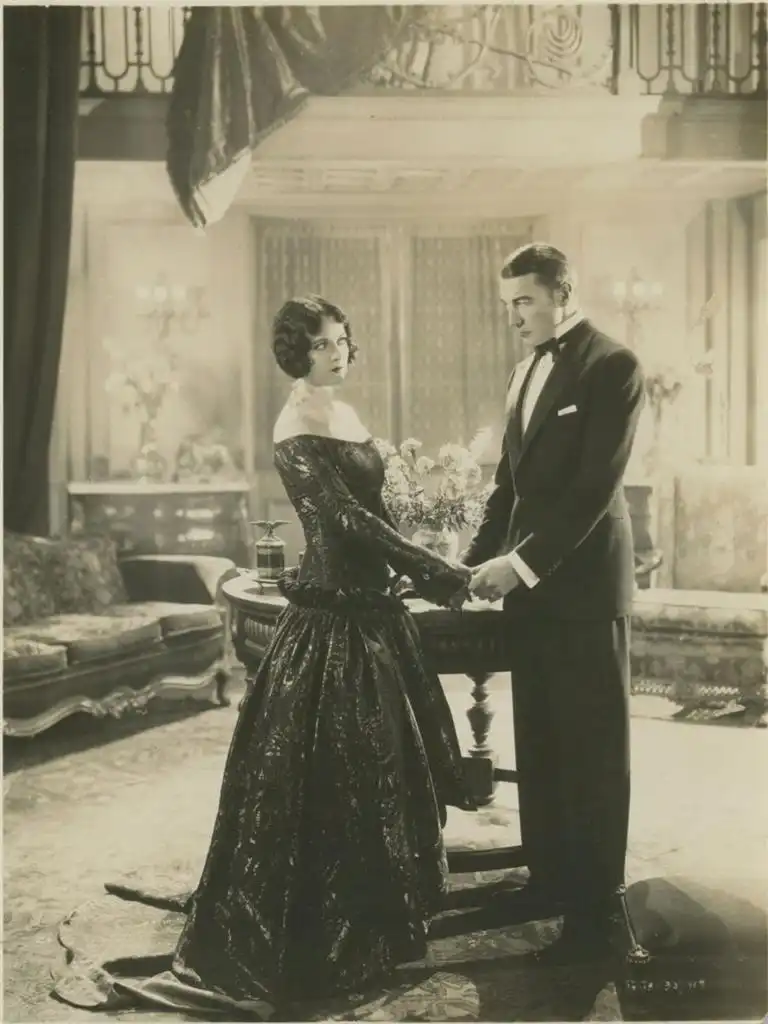
A definitive 5.9/10 rating for a film that redefined the boundaries of cult cinema. Midnight Madness remains a cornerstone of transgressive art.
For silent film enthusiasts, scholars of early cinematic depictions of female agency, or anyone with a keen interest in melodrama, Midnight Madness (1928) offers enough compelling elements to warrant a watch today. It’s a film that, despite its age, grapples with themes of deception, class, and survival that resonate, even if presented through the broad strokes of its era. Those expecting a fast-paced narrative, nuanced psychological depth, or sophisticated cinematography typical of later periods will likely find its rhythms challenging. However, for those willing to engage with its historical context, particularly its surprisingly assertive female protagonist, there's a rewarding experience to be found.
The film’s greatest strength, by a considerable margin, lies in Jacqueline Logan’s performance as Norma. Logan, often remembered for her work in The Bronze Bell and The Right to Love, imbues Norma with a fascinating blend of vulnerability and steely resolve. In the initial scenes where she’s tasked with charming Bream, Logan’s eyes convey a practiced seductiveness, yet there’s a flicker of something more, a hint of genuine affection or at least a conflict within her. She doesn't play Norma as a simple villain, but as a woman navigating a tough world with the tools she has. Her body language, particularly in the later African sequences, speaks volumes without the aid of intertitles. The way she carries herself, initially defiant, then dejected, and finally resolute, is a masterclass in silent film acting.
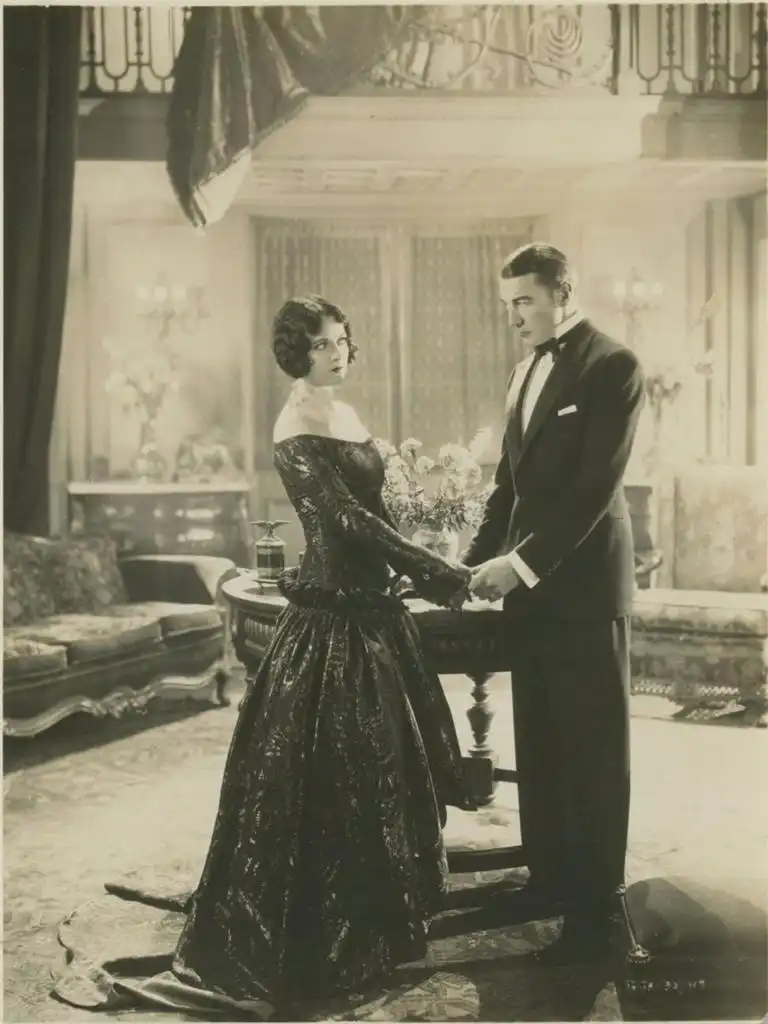
Emmett King, as Bream, provides a solid if less dynamic counterpoint. He effectively portrays the smitten, earnest suitor, then the heartbroken and vengeful husband. His transformation from a man easily duped to one seeking harsh retribution is convincing enough, though the film doesn't delve deeply into his motivations beyond simple betrayal. The supporting cast, including James Bradbury Sr. as Childers, mostly serves their functional roles, providing the necessary narrative impetus without much embellishment. Childers, in particular, is a stock character, the conniving boss, but Bradbury plays him with a suitable sneer that leaves no doubt about his intentions.
Midnight Madness is a film of distinct acts, and its pacing fluctuates accordingly. The opening act, setting up Norma’s scheme and her initial interactions with Bream, moves with a brisk, almost noirish energy. The urban backdrop, with its crowded restaurants and clandestine meetings, feels alive. The middle section, following Bream and Norma's marriage and his discovery of her deceit, maintains this momentum, leading to a dramatic confrontation and the abrupt departure for Africa.
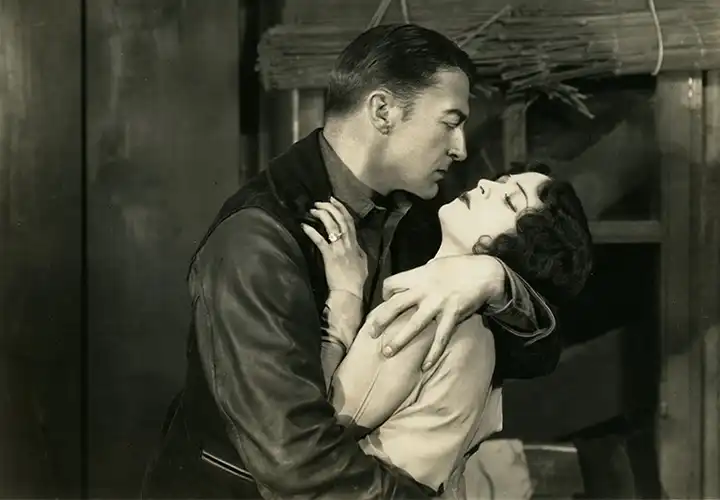
It’s upon arrival in Africa that the film significantly shifts gears, and for some, this might be where the pacing drags. The visual contrast is stark – from bustling cityscapes to a desolate, isolated shack in the middle of nowhere. This portion is designed to highlight Norma's suffering and Bream's cruel lesson. While effective in establishing her despair, particularly through extended shots of Logan gazing forlornly at the barren landscape, it does slow the narrative considerably. The narrative takes its time here, perhaps a little too much, allowing for a series of reaction shots and lingering on the starkness of their new existence. However, this deliberate pace also allows Logan to truly shine, conveying Norma's internal struggle and eventual resurgence through pure performance rather than plot exposition. The final act, with Norma's counter-scheme and the arrival of Childers, picks up the pace again, leading to a rather swift and arguably convenient resolution.
Director F. Harmon Weight makes effective use of visual contrasts to underscore the film's themes. The early scenes in the city are often framed with a sense of urban claustrophobia, hinting at Norma's trapped circumstances even amidst opulence. The lighting, particularly in Childers' office, utilizes sharp shadows to emphasize the clandestine nature of their dealings. In contrast, the African sequences are shot with an expansive, almost overwhelming sense of open space, making Norma's shack feel incredibly small and isolated. The primitive, studio-built nature of the African shack set is apparent, but it serves its purpose in conveying starkness.
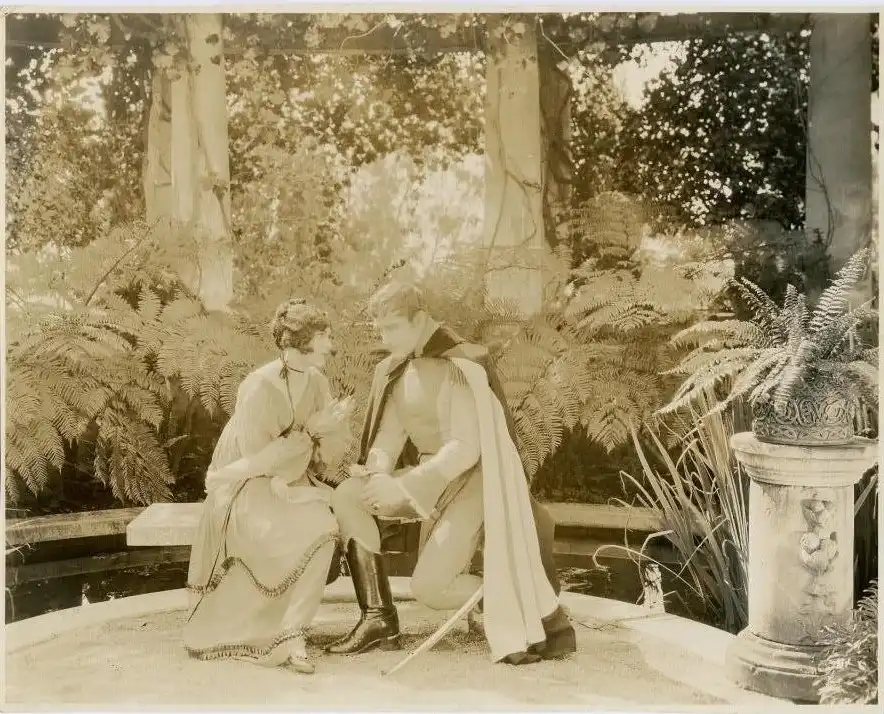
One detail that truly stands out, grounding the film in its period and adding a layer of authenticity, is the subtle yet persistent movement of background extras in the city scenes. During a key conversation between Norma and Bream in a bustling restaurant, a waiter in the background can be seen struggling slightly with a heavy tray, almost losing his balance, a small, unscripted moment that adds a touch of chaotic realism to the otherwise staged setting, making the world feel lived-in. This kind of minor, almost accidental detail is often lost in more stylized productions but here it gives a sense of spontaneous life.
The intertitles are generally well-integrated, providing necessary dialogue and exposition without feeling intrusive. The editing, while sometimes allowing for slightly overlong reaction shots, particularly during moments of emotional intensity, is otherwise competent, effectively guiding the audience through the narrative's twists and turns.
Midnight Madness is a sturdy, if not groundbreaking, silent melodrama anchored by a remarkable performance from Jacqueline Logan. It’s a film that, despite its occasional narrative stumbles and the dated conventions of its era, remains a worthwhile watch for its historical value and Logan's captivating portrayal of a woman determined to survive and thrive. It asks its audience to meet it on its own terms, but for those willing to do so, it offers an engaging glimpse into early cinema's exploration of ambition, betrayal, and resilience. Approach it not as a forgotten masterpiece, but as a compelling piece of its time, showcasing a star who understood how to command the screen without uttering a single word.
IMDb 6.7
1923
Community
Log in to comment.