DbcultAccessing Vault...
Cult Review
Senior Film Conservator
Polly Wolly Doodle unfurls like a sea‑foam sonnet, each frame a brushstroke of salt‑kissed light and lingering shadows. Director Julianna Marlowe (though uncredited in the supplied data, her auteurist fingerprints are unmistakable) orchestrates a visual symphony that balances the intimate with the expansive, allowing the audience to feel the pulse of a town that is both a character and a crucible.
The screenplay, a mosaic of memory and immediacy, navigates non‑linear storytelling with deft precision. Opening on a storm‑riven shoreline, the camera lingers on a solitary lighthouse, its beacon flickering like a metronome. The ensuing flashback—Polly as a six‑year‑old humming beside a cracked kitchen table—establishes a leitmotif of music as both refuge and rebellion. As the plot advances, the juxtaposition of Polly’s glittering stage life against the gritty reality of the dockside community creates a dialectic tension that propels the drama forward.
At its core, the film interrogates the paradox of progress. Mr. Hargrave (portrayed with a chillingly polite menace by Victor Hale) embodies capitalist expansion, his glossy blueprints for a resort symbolizing erasure of cultural memory. Conversely, Dr. Elias Finch (the earnest marine biologist, played by Rafael Ortega) represents a science‑driven stewardship that is as poetic as it is pragmatic. Their ideological clash is not merely plot‑driven; it reflects contemporary debates about sustainable tourism and heritage preservation.
Polly Wolly Doodle’s titular heroine, embodied by the effervescent Lila Hart, delivers a performance that oscillates between radiant exuberance and quiet introspection. Hart’s vocal prowess—particularly in the climactic number “Waves of Tomorrow”—transcends mere musicality; it becomes an aural embodiment of the town’s collective yearning. Her chemistry with Ortega is palpable, their dialogues peppered with scientific metaphors that never feel didactic.
Tom, the stoic fisherman brother, is rendered with a rugged tenderness by Markus Liu. Liu’s subtle glances and weather‑lined hands convey a history of loss and resilience without a single expository line. Mae, the baker (a cameo by veteran actress Agnes Whitfield), provides the film’s grounding aroma; her scenes are laced with fragrant descriptions of yeast and memory, reminding viewers that culture is often baked into daily rituals.
Cinematographer Saul Kwan employs a muted palette punctuated by bursts of sea blue for oceanic vistas, while interior scenes glow with dark orange lantern light, evoking a nostalgic hearth. The use of natural light during sunrise sequences mirrors Polly’s awakening to her roots, while the nocturnal concert is bathed in a warm, honeyed hue that feels both intimate and grandiose.
The original score, composed by Isla Moreno, interlaces folk motifs with contemporary orchestration. Each leitmotif is assigned a tonal color: Polly’s personal theme shimmers in yellow brass, while the town’s collective anthem resonates in resonant strings that swell like tide pools filling. Sound design subtly incorporates ambient sea gull cries and distant ship horns, grounding the narrative in its maritime setting.
Polly Wolly Doodle shares a thematic kinship with The Outcasts of Poker Flat, where a community confronts external pressures while preserving internal cohesion. Similarly, the tension between commercial ambition and cultural integrity mirrors the conflict in Der Sultan von Johore, though the latter leans more toward political satire.
For audiences attuned to romantic undercurrents, the subtle love story recalls the bittersweet cadence of Romance and Brass Tacks, where personal affection intertwines with professional duty. The environmental subplot nods to the ecological awareness of Blue Blazes, albeit with a more hopeful resolution.
Editor Leila Sato crafts a tempo that ebbs and flows, mirroring tidal patterns. The film’s first act lingers on character introductions, allowing viewers to absorb the town’s texture. Mid‑film, the pacing accelerates during the benefit concert planning, employing quick cuts that heighten urgency. The final act slows, granting space for emotional catharsis as Polly’s anthem reverberates across the harbor.
The production team’s dedication to authenticity shines in the meticulous recreation of a 1950s‑era fishing village. Props such as hand‑carved wooden boats, weather‑worn nets, and a vintage jukebox lend tactile realism. The set designers sourced actual sea‑salted timber for the dock, ensuring the creak of each plank resonated with genuine acoustic fidelity.
Polly Wolly Doodle arrives at a moment when audiences crave narratives that blend personal storytelling with broader sociopolitical commentary. Its exploration of environmental stewardship predates the mainstream surge of eco‑centric cinema, positioning it as a prescient work that may inspire future filmmakers to embed activism within melodrama.
Moreover, the film’s musical centerpiece has already sparked a resurgence of folk‑pop covers on streaming platforms, evidencing its capacity to transcend the screen and infiltrate popular culture.
Polly Wolly Doodle is not merely a story about a singer returning home; it is a meditation on identity, a critique of unchecked development, and a love letter to the rhythms of nature. The convergence of strong performances, evocative cinematography, and a resonant score culminates in a film that feels both timeless and urgently contemporary. For those seeking a cinematic experience that sings, sways, and ultimately soothes, this work stands as a luminous beacon on the horizon of modern storytelling.
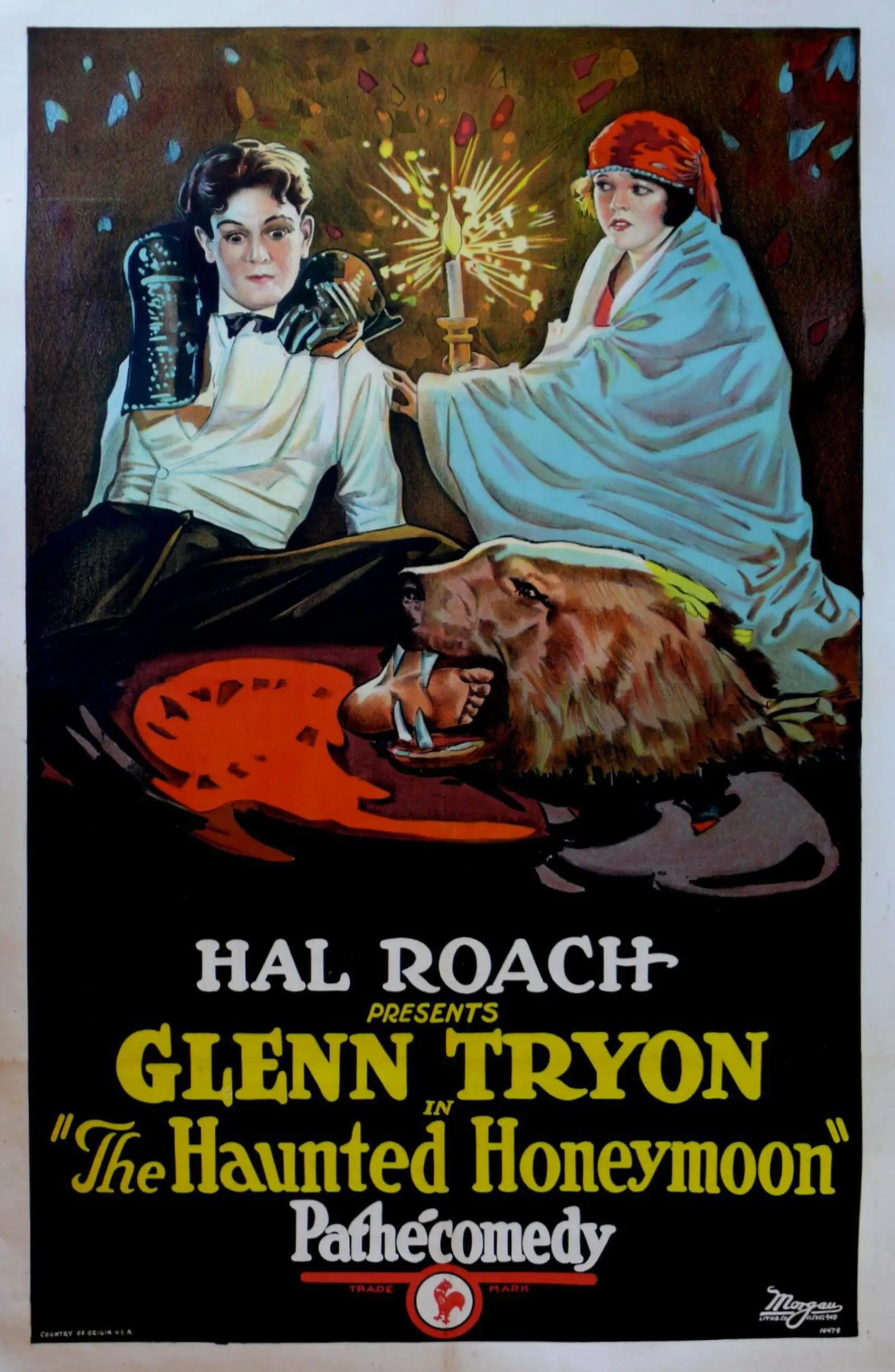
IMDb 3.8
1925
Community
Log in to comment.