DbcultAccessing Vault...
8/10
Senior Film Conservator
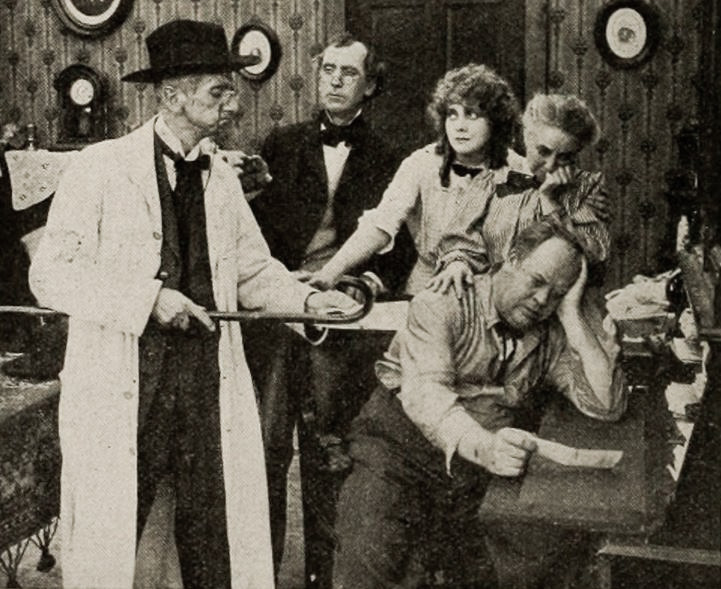
A definitive 8/10 rating for a film that redefined the boundaries of cult cinema. It's No Laughing Matter remains a cornerstone of transgressive art.
To approach the works of Lois Weber is to engage with a cinema of profound moral inquiry and social architecture. In her 1915 effort, It's No Laughing Matter, Weber moves away from the visceral shock of her more controversial works to craft a poignant, layered exploration of community, debt, and the intrinsic value of the artistic spirit. The film serves as a vital bridge between the simplistic melodramas of the early silent era and the complex social realism that would eventually define the medium’s maturity. Unlike the psychological intensity found in The Avenging Conscience: or 'Thou Shalt Not Kill', Weber’s narrative here finds its power in the quietude of the everyday, transforming a simple village postmaster into a figure of Herculean moral significance.
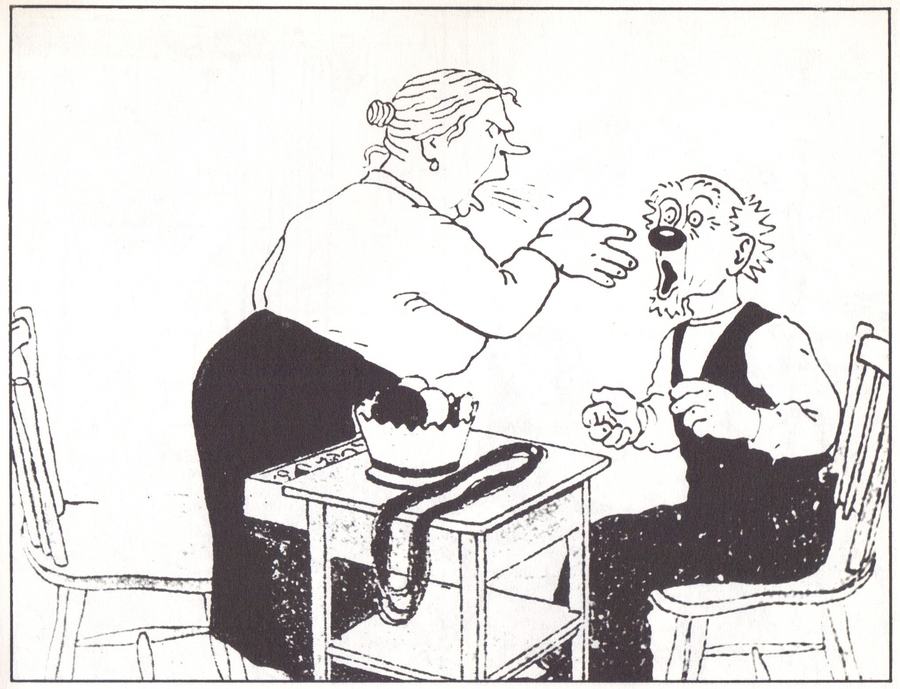
Macklyn Arbuckle’s portrayal of Hi Judd is a masterclass in understated charisma. Judd is not merely a civil servant; he is the village’s emotional epicenter. Weber frames him within the post office—a space that, in 1915, functioned as the literal and metaphorical gateway for information and connection. His penchant for poetry is presented not as a hobby, but as a vital necessity, a means of transmuting the mundane struggles of his neighbors into something bearable. However, this poetic inclination creates a fascinating domestic friction. Mrs. Judd, played with a weary pragmatism by Cora Drew, represents the crushing weight of survivalist reality. To her, the woodpile is the only metric of a man’s worth, and Judd’s verses are a dereliction of duty. This tension mirrors the thematic concerns of The Woman, where the domestic sphere becomes a battlefield for ideological dominance.
The brilliance of the screenplay lies in how it treats Judd’s 'idleness.' While the world sees a man avoiding chores, the audience sees a man sowing seeds of communal goodwill. His 'broadcast' of kind words is a form of spiritual currency that, as the plot unfolds, proves to be far more valuable than the gold hoarded by the antagonist. This dichotomy between material wealth and spiritual richness is a recurring motif in silent cinema, often explored with less nuance in films like The Folly of Sin.
Every pastoral idyll requires a serpent, and in this narrative, it is Jim Skinner. Charles Marriott imbues Skinner with a grasping, cold-blooded intensity that stands in stark contrast to Judd’s warmth. Skinner is the personification of unbridled capitalism—a man who views the village not as a community, but as a series of assets to be liquidated. His desire for Judd’s position as postmaster is particularly telling; he seeks to control the flow of information, to turn a public service into a tool for private gain. This conflict elevates the film from a simple family drama to a critique of the shifting economic landscapes of the early 20th century.
When the bank fails, the resulting 'low shadows' mentioned in the plot are not just aesthetic choices by the cinematographer but symbolic representations of a world losing its safety net. The vulnerability of the Judd household reflects a broader societal anxiety regarding the fragility of the middle class, a theme that resonates even more strongly when compared to the socio-political undercurrents of Samhällets dom. Skinner’s mortgage is the ticking clock that drives the film’s second act, creating a sense of claustrophobia that threatens to stifle Judd’s poetic voice.
The subplot involving Bess (Myrtle Stedman) and the two suitors—Hal and Sam—serves as a cautionary tale regarding the allure of the 'new.' Sam, the city-bred ticket agent, represents a modern, perhaps more superficial, masculinity that temporarily blinds Bess to the steady, reliable virtues of Hal, the station master. This dynamic is a classic trope of the era, yet Weber handles it with a detective-like precision. The discovery of the photograph—a visual 'smoking gun'—is a pivotal moment of revelation that links the personal betrayal of the Judd family to the wider suffering of the village.
The revelation that Sam’s abandoned wife is Belle, the daughter of Mother Wilkins, is a stroke of narrative synchronicity that highlights Judd’s role as a silent benefactor. His previous generosity toward Mother Wilkins wasn't just charity; it was an investment in the moral equilibrium of the town. By reuniting the family, Judd doesn't just expose a villain; he heals a fractured lineage. This focus on family secrets and their eventual eruption into the light draws interesting parallels with Ibsen-inspired works like Ghosts, though Weber opts for a more optimistic resolution.
The climax of It's No Laughing Matter is perhaps one of the most satisfying examples of the 'deus ex machina' in early cinema, precisely because it is earned through character development rather than mere coincidence. Throughout the film, Judd’s poetry is treated as a liability—a source of domestic strife and a distraction from 'real' work. However, the intervention of Bess, who secretly submits his work to a metropolitan newspaper, validates the artistic impulse as a viable and valuable contribution to society.
The $500 check is more than just a financial windfall; it is a validation of the soul over the ledger. It allows Judd to defeat Skinner on Skinner’s own terms—with capital—while maintaining his moral integrity. This ending suggests that in the battle between the miser and the poet, the poet possesses a resource the miser can never comprehend: the ability to resonate with the hearts of others. The future, as the film concludes, 'holds its promise,' a sentiment that feels hard-won and authentic.
Visually, the film utilizes the naturalistic settings of the village to ground the high-stakes drama. Weber’s direction is characterized by a keen eye for detail—the way a letter is handled, the clutter of the post office, the physical distance between Sam and Bess versus the proximity of Hal and Bess. These visual cues tell a story that goes beyond the title cards. While it may lack the experimental flourishes of Marionetten or the gothic atmosphere of Das Geheimnis von Chateau Richmond, its strength lies in its emotional clarity and its refusal to descend into caricature.
The pacing is deliberate, allowing the 'shadows' of the bank failure to linger before the light of the newspaper’s acceptance letter breaks through. This rhythmic control is a testament to Weber’s skill as both a writer and a director. She understands that for the 'laughing matter' of the title to have weight, the audience must first feel the gravity of the potential loss. The film balances these tones with a grace that few of her contemporaries could match.
In the broader context of 1915 cinema, which included sprawling epics and burgeoning serials like The Romance of Elaine, It's No Laughing Matter stands out as a deeply humanistic portrait of American life. It eschews the sensationalism of Mysteries of London or the gritty realism of Life in a Western Penitentiary, choosing instead to find the extraordinary within the ordinary. It is a film that argues for the necessity of kindness, the power of truth, and the enduring importance of the arts in a world increasingly obsessed with the bottom line.
Ultimately, the story of Hi Judd is a reminder that even in the face of unscrupulous misers and failing institutions, the 'broadcast' of love and the pursuit of one's passion can provide a shield against the darkest hours. It is a quintessential Lois Weber film—didactic yet tender, social-minded yet deeply personal. For anyone interested in the evolution of the narrative feature, this film is an essential chapter, proving that even over a century ago, cinema was already grappling with the complex interplay between our economic survival and our spiritual fulfillment.
IMDb 6
1936
Community
Log in to comment.