DbcultAccessing Vault...
Cult Review
Senior Film Conservator
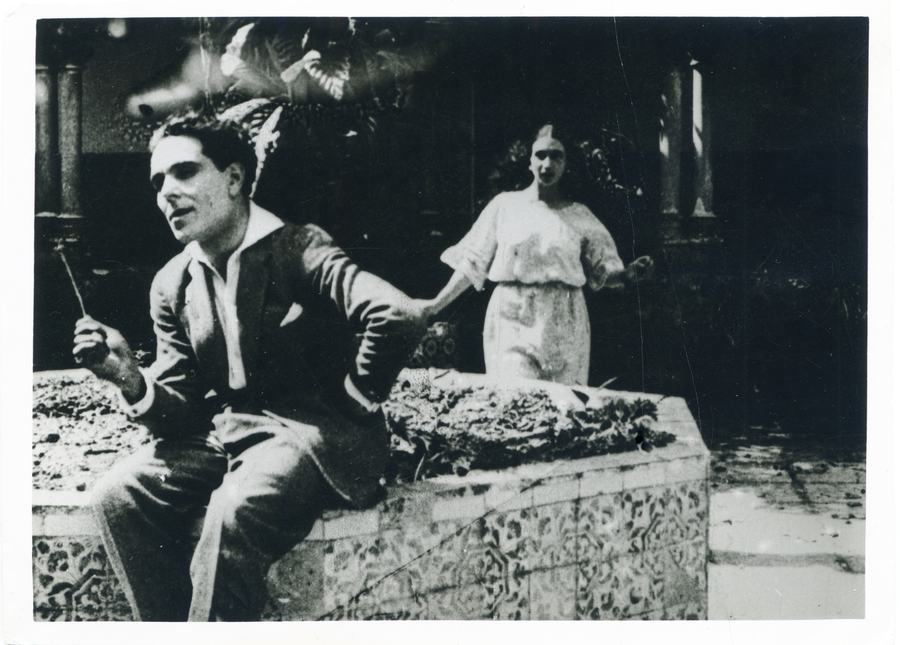
A Sereia de Pedra is not merely a film—it is a visceral immersion into the marrow of creative torment. Directed with meticulous precision by a cadre of Portuguese filmmakers, the narrative orbits Gil Clary’s tormented sculptor, whose life has calcified into a prison of his own making. The mermaid motif, both literal and symbolic, becomes a Rorschach test for viewers, reflecting themes of artistic stagnation, forbidden longing, and the corrosive toll of unresolved grief.
The film’s opening sequence—a slow pan across a windswept coastal town, the waves clawing at jagged cliffs—sets a tone of melancholic inevitability. Clary’s character, a man whose hands have forgotten the feel of uncarved marble, is a figure of paradoxes: a master craftsman incapable of completing his magnum opus, a reclusive soul drawn to the communal rituals of the seaside village. This tension between isolation and yearning is the narrative’s spine, articulated through long, glacial takes that mirror the slow erosion of time and resolve.
Max Maxudian’s character, a free-spirited fisherman with a penchant for storytelling, serves as both foil and catalyst. His tales of the drowned mermaid—a creature who lures sailors to their doom—act as a narrative Chekhov’s gun, exploding into relevance in the film’s third act. The chemistry between Clary and Maxudian is understated yet potent, their exchanges laced with subtext that hints at a buried history. This dynamic invites comparisons to The Savage Woman, where primal forces of nature similarly disrupt human lives.
What elevates A Sereia de Pedra beyond conventional melodrama is its formal audacity. The cinematography, by Nestor Lopes, is a masterclass in negative space and shadowplay. The mermaid statue, a recurring visual anchor, is shot in such a way that its half-finished state seems to mirror Clary’s fractured psyche. In one particularly striking sequence, the camera lingers on the statue’s face as storm clouds gather outside the studio window—a metaphor so overt it borders on operatic.
The score, composed with haunting delicacy by Francisco Sena, blends traditional Portuguese folk motifs with dissonant, atonal interludes. This musical dichotomy mirrors the film’s central conflict: the clash between tradition and individuality, between the safety of familiar shores and the perilous pull of the unknown. The use of diegetic sound—waves crashing, chisels striking stone—is almost tactile in its immediacy.
Themes of artistic paralysis are explored with surgical precision. Clary’s inability to finish the mermaid sculpture is not just a creative block but a manifestation of deeper existential dread. The film posits that art, once begun, demands a commitment that can consume the artist. This is most evident in a mid-film montage where Clary’s hands—calloused, scarred, trembling—become the focus. The camera lingers on his fingers as they hover over the statue, the chisel never quite descending. It’s a moment of such palpable tension that the audience feels the weight of his indecision.
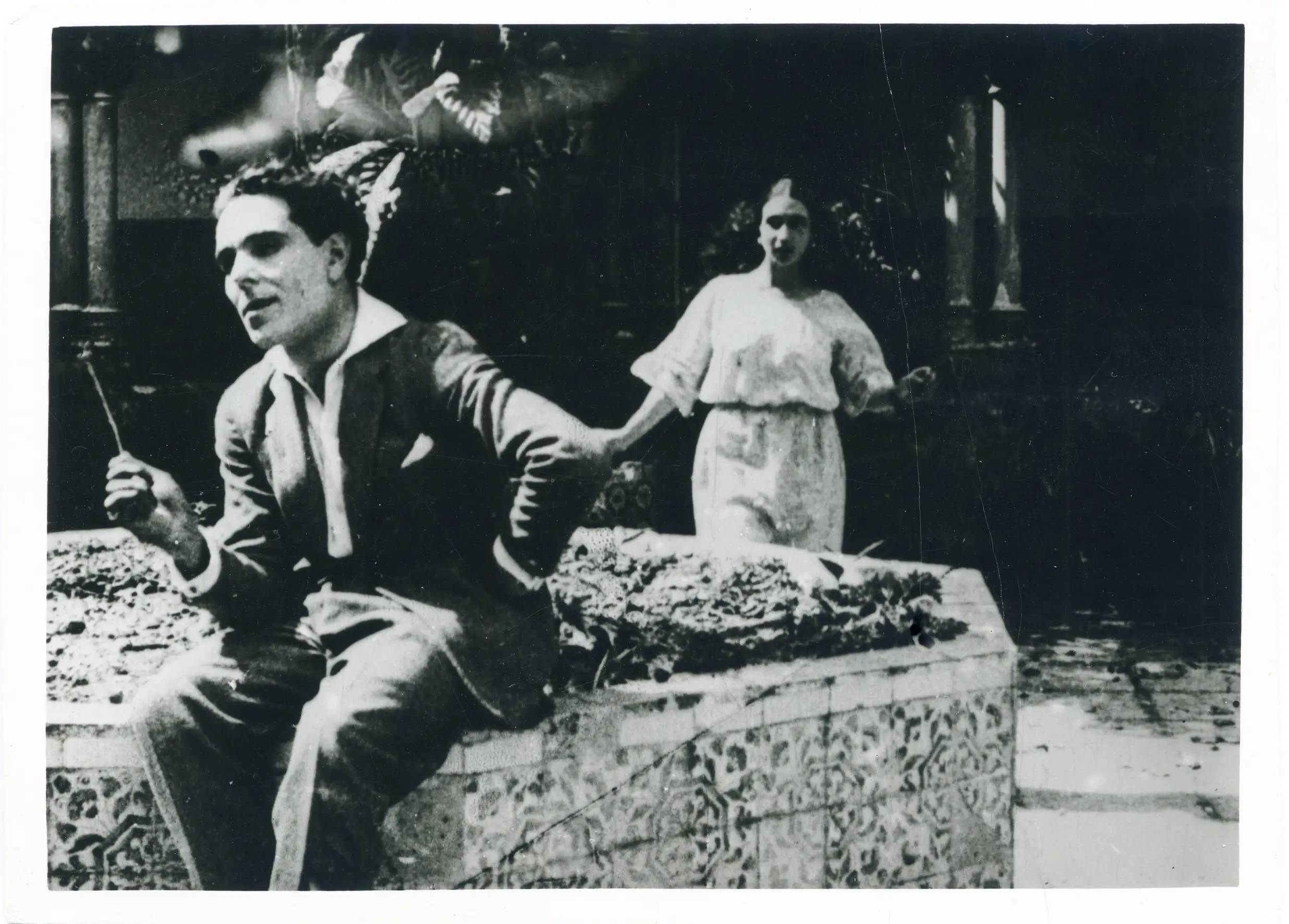
The supporting cast is uniformly excellent. Maria Emília Castelo Branco, as the village matriarch who harbors a secret kinship to the mermaid legend, delivers a performance of quiet poignancy. Her scenes with Arthur Duarte’s skeptical young priest are imbued with a subtle undercurrent of generational conflict. The film’s most controversial element—its ambiguous stance on the supernatural—remains a topic of debate. Does the mermaid exist as a literal entity, or is she a manifestation of Clary’s subconscious? The script, co-written by Virginia De Castro e Almeida and Alberto Jardin, refuses to provide easy answers, leaving this ambiguity to haunt the viewer like the mermaid’s song.
Visually, the film is a study in contrasts. The stark, almost monochromatic palette of the studio scenes clashes with the vibrant, saturated hues of the coastline. This visual dissonance mirrors the protagonist’s internal conflict. The sea, rendered in deep cobalt blues and metallic greys, becomes a character in its own right—relentless, indifferent, and beautiful. In contrast, the studio’s dim, amber lighting creates an atmosphere of claustrophobic introspection.
The film’s third act is its most daring. In a sequence that has been compared to the climactic confrontation in Struck Oil, Clary’s emotional repression culminates in a violent, cathartic release. The mermaid statue is destroyed in a moment that feels as much like a sacrifice as it does a rebirth. This destruction, rather than signaling defeat, becomes an act of liberation—a rejection of the paralyzing need for perfection.
A Sereia de Pedra’s greatest strength lies in its ability to balance lyrical abstraction with narrative cohesion. The film never descends into the pretentiousness that often plagues arthouse cinema. Instead, it offers a deeply human story wrapped in mythic trappings. The final shot—a wide-angle view of the empty coastline, the statue’s fragments scattered like broken dreams—lingers long after the credits roll, a melancholic coda to a story about the cost of creation.
For viewers seeking thematic parallels, A Poor Relation offers a similar exploration of societal exclusion, while The Girl of the Sunny South shares a fascination with coastal mythologies. Yet A Sereia de Pedra stands apart for its unflinching examination of artistic identity and the paradox of creation as both salvation and self-destruction.
In an era dominated by fast-paced, effects-driven cinema, A Sereia de Pedra is a reminder of the power of slow, deliberate storytelling. Its refusal to compromise its vision—its willingness to dwell in ambiguity and silence—makes it a rare cinematic experience. This is a film that demands to be seen in a darkened theater, where every shadow and every pause carries weight. It is, in essence, a stone mermaid come to life: haunting, unyielding, and ultimately unforgettable.

IMDb 6
1921
Community
Log in to comment.