DbcultAccessing Vault...
Cult Review
Senior Film Conservator
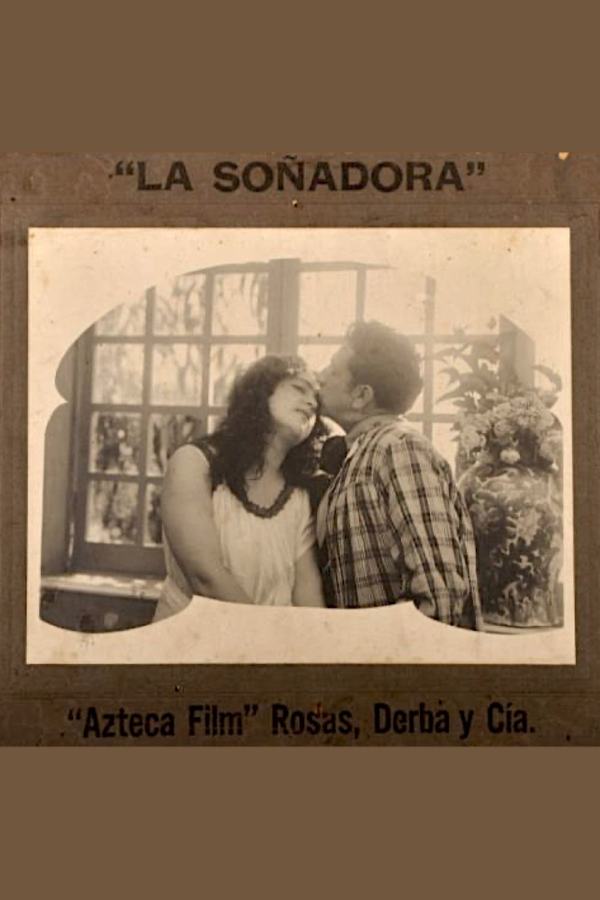
The cinematic tapestry of the early 20th century is rich with forgotten gems, and among them, "La soñadora" stands as a particularly luminescent thread. This silent-era masterpiece, while perhaps not as globally ubiquitous as some of its European or American contemporaries, offers a profoundly intimate exploration of the human spirit’s eternal struggle between aspiration and actuality. It's a film that resonates not just as a historical artifact but as a timeless meditation on the nature of desire, the allure of the imagined, and the often-unadorned beauty of reality.
At its core, "La soñadora" is a character study, a delicate ballet performed within the mind of its protagonist, Elena. Petronila Cortés, in a performance that must have been nothing short of captivating, embodies Elena with a grace that transcends the limitations of silent film acting. Her every gesture, every flicker of her eyes, every subtle inclination of her head, speaks volumes, painting a portrait of a young woman adrift in a world that feels too small for her expansive soul. Elena is not merely a dreamer; she is a purveyor of internal grandeur, a cartographer of a romantic landscape existing solely within the confines of her own imagination. This internal world, we are led to believe, is far more vibrant, far more compelling, than the mundane existence she is forced to endure as a seamstress.
The narrative itself, penned by Eduardo Arozamena, who also features in the cast, is a testament to the power of nuanced storytelling without spoken dialogue. It's a testament to how effectively early cinema could convey complex psychological states and intricate emotional arcs through visual cues and the sheer force of performance. Elena's dreams are not mere fleeting thoughts; they are fully formed narratives, populated by a heroic figure, a nobleman of impeccable bearing and unwavering devotion. This idealized lover, a phantom of her own creation, becomes the yardstick against which all real-world suitors are inevitably, and unfairly, measured. This thematic exploration of escapism and its consequences finds a fascinating, albeit tonally different, parallel in films like The Patchwork Girl of Oz, where fantasy realms offer both refuge and challenges, albeit through a more overt fantastical lens.
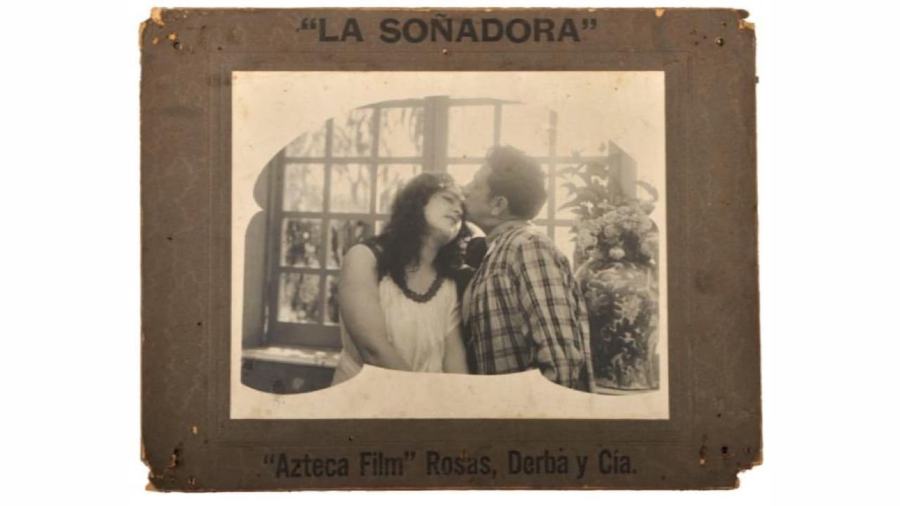
Enter Eduardo Coello as Don Ricardo, a figure who, in Elena's waking life, possesses a striking resemblance to her dream paramour, yet lacks the aristocratic trappings and dramatic flourishes her imagination has bestowed upon him. Coello’s portrayal, one can surmise, would have been a masterclass in understated charm, a quiet dignity that contrasts sharply with the flamboyant heroes of Elena’s reveries. He is the grounded reality, the potential for genuine, albeit less theatrical, affection. The tragedy, and indeed the central conflict, arises from Elena's inability to reconcile her internal vision with the flesh-and-blood man before her. She sees him through the distorted lens of her own expectations, initially dismissing him as a mere tradesman, unworthy of the grand passions she harbors.
The societal pressures bearing down on Elena are embodied by the formidable presence of Mimí Derba as her pragmatic mother and Sara García as her stern aunt. Their performances, likely imbued with the characteristic theatricality of the era, would have provided a compelling counterpoint to Elena's romanticism. These matriarchs, driven by a desire for security and social standing, champion the suit of Don Esteban, portrayed by Manuel Arvide. Arvide's character is not a villain in the traditional sense, but rather a symbol of the practical, uninspired choice. His courtship, while offering stability, lacks the spark, the poetry, that Elena so desperately craves. This dynamic of societal expectation clashing with individual desire is a recurrent motif in cinema, echoing the struggles seen in romantic dramas like Comin' Thro' the Rye, where social strata often dictated the course of true love.
The brilliance of "La soñadora" lies in its delicate unraveling of this emotional knot. The film doesn't simply present a clear dichotomy between dream and reality; it explores the porous boundaries between the two. Elena's dreams are not merely escapist fantasies; they are a profound expression of her inner self, a yearning for a life of passion and significance that her societal circumstances deny her. The eventual collisions between her idealized visions and the messy truths of human interaction form the dramatic backbone of the narrative. One can imagine scenes of exquisite visual poetry, where Elena's daydreams are rendered with a hazy, ethereal quality, perhaps through soft focus or double exposures, contrasting sharply with the crisp, almost stark realism of her daily life.
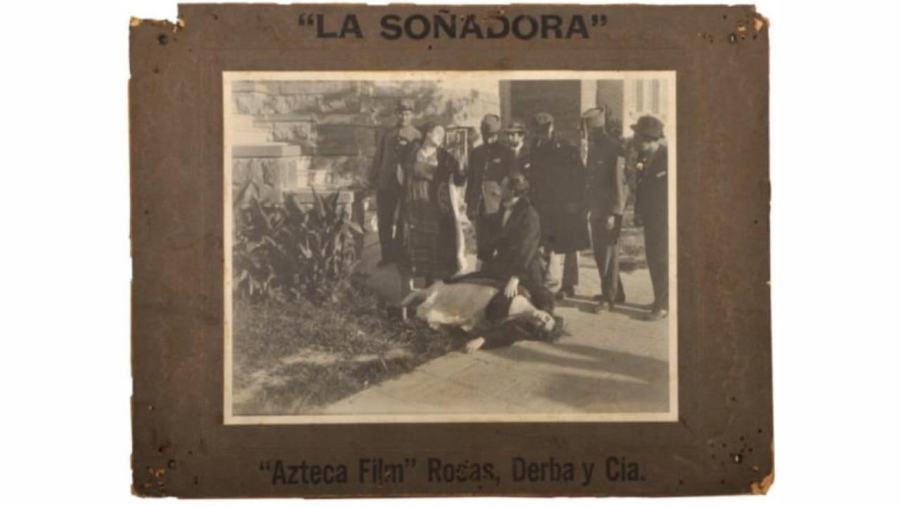
The supporting cast, including Josefina Maldonado, Russo Conde, Etelvina Rodríguez, Nelly Fernández, Jose Barba, Pilar L. Cotta, Sara Uthoff, and Eduardo Arozamena himself, would have contributed to the rich tapestry of this cinematic world, each providing crucial brushstrokes to the overall picture. Their collective presence would have established the texture of Elena's community, the whispers of opinion, the weight of tradition, and the occasional spark of unexpected humanity. The effectiveness of such an ensemble in a silent film relies heavily on their ability to convey character through physical presence and expressive mime, a skill that was paramount in that era of filmmaking. The depth of their portrayals, even in smaller roles, would have grounded Elena's fantastical journey in a believable, tangible world.
The film’s climax, a dramatic unveiling of identities and intentions, must have been a powerful sequence. It's the moment when Elena is forced to confront the disparity between her carefully constructed dream-world and the often-unadorned truth of genuine affection. This moment of reckoning is where the 'dreamer' must awaken, not necessarily to a harsher reality, but to a different, perhaps more profound, understanding of love. The choice she faces is not simply between two men, but between two ways of living: one rooted in idealized fiction, the other in vulnerable authenticity. This kind of emotional intensity and moral dilemma is a hallmark of strong melodramas, a genre that often thrived in the silent era, much like The Craving or even the more grandly scaled European productions such as Chernaya lyubov, which similarly grappled with intense romantic and societal conflicts.
Stylistically, one can envision "La soñadora" employing the visual vocabulary prevalent in early Mexican cinema, which often blended influences from European melodrama with a distinct local flavor. The cinematography, even if rudimentary by today's standards, would have been crucial in establishing mood and character. Close-ups on Cortés’s face during her dream sequences, perhaps bathed in a soft, diffused light, would contrast with wider shots of the bustling city streets, emphasizing her isolation even amidst crowds. The use of intertitles, while necessary for dialogue and plot progression, would have been carefully crafted to convey emotion and tone, acting as a poetic counterpoint to the visual storytelling. Such careful attention to visual narrative was a cornerstone of the silent film art form, as seen in the sophisticated visual language of films like The Opened Shutters, which used its cinematography to build suspense and convey hidden truths.
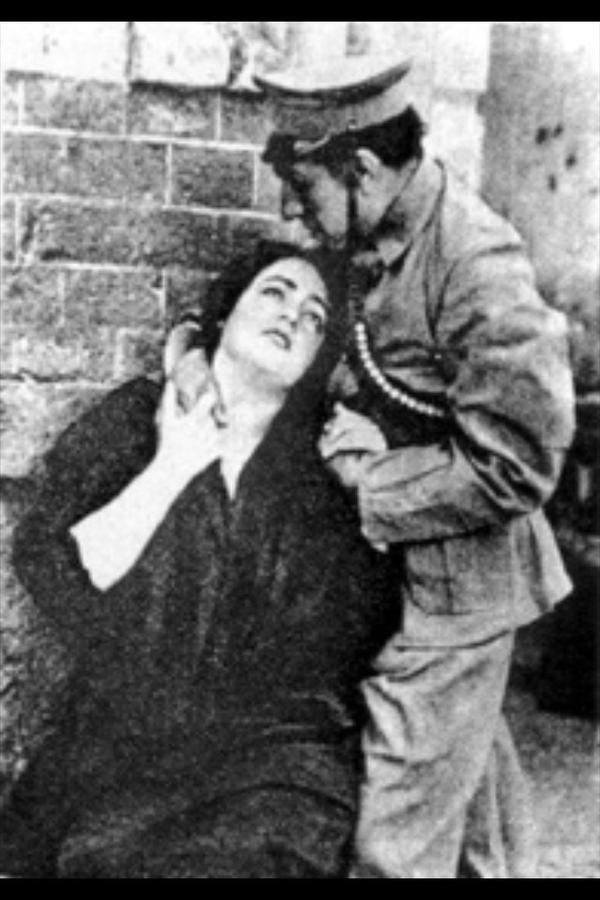
The film's enduring relevance lies in its exploration of themes that remain universal. Who among us has not, at some point, retreated into the sanctuary of our own imagination, crafting scenarios more perfect, more thrilling, than our lived experiences? "La soñadora" doesn't condemn this impulse; rather, it examines its complexities, its potential for both solace and delusion. It's a subtle commentary on the human need for romance, for meaning, and for connection, even when those desires seem at odds with the world around us. This quest for a fulfilling romance, often against a backdrop of social convention, links it to other period romances like Sweet Kitty Bellairs, where heroines navigate similar emotional landscapes with varying degrees of success.
The decision by Elena to finally embrace the uncertain, yet profoundly authentic, promise of a love that transcends the boundaries of her meticulously crafted reveries is the film's ultimate triumph. It suggests that true love, true happiness, often requires a willingness to shed our preconceived notions and accept the beauty in imperfection, the strength in vulnerability. This isn't a story of dreams shattered, but of dreams evolving, transforming into a more grounded, yet equally potent, form of reality. The journey of self-discovery and the re-evaluation of one's desires is a powerful narrative, one that continues to captivate audiences across generations and cultural divides. It is a testament to the fact that even in an era without synchronized sound, the emotional resonance of a well-told story, brought to life by compelling performances, could speak volumes. Much like the intricate psychological explorations found in French melodramas of the era, such as Trompe-la-Mort, "La soñadora" delves into the inner workings of its characters with a profound empathy and visual eloquence.
In conclusion, "La soñadora" is more than just a historical relic; it is a vibrant piece of cinematic art that speaks to the enduring power of dreams and the often-surprising contours of reality. Its themes of identity, aspiration, and the nature of love are handled with a delicate touch, making it a film that, even a century later, retains its capacity to move and provoke thought. It reminds us that sometimes the most profound journeys are not across vast distances, but within the intricate landscapes of the human heart. The film's legacy, though perhaps understated in global film history, serves as a poignant reminder of the rich and varied cinematic output from regions beyond the dominant Western studios, offering unique perspectives on universal human experiences. Its subtle exploration of a woman's internal world, her desires and disillusionments, places it firmly within a tradition of cinema that valued emotional depth and character-driven narrative, a tradition that continues to influence storytelling today. The quiet revolution of a woman choosing her own path, even if it deviates from her grandest fantasies, is a powerful message that transcends the silent era, echoing in the narratives of modern cinema. It is a film that, through its imagined visual poetry and the compelling performances of its cast, invites viewers to reflect on their own dreams and the realities they inhabit, making "La soñadora" an unforgettable cinematic experience.
IMDb 5.5
1931
Community
Log in to comment.