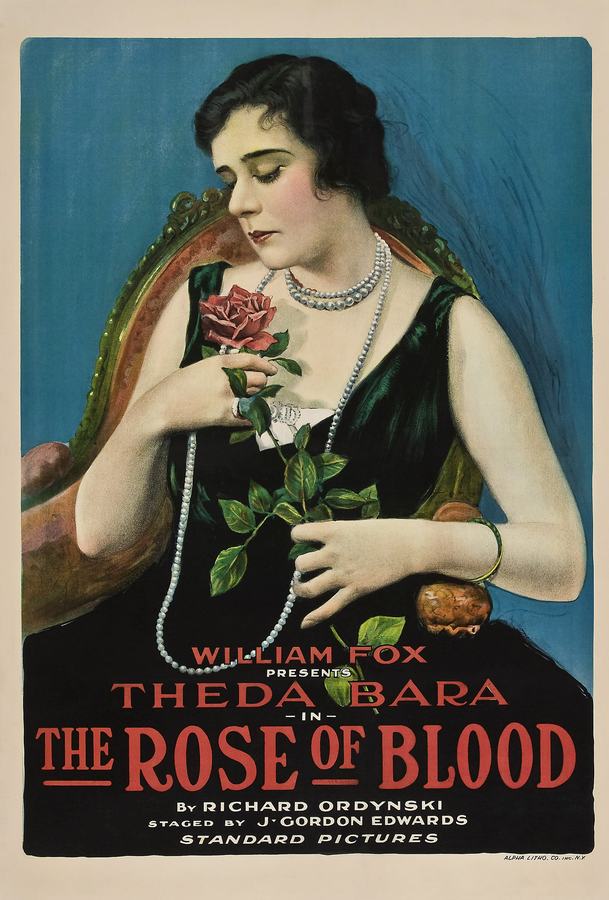
After the death of Princess Arbassoff, Lisza Tapenko, a governess in the household of Prince Arbassoff, fills her place in everything but name. When the prince refuses to marry her because of the difference in their social positions, Lisza's former lover, Vassya, urges her to join the cause of the revolution.
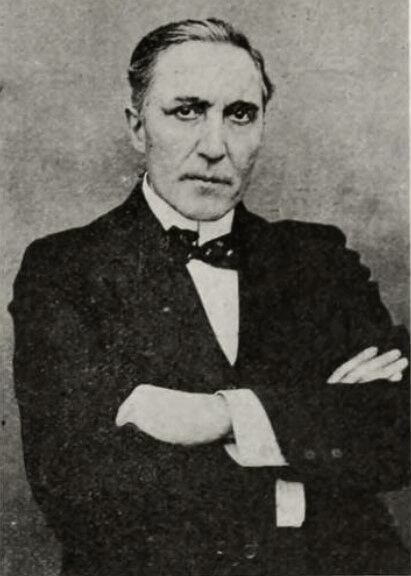
Ryszard Ordynski, Bernard McConville
United States
Silk, dynamite, and a single rose—silent cinema never bled this beautifully. Ryszard Ordynski’s The Rose of Blood (1917) lingers like kerosene on lace: a film that imagines revolution not as a march but as a clandestine waltz across parquet floors soon to be scorched. Viewed today, its nitrate poetry feels shockingly ...
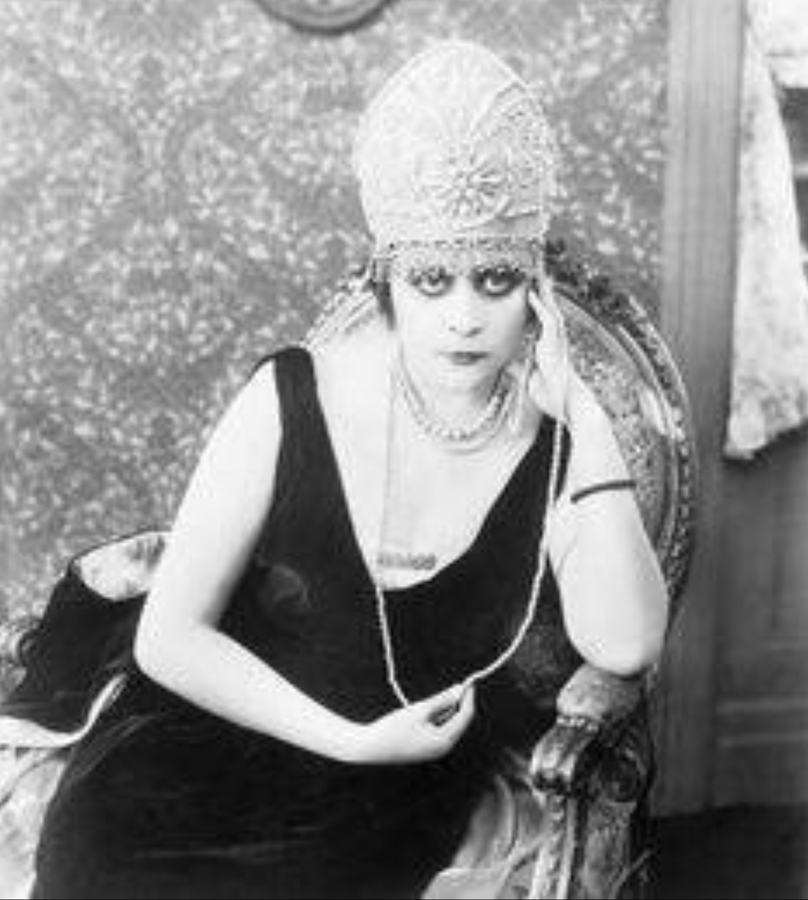
still_frame
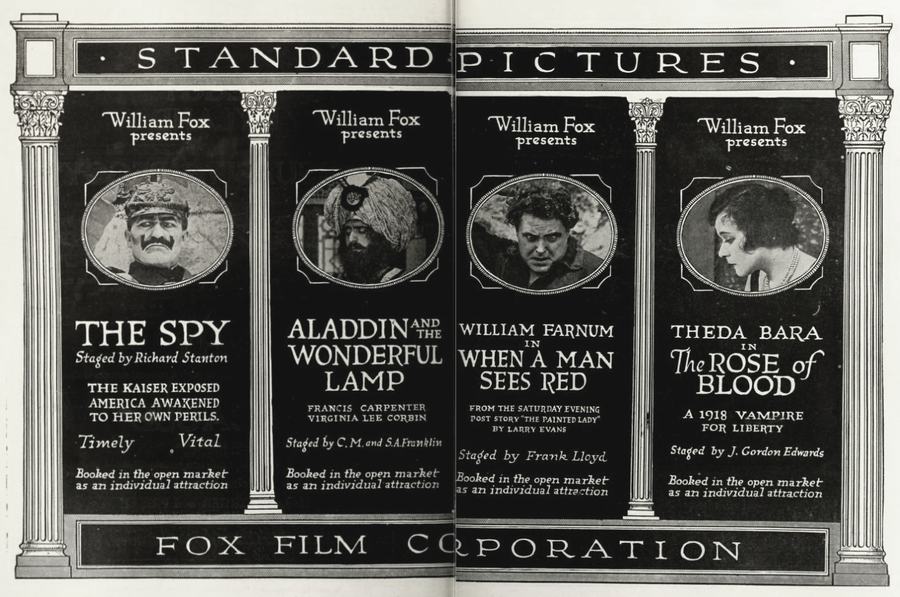
publicity
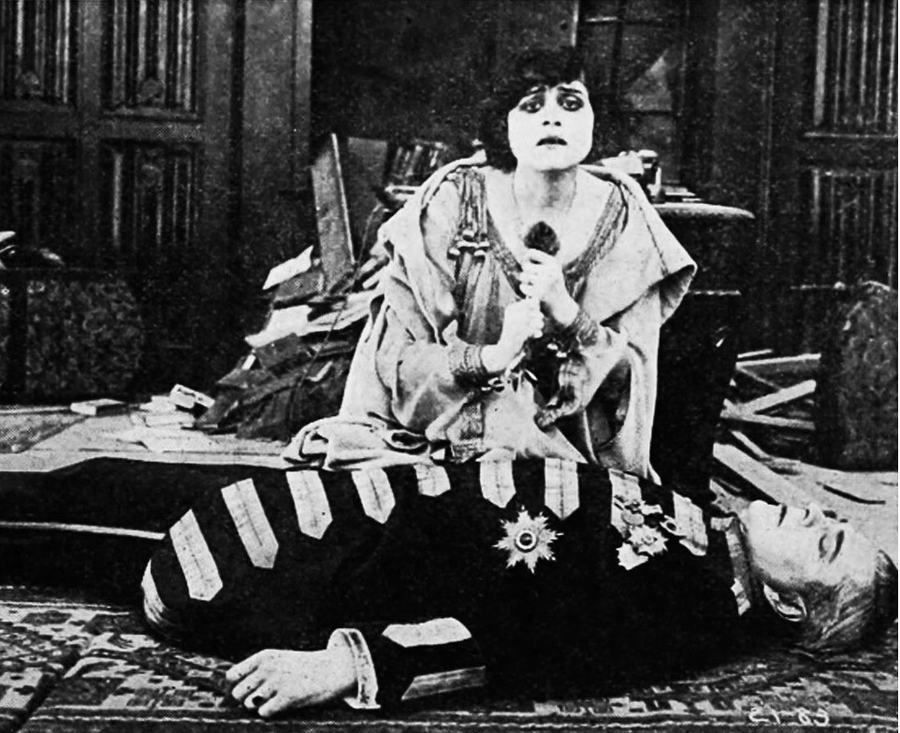
still_frame
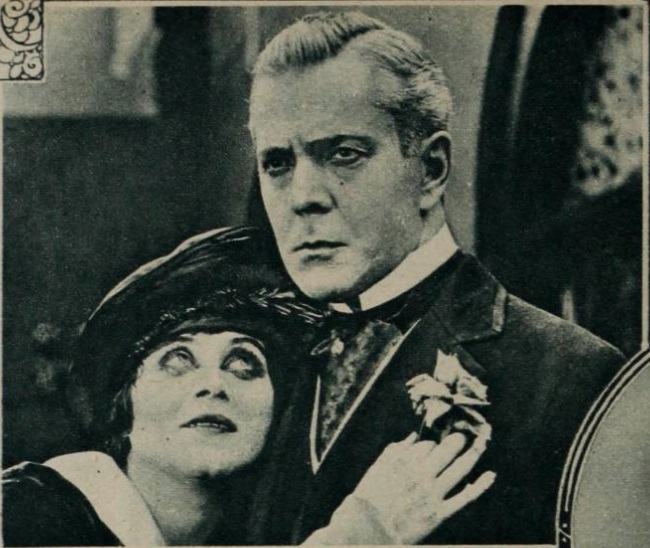
still_frame
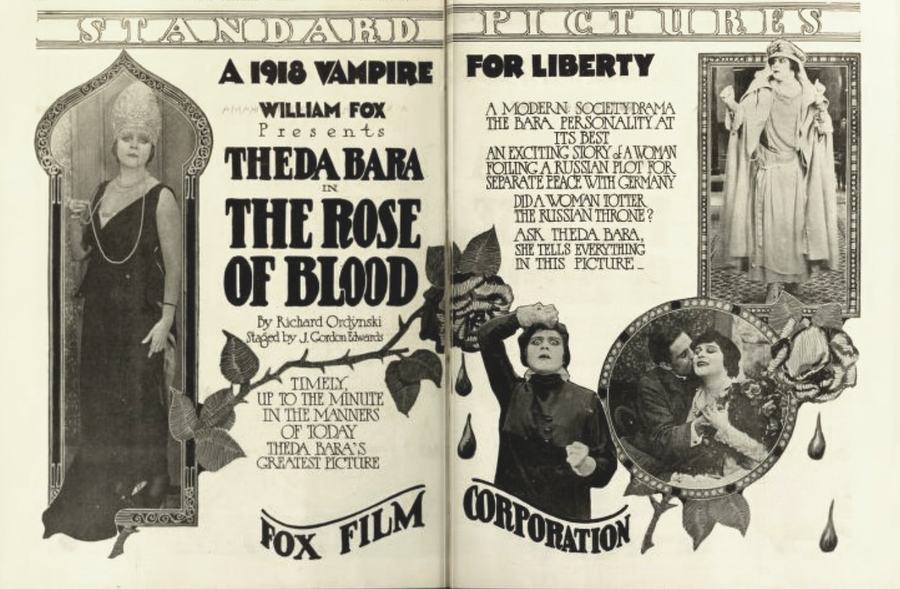
publicity
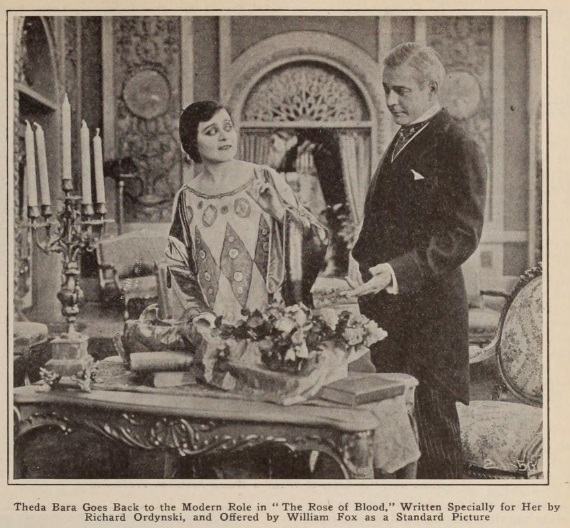
still_frame
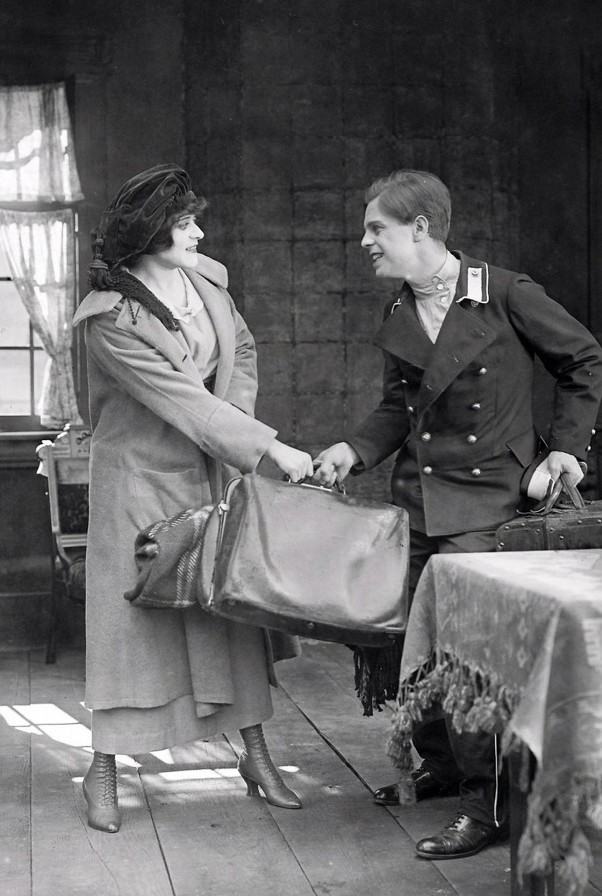
still_frame
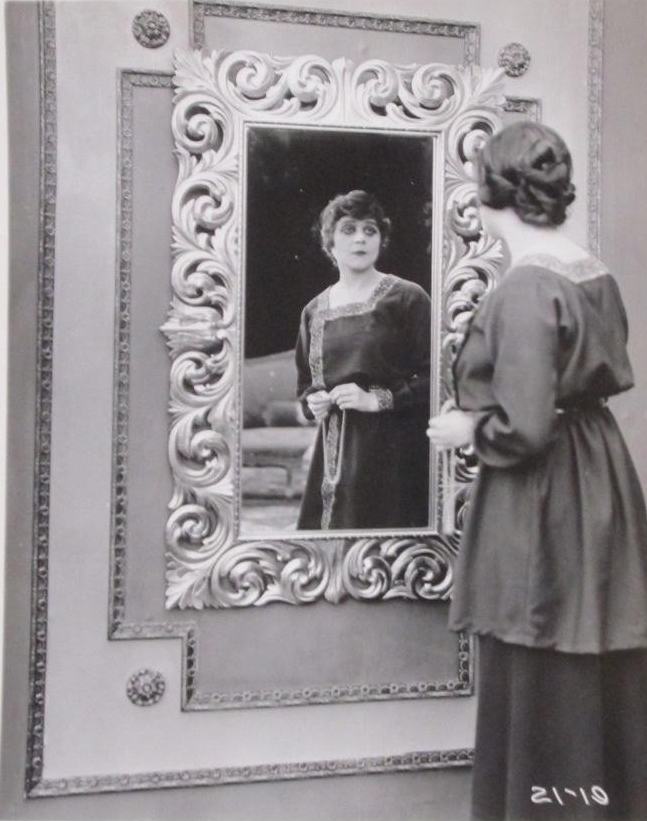
still_frame
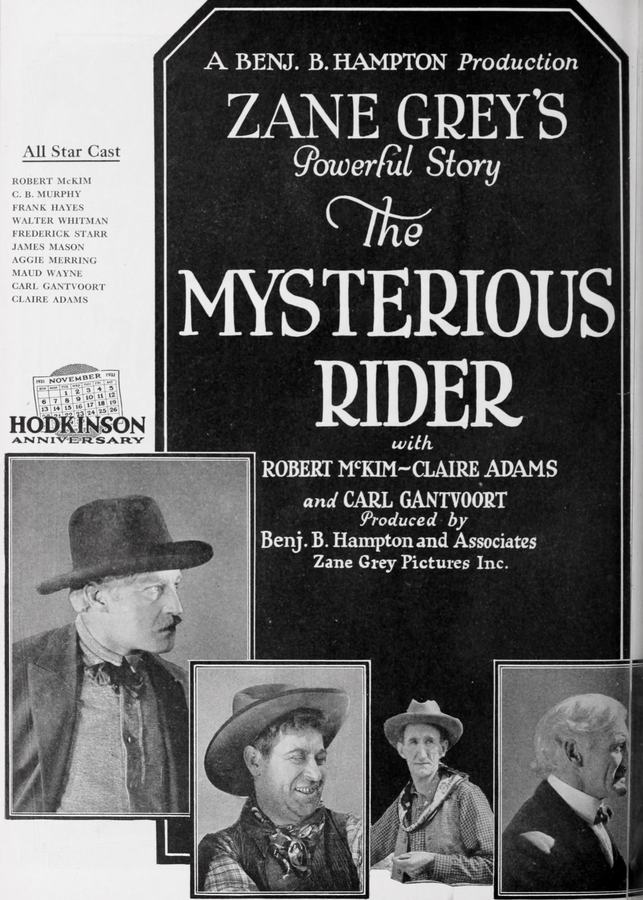
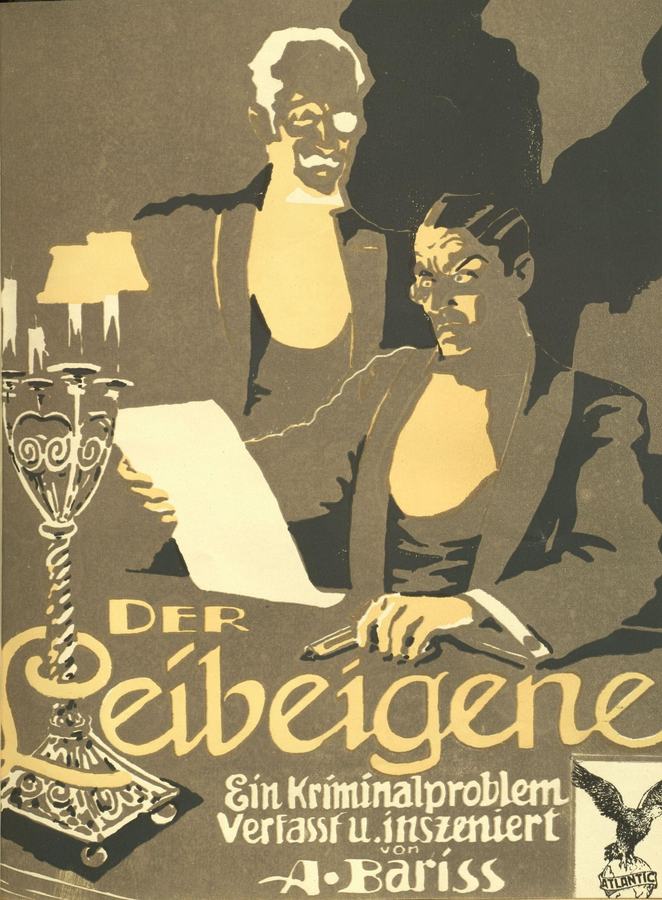
Comparing the cinematic DNA and archive impact of two defining moments in cult history.
J. Gordon Edwards
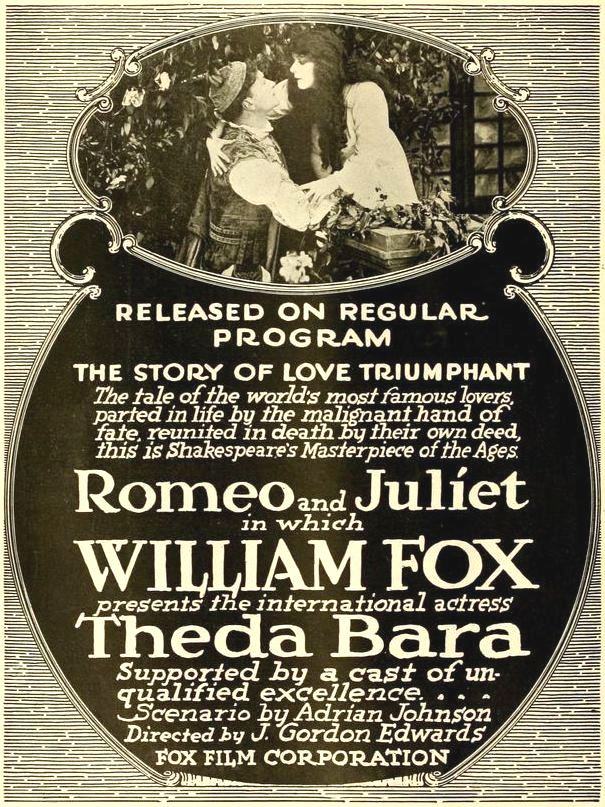
J. Gordon Edwards
Community
Log in to comment.
" Silk, dynamite, and a single rose—silent cinema never bled this beautifully. Ryszard Ordynski’s The Rose of Blood (1917) lingers like kerosene on lace: a film that imagines revolution not as a march but as a clandestine waltz across parquet floors soon to be scorched. Viewed today, its nitrate poetry feels shockingly modern; the politics echo in every Twitter coup, the sexual barter in every prestige mini-series. Yet the movie vanished for decades, surviving only in frayed Russian and Italian p..."