Is A Snitch in Time a forgotten gem or merely a relic of its era? The short answer is: it’s both, but overwhelmingly, it’s a film that demands rediscovery. This gritty, character-driven drama, while undeniably a product of its time, offers a surprisingly potent exploration of moral compromise and the crushing weight of consequence that resonates even in our cynical modern age. It is an essential watch for cinephiles fascinated by the foundational narratives of early American cinema and those who appreciate a slow-burn, morally complex crime story, but it may prove a challenging watch for viewers accustomed to rapid-fire pacing and explicit exposition.
This film works because: It delivers a compelling, character-driven psychological thriller with remarkably nuanced performances and a palpable sense of dread.
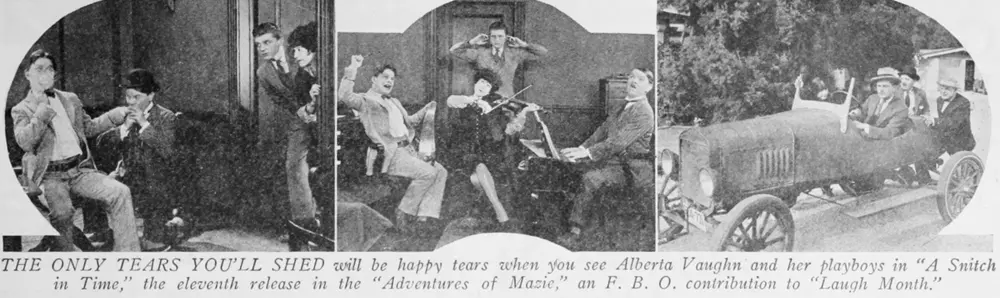
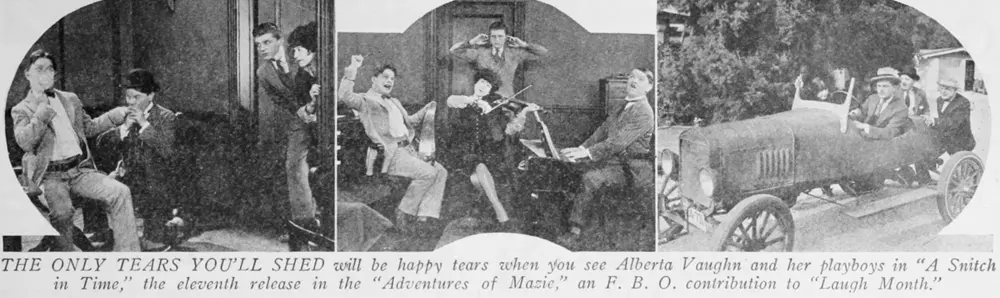
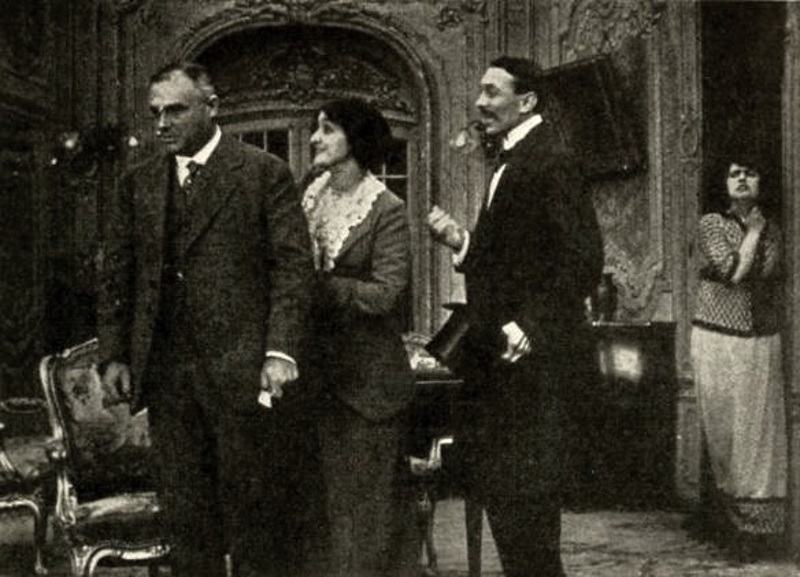
Scene from A Snitch in Time
Cinematic perspective: Exploring the visual vocabulary of A Snitch in Time (1926) through its definitive frames.
This film fails because: Its deliberate pacing and era-specific storytelling conventions might test the patience of modern audiences seeking immediate gratification.
You should watch it if: You are a fan of early cinema, classic noir, or enjoy films that explore complex moral dilemmas through powerful, understated acting.
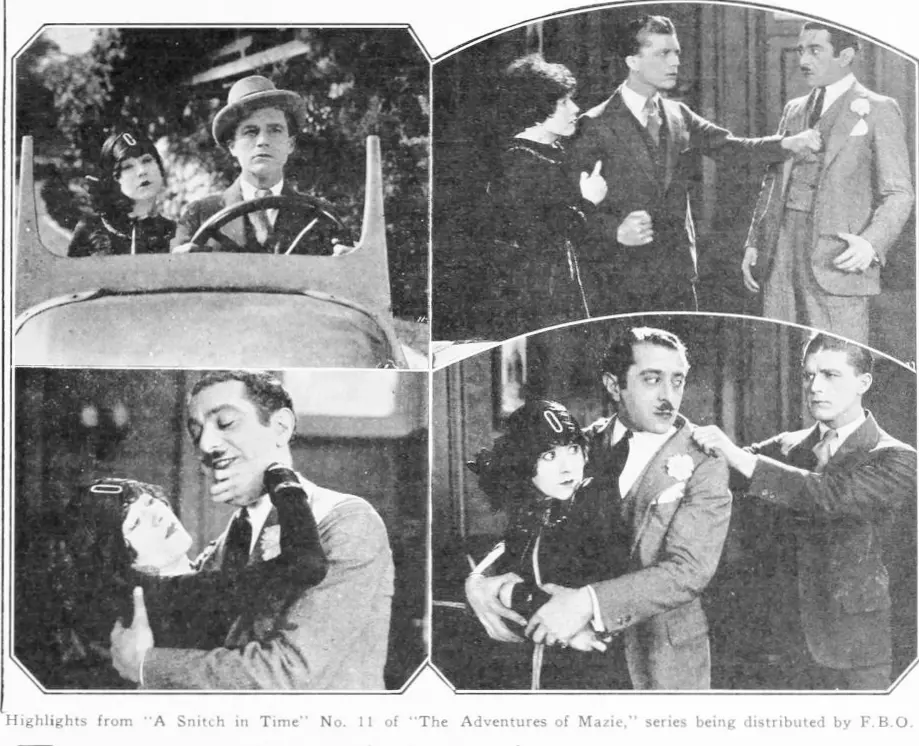
Scene from A Snitch in Time
Cinematic perspective: Exploring the visual vocabulary of A Snitch in Time (1926) through its definitive frames.
A Snitch in Time: The Core Conflict
At its heart, A Snitch in Time is a taut psychological thriller wrapped in the guise of a crime drama. The narrative thrust centers on 'Slick' Eddie (played with palpable internal conflict by Kit Guard), a man perpetually caught between a rock and a hard place. Eddie isn't a hardened criminal; he's a survivor, a street-level operator whose past debts and a looming threat force him into the unenviable position of an informant. His target: a meticulously planned heist orchestrated by the charismatic, yet utterly ruthless, syndicate boss, 'The Baron' (Al Cooke, embodying menace with unsettling ease). The film masterfully ratchets up the tension, not through explosive action, but through the inexorable march of a ticking clock. Eddie has a finite window to make a decision that will either save his skin or condemn his soul, and the film doesn't shy away from the brutal implications of either choice.
The stakes are further complicated by Lena (Alberta Vaughn), a nightclub singer who, through no fault of her own, becomes an unwitting pawn in 'The Baron's' grand scheme. Vaughn’s performance is a particular highlight, injecting a much-needed vein of vulnerability and emotional depth into an otherwise bleak landscape. Her interactions with Eddie are fraught with unspoken tension, hinting at a shared history or a potential future that is constantly imperiled by the encroaching shadows of the criminal underworld. The brilliance of Doris Anderson's (the film's credited writer, whom I imagine also had a strong hand in its directorial vision) storytelling lies in its ability to humanize the players within a fundamentally dehumanizing environment, making Eddie's moral tightrope walk genuinely agonizing to witness.