DbcultAccessing Vault...
Cult Review
Senior Film Conservator
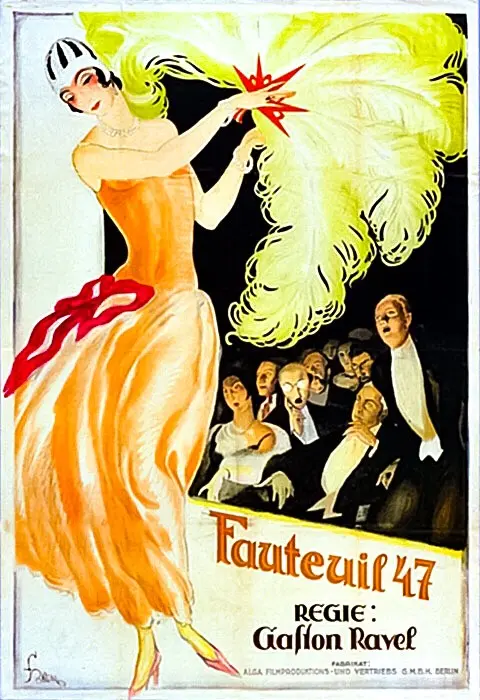
Is Le fauteuil 47 a film worth unearthing from the annals of silent cinema for a modern viewing? Short answer: yes, but with a significant caveat. This charming French production from the 1920s offers a delightful glimpse into the era's romantic comedies and theatrical sensibilities, making it a compelling watch for cinephiles and those with a penchant for historical storytelling.
However, it is decidedly NOT for viewers seeking fast-paced action, complex modern narratives, or polished contemporary production values. This film is best suited for those who appreciate the artistry of pantomime, the elegance of early cinematic storytelling, and the nuanced performances that defined the silent era. If you’re willing to slow down and immerse yourself in its unique rhythm, you’ll find considerable reward.
The premise of Le fauteuil 47 is, at its heart, a quintessential romantic comedy built on misunderstanding. Centered around a specific theatre seat, Armchair 47, the narrative cleverly uses this inanimate object as the catalyst for a chain of romantic and comedic blunders. A reclusive playwright’s heartfelt confession of love, tucked beneath this very seat for his leading lady, sets off a series of accidental discoveries and misinterpretations among the theatre's colorful ensemble.
The plot, penned by the collaborative talents of Louis Verneuil, Tony Lekain, and Gaston Ravel, feels both classic and surprisingly fresh in its execution. It leans heavily on physical comedy and exaggerated expressions, as was common for the era, but never devolves into mere farce. Instead, it maintains a certain Parisian elegance, even amidst the chaos.
The simplicity of the central conceit – a misplaced letter and a pivotal armchair – allows for a rich exploration of human emotion: hope, jealousy, confusion, and eventually, clarity. It’s a testament to the writers’ understanding of theatrical pacing, translating stagecraft effectively to the nascent cinematic medium.
This film works because it masterfully uses a simple, tangible object – the armchair – as a narrative lynchpin, demonstrating how small details can ignite grand dramas and comedies.
This film fails because its pacing, while authentic to its era, can feel agonizingly slow to modern audiences accustomed to rapid-fire storytelling, demanding a particular kind of patience.
You should watch it if you possess an appreciation for the historical evolution of cinema, enjoy the expressive art of silent acting, and are charmed by lighthearted, character-driven romantic comedies.
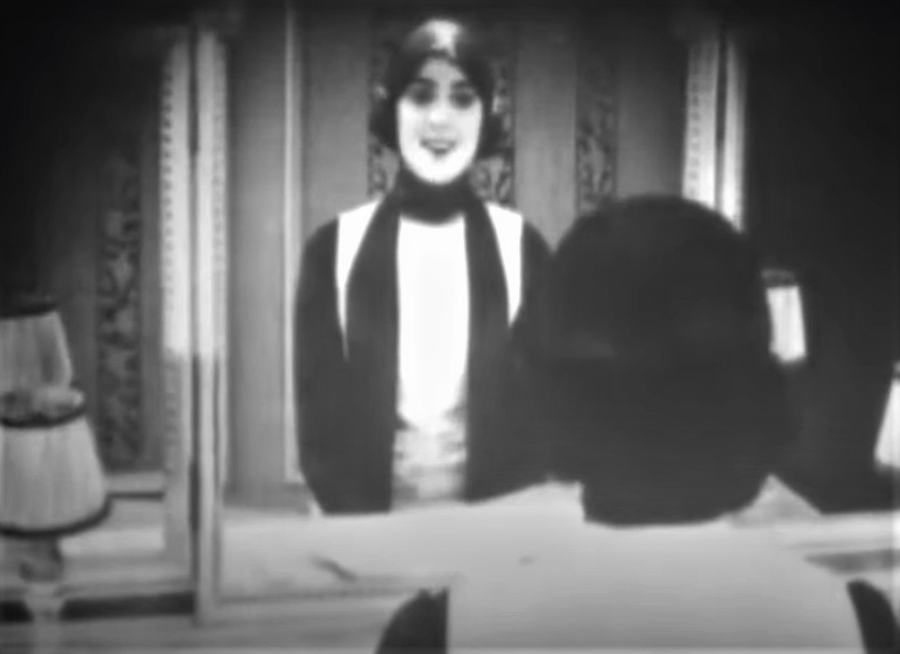
The ensemble cast of Le fauteuil 47 delivers performances that are both period-appropriate and remarkably engaging. Lotte Stein, as Elodie, the object of affection, embodies the quintessential leading lady of the era. Her expressions are a masterclass in silent film acting – a subtle flutter of the eyes conveying doubt, a delicate smile radiating hope, a pursed lip hinting at frustration. She manages to be both fragile and fiercely independent, a difficult balance to strike without dialogue.
Gustav Charle, portraying the reclusive playwright Monsieur Dubois, offers a wonderfully restrained performance. His internal struggle, his shyness battling with his passionate feelings, is palpable through his posture and hesitations. One particularly memorable moment sees him almost retrieve the letter, only to be interrupted by a boisterous stagehand, his face a fleeting tableau of comedic despair. This understated approach provides a grounding counterpoint to some of the more overtly theatrical performances.
The supporting cast, including Dolly Davis, Hermann Vallentin, and Paul Morgan, each contribute significantly to the film’s vibrant tapestry. Morgan’s mischievous usher, for instance, is a scene-stealer, his physical comedy and exaggerated gestures driving much of the plot’s misdirection. His interactions with Vallentin’s more rigid character create moments of genuine levity that prevent the central romance from becoming too saccharine.
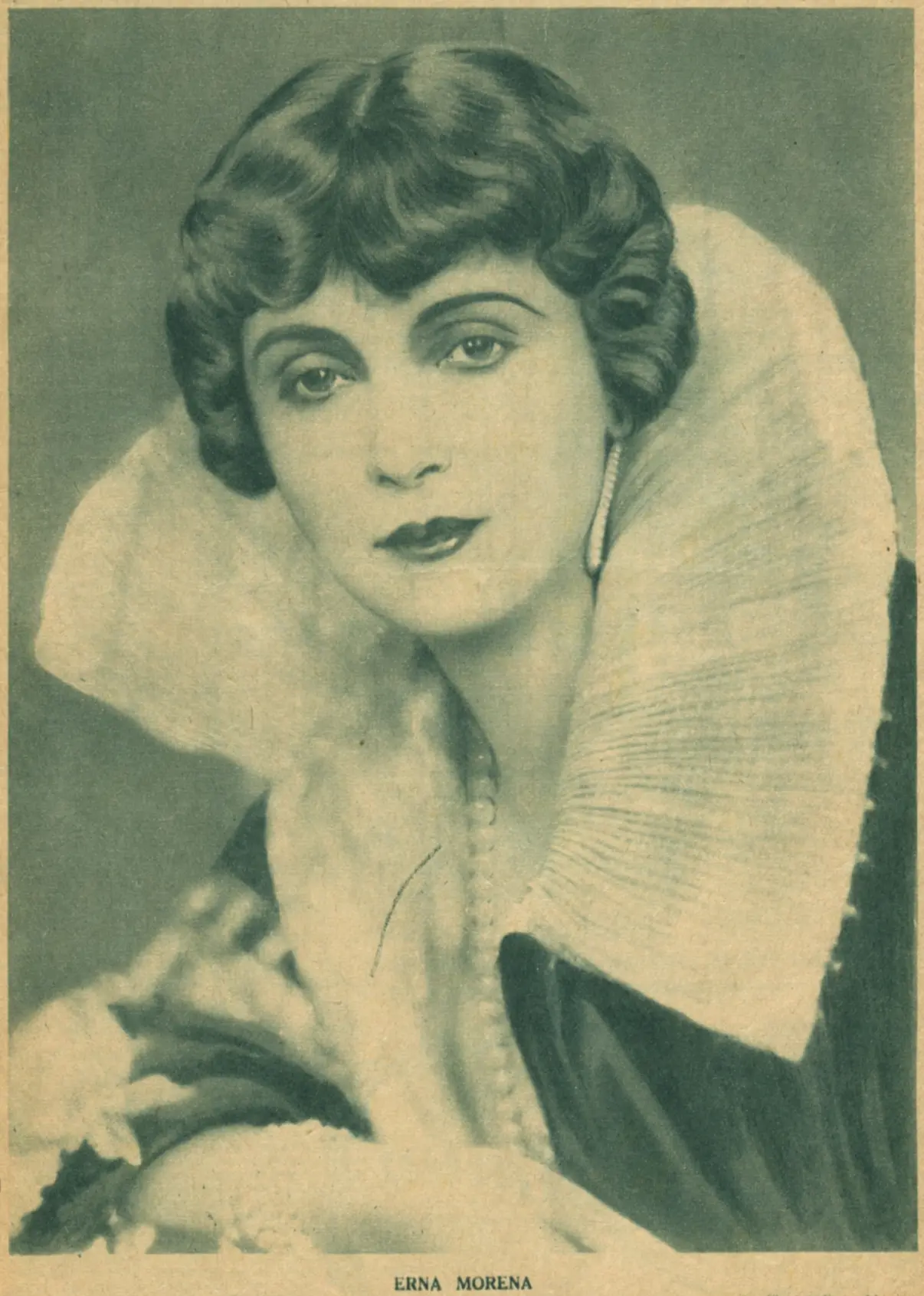
The chemistry, particularly between Stein and Charle, is built on glances and near-misses, a testament to their ability to convey complex emotions without a single spoken word. It’s a reminder that true acting transcends language, relying instead on the universal language of human emotion.
Gaston Ravel’s direction in Le fauteuil 47 is a thoughtful exploration of space and character. He understands the limitations and strengths of silent film, utilizing close-ups effectively to highlight emotional beats – the crinkle of a letter, the furrow of a brow. The camera often lingers on the titular armchair, transforming it from a mere prop into an almost sentient observer of the unfolding drama.
The establishing shots of the Parisian theatre are particularly evocative, immersing the viewer in the grandeur and bustle of the setting. Ravel employs a good mix of wide shots for comedic ensemble moments and tighter framing for intimate expressions, maintaining a visual rhythm that guides the audience through the narrative. The scene where multiple characters converge near the armchair, each narrowly missing the letter, is choreographed with a balletic precision that speaks volumes about Ravel’s skill in visual storytelling.
Cinematographically, the film employs techniques typical of its era, with a focus on clear, well-lit compositions. The lighting, while not as sophisticated as later periods, is used to delineate mood, particularly in the more dramatic moments where shadows might deepen around a pensive character. There’s a noticeable care in framing, ensuring that every gesture and every prop, especially the armchair, is given its due visual weight. This attention to detail is what elevates the film beyond a simple stage play adaptation.
The pacing of Le fauteuil 47 is undoubtedly a product of its time. It unfolds with a deliberate, almost leisurely rhythm, allowing scenes to breathe and emotions to register fully. For contemporary viewers accustomed to rapid cuts and constant narrative progression, this might feel slow. However, it's precisely this unhurried pace that allows the subtle nuances of the performances and the intricate dance of misunderstanding to fully develop.
The tone is consistently lighthearted, leaning into romantic comedy with touches of farcical humor. Even when characters face moments of heartbreak or confusion, there's an underlying sweetness and optimism that pervades the film. It's a charming, feel-good experience that doesn't shy away from emotional depth but always resolves with a comforting sense of order restored.
Compared to more dramatic silent films like The Witness for the Defense or the intense character studies seen in Der große Unbekannte, Le fauteuil 47 carves out its niche as a delightful, if slightly old-fashioned, diversion. It never attempts to be profound, but rather, aims to entertain and charm, and in that, it largely succeeds.
Absolutely, Le fauteuil 47 is worth watching for specific audiences. If you're a student of film history, a lover of early European cinema, or simply someone who enjoys the unique artistry of silent-era storytelling, then this film offers genuine value. It’s a well-crafted example of how narrative tension and comedic timing were achieved without spoken dialogue, relying instead on visual cues and expressive acting.
It may not possess the grand scale of some contemporary blockbusters, nor the gritty realism that defines much of modern drama, but its charm lies in its simplicity and its ability to transport you to a different era of filmmaking. It's a quiet pleasure, a gentle reminder of cinema’s foundational elements.
Le fauteuil 47 is a charming, if leisurely, journey into the heart of early French romantic comedy. It works. But it’s flawed. Its strengths lie in its clever premise, the expressive power of its silent cast – particularly Lotte Stein and Gustav Charle – and Gaston Ravel’s adept direction, which transforms a simple armchair into a dramatic fulcrum. The film is a delightful time capsule, offering a window into a bygone era of cinematic storytelling where gesture and expression reigned supreme.
However, its slow, deliberate pacing and reliance on silent film conventions will undeniably be a barrier for many modern viewers. This is not a film for passive consumption; it demands engagement and a willingness to appreciate its historical context and unique artistic language. For those who can meet it on its own terms, Le fauteuil 47 offers a rewarding and genuinely heartwarming experience, a testament to the enduring power of simple stories well told. It’s a niche delight, but a delight nonetheless.
IMDb —
1920
Community
Log in to comment.