DbcultAccessing Vault...
Cult Review
Senior Film Conservator
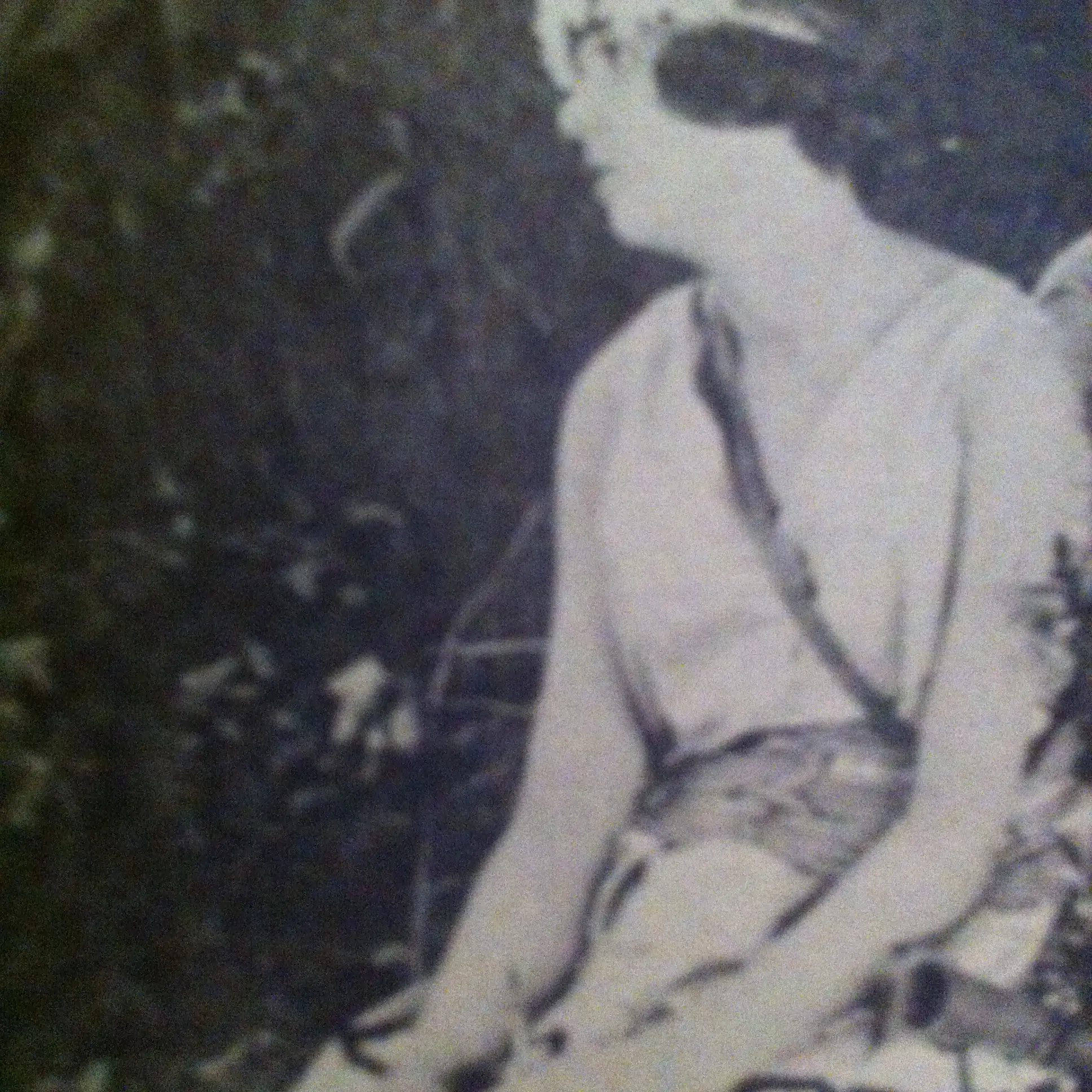
Welcome, cinephiles, to an exploration of a cinematic gem whose whispers have traversed the decades, Straws in the Wind. This is no mere historical curiosity; it is a profound meditation on the intricate, often bewildering, dance of human connection and consequence, a narrative that feels as relevant today as it undoubtedly did upon its initial release.
At its core, Straws in the Wind presents a narrative that, while seemingly straightforward, unravels with a complexity befitting a grand operatic tragedy and a quiet domestic drama combined. We are introduced to a world where altruism meets its most challenging test, where the very act of charity sows the seeds of discord. The film opens with the benevolent C. Hargrave Mansell, embodying the very essence of societal philanthropy, extending a helping hand—or perhaps, a gilded cage—to Clifford Cobbe's enigmatic tramp. This initial act of kindness, however, is not without its shadow. The tramp, rather than finding solace and gratitude, develops a dangerous, unspoken longing for Mansell's wife, a desire that simmers beneath the surface of their shared household like a volatile, unignited flame. This forbidden covetousness, a violation of the unspoken social contract that underpins the benefactor-protégé relationship, ultimately shatters the fragile peace, forcing Mansell to take decisive, if painful, action.
The expulsion of the tramp from this Edenic, if somewhat stifling, sanctuary is not an end but a catalyst. It propels him back into the unforgiving currents of society, where, in a twist of fate that feels both arbitrary and profoundly meaningful, he encounters a young woman teetering on the brink of self-destruction. His intervention, a stark contrast to his earlier moral lapse, saves her life. It's a moment that forces the audience to grapple with the multifaceted nature of human character: can a man capable of such base desire also possess the capacity for selfless heroism? This duality is a recurring motif, reminding us that individuals are rarely monolithic figures of good or evil, but rather intricate tapestries woven with threads of varying moral hues. This saving act, initially a minor ripple, eventually generates a wave that circles back to the very man who cast him out, culminating in the benefactor's adoption of the child born from this rescued woman. The narrative, as crafted by writers Frank Miller, Burton George, and Lucita Squier, eschews simplistic morality, instead delving into the profound interconnectedness of human actions and their often-unforeseen repercussions across time and circumstance.
The nuanced performances are pivotal in rendering this intricate plot with the emotional weight it demands. C. Hargrave Mansell, as the benefactor, navigates a difficult role, portraying a man whose generosity is both his strength and, arguably, his Achilles' heel. His portrayal of initial compassion, followed by a wounded sense of betrayal, and ultimately, a profound, almost spiritual acceptance, is a masterclass in understated emotional conveyance. He embodies the societal ideal of the benevolent patriarch, yet reveals the vulnerability inherent in such a position. The silent anguish in his eyes as he perceives the tramp's transgression speaks volumes, a testament to the power of non-verbal storytelling prevalent in the era. His journey from disappointment to an unexpected form of paternal love is genuinely moving, demonstrating a remarkable arc of character development.
Then there is Clifford Cobbe, whose tramp character is far from a one-dimensional villain or a romanticized figure of the road. Cobbe imbues him with a desperate humanity, a man driven by impulses he perhaps barely understands himself. His covetous gaze upon the wife is not merely lust but perhaps a yearning for the stability, beauty, and status that Mansell effortlessly possesses. Cobbe's performance suggests a man perpetually on the outside looking in, whose attempts to grasp what he desires only push him further into the periphery. His subsequent act of salvation is not a complete redemption but a complex addition to his character, demonstrating that even those who stumble can rise to moments of profound moral clarity. This exploration of a morally ambiguous character could draw parallels to the complex protagonists seen in films like A Soul Enslaved, where characters grapple with internal demons and external pressures, ultimately revealing their flawed but deeply human core.
The female cast members also deliver memorable portrayals. Jessie Matthews, though her role might be more restrained in the narrative's initial thrust, injects a quiet dignity into the benefactor's wife, a figure whose presence inadvertently becomes the focal point of the tramp's forbidden desire. Her subtle reactions convey the unspoken tensions within the household. Queenie Thomas and Betty Ross Clarke, in their respective roles, particularly the young woman saved from suicide, bring an essential vulnerability and resilience to the story. The portrayal of the saved girl is especially poignant; her despair is palpable, making the tramp's act of heroism all the more impactful. Her subsequent journey, though largely off-screen, sets the stage for the film's powerful conclusion. This focus on the inner world and struggles of a young woman, even in a supporting role, resonates with the thematic depth found in films such as The Heart of a Girl, where female characters often navigate profound emotional landscapes against challenging backdrops. Fred Paul, Ivo Dawson, and Daisy James round out the ensemble, each contributing to the rich tapestry of characters that populate this intricate world, ensuring that even minor roles feel integral to the overarching drama.
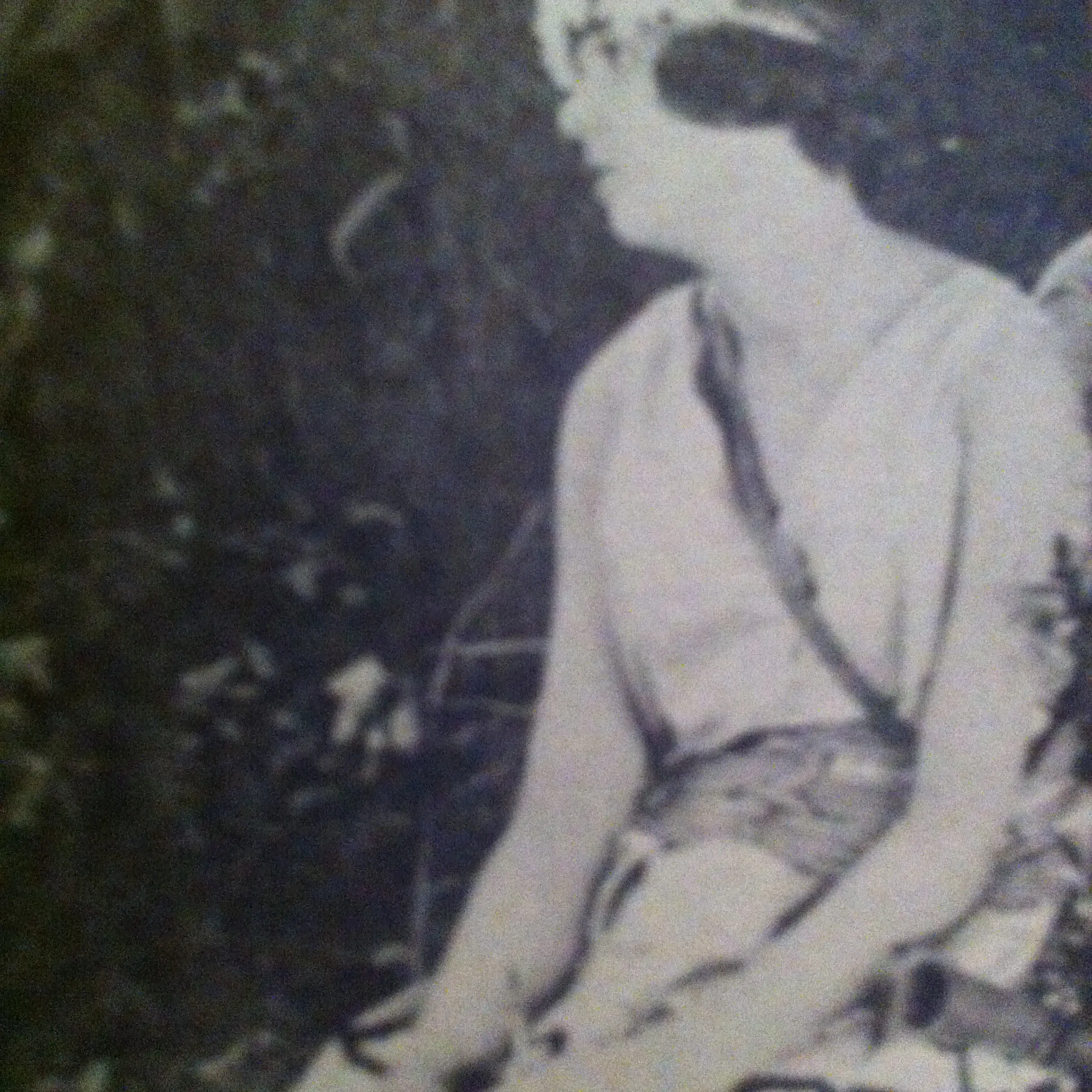
While specific directorial credits for films of this vintage can sometimes be elusive in the collective memory, the visual storytelling in Straws in the Wind speaks volumes about the creative vision behind the camera. The cinematography masterfully employs light and shadow to underscore emotional states and delineate class distinctions. The opulent interiors of the benefactor's home are often bathed in a soft, inviting glow, contrasting sharply with the harsher, more unforgiving light of the streets where the tramp roams. This visual dichotomy isn't merely aesthetic; it's a narrative device, emphasizing the chasm between two worlds and the characters who inhabit them.
The pacing, a crucial element in silent or early sound cinema, is deliberate, allowing moments of tension to build gradually and emotional beats to fully resonate. Close-ups are utilized judiciously to capture the subtle shifts in facial expression that convey so much in the absence of extensive dialogue. There's a particular skill in how the film maintains audience engagement despite its contemplative pace, a testament to effective editing and scene construction. The visual metaphors, though perhaps not overtly experimental, are effective in conveying the film's deeper themes. For instance, the image of the wind itself, unseen yet felt, metaphorically scattering the 'straws' of human lives and destinies, is consistently evoked through subtle visual cues and the very nature of the narrative's unfolding.
The thematic richness of Straws in the Wind is arguably its most enduring quality. At its core, it's a profound exploration of charity and its complex consequences. Is true charity unconditional, or does it come with unspoken expectations? Mansell's initial act of benevolence is admirable, yet it inadvertently creates a situation ripe for betrayal. This raises questions about the nature of giving and receiving, and the inherent power dynamics that can corrupt even the purest intentions. The film subtly critiques the Victorian ideal of philanthropy, suggesting that human desires and flaws cannot always be neatly contained by acts of goodwill.
Desire, both legitimate and illicit, is another central pillar. The tramp's covetousness for Mansell's wife is not merely a plot device; it's a commentary on the universal human struggle with temptation and the allure of what is forbidden. This raw, untamed desire stands in stark contrast to the more controlled, perhaps even repressed, emotions of the upper-class characters. The film dares to suggest that such impulses are not exclusive to any social stratum, but rather a fundamental aspect of the human condition. The narrative also delves into the concept of fate versus free will. How much of the characters' journeys are predetermined, and how much are the result of their choices? The cyclical nature of the plot, where the benefactor ultimately adopts the child whose life was indirectly touched by his initial act, speaks to a powerful sense of destiny and karmic return. This intertwining of individual choices with broader, almost cosmic, consequences echoes the moral quandaries presented in films like God's Law and Man's, where characters frequently grapple with the weight of ethical decisions and their far-reaching impact.
Furthermore, the film offers a poignant commentary on class divides and societal judgment. The tramp, by virtue of his status, is an outsider, a figure easily dismissed or condemned. Yet, his act of saving a life elevates him, if only momentarily, beyond his societal categorization. The film challenges viewers to look beyond superficial labels and recognize the inherent humanity and capacity for both good and ill that resides within every individual. This resonates strongly with the themes of social alienation and the search for belonging explored in works such as Blandt Samfundets Fjender, where characters exist at the margins of society and their struggles highlight broader societal injustices.
While perhaps not as widely celebrated as some of its contemporaries, Straws in the Wind deserves recognition for its sophisticated narrative and profound thematic depth. It's a film that eschews grand spectacle in favor of intimate psychological drama, allowing the audience to truly connect with the characters' internal struggles and moral dilemmas. The enduring power of its story lies in its ability to tap into universal human experiences: the longing for acceptance, the sting of betrayal, the quiet triumph of compassion, and the complex path to redemption. The ending, with its unexpected adoption, is not merely a convenient plot resolution but a powerful statement on the cyclical nature of life, the possibility of second chances, and the profound ways in which seemingly disparate lives can become inextricably linked.
The collaborative efforts of its cast, especially the compelling portrayals by C. Hargrave Mansell and Clifford Cobbe, elevate the material beyond a simple morality play. Their performances, guided by a thoughtful directorial hand and a well-structured script, ensure that the emotional stakes feel genuine and the characters' motivations, however flawed, remain understandable. The film's ability to provoke thought about the true meaning of family, charity, and forgiveness ensures its continued relevance. It reminds us that the threads of destiny are often woven by the simplest of actions, and that even the smallest 'straws in the wind' can redirect the course of a life, or many lives, in unforeseen and profound ways. This cinematic experience is not just a glimpse into a bygone era of filmmaking, but a mirror reflecting the timeless complexities of the human spirit, urging us to consider the echoes of our own choices and the intricate web of connections that bind us all.
IMDb —
1919
Community
Log in to comment.