DbcultAccessing Vault...
7.6/10
Senior Film Conservator
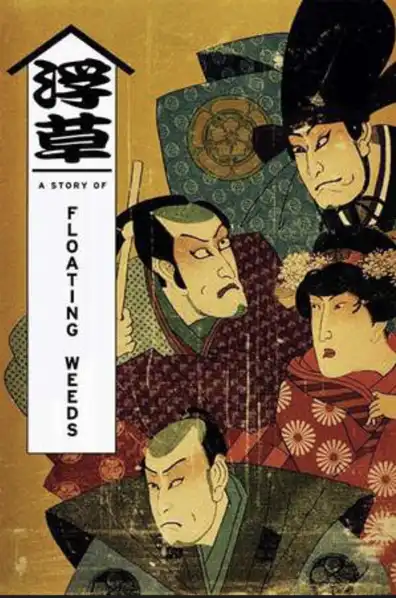
A definitive 7.6/10 rating for a film that redefined the boundaries of cult cinema. A Story of Floating Weeds remains a cornerstone of transgressive art.
If you don't mind a movie that takes its sweet time and has zero explosions, then yes. You'll probably like this if you enjoy watching people deal with the consequences of their own bad choices.
If you hate silent movies or get annoyed by people staring at the rain for three minutes straight, you should probably skip it. It's definitely a mood piece.
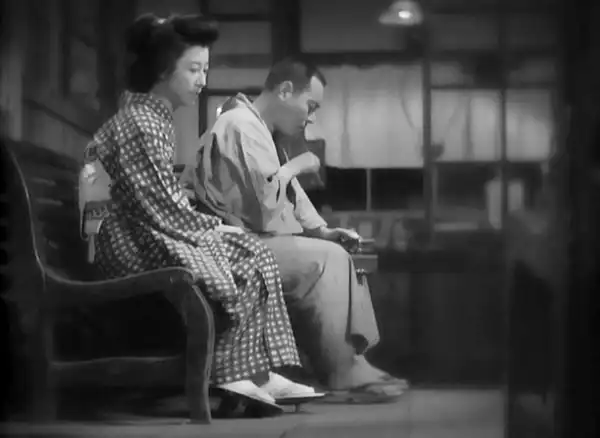
The story follows Kihachi, who runs a traveling kabuki troupe that is clearly seeing better days. They roll into a small town, and it turns out Kihachi has a secret family there—a woman he used to love and a son who thinks Kihachi is just his wealthy uncle.
His current mistress, Otaka, finds out about the kid and she is furious. She doesn't just yell; she decides to pay a younger actress to seduce the son and ruin his life.
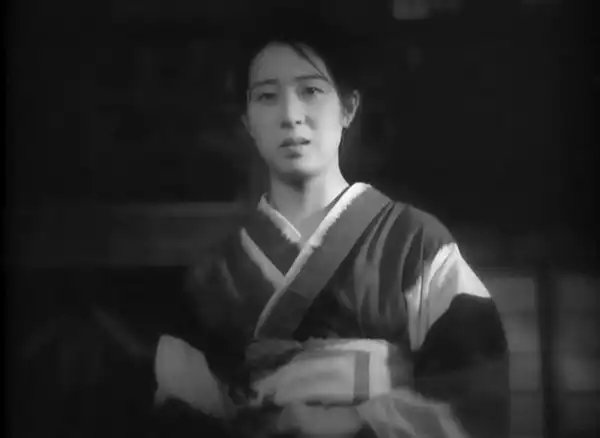
It's a bit of a soap opera plot, but it doesn't feel cheap. The way the characters interact feels very lived-in and messy.
There is so much sake drinking in this movie. Every time someone feels a little bit of an emotion, they reach for a small cup.
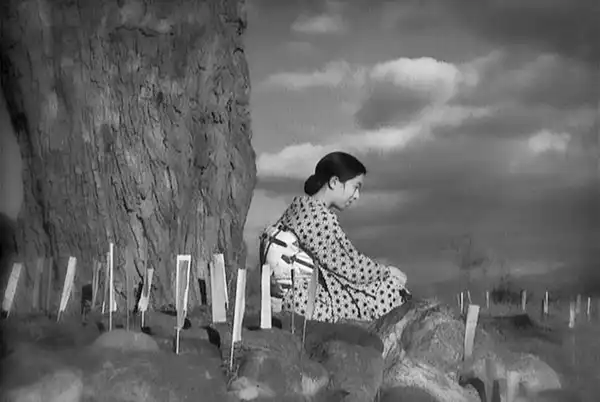
The fans, too. Everyone is constantly flapping a fan because of the heat, and it creates this rhythmic clicking sound in your head even though it's a silent film. 🪭
One of my favorite moments is just a shot of some laundry hanging out to dry. It has nothing to do with the plot, but it makes the town feel real, like people actually live there when the camera isn't rolling.
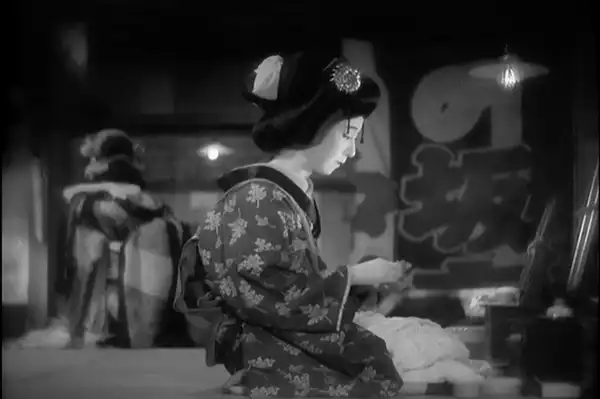
The acting is surprisingly grounded for 1934. Usually, silent actors go way over the top with their faces, but Takeshi Sakamoto (who plays Kihachi) mostly just looks tired and a bit guilty.
There’s a scene where Kihachi and Otaka are arguing across a narrow street while the rain pours down between them. They are standing under different eaves, and the camera just cuts back and forth while they scream over the weather.
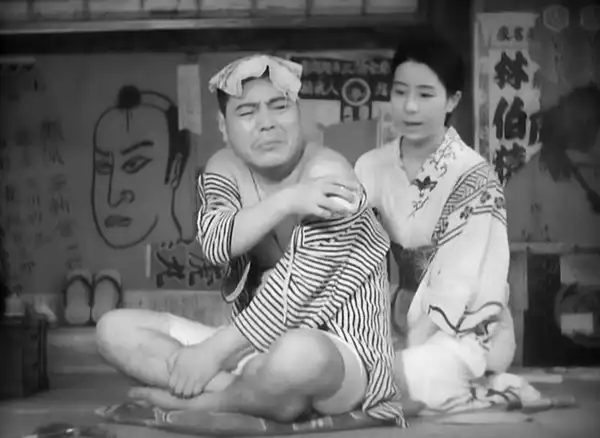
It's a very famous scene for a reason. You can almost feel the dampness on their clothes.
Sometimes movies from this era, like Back Page, feel a bit too staged. This one feels like someone just dropped a camera in a Japanese village and waited for drama to happen.
The son is probably the least interesting part of the movie. He's just a generic nice guy who gets caught in the middle of his parents' baggage.
I felt more for the mistress, honestly. Even though she's doing something objectively mean, you can see why she's so hurt.
The ending is a bit of a gut punch. It’s quiet and kind of hopeless, but also feels like the only way it could have finished.
They call themselves floating weeds because they have no roots. They just drift from town to town, leaving a mess behind them.
It’s not a perfect movie—some of the middle sections drag a bit too much. But if you're in the right headspace, it's really beautiful in a sad way. 🌧️

IMDb —
1920
Community
Log in to comment.