DbcultAccessing Vault...
Cult Review
Senior Film Conservator
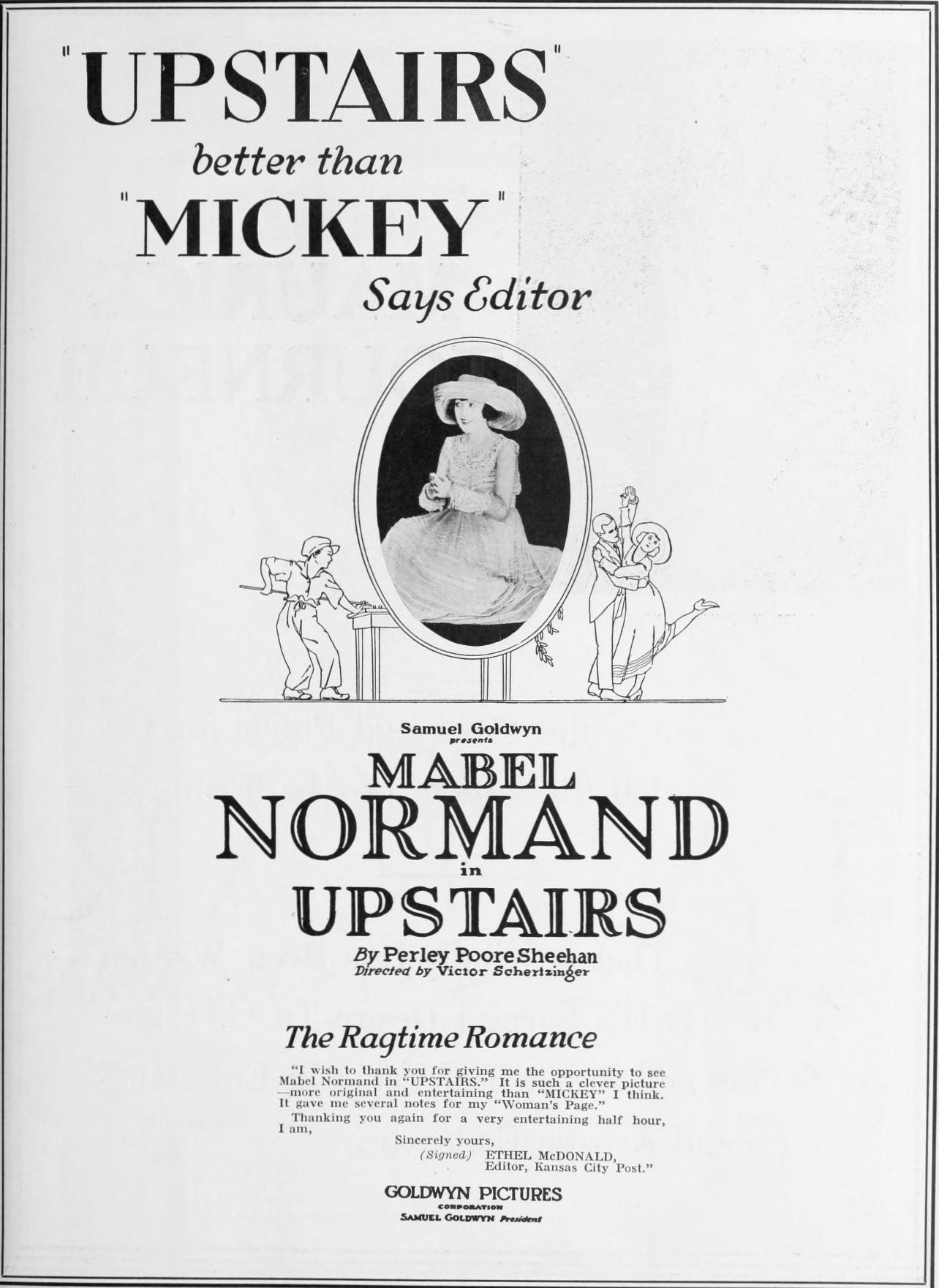
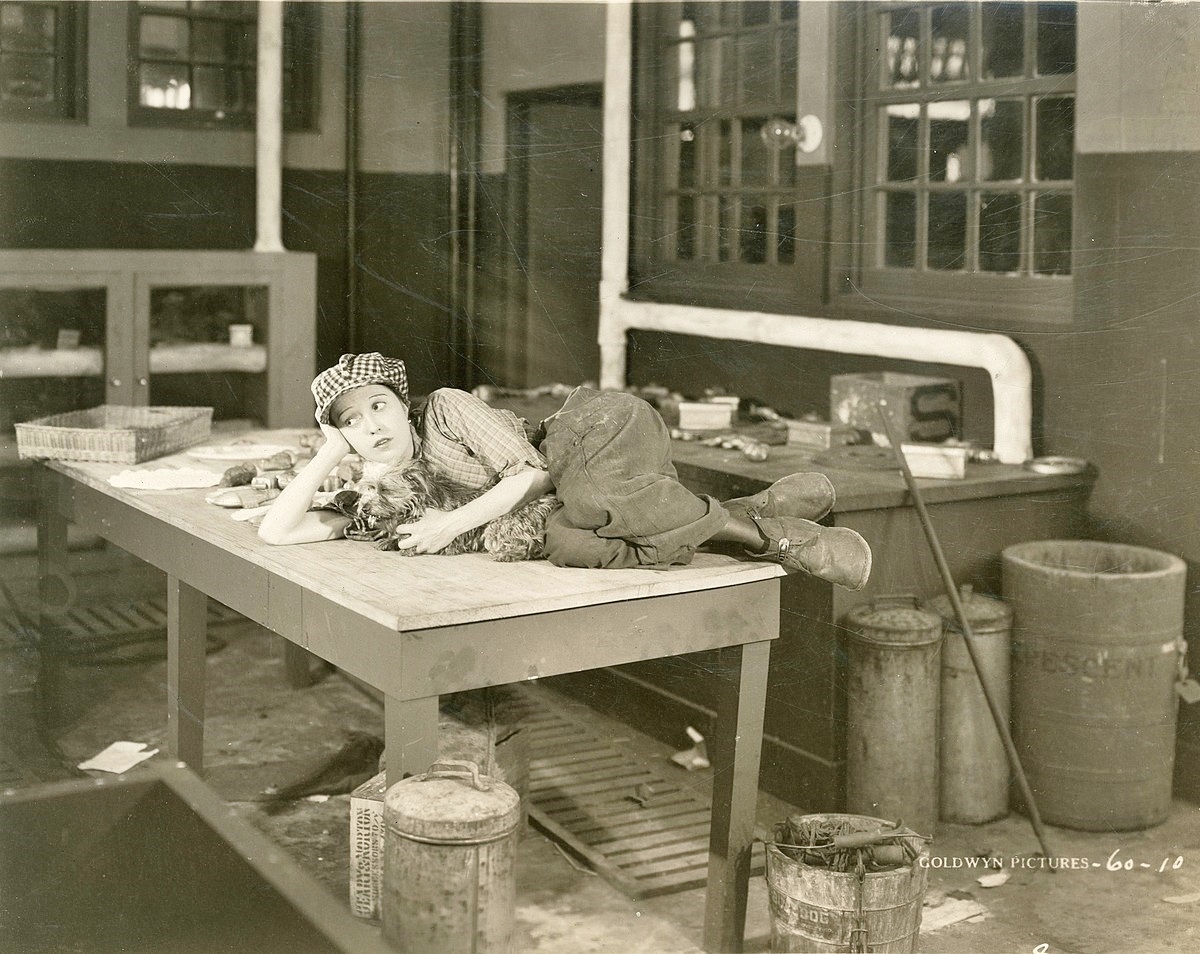
There's a peculiar magic to silent cinema, a language spoken not through dialogue but through exaggerated gesture, expressive physiognomy, and the evocative power of light and shadow. Upstairs, a gem from 1919, embodies this magic with an understated brilliance, drawing viewers into a world of stark social contrasts and deeply human aspirations. It's a film that, despite its century-old vintage, speaks to timeless themes that continue to resonate with a surprising contemporary relevance. The narrative, simple yet profound, centers on a young woman confined to the unseen underbelly of a bustling grand hotel, her days a monotonous ballet of scrubbing and polishing. Her world is one of steamy kitchens and clanking crockery, a stark, utilitarian existence that stands in stark opposition to the opulent lives of the hotel's patrons, whose laughter and finery drift down to her like tantalizing, unattainable whispers. This dichotomy forms the very bedrock of the film, establishing a visual and thematic tension that propels the story forward with quiet intensity.
At the heart of Upstairs is the luminous Mabel Normand, whose portrayal of the unnamed scullery maid is nothing short of captivating. Normand, a titan of early cinema, brings an exquisite blend of vulnerability and tenacious spirit to her character. Her eyes, even in the flickering black and white, convey volumes – the weariness of endless labor, the spark of an indomitable imagination, and the yearning for a life beyond the confines of her station. One can almost feel the calluses on her hands, the ache in her back, yet it is her internal landscape that truly shines. She doesn't merely dream of a better life; she actively, almost viscerally, imagines it, constructing elaborate mental tableaux of the fashionable patrons she serves indirectly. These imagined scenes, often depicted through subtle shifts in her gaze or a momentary, wistful smile, are the film's true artistry, allowing the audience to glimpse the vibrant inner world that sustains her amidst the drudgery. Her performance serves as a poignant reminder that even in the most arduous circumstances, the human spirit possesses an extraordinary capacity for hope and fantasy.
The screenplay, crafted by Perley Poore Sheehan and Robert F. Hill, is remarkably efficient in its storytelling, a testament to the economy required by the silent medium. They manage to establish character, conflict, and theme with admirable precision, allowing the visual narrative to do the heavy lifting. The plot, while straightforward, is rich in implicit social commentary. It’s not just a tale of personal ambition; it’s a quiet indictment of the rigid class structures prevalent in society, particularly at the turn of the 20th century. The sheer physical distance between the scullery and the opulent ballrooms above becomes a powerful metaphor for the chasm separating the working class from the privileged elite. The film doesn't preach, but rather observes, allowing the audience to draw their own conclusions about the inherent unfairness of a system that dictates one's destiny based on birthright or circumstance. This subtle yet potent critique elevates Upstairs beyond a simple melodrama, imbuing it with a depth that lingers long after the final frame.
The supporting cast, though given less screen time, contributes significantly to the film's atmospheric authenticity. Edwin Stevens, Beatrice Burnham, Frederick Vroom, Cullen Landis, Hallam Cooley, Kate Lester, Colin Kenny, Robert Bolder, and Charles A. Post each play their part in populating this micro-universe of the grand hotel. They embody the various societal archetypes—the haughty socialite, the charming rake, the stern manager—that define the protagonist's aspirations and obstacles. While their characters are often broad strokes, typical of silent film characterizations, they serve effectively to amplify Normand's nuanced performance. Their presence paints a vivid picture of the world she longs to join, making her dreams all the more tangible and her struggles all the more relatable. The film's direction, though uncredited for much of early cinema, masterfully uses the contrast between the dark, cramped quarters of the kitchen and the expansive, brightly lit spaces of the hotel's public areas. The camera often lingers on objects of luxury—a shimmering gown, a pearl necklace—to underscore the protagonist's yearning, employing visual storytelling to convey emotion and narrative progression without the need for intertitles as frequently as some contemporaries. This sophisticated visual language is a hallmark of well-crafted silent cinema.
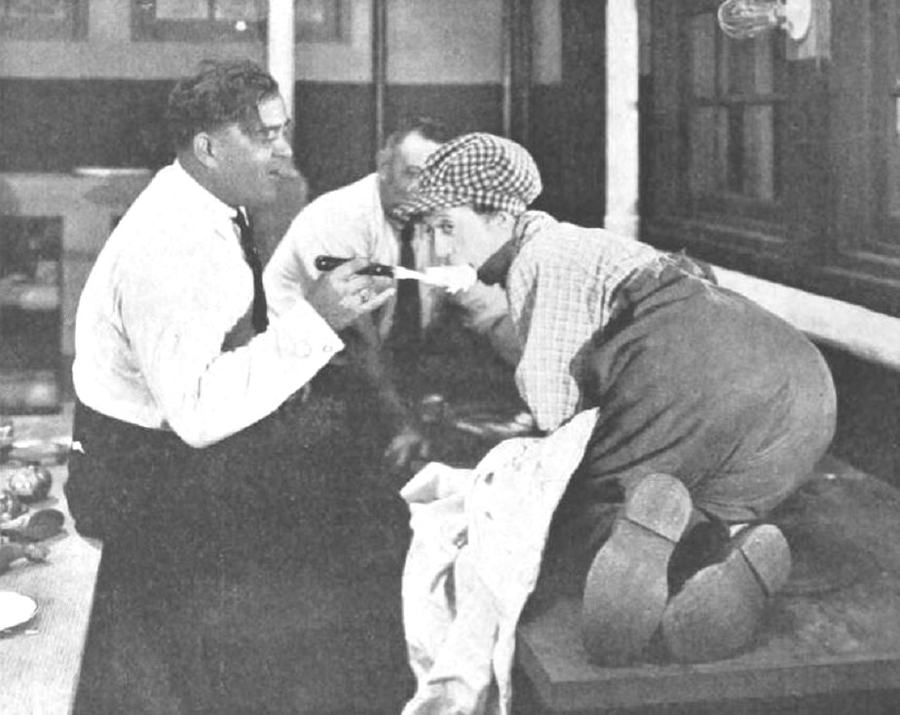
Comparing Upstairs to other films of its era reveals both its conventional adherence to certain tropes and its subtle innovations. Films like Hungry Heart or The Love Auction often explored similar themes of social climbing and romantic entanglement amidst class divides. However, Upstairs distinguishes itself through its focus on the protagonist's internal world and the quiet dignity of her ambition, rather than resorting to overly dramatic external conflicts. It’s less about a scandalous affair or a desperate gamble, and more about the persistent, everyday struggle for self-betterment and recognition. Even a film like Back Stage, which also delves into the lives of working individuals, often presents a more boisterous, comedic take on labor, whereas Upstairs maintains a delicate balance of pathos and quiet determination. The film’s pacing, while deliberate, never feels sluggish, maintaining a steady rhythm that allows the emotional arc to unfold naturally. The use of close-ups on Normand’s face, particularly when she is lost in thought or observing the 'upstairs' world, is particularly effective in drawing the audience into her private universe of dreams. These moments are where the film truly sings, showcasing the power of non-verbal communication in conveying complex human emotions.
The historical context of Upstairs is also crucial to appreciating its subtle genius. Released just after World War I, and on the cusp of the Roaring Twenties, the film reflects a society grappling with profound changes, yet still deeply entrenched in its traditional hierarchies. The aspiration for upward mobility, for a life of ease and glamour, was a powerful undercurrent in the popular imagination, fueled by nascent consumer culture and the allure of the burgeoning entertainment industry. Upstairs taps into this collective yearning, offering both a mirror to societal realities and a gentle, hopeful fantasy. It's a testament to the enduring appeal of the Cinderella narrative, albeit one grounded in the grit of everyday labor rather than fantastical intervention. The film doesn't offer easy answers or a magical transformation; instead, it celebrates the resilience of the human spirit and the power of individual agency, however constrained by circumstances. The meticulous attention to period detail, from the costumes of the patrons to the utilitarian uniforms of the staff, further immerses the viewer in the world of 1919, making the social commentary all the more vivid and immediate.
Ultimately, Upstairs is far more than a mere historical curiosity. It is a finely wrought piece of cinematic art that continues to speak to the universal human desire for dignity, belonging, and a life beyond one's perceived limitations. Mabel Normand's performance alone is worth the price of admission (or the click of a play button, in our digital age), her silent expressiveness conveying a depth of emotion that many sound performances struggle to achieve. The film’s quiet strength lies in its ability to evoke empathy for its protagonist, to make us feel the weight of her struggles and the lightness of her dreams. It reminds us that stories of ordinary people striving for something more are often the most compelling, offering a profound reflection on the human condition. For anyone interested in the foundational narratives of cinema, or simply in a beautifully told story of aspiration against odds, Upstairs is an essential viewing experience. It’s a film that proves that true artistry transcends the technological limitations of its time, finding a way to touch the heart and stir the imagination through the sheer power of visual storytelling. Its legacy endures, a quiet beacon in the vast ocean of silent film, inviting new generations to discover its timeless charm and profound human insight.
IMDb —
1920
Community
Log in to comment.