DbcultAccessing Vault...
7/10
Senior Film Conservator
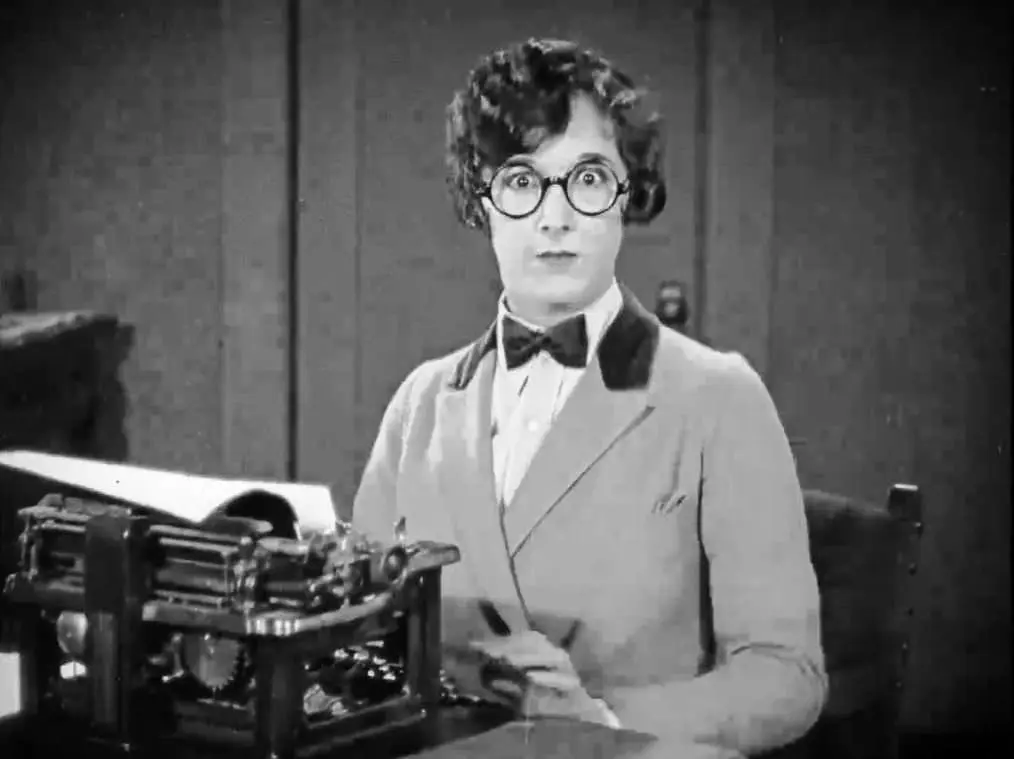
A definitive 7/10 rating for a film that redefined the boundaries of cult cinema. A Thrilling Romance remains a cornerstone of transgressive art.
Is A Thrilling Romance worth watching today? Short answer: yes, but with significant caveats. This early silent feature from 1917 offers a fascinating glimpse into nascent narrative filmmaking, making it a compelling watch for film historians and enthusiasts of the era, yet it might test the patience of a modern casual viewer accustomed to faster pacing and more explicit character development.
This film is unequivocally for those who appreciate the foundational elements of cinema, enjoy the expressive performances characteristic of the silent era, and don't mind a story that prioritizes action over intricate emotional depth. Conversely, it is decidedly not for viewers seeking a contemporary romantic comedy, a fast-paced action thriller with modern sensibilities, or a film that delivers on the 'romance' implied by its title with any real conviction.
Early in its runtime, A Thrilling Romance establishes its primary appeal and its most glaring shortcomings.
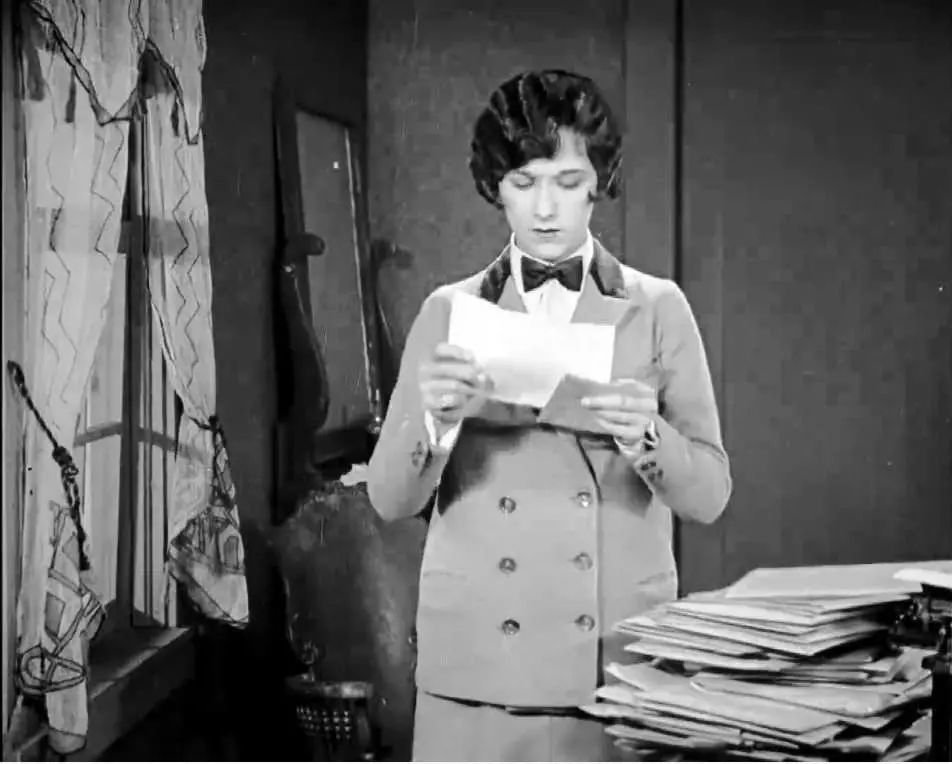
T. Page Wright's screenplay, while rudimentary by modern standards, lays a surprisingly robust foundation for a proto-action narrative. Our protagonist, an aspiring writer portrayed by Wanda Wiley, is initially presented in a setting that suggests quiet contemplation. This initial calm is shattered by the swift, unceremonious theft of her handbag by a duo of unsavory characters, Joe Bonner and Earl McCarthy.
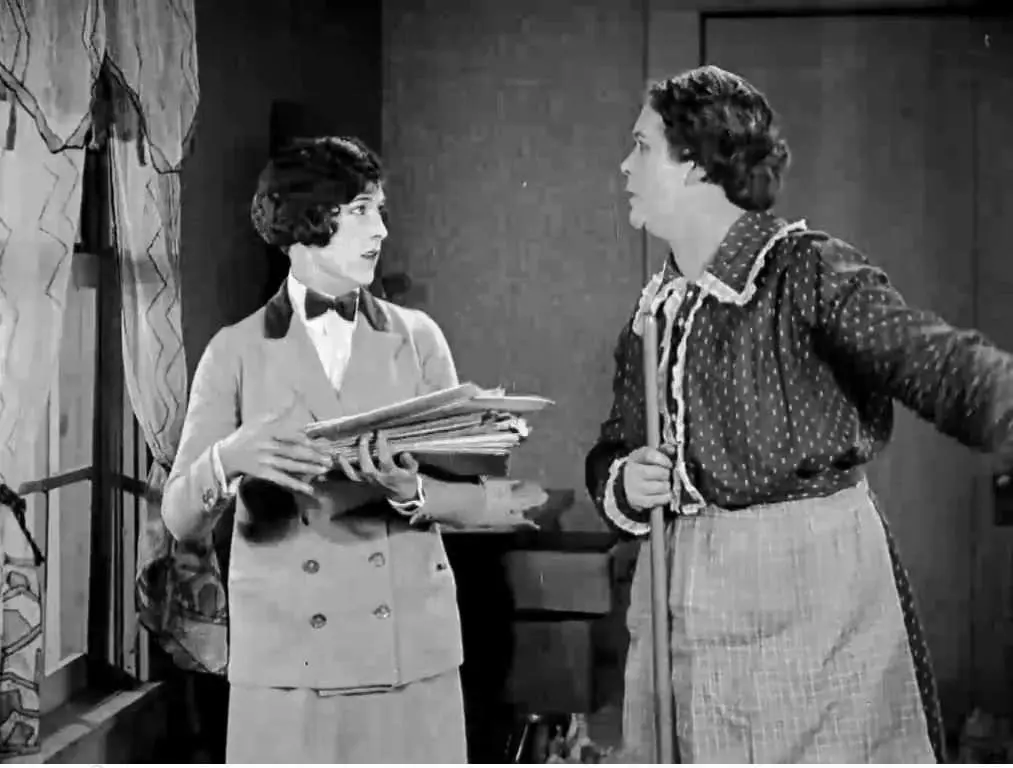
What follows is not merely a passive report to the authorities, but an immediate, visceral reaction: a full-blown chase. This decision by the character to pursue her assailants directly, rather than waiting for external intervention, is the film's most potent narrative device. It instantly imbues her with agency and transforms a simple crime into a personal quest, driving the entire plot forward with an unexpected momentum.
The reinterpretation of this plot element is crucial. It’s not just a chase; it’s an aspiring writer, perhaps subconsciously seeking the very drama she hopes to pen, finding herself plunged into the heart of an unfolding, unwritten story. The streets become her impromptu stage, and the stolen handbag a MacGuffin that propels her into a world far more thrilling than anything she could conjure from her desk.
The 'thrilling' aspect of A Thrilling Romance undeniably resides in its extended chase sequences. Director T. Page Wright stages these moments with a straightforward, almost documentary-like approach, characteristic of the era. The camera often remains static, allowing the actors to move within the frame, emphasizing their physical exertion and the bustling street environments.
A particularly memorable sequence involves Wanda Wiley's character navigating crowded sidewalks and even commandeering a vehicle in her relentless pursuit. While lacking the intricate choreography of later action films, the sheer persistence and the escalating stakes — from a simple theft to a full-blown confrontation — create a genuine sense of urgency. The direction doesn't rely on flashy edits but on the sustained visual of the chase itself, a surprisingly effective technique for its time.
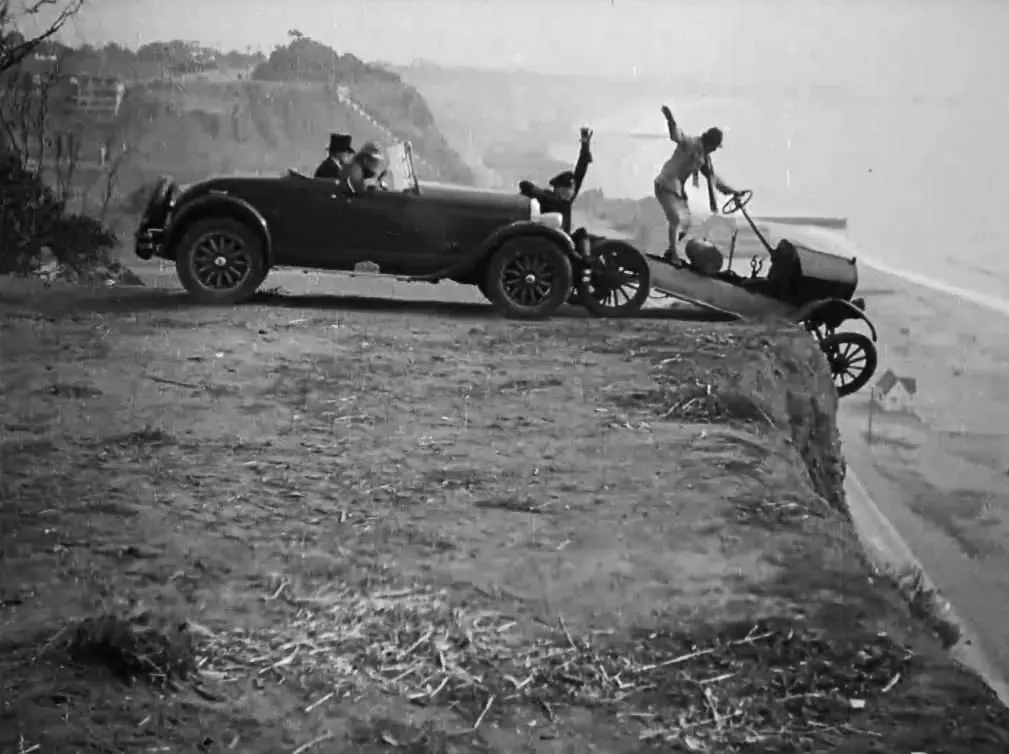
This focus on the physical journey, rather than internal monologues, allows the audience to connect with the immediate peril and the protagonist’s determination. Compared to other chase films of the era, such as Pursued, A Thrilling Romance feels less about grand landscapes and more about the gritty, urban reality of its immediate setting. The pacing here, though slower than modern expectations, is relentless in its own right, pushing the narrative forward through sheer physical exertion.
Wanda Wiley carries much of the film’s emotional weight and physical energy. Her performance as the aspiring writer is a masterclass in silent-era expressiveness. Without dialogue, she conveys indignation, determination, fear, and eventual triumph through exaggerated but never artificial facial expressions and vigorous body language. Her wide-eyed resolve during the chase, coupled with moments of genuine distress, makes her a sympathetic and compelling lead.
Joe Bonner and Earl McCarthy, as the thieving duo, provide effective counterpoints. Bonner, in particular, embodies a menacing yet somewhat bumbling villainy that adds a layer of dark humor to the chase. Their performances are broad, as was common in the period, but they serve the narrative's needs by clearly delineating heroes and antagonists. Al Hallett, in a supporting role that eventually intersects with Wiley's character, brings a more understated presence, hinting at the 'romance' to come.
The strength of these performances lies in their clarity. In an age without spoken words, the actors had to be remarkably precise with their physical storytelling, and this cast delivers. Wiley's portrayal, especially, stands out, proving that a strong female lead was capable of driving a narrative through sheer force of will even in the early days of cinema, a surprising observation for a film of this vintage.
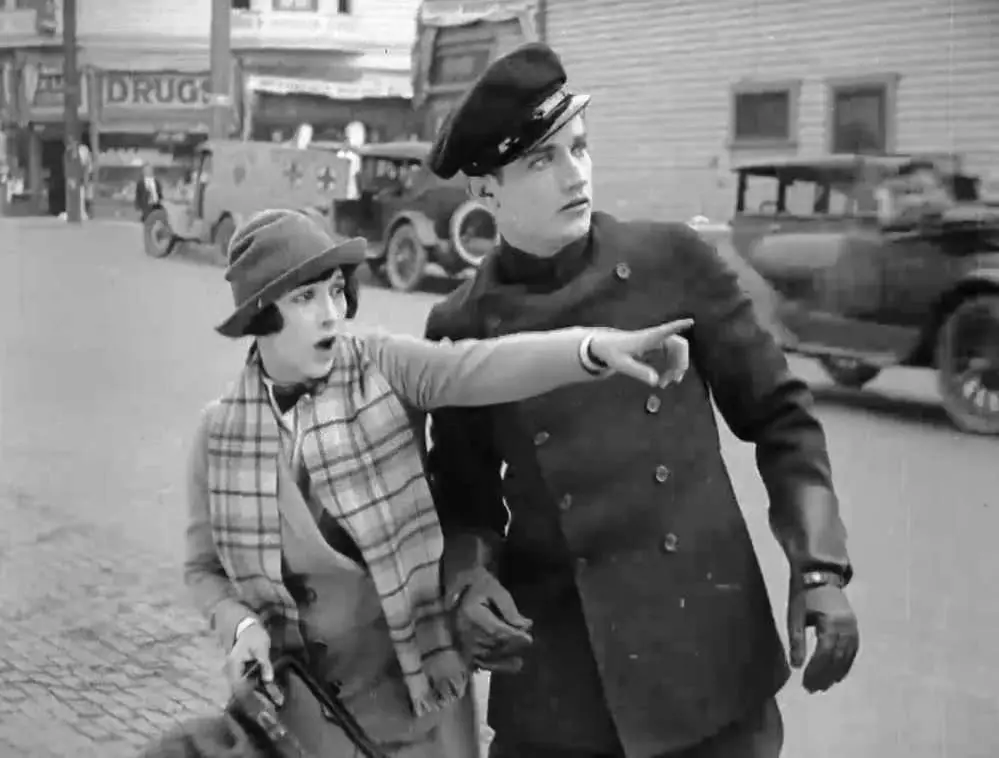
The cinematography in A Thrilling Romance is functional rather than groundbreaking. Shots are generally well-composed, capturing the action clearly within the frame. There's a noticeable reliance on medium and long shots, which allows the audience to take in the full scope of the chase and the interactions between characters. Close-ups are used sparingly, often to emphasize a key emotional beat or a crucial plot point, such as the discovery of the stolen handbag.
The editing, while not rapid-fire, is competent, transitioning between scenes in a logical manner that maintains narrative coherence. T. Page Wright's writing, beyond the initial plot hook, focuses on simple, direct progression. There are no complex subplots or nuanced character arcs. The story is a linear journey from theft to resolution, a common structure for films like The Man Trap, prioritizing immediate engagement over deeper thematic exploration.
One could argue that the film's technical limitations, particularly in camera movement and shot variety, inadvertently highlight the actors' ability to command the frame. The static nature of some shots forces the viewer to focus on the human element, making the performances even more central to the film's impact. It's a curiosity. But it's flawed.
Yes, for specific audiences. If you are a student of film history, particularly the silent era, A Thrilling Romance offers valuable insights into early narrative construction and performance styles. It provides a window into how basic genre elements, like the chase, were executed over a century ago. It is a genuine piece of cinematic heritage.
However, for the casual modern viewer, its pacing may feel slow, and its narrative simplicity might lack the complexity expected from contemporary storytelling. The 'romance' element, in particular, feels underdeveloped, almost an afterthought to the more robust pursuit plotline. Set your expectations accordingly.
This is where the film's title becomes a point of contention and a source of genuine critical debate. The 'thrilling' aspect is undeniably present; the chase, the danger, the escalating stakes all contribute to a sense of excitement. But the 'romance'? It’s far more understated, almost an incidental byproduct of the main narrative rather than its driving force.
The connection that forms between Wanda Wiley’s character and Al Hallett’s feels less like an ardent love story and more like a convenient resolution. It’s a classic silent film trope: the hero and heroine, brought together by circumstance, destined to end up together. Yet, the build-up to this romantic entanglement is minimal, overshadowed by the more dynamic and engaging pursuit of the crooks.
One could argue that the title is less a direct description and more an aspiration, or even a marketing ploy of its time. The real heart of the film lies in the protagonist's agency and resilience during the chase. The romance, when it finally surfaces, feels perfunctory, a necessary bow to tie up the narrative rather than an earned emotional connection. This is my strongest, most debatable opinion: the film’s true value isn't in its stated genre but in its accidental proto-action elements, making the title almost misleading.
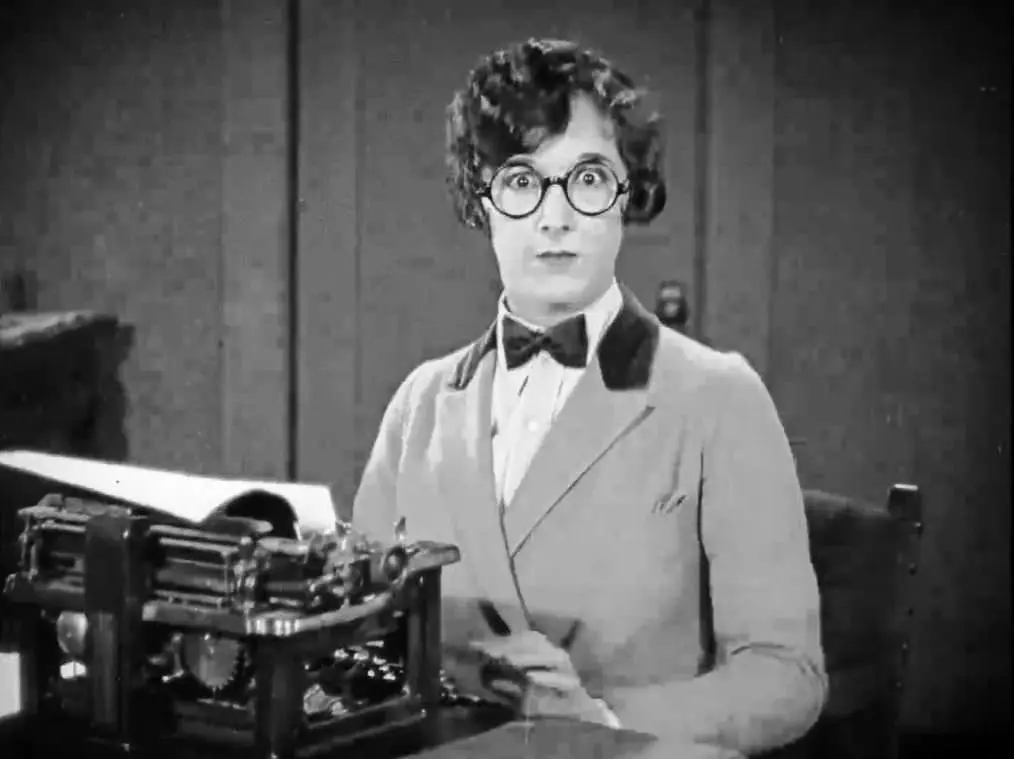
The pacing of A Thrilling Romance is a stark reminder of how much cinematic language has evolved. While the chase sequences inject bursts of energy, the overall rhythm of the film is deliberate, allowing scenes to unfold without the rapid-fire cutting common today. This slower pace might be challenging for some, but it also allows for a sustained focus on the actors' physical storytelling.
The tone balances lighthearted adventure with moments of genuine peril. There's a certain innocence to the filmmaking, a directness in its narrative approach that avoids cynicism. It’s a film that believes in clear-cut heroes and villains, and in the ultimate triumph of good. This earnestness, while perhaps simplistic, contributes to its charm as a historical artifact.
It’s easy to dismiss early silent films as slow or unsophisticated, but it’s more productive to view them through the lens of their own era. A Thrilling Romance is not trying to be a modern blockbuster; it’s attempting to tell a compelling story with the tools and conventions available to it. Its narrative simplicity, reminiscent of early chase films like Smoking Trails, is both its strength and its limitation.
A Thrilling Romance is a fascinating relic, more significant for its historical context and the sheer energy of its lead performance than for its narrative sophistication. It works. But it’s flawed. While the 'thrilling' aspects of the pursuit hold up surprisingly well, providing an unexpected proto-action experience, the 'romance' feels like a contractual obligation, failing to ignite any genuine sparks. For those willing to adjust their expectations to the conventions of 1917, it offers a charming, if uneven, journey into cinema’s formative years. It's a testament to the enduring power of a simple chase, even if the love story gets lost along the way. Approach it as a historical curiosity with an unexpectedly spirited lead, and you might just find it worthwhile.
IMDb —
1930
Community
Log in to comment.